
What Is Prosecco?
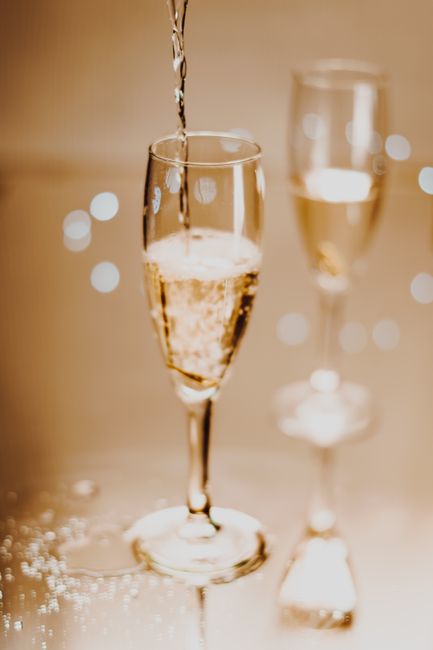
Prosecco is an Italian sparkling wine, typically light, fruity, and less yeasty than Champagne, made primarily from the Glera grape in the Veneto and Friuli-Venezia Giulia regions of northeastern Italy.
More detail
Prosecco gets its bubbles through the Charmat (tank) method, where the second fermentation happens in large pressurized steel tanks rather than in individual bottles, which is how Champagne is made. This process is faster and less expensive, and it preserves the fresh, fruity character of the grape instead of developing the toasty, bready notes that come from prolonged contact with dead yeast cells. Most prosecco is labeled DOC or the higher-quality DOCG, with Conegliano Valdobbiadene DOCG considered the top tier. It ranges from fully sparkling (spumante) to lightly fizzy (frizzante), and in dryness from brut to extra dry to dry, with 'extra dry' confusingly landing sweeter than 'brut.'
Where it's used
Named after the village of Prosecco near Trieste, the wine has been made in the region for centuries, though its modern sparkling style and international popularity took off in the mid-20th century. It's the base for a classic Bellini and, along with Aperol and soda water, one of the three components of an Aperol spritz.
Substitutes
Cava, Spain's traditional-method sparkling wine, or a dry Italian moscato d'Asti (though sweeter) can stand in for prosecco in cocktails; for a closer style match, look for another Charmat-method sparkling wine labeled 'frizzante' or 'spumante.'
FAQ
Is prosecco sweeter than champagne?
It can taste fruitier and rounder even at the same sweetness level, because the Glera grape and shorter production time yield less of the dry, yeasty character found in Champagne.
What's the difference between prosecco DOC and DOCG?
DOCG (Conegliano Valdobbiadene and Asolo) denotes stricter production standards and hillier, more limited growing zones than the broader DOC designation, and is generally considered higher quality.
Can prosecco be used in place of champagne in cocktails?
Yes, in most sparkling cocktails like mimosas or spritzes, though prosecco's lower acidity and fruitier profile will make the drink taste slightly softer and sweeter.
How long does an opened bottle of prosecco last?
About 1 to 3 days when resealed with a sparkling wine stopper and refrigerated, though it will lose carbonation and start tasting flat by the second day.