What Is Tahini? (And How to Use It)
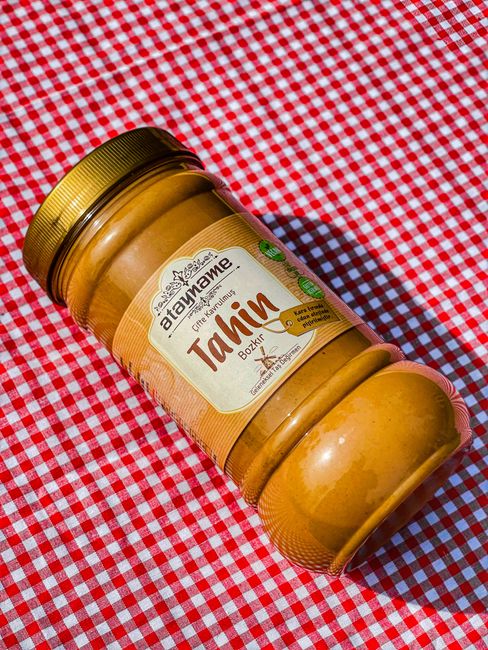
Tahini is a smooth paste made from toasted, ground sesame seeds, similar in consistency to thin peanut butter, with a nutty, slightly bitter flavor and no added sweetness.
More detail
It's a foundational ingredient in Middle Eastern and Mediterranean cooking, made by grinding hulled sesame seeds, sometimes lightly toasted first, into a smooth, pourable paste, often with a touch of oil to help it emulsify. Quality varies by roast level and grind, lighter tahini tastes milder, while darker, more heavily toasted tahini has a more pronounced, slightly bitter edge.
Where it's used
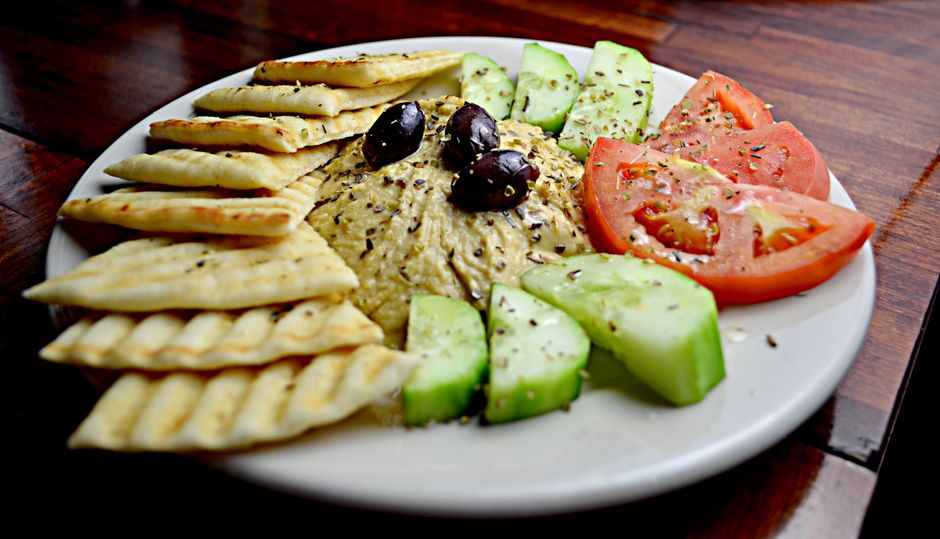
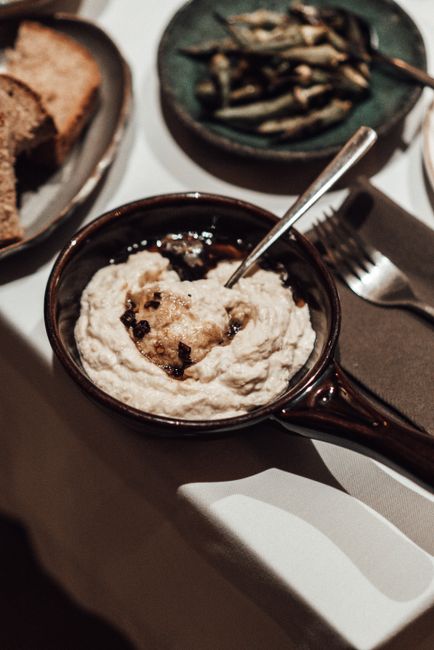
Tahini is the base for hummus and baba ganoush, gets whisked into dressings and sauces (tahini sauce, often with lemon and garlic), and shows up in both savory dishes and desserts like halva. It traces back to the Eastern Mediterranean and Middle East, where sesame has been cultivated and pressed for thousands of years.
Substitutes
Sunflower seed butter is the closest nut-free substitute, though it lacks tahini's distinct roasted-sesame flavor.
FAQ
Is tahini the same as peanut butter?
No. Both are smooth, pourable pastes, but tahini is made from sesame seeds and has a nuttier, slightly bitter flavor with no sweetness, while peanut butter is sweeter and made from peanuts, a legume rather than a seed.
Why does tahini separate in the jar?
Like natural peanut butter, tahini's oil naturally separates and rises to the top during storage. Stir it thoroughly (scraping the bottom of the jar) before each use, this is normal, not a sign it's gone bad.
Does tahini need to be refrigerated?
An unopened jar can be stored in a cool pantry. Once opened, refrigerating it extends freshness and slows rancidity, though it will thicken and need to come to room temperature (or get a quick stir) before it pours easily again.