
Cajun Recipes
Cajun cooking is built on a few repeating techniques: a dark roux for body, the holy trinity of onion, celery, and bell pepper for a base, and a cayenne-heavy spice blend for heat. These recipes cover the classics, from long-simmered gumbo to quick blackened fish.
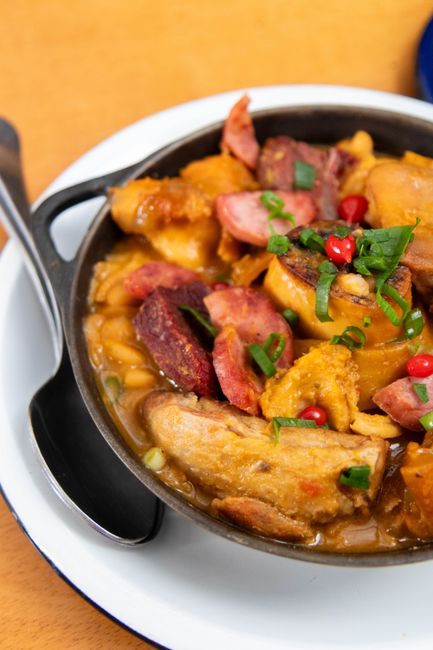
Chicken and Sausage Gumbo
A dark roux-based stew with chicken, andouille sausage, and the holy trinity, served over rice.

Shrimp and Andouille Jambalaya
A one-pot rice dish cooked with shrimp, sausage, tomatoes, and Cajun seasoning until the rice absorbs all the flavor.

Crawfish Étouffée
Crawfish tails smothered in a butter-based roux sauce with the trinity, served over white rice.
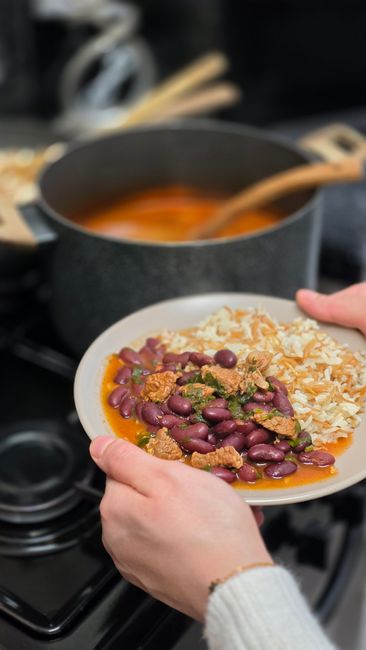
Red Beans and Rice
Red beans simmered low and slow with ham hock or sausage until thick enough to coat a spoon.
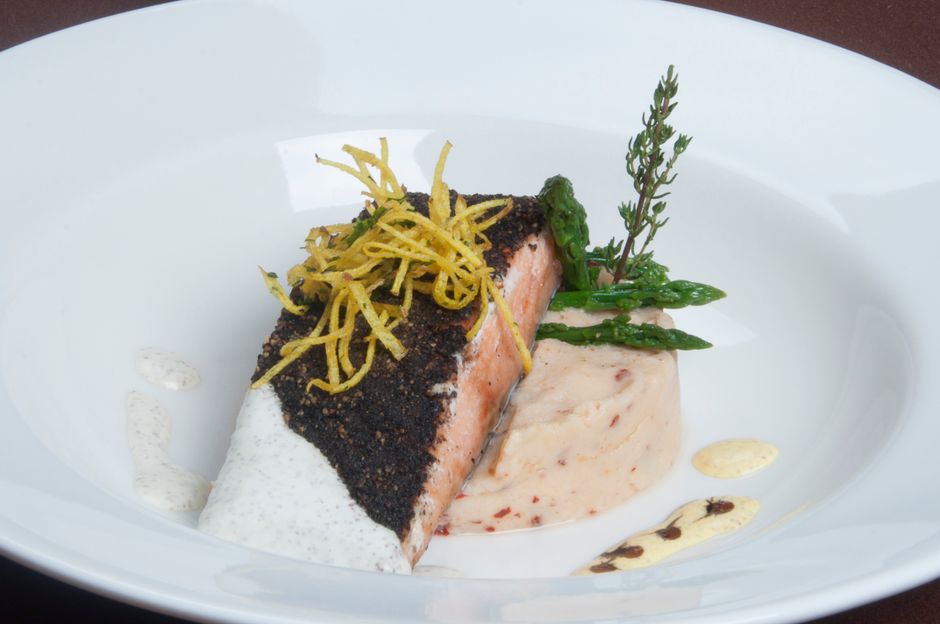
Blackened Redfish
Fish fillets coated in a cayenne-heavy spice rub and seared in a screaming-hot cast iron skillet until crusted black.

Cajun Shrimp Boil
Shrimp, corn, potatoes, and sausage boiled together in a spiced broth, dumped straight onto a newspaper-lined table.
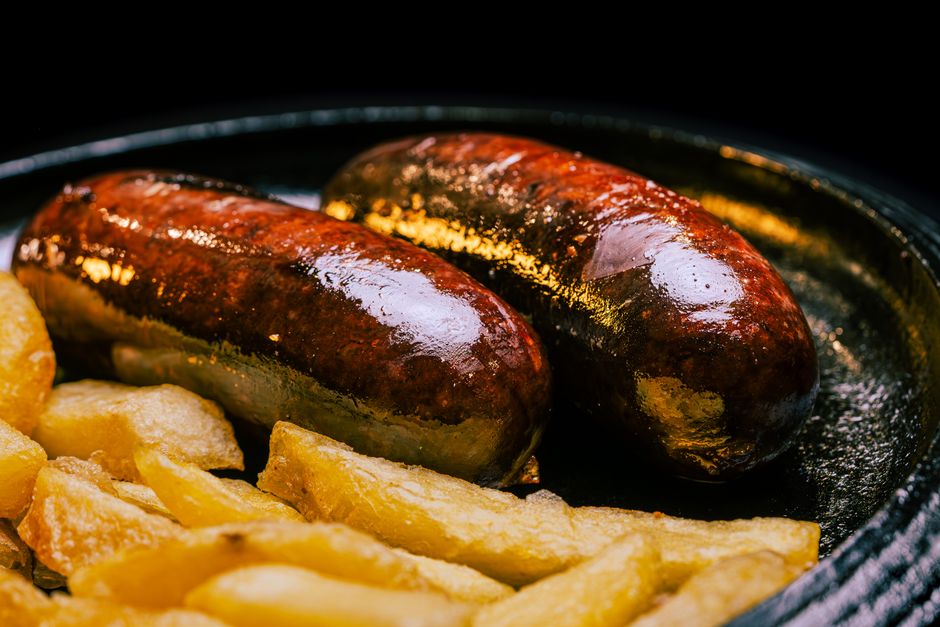
Boudin
A Cajun sausage of rice, pork, and liver, seasoned heavily and stuffed into casing, usually steamed and eaten straight from the log.
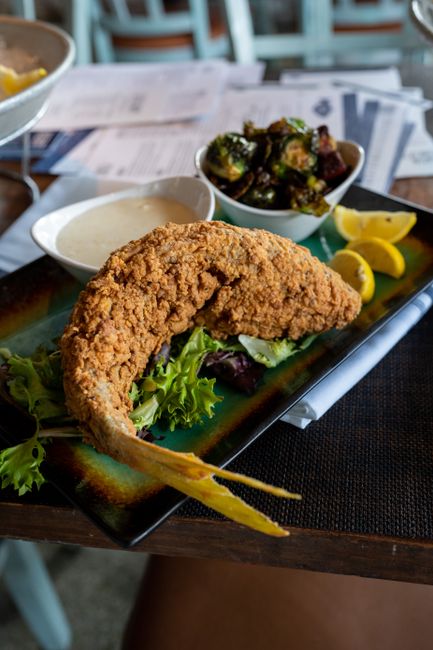
Cajun Fried Catfish
Cornmeal-crusted catfish fried until crisp, served with a squeeze of lemon and a side of hot sauce.

Dirty Rice
White rice cooked with ground pork, chicken livers, and the trinity until it turns a speckled brown.

Swamp Potatoes Recipe
Boiling the potatoes right in heavily seasoned crab boil water lets them soak up flavor from the inside out instead of just sitting under a seasoned coating, and finishing everything in a garlic butter toss after draining adds richness the boiling water alone can't give.
FAQ
What's the difference between Cajun and Creole cooking?
Cajun food comes from rural Acadiana and tends to use fewer ingredients with heavier spice, while Creole food developed in New Orleans and often includes tomatoes and a wider mix of European, African, and Caribbean influences. Gumbo and jambalaya exist in both traditions, but Creole versions usually add tomato.
What is the holy trinity in Cajun cooking?
It's the Cajun equivalent of French mirepoix: diced onion, celery, and green bell pepper, sautéed together as the base for gumbo, étouffée, and jambalaya.
How dark should a roux be for gumbo?
For gumbo, the roux is typically cooked to a dark brown, close to the color of milk chocolate, which takes 20 to 45 minutes of constant stirring over medium-low heat and gives the dish its deep, nutty flavor.
Is Cajun seasoning the same as Creole seasoning?
They overlap heavily since both rely on cayenne, paprika, garlic, and black pepper, but Cajun blends usually skip the dried herbs like oregano and thyme that show up in many Creole blends.
Can Cajun dishes be made less spicy?
Yes, cutting the cayenne in half and leaving out hot sauce at the table keeps the trinity, roux, and seasoning base intact while dialing back the heat for people who are sensitive to it.