
Juicing Recipes
A good juice recipe balances a sweet base (apple, pineapple, carrot) against something sharper (celery, ginger, citrus) so the whole glass doesn't taste like liquid sugar or straight grass. These combinations are grouped by what they're built around, so it's easier to find one that matches what's in the crisper drawer.

Green Juice with Apple and Cucumber
Kale and spinach mellowed out by cucumber, green apple, and a squeeze of lemon.
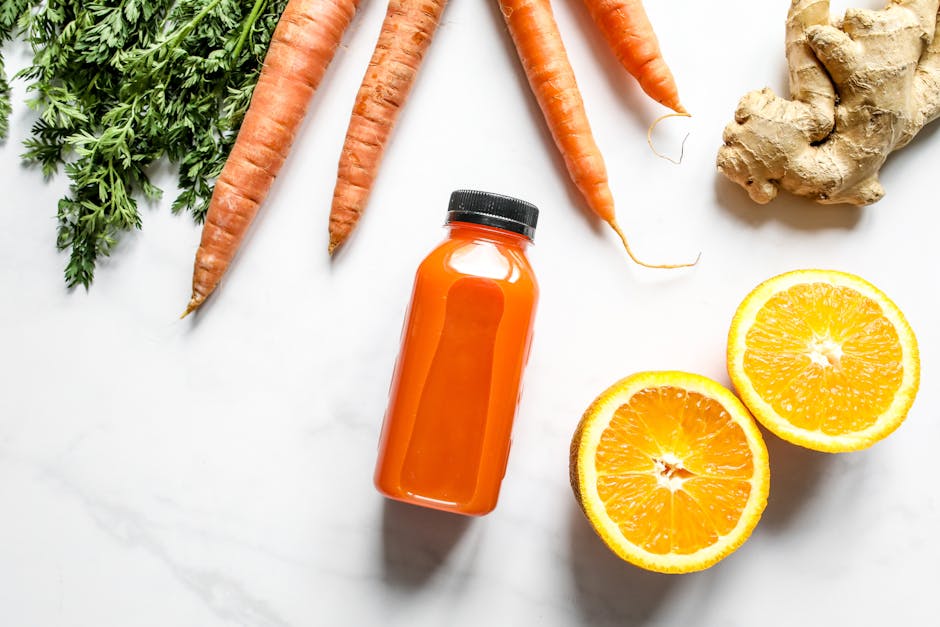
Carrot Orange Ginger Juice
Sweet carrot and orange juice sharpened with fresh ginger, good cold or as a morning wake-up.

Beet Apple Carrot Juice
Earthy beet juice cut with apple and carrot so it reads sweet instead of dirt-flavored.
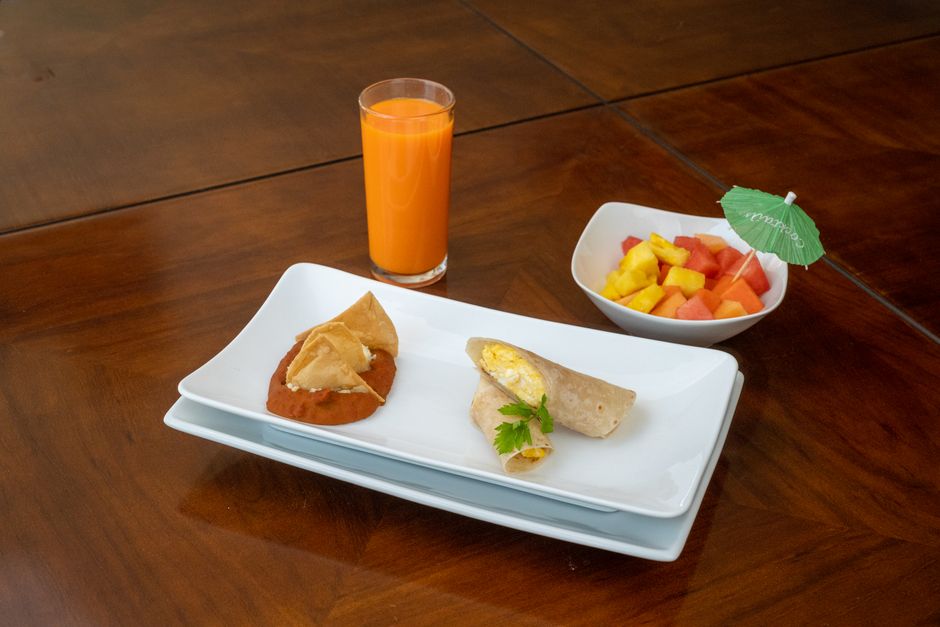
Pineapple Celery Juice
Tropical and slightly salty-green, a two-ingredient juice that leans more sweet than vegetal.
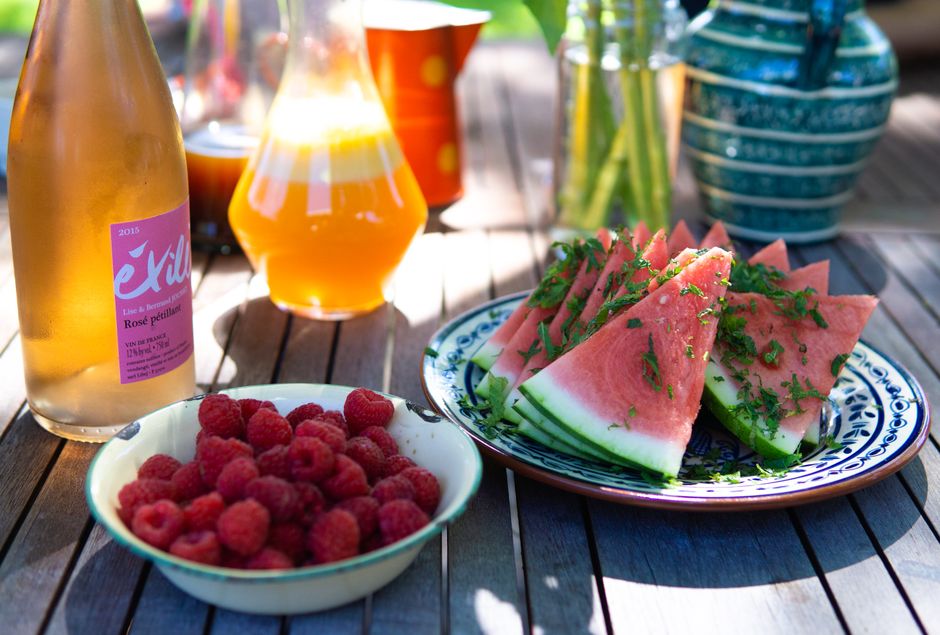
Watermelon Mint Juice
Blended and strained watermelon with mint and lime, more of a summer cooler than a health tonic.

Ginger Turmeric Shot
A concentrated, spicy-hot shot of ginger, turmeric, and lemon meant to be drunk in one go, not sipped.
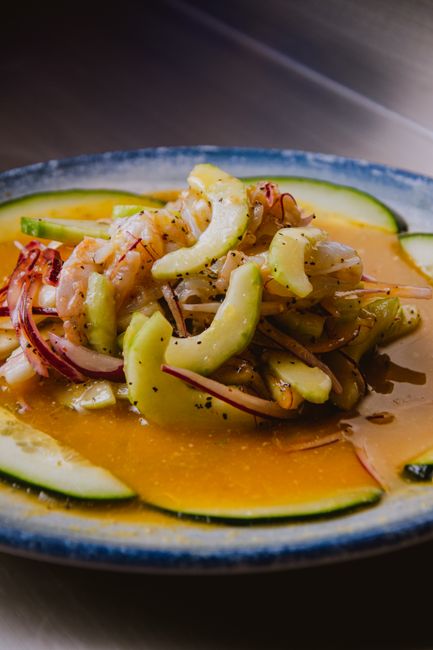
Cucumber Lime Detox Juice
A light, low-sugar juice built mostly on cucumber, with lime and a few mint leaves for brightness.
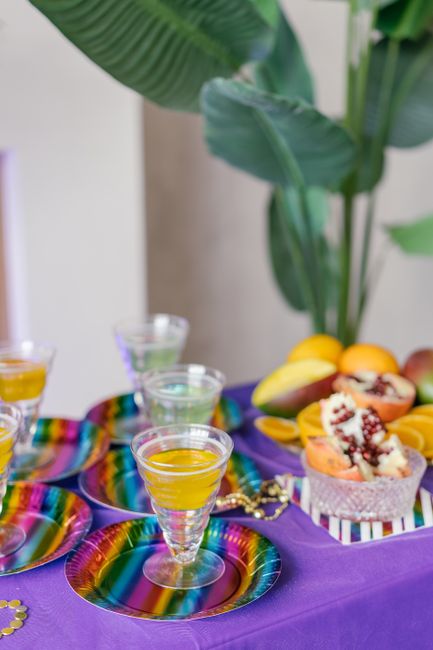
Mango Juice Recipe
Ripe, fully soft mangoes blend down into a naturally thick, sweet base, so this juice needs very little added sugar, and a quick strain through a fine-mesh sieve removes the stringy fibers that make blended mango feel pulpy instead of smooth.
Green Juice Recipe
Cucumber and celery provide a mild, high-water base so the juice isn't overwhelmingly bitter, while a green apple and lemon balance the earthy spinach and kale without turning the drink sweet like a smoothie.
Strawberry Fruit Punch Recipe
Pureeing and straining fresh strawberries gives the punch real fruit flavor and color instead of relying on strawberry-flavored soda or syrup, and adding the lemon-lime soda last keeps the punch fizzy right up until it's poured.
Ginger Shot Recipe
Blending raw ginger with just enough water, then straining out the fibrous pulp, concentrates the spicy-hot gingerol compounds into a small, drinkable volume, while lemon and orange juice balance the heat and cayenne adds a second layer of warmth without diluting the shot.
Fresh Tomato Juice Recipe
Juicing raw, fully ripe tomatoes and straining out the seeds and skins gives a juice that's brighter and less pulpy than most bottled versions, and a splash of lemon juice and salt sharpens the flavor without needing to cook anything down.
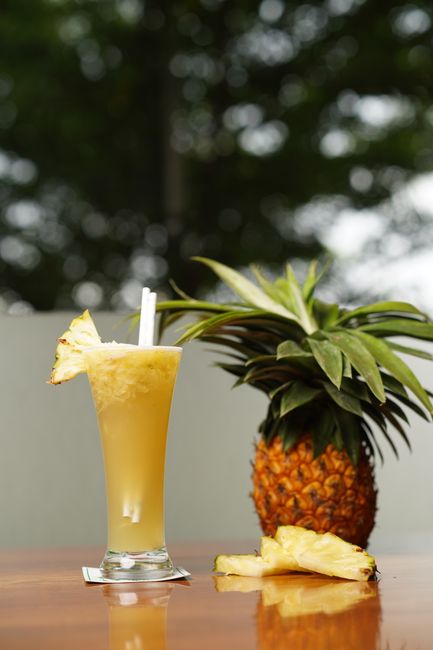
Fresh Pineapple Juice Recipe
Blending raw pineapple with a small amount of water and straining out the fibrous pulp gives a juice that tastes brighter and fresher than bottled versions, since none of the volatile aromatics are lost to heat pasteurization, and a splash of lime balances the fruit's natural sweetness without masking it.
FAQ
Do I need a juicer, or can I use a blender?
A blender works if the juice is strained afterward through a fine mesh strainer or cheesecloth; it produces a slightly cloudier juice with more pulp than a dedicated juicer, but the flavor is nearly identical.
How much fruit or vegetable does it take to make one glass of juice?
As a rough guide, about 1 pound of produce yields 8 to 10 ounces of juice, though watery vegetables like cucumber and celery yield more per pound than dense ones like beets or carrots.
How long does fresh juice keep in the fridge?
Fresh-pressed juice starts losing vitamin C and flavor within a few hours; it's drinkable for up to 24 hours if stored in an airtight container, but the color and taste noticeably fade by day two.
Why does my green juice taste bitter?
Bitterness usually comes from too much kale or too little sweet fruit in the mix; adding an extra half apple or a few extra cucumber slices balances it without needing added sugar.
Should I peel citrus and ginger before juicing?
Citrus pith and peel should be removed since they turn the juice bitter, but ginger skin can go straight in, it's thin enough that most juicers process it fine and it doesn't affect flavor.