
Polish Recipes
Polish cooking is built for cold weather, hearty, slow-cooked, and rarely fussy about presentation. Sour, fermented flavors show up constantly, from rye-based żurek soup to sauerkraut served alongside kielbasa, balancing out the richness of the pork, butter, and potatoes that anchor most main dishes. These are the dishes that show up at a real Polish table again and again, not a tourist-menu sampler.
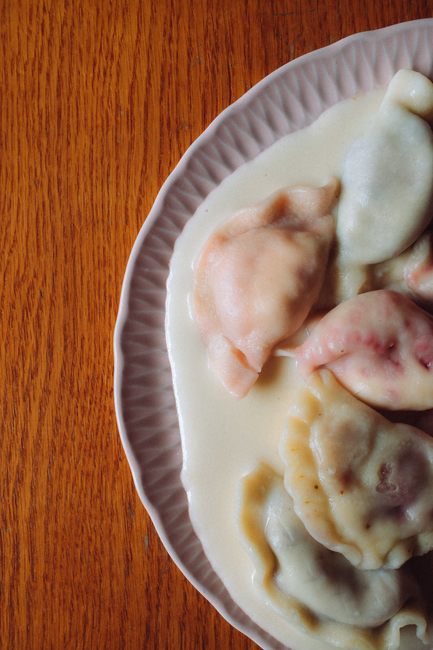
Potato and Cheese Pierogi
Hand-folded dumplings filled with mashed potato and farmer's cheese, pan-fried in butter.
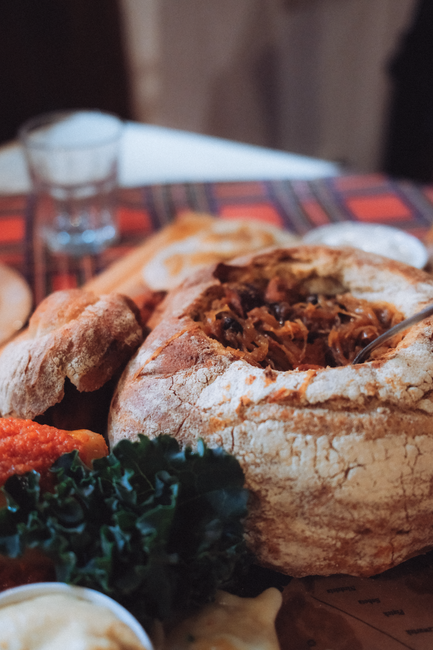
Bigos (Hunter's Stew)
A slow-simmered stew of sauerkraut, fresh cabbage, and mixed meats, better the next day.
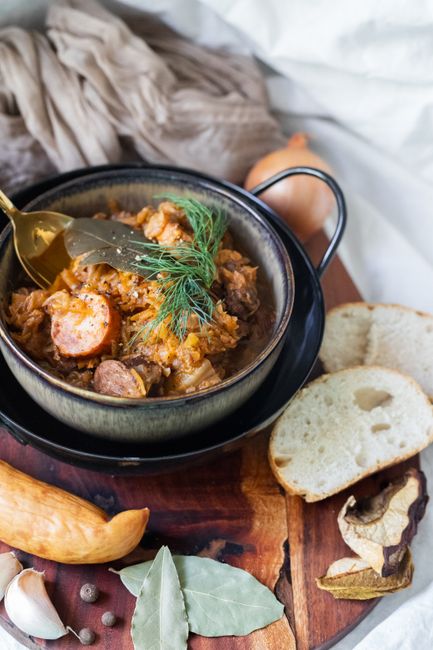
Kielbasa and Sauerkraut
Smoked kielbasa simmered with tangy sauerkraut, onion, and a touch of caraway.
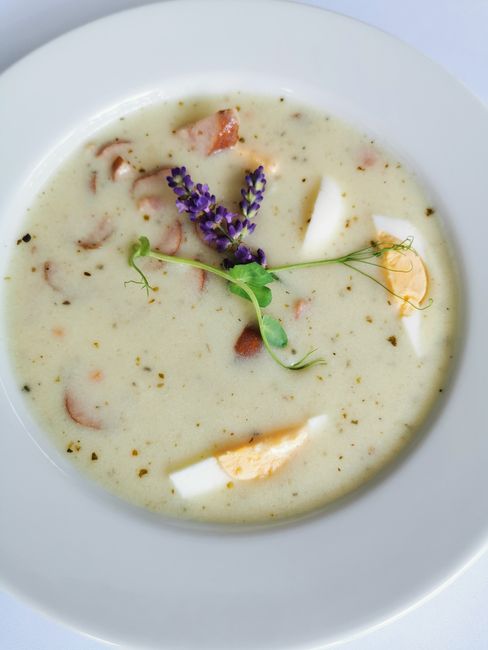
Zurek (Sour Rye Soup)
A tangy, fermented rye-based soup, traditionally served with a hard-boiled egg and sausage.
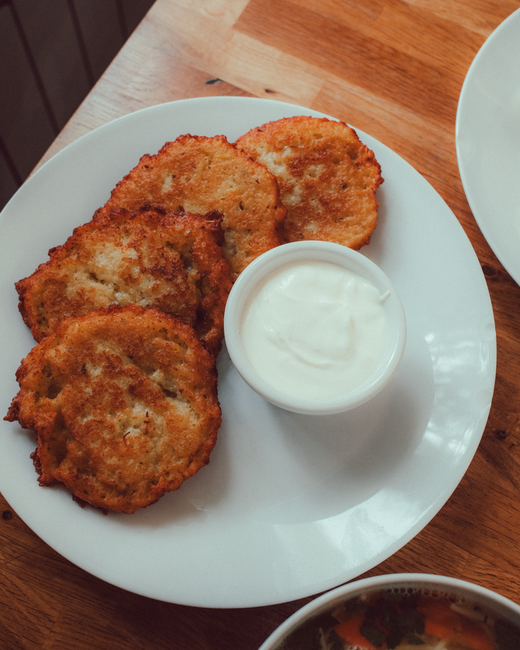
Placki Ziemniaczane (Potato Pancakes)
Crisp, pan-fried shredded potato pancakes, served with sour cream or applesauce.

Paczki (Polish Doughnuts)
Rich, yeasted doughnuts filled with fruit preserves and dusted with powdered sugar.
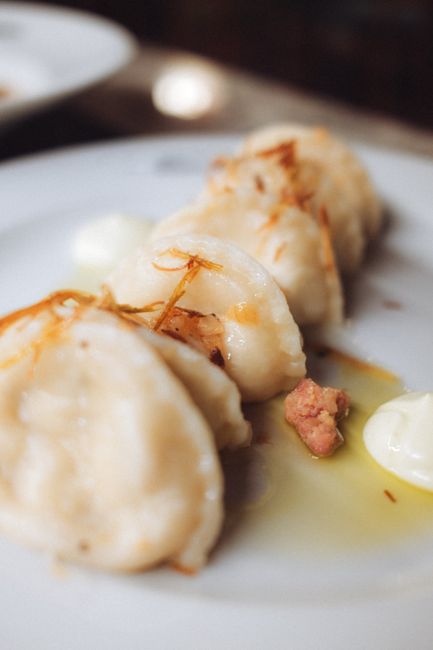
Easy Polish Pierogi Recipe (Potato and Cheese)
A sour cream dough stays pliable enough to seal tightly without cracking, and boiling the pierogi first before pan-frying gives them a tender interior with a crisp, browned exterior, the same two-step method used in Polish home kitchens.
FAQ
What's the difference between Polish kielbasa and other sausages?
"Kielbasa" is actually just the Polish word for sausage in general, but in the US it usually refers specifically to wiejska-style smoked pork sausage, seasoned with garlic and marjoram, denser and more coarsely ground than a hot dog.
Are pierogi always potato-filled?
No, potato and cheese is the most common filling outside Poland, but traditional fillings also include sauerkraut and mushroom, ground meat, and sweet versions filled with fruit like blueberries or farmer's cheese and sugar.
Why is sour flavor so common in Polish cooking?
Fermented ingredients like sauerkraut, rye sourdough (used in żurek), and pickled vegetables were traditional ways to preserve food through long winters, and the sour flavor they add became a defining part of the cuisine.
What's the difference between pierogi fillings?
Potato and cheese is the most common savory filling, but meat, sauerkraut and mushroom, and sweet fruit fillings (like blueberry) are all traditional; the dough and cooking method stay the same across all of them.