
How to Make Soup Stock

Good soup stock comes from a slow, low simmer and a specific ratio of bones to water, not a rolling boil. Boil it hard and the fat and impurities emulsify into the liquid, leaving a cloudy, greasy stock instead of a clear, clean-tasting one.
Steps
- 1Choose your base: 3-4 lbs (1.4-1.8 kg) of bones (chicken carcasses, beef marrow bones, or a mix) for every gallon (3.8 L) of water, or for vegetable stock, about 4 cups of chopped vegetable scraps (onion, carrot, celery, mushroom stems) per gallon of water.
- 2For deeper flavor with beef or pork bones, roast them at 425°F (220°C) for 30-40 minutes until browned before adding to the pot; chicken bones and vegetable stock don't need this step.
- 3Place bones or vegetables in a large stockpot and cover with cold water by about 2 inches. Starting with cold water, not hot, helps proteins release slowly for a clearer stock.
- 4Bring to a bare simmer over medium-high heat, then immediately reduce to low so only occasional small bubbles break the surface.
- 5Skim the gray foam that rises in the first 20-30 minutes with a ladle or fine mesh skimmer. This foam is coagulated protein and skimming it is what keeps the stock clear.
- 6Add aromatics once the foam stops rising: a halved onion, 2 carrots, 2 celery stalks, a few peppercorns, and a bay leaf. Adding them later prevents them from turning bitter over a long simmer.
- 7Simmer uncovered, at a bare simmer, for 4-6 hours for chicken stock, 6-8 hours for beef or pork stock, or 45 minutes to 1 hour for vegetable stock.
- 8Do not salt the stock. Season it later in the finished soup, since stock reduces further during cooking and salting early can make the final dish too salty.
- 9Strain through a fine mesh strainer lined with cheesecloth into a large bowl or clean pot, pressing gently on the solids to extract liquid without pushing through sediment.
- 10Cool the stock quickly by setting the container in an ice bath, then refrigerate uncovered until fully chilled before covering and storing.
Common mistakes
- Boiling instead of simmering: a hard boil churns fat and impurities into the liquid, making the stock cloudy and greasy instead of clear.
- Adding salt during cooking: stock reduces as it simmers and concentrates in flavor, so early salting almost always leads to an over-salted finished soup.
- Skipping the skim: leaving the gray foam in the pot muddies both the color and the flavor of the finished stock.
- Using too much water: drowning the bones or vegetables in water dilutes the stock and produces a thin, weak-tasting base.
Equipment
- Large stockpot (8-12 quart)
- Fine mesh strainer
- Cheesecloth
- Ladle or skimmer
- Large bowl for straining
- Ice bath setup for cooling
FAQ
Do I need to roast the bones first?
Roasting is worthwhile for beef, pork, or veal bones because it develops a deeper, richer color and flavor through browning, but it's unnecessary for chicken bones or vegetable scraps, which give a lighter, cleaner-tasting stock without it.
Why is my stock cloudy?
Cloudiness almost always comes from boiling too hard, which emulsifies fat and protein into the liquid. Keeping the pot at a bare simmer and skimming the foam in the first 30 minutes prevents it.
Can I use raw vegetable scraps I've been saving in the freezer?
Yes, frozen onion skins, carrot peels, celery ends, and mushroom stems work well for vegetable stock and can go straight into the pot from frozen without thawing.
How long does homemade stock keep?
Refrigerated stock keeps for 4-5 days in a sealed container, and it freezes well for up to 4-6 months, especially in flat freezer bags or ice cube trays for portioned use.
Why shouldn't I add salt while the stock simmers?
Stock loses volume to evaporation over hours of simmering, which concentrates any salt already in it. Waiting to season the finished soup gives full control over the final flavor.
Need exact temperatures or timing? Check our Time & Temperature Guide →
Recipes using this technique
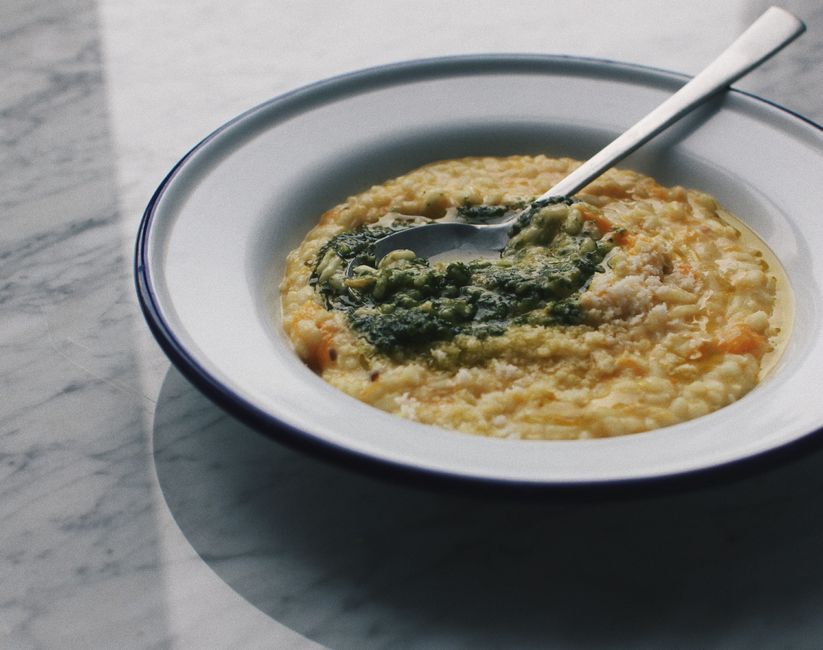
Pastina Recipe

Navy Bean Soup Recipe
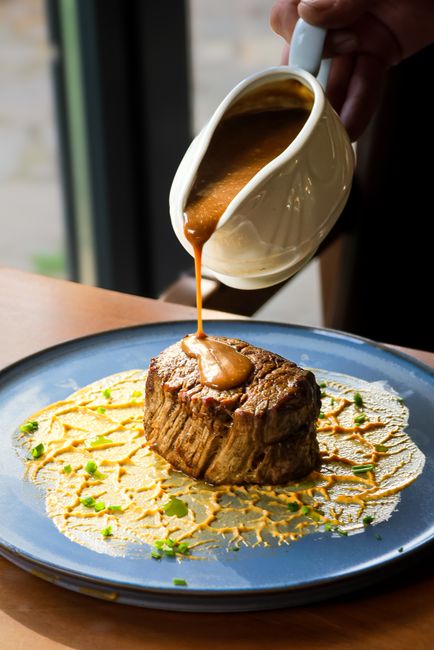
Au Jus Recipe
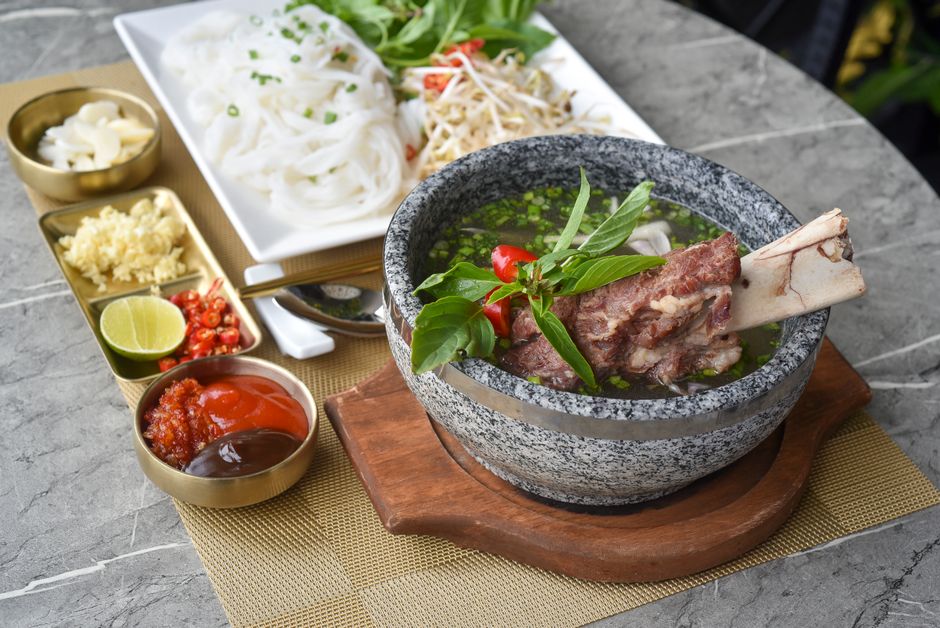
Beef Bone Broth Recipe

White Miso Soup Recipe
15 Bean Soup Recipe
Crockpot Vegetable Beef Soup Recipe
Chicken Bone Broth Recipe
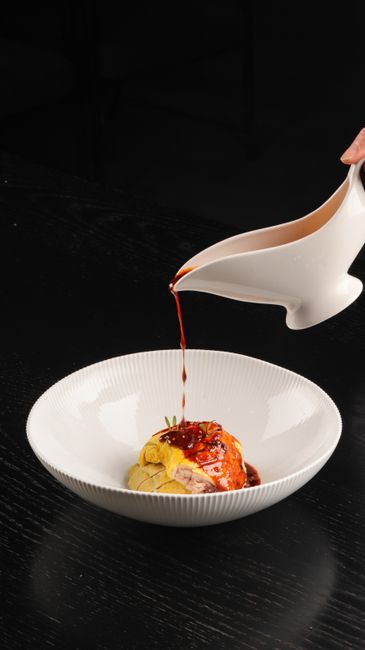
Giblet Gravy Recipe
Tomato Bisque Soup Recipe
Gluten-Free Ramen Noodle Soup Recipe
Vietnamese Beef Pho Recipe
Greek Lemon Chicken Soup Recipe

Leftover Ham and White Bean Soup Recipe