
Amaretto Liqueur
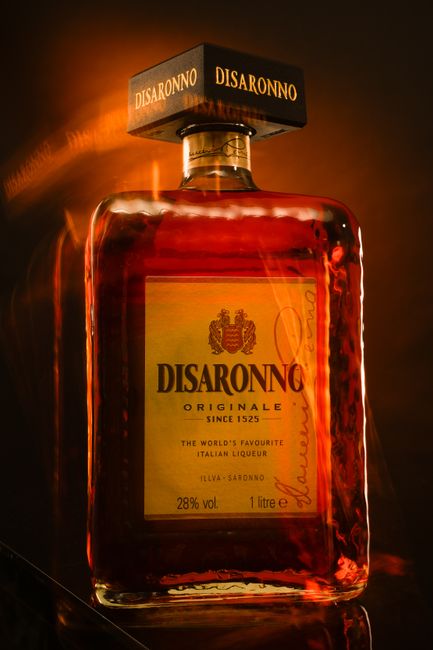
Amaretto is a sweet, amber Italian liqueur with a strong almond aroma and flavor, typically 21-28% ABV. Despite the almond taste, traditional recipes like Disaronno get their flavor from apricot kernel oil rather than actual almonds, though many other brands do use real almond extract or almond-infused spirits. It has a syrupy body, a base note of burnt sugar or caramel, and enough sweetness that it's used almost as often as a flavoring as it is a spirit.
Varieties
Traditional Italian amaretto, most famously Disaronno, is made from apricot kernel oil, which produces an almond-like flavor without using actual almonds. Many other brands, especially American ones, use real almond extract or almond-steeped spirit as the base, giving a slightly different, sometimes sharper almond note. Creme de noyaux is a related but distinct liqueur, usually pink or red and made from fruit pits, that tastes similar but is generally sweeter and less complex.
Buying tips
Disaronno is the most widely available and the benchmark for flavor, but it runs sweeter and slightly thinner than some Italian competitors like Luxardo. Check the label for ABV, since it ranges from about 21% to 28% between brands, which affects how much you need in a recipe for the same intensity. Cheaper store-brand amarettos can taste artificial or one-note; a mid-range bottle is usually worth the difference for baking.
Substitutes
Almond extract mixed with simple syrup — 1/4 tsp almond extract + 3/4 tbsp simple syrup per 1 tbsp amaretto
Closest match for baking when you need the almond flavor without alcohol; adjust sweetness down slightly since simple syrup is less complex than amaretto's caramel notes.
Frangelico (hazelnut liqueur) — 1:1
Similar sweetness, body, and warm nutty character, though the flavor reads as hazelnut rather than almond.
Another almond liqueur (Luxardo Amaretto di Saschira, DiSaronno alternatives) — 1:1
Nearly identical in use; flavor intensity varies slightly by brand, so taste and adjust.
Amaretto-flavored syrup (non-alcoholic, e.g. Torani or Monin) — 1:1 by volume, then reduce another liquid in the recipe slightly
Good for coffee drinks and desserts where alcohol isn't wanted, but it lacks the alcohol's ability to cut sweetness, so dishes can taste flatter.
Orgeat syrup with a splash of brandy — 1 tbsp orgeat + 1 tsp brandy per 1 tbsp amaretto
Common cocktail workaround since orgeat already has the almond-syrup profile; the brandy adds back some of the missing alcoholic bite.
Storage
An unopened bottle keeps indefinitely in a cool, dark cabinet. Once opened, it stays good for at least a year, often two, since the sugar and alcohol content resist spoilage; flavor just fades gradually. No refrigeration is required, though some people chill it for sipping or for cocktails that call for it cold.
How to use
Used in baking (amaretti cookies, tiramisu, amaretto cheesecake), stirred into coffee or hot chocolate, brushed onto cake layers as a soak, glazed onto ham or roasted stone fruit, and mixed into cocktails like the Amaretto Sour and Godfather. A splash added at the end of cooking preserves more of the almond aroma than long simmering does.
What it pairs with
Pairs well with dark chocolate, espresso, cherries, and stone fruit like peaches and apricots, and complements almond-based desserts like frangipane or biscotti without overwhelming them.
Nutrition
Amaretto is high in sugar and calories for its size, roughly 100-110 calories per 1.5-ounce serving, almost entirely from sugar and alcohol, with no meaningful vitamins or minerals.
FAQ
Is amaretto strong in alcohol?
Most bottles run 21-28% ABV, roughly half the strength of a typical whiskey or vodka, but stronger than wine.
Can I leave out amaretto in a baking recipe without replacing it?
You can, but the recipe will lose both sweetness and liquid volume, so add back about a tablespoon of milk or water plus a small amount of sugar per tablespoon omitted.
Does amaretto need to be refrigerated after opening?
No. The high sugar and alcohol content keep it stable at room temperature; refrigeration is only a preference for serving it cold.
What's the difference between amaretto and almond extract?
Almond extract is a concentrated flavoring with no sugar or alcohol body, while amaretto is a sweetened, lower-proof liqueur; a small amount of extract plus sugar syrup can approximate amaretto's flavor but not its texture or alcohol content.
Can non-alcoholic amaretto syrup be used in cocktails?
Yes, but the finished drink will taste sweeter and less balanced since it's missing the alcohol that normally cuts through the sugar; reduce other sweeteners in the recipe to compensate.
Have amaretto liqueur on hand? Find recipes with our Recipe Generator →