Almond Extract

Almond extract is a concentrated flavoring made by dissolving bitter almond oil in alcohol and water. A single teaspoon carries an intense, slightly bitter-sweet almond flavor, much stronger than the flavor of eating whole almonds, which is why recipes call for it in fractions of a teaspoon rather than tablespoons.
Varieties
Pure almond extract is distilled from actual bitter almond oil and has a rounder, slightly more complex flavor. Imitation almond extract uses synthetic benzaldehyde, tastes nearly identical once baked, but can taste slightly flatter in cold or unbaked mixtures like frosting.
Buying tips
Check the label for "pure almond extract" listing bitter almond oil and alcohol; imitation versions labeled "almond flavor" use synthetic benzaldehyde and are noticeably cheaper. Both work well in baking, but pure extract holds up better in uncooked applications.
Substitutes
Vanilla extract — 1:1
Loses the distinct almond note entirely but keeps a warm baking flavor; works when almond is a background note rather than the point of the recipe.
Imitation almond extract (almond flavoring) — 1:1
Made with synthetic benzaldehyde instead of real bitter almond oil; tastes nearly identical in baked goods and is cheaper, though it fades faster in unbaked applications like whipped cream.
Amaretto liqueur — 2 tablespoons per 1/2 teaspoon extract
Adds real almond flavor plus sugar and alcohol, so cut back other liquid and sweetener slightly in the recipe.
Almond paste, dissolved into batter — varies by recipe
Not a clean swap since almond paste adds sugar, ground almonds, and moisture; better suited to recipes that can absorb the extra bulk, like frangipane or cookie dough.
Storage
Keep tightly capped in a cool, dark cabinet away from the stove. The alcohol base means it doesn't spoil and stays potent for several years, though flavor intensity fades slowly over time.
How to use
Used in small amounts, typically 1/4 to 1 teaspoon, in cookies, cakes, marzipan, frosting, whipped cream, and oatmeal. Because it's potent, add it gradually and taste before doubling a recipe's called-for amount.
What it pairs with
Pairs well with vanilla, cherry, cinnamon, and chocolate in baked goods, and is traditional in marzipan, amaretti cookies, and cherry pie fillings.
Nutrition
Used in drops per recipe, so it contributes negligible calories or nutrients to a finished dish despite containing a small amount of alcohol per teaspoon.
FAQ
Is almond extract safe since it's made from bitter almonds?
Yes. The trace amounts of amygdalin in bitter almond oil are processed out or present in quantities far too small to be harmful in the tiny doses used in cooking.
Can almond extract replace vanilla extract in a recipe?
Not one-to-one in most cases; almond extract is stronger and has a distinct flavor, so recipes that swap it in usually use half the amount of vanilla called for, or combine both.
Is almond extract safe for people with tree nut allergies?
Pure almond extract is derived from almonds and should be avoided by anyone with a tree nut allergy; imitation almond extract made with synthetic benzaldehyde is nut-free and a safer choice.
Why does a recipe call for so little almond extract compared to vanilla?
Almond extract has a much more concentrated, slightly bitter flavor than vanilla, so even a small amount noticeably changes a dish, while vanilla is milder and used more generously.
Have almond extract on hand? Find recipes with our Recipe Generator →
Recipes using almond extract
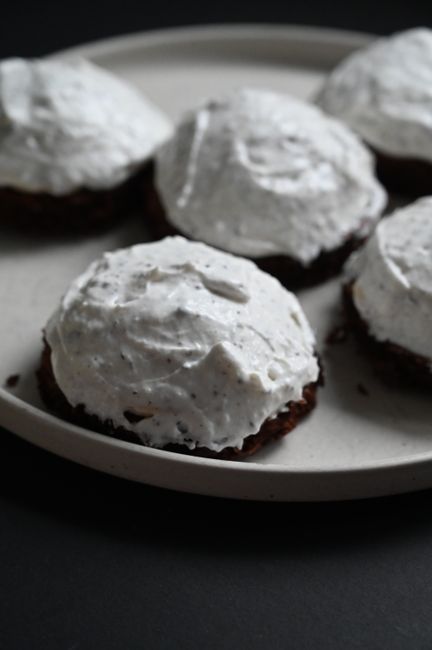
Sugar Cookie Frosting Recipe
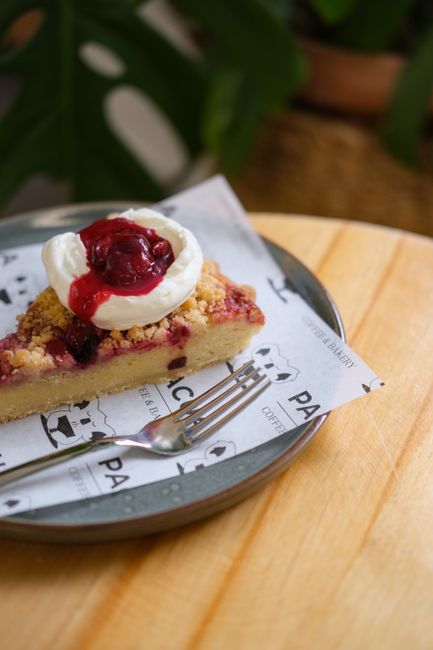
Cherry Pie Recipe
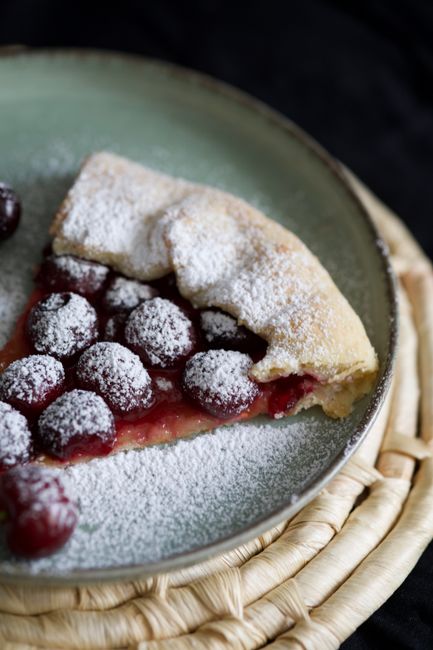
Fresh Cherry Pie Recipe
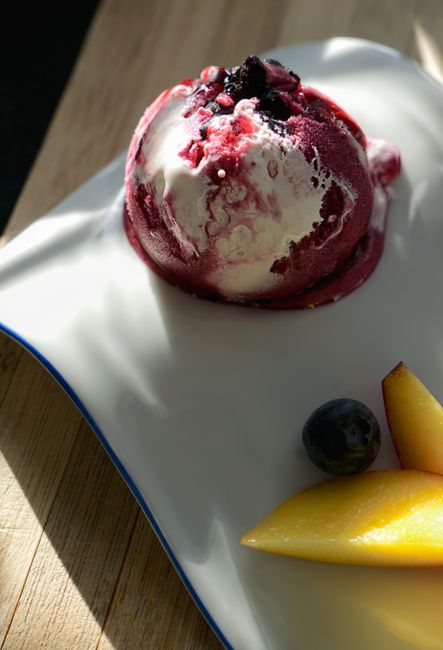
Superman Ice Cream Recipe
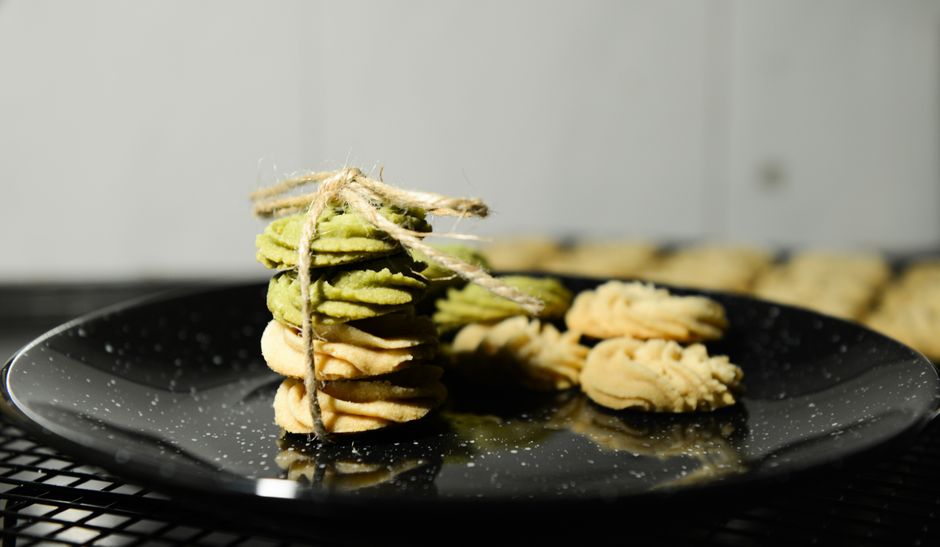
Spritz Cookies Recipe
Homemade Irish Cream Recipe
Homemade Irish Cream Liqueur Recipe

Copycat Little Debbie Birthday Cake Mini Donuts Recipe

Thumbprint Cookie Recipe