Cornstarch

Cornstarch is a fine, flavorless powder milled from the endosperm of corn kernels, used almost entirely as a thickening agent. It thickens with about twice the power of flour and sets into a clear, glossy gel rather than flour's cloudier, more opaque thickening.
Buying tips
Any plain cornstarch works the same for thickening, there is no meaningful quality tier to shop for, just check that it is plain starch with no added seasoning.
Substitutes
All-purpose flour — Use 2x the amount of cornstarch called for
Thickens cloudier and needs longer cooking to lose a raw-flour taste.
Arrowroot powder — 1:1
Similar clear, glossy thickening; holds up better than cornstarch in acidic or frozen dishes.
Potato starch — 1:1
Similar thickening power; add near the end of cooking since it breaks down if boiled too long.
Storage
Keep in a sealed container in a cool, dry pantry, it has an essentially indefinite shelf life as long as it stays dry, since moisture (not time) is what degrades it.
How to use
Mixed with cold liquid into a slurry before adding to a hot sauce or soup (adding it dry causes clumping), used to coat meat before frying for extra crispness, or blended into baked goods in small amounts for a more tender crumb.
What it pairs with
Best reached for wherever a glossy, clear finish matters more than a cloudy one: stir-fry sauces, fruit pie and cobbler fillings, and pan sauces meant to cling to meat rather than pool underneath it.
Nutrition
Essentially pure starch, about 30 calories per tablespoon, with negligible protein, fat, or fiber.
FAQ
Why did my cornstarch-thickened sauce turn out lumpy?
Cornstarch added directly to a hot liquid clumps almost instantly. Always mix it with a small amount of cold liquid into a smooth slurry first, then whisk that into the hot liquid.
Can I substitute cornstarch for flour in baking?
Only in small amounts, mixed with flour, not as a full 1:1 replacement, a spoonful swapped in for flour in cookies or cakes can make the crumb more tender, but cornstarch has none of flour's gluten structure.
Have cornstarch on hand? Find recipes with our Recipe Generator →
Recipes using cornstarch

Beef Stir Fry Recipe
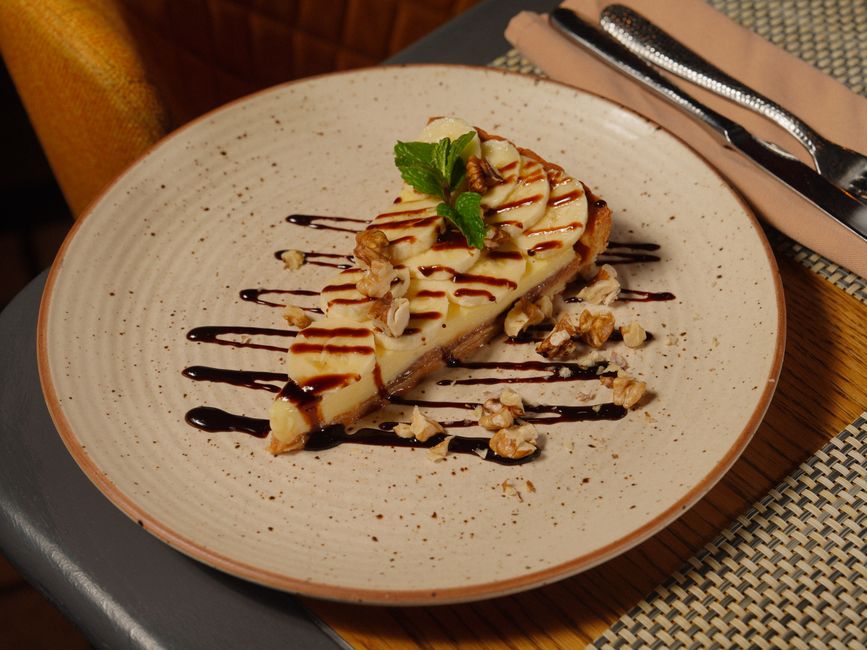
Chocolate Cream Pie Recipe
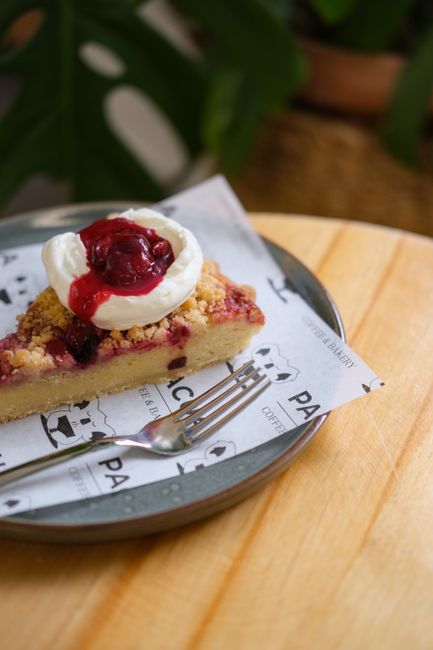
Cherry Pie Recipe
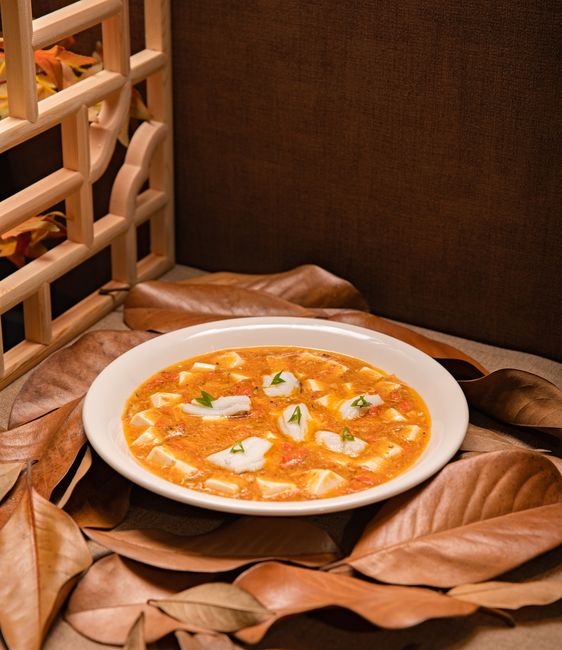
Mapo Tofu Recipe
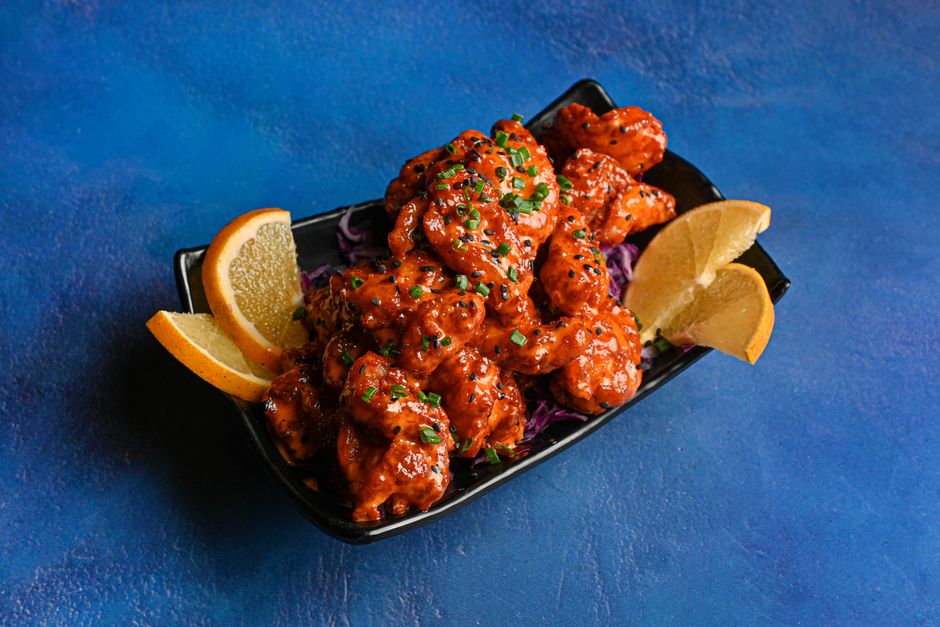
Bang Bang Shrimp Recipe

Vegan Ice Cream Recipe
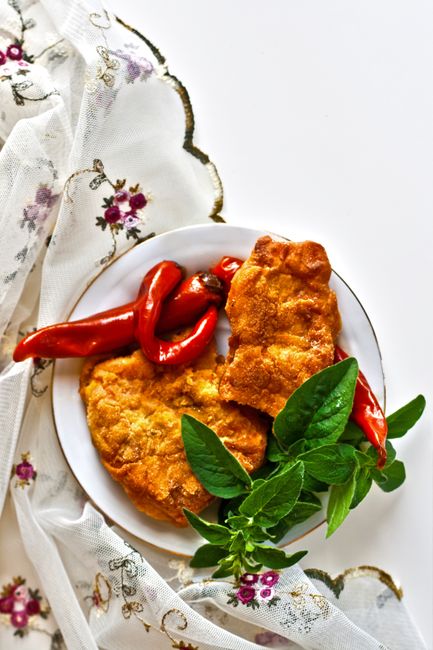
Copycat Wendy's Takis Fuego Crispy Chicken Sandwich Recipe
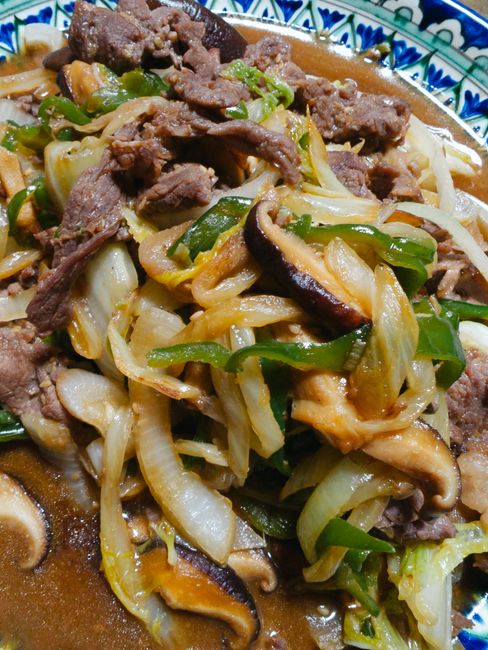
Napa Cabbage Stir-Fry Recipe

Mango Sticky Rice Recipe
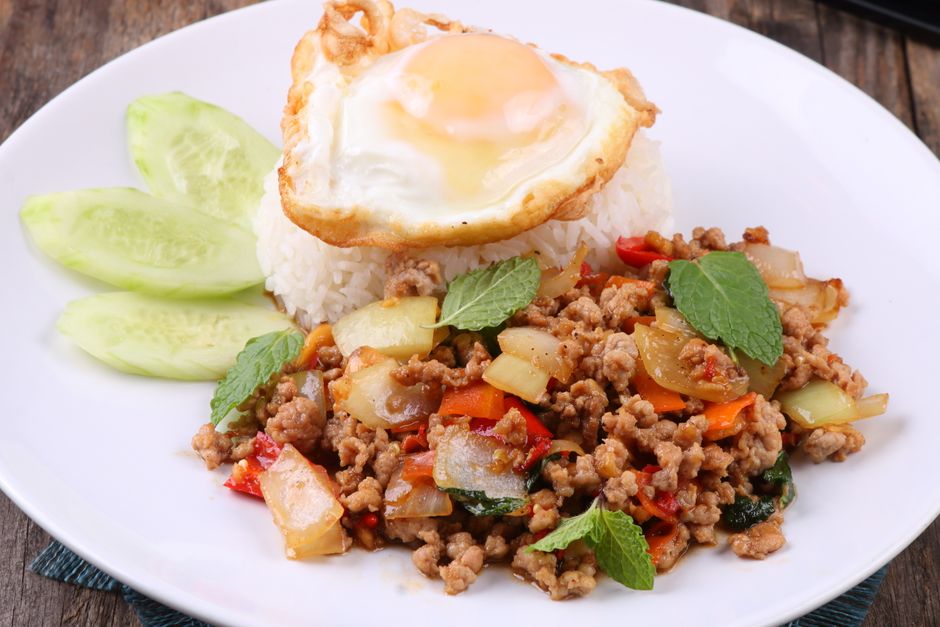
Ground Pork Stir-Fry Recipe

Chili Seasoning Recipe
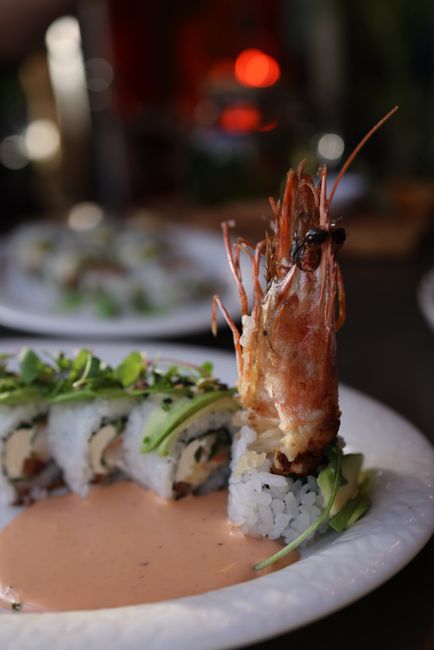
Shrimp Tempura Roll Recipe
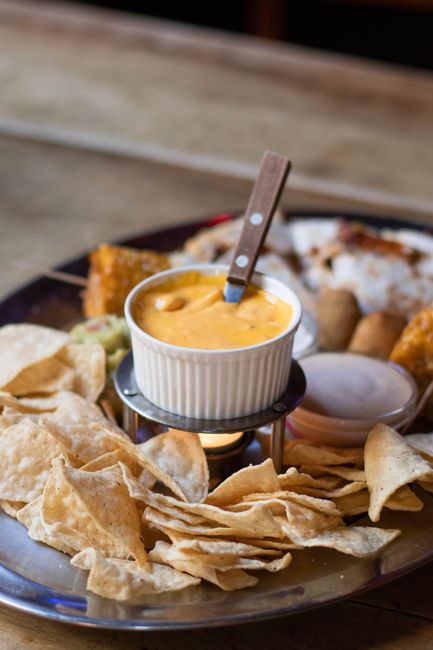
Pepper Jack Queso Dip Recipe
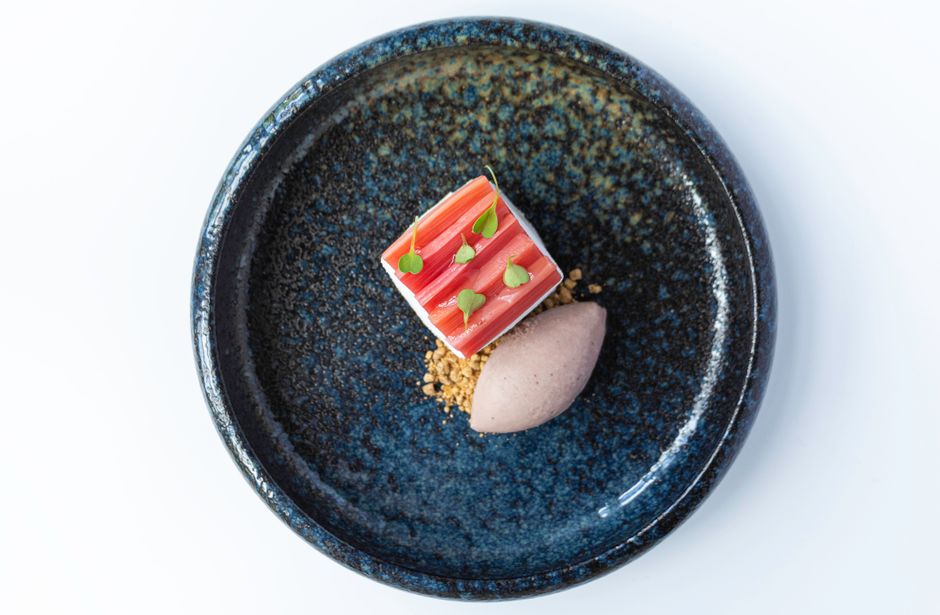
Rhubarb Crisp Recipe
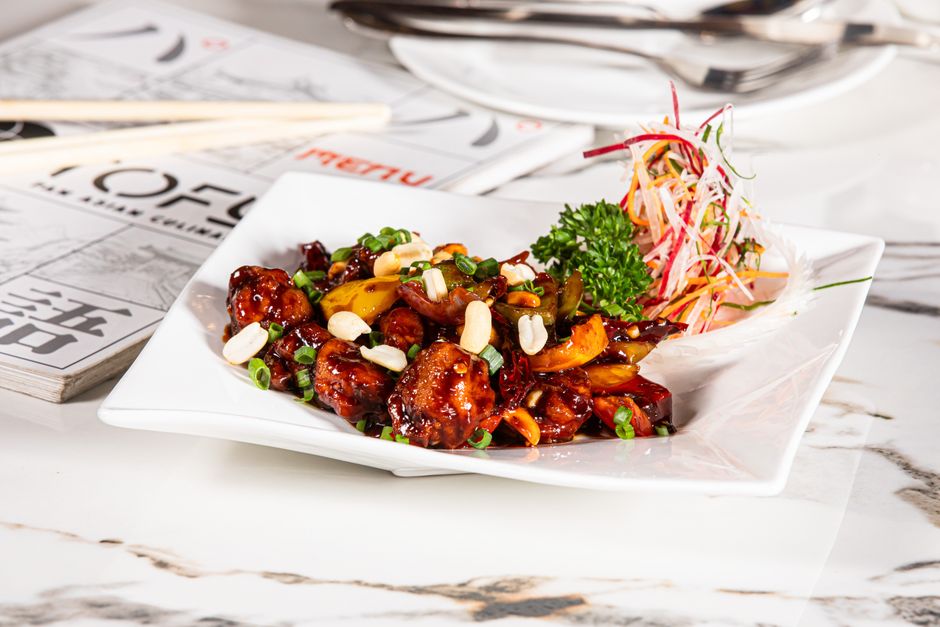
Kung Pao Chicken Recipe
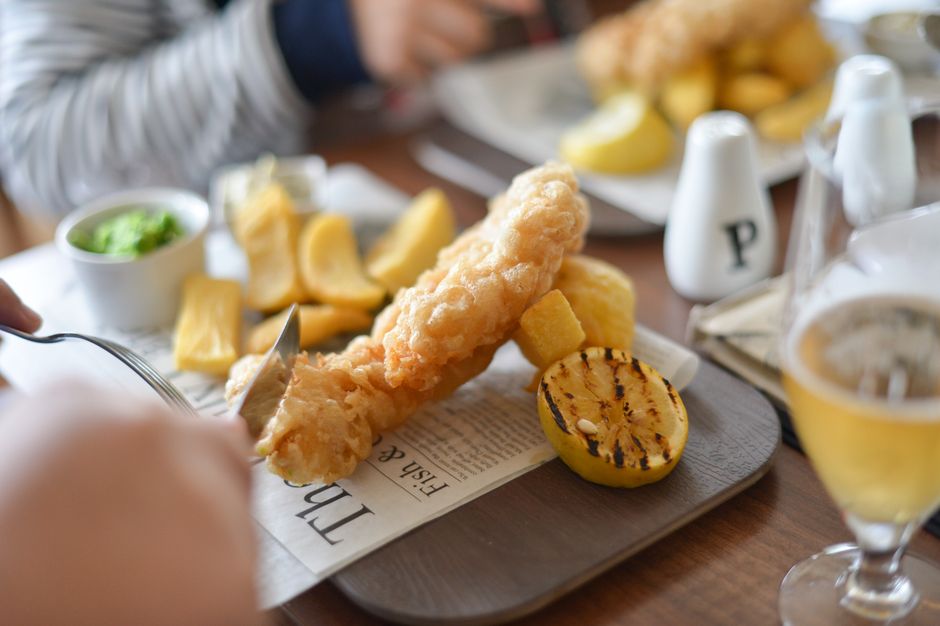
Fish and Chips Recipe
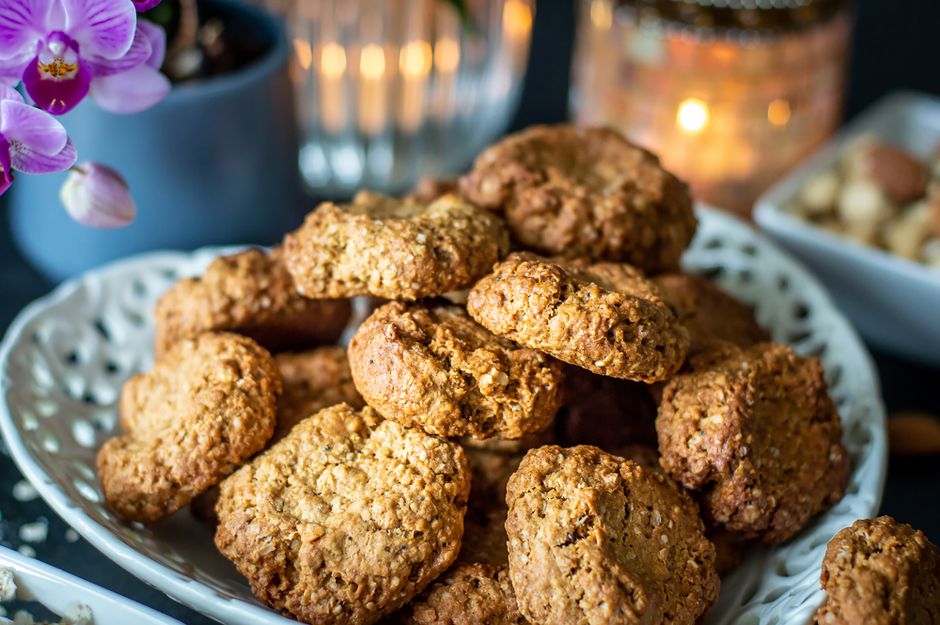
Copycat Little Debbie Soft Baked Oatmeal Cookies
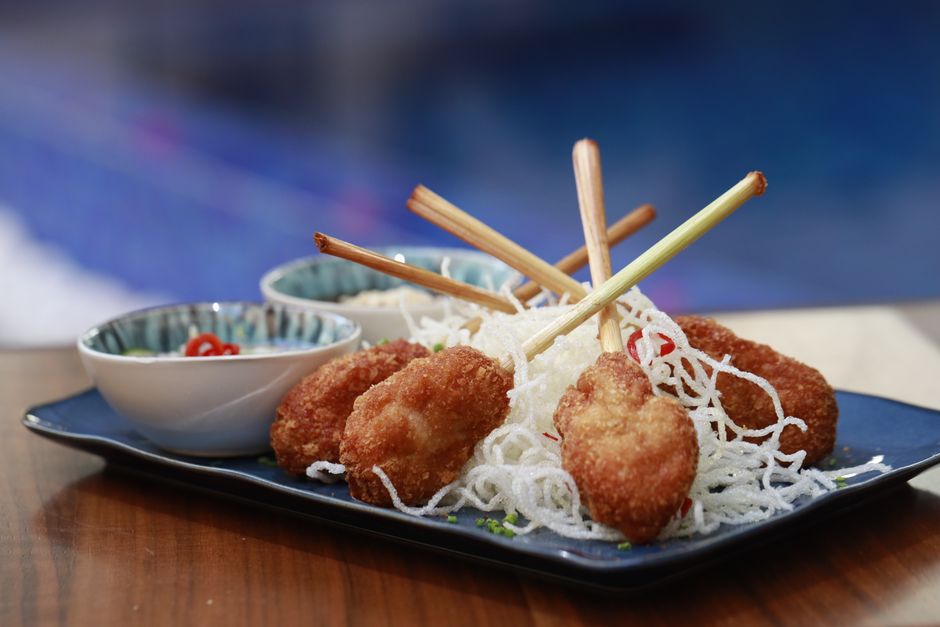
Vietnamese Sugarcane Shrimp (Chao Tom) Recipe
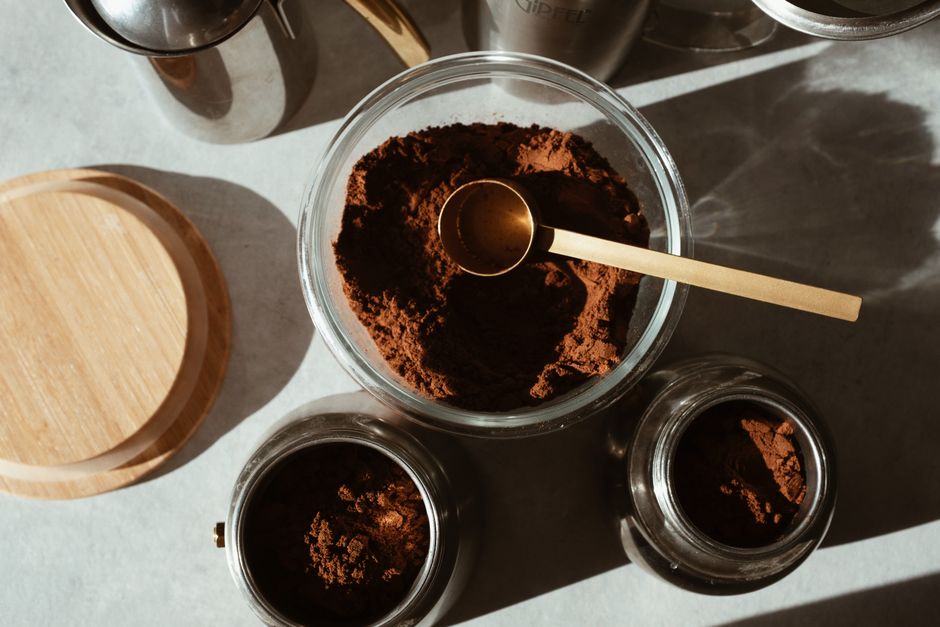
Homemade Chocolate Powder Recipe
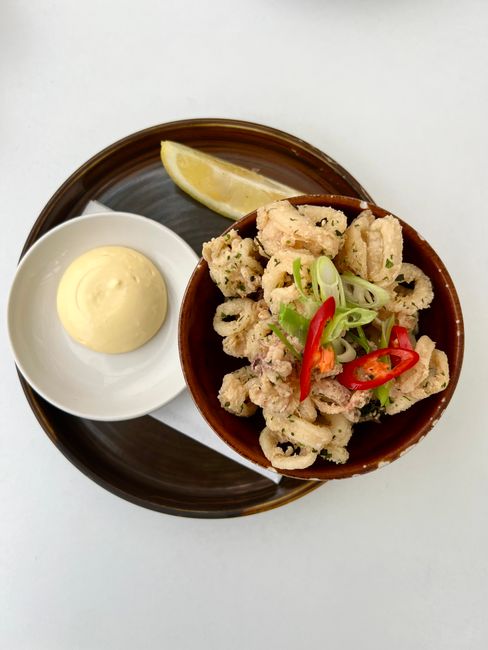
Salt and Pepper Squid Recipe
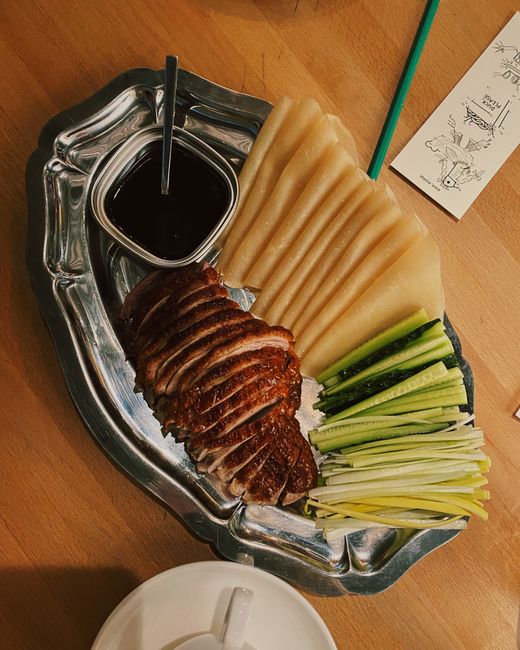
Moo Shu Chicken Recipe

Homemade Seasoned Salt (Copycat Lawry's Recipe)
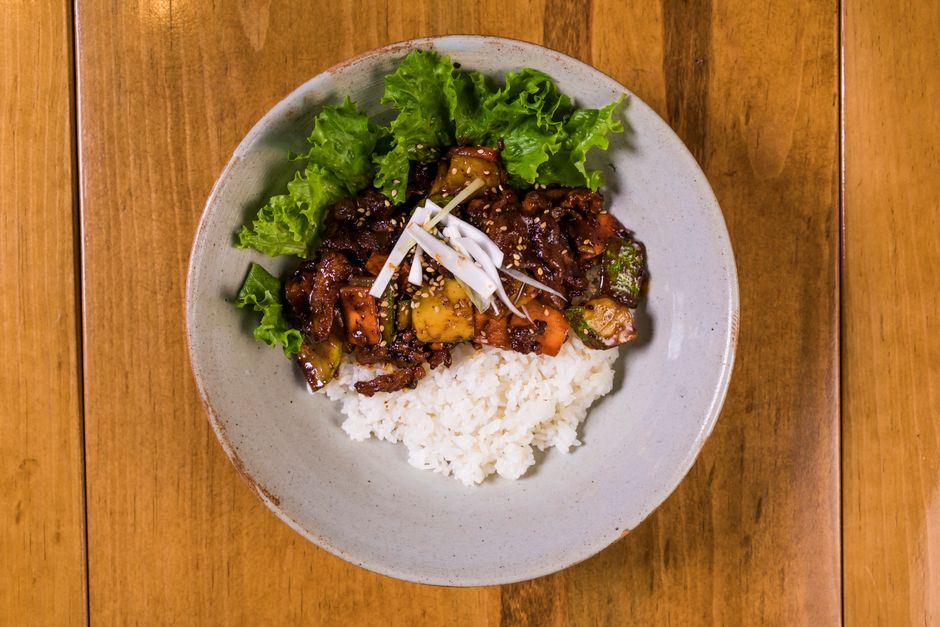
Korean BBQ Sauce Recipe
Gluten-Free Roasted Potatoes Recipe
Chicken 65 Recipe
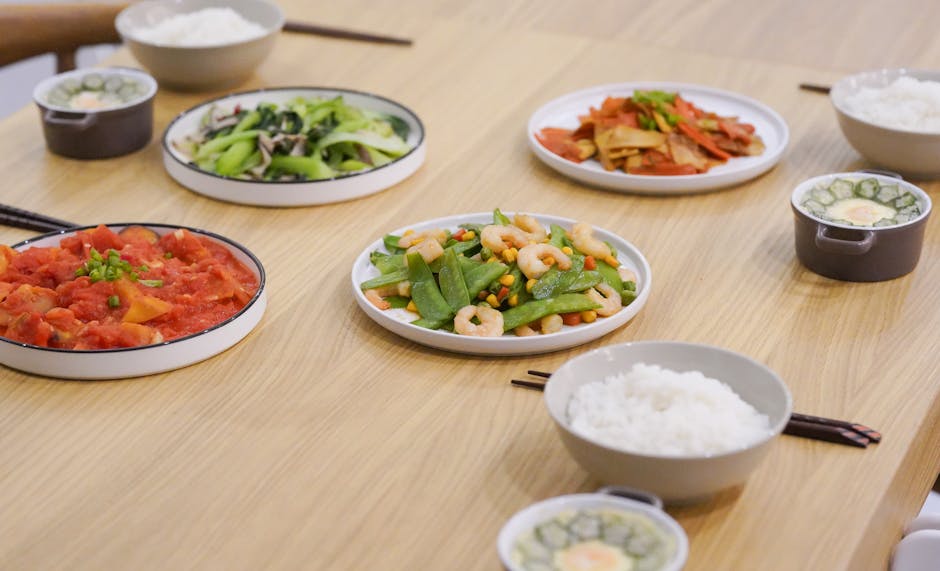
Garlic Butter Mantis Shrimp Recipe

Crock-Pot Pot Roast Recipe
KFC Famous Bowl Recipe
Roast Duck with Orange Sauce Recipe
Pu Pu Platter Recipe
Pancake Roll Wrappers Recipe
Egg Foo Young Recipe
Taco Meat Recipe
Fried Pickles Recipe
Marry Me Chicken Crock Pot Recipe
Homemade Little Debbie Boston Creme Pies Recipe
Tempura Batter Recipe (Light and Crispy)
Panda Express Super Greens Copycat Recipe
Oriental Noodles Recipe
Peach Pie Recipe
Fried Chicken Wings Recipe
Low-Sodium Soy Sauce Recipe
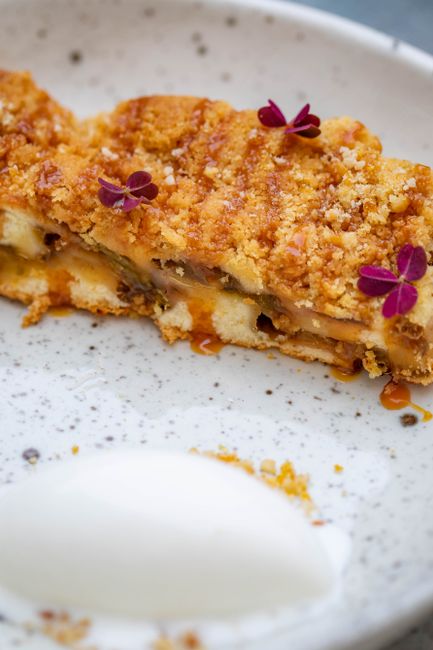
Apple Crisp Recipe with Oats
Beer Batter Recipe
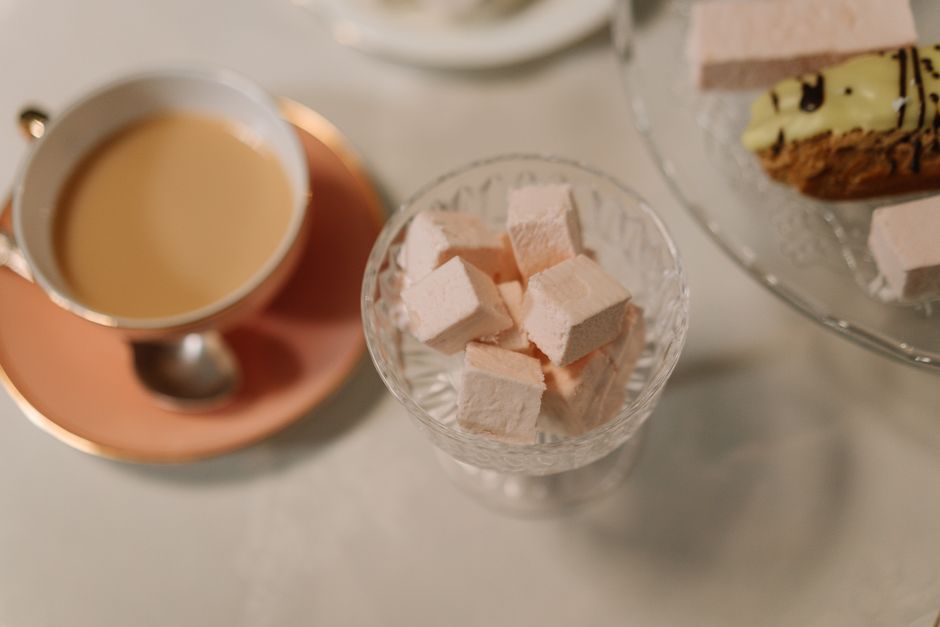
Homemade Gluten-Free Marshmallows Recipe
Instant Pot Beef Stew Recipe
Non-Dairy Ice Cream Recipe