Korean BBQ Sauce Recipe
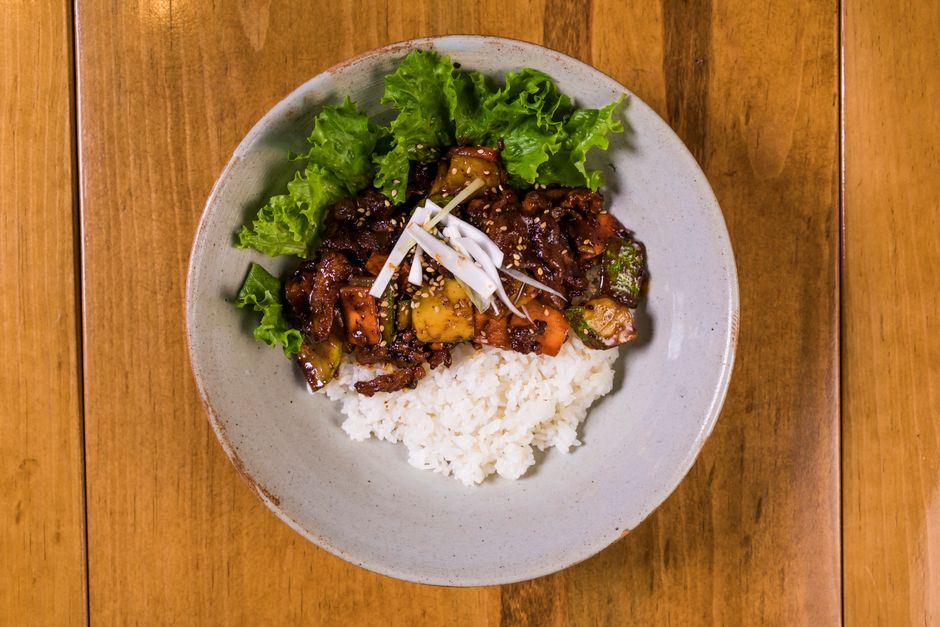
Gochujang brings deep fermented heat while brown sugar and honey balance it with sticky sweetness, and a short simmer thickens the sauce just enough to cling to meat instead of running off the moment it hits a hot grill.
- Prep
- 5 min
- Cook
- 10 min
- Total
- 15 min
- Servings
- 12
Ingredients
- 1/3 cup gochujang (Korean chili paste)
- 1/4 cup soy sauce
- 1/4 cup brown sugar, packed
- 2 tbsp honey
- 2 tbsp rice vinegar
- 1 tbsp toasted sesame oil
- 4 cloves garlic, minced
- 1 tbsp fresh ginger, grated
- 1/4 cup water
- 1 tsp cornstarch
- 1 tsp toasted sesame seeds
Nutrition per serving
- Calories
- 38
- Protein
- 0g
- Carbs
- 6g
- Fat
- 1g
Based on the recipe as written, one serving. Recalculates if you swap an ingredient above. An estimate only, exact values depend on the specific ingredients used.
Need different units or a different yield? Try our Conversion Calculator →
Instructions
- 1In a small saucepan, whisk together the gochujang, soy sauce, brown sugar, honey, rice vinegar, sesame oil, garlic, and ginger until smooth.
- 2Set the pan over medium heat and bring the mixture to a gentle simmer, whisking occasionally so the sugar doesn't scorch on the bottom.
- 3In a small separate bowl, stir the cornstarch into the water until fully dissolved, then whisk this slurry into the simmering sauce.
- 4Simmer for 3-4 minutes, whisking often, until the sauce thickens enough to coat the back of a spoon and holds a line when you drag a finger through it.
- 5Remove from heat and stir in the sesame seeds. Let the sauce cool for 10 minutes; it will continue to thicken slightly as it cools.
- 6Use immediately as a glaze, or transfer to a jar and refrigerate for later use.
Tips & variations
- For a milder sauce, cut the gochujang to 3 tablespoons and add 1 tablespoon of ketchup to keep the color and body.
- Brush the sauce onto meat only in the last 5-10 minutes of grilling; the sugar content means it burns quickly over direct high heat.
- For a nuttier, richer version, whisk in 1 tablespoon of gochujang's savory cousin, doenjang (fermented soybean paste), along with the other ingredients.
- Add a teaspoon of grated pear or apple for a touch of the natural sweetness traditional in Korean marinades.
Storage & reheating
Store the cooled sauce in an airtight jar in the refrigerator for up to 2 weeks. It will thicken further when cold; let it sit at room temperature for 10 minutes or warm it gently on the stove or in the microwave in 15-second bursts, stirring between each, before using as a glaze or dip.
Tips from the Tulo kitchen
- Whisk constantly once the cornstarch slurry goes in; it settles fast and can scorch on the bottom of the pan if left unstirred for even a minute.
- A splash of pineapple juice in place of some of the water adds natural sweetness and helps tenderize meat if using the sauce as a marinade base.
FAQ
What can I use instead of gochujang?
A mix of 2 tablespoons red pepper flakes, 1 tablespoon miso paste, and 1 teaspoon sugar approximates the flavor, though the texture will be slightly thinner and less sticky than real gochujang.
Is Korean BBQ sauce spicy?
As written it's medium-hot from the gochujang; reduce the amount to 2-3 tablespoons for a milder, sweeter sauce, or add extra gochujang or a pinch of gochugaru for more heat.
Can this sauce be used as a marinade, not just a glaze?
Yes. Thin it with 2-3 tablespoons of water or pineapple juice and marinate beef, chicken, or pork for at least 30 minutes and up to 8 hours before grilling.
Why did my sauce turn out thin?
The cornstarch slurry needs a full 3-4 minutes at a simmer to activate and thicken; pulling the sauce off the heat too soon or not whisking the slurry in fully are the usual causes.