Olive Oil

Olive oil is the fat pressed from olives, ranging from deep green and peppery (extra virgin) to pale gold and neutral (refined). It's used both as a raw finishing oil, where its fruitiness and bitterness matter, and as a cooking fat for sauteing, roasting, and baking.
Varieties
Extra virgin olive oil comes from the first cold pressing with no heat or chemicals, giving it the most flavor, aroma, and lowest acidity, but also the lowest smoke point. Virgin olive oil is a notch below in flavor and slightly higher in acidity. Refined, 'light,' or 'pure' olive oil is chemically processed to remove flavor and impurities, then often blended back with a little virgin oil, resulting in a neutral taste and a higher smoke point suited to frying.
Buying tips
Check for a harvest date rather than just a 'best by' date; oil pressed within the last year tastes noticeably fresher. Buy oil in dark glass or tin to protect it from light, and look for 'extra virgin' and a country or estate of origin on the label rather than vague blends. A cloudy or unfiltered oil isn't a defect, it just means more sediment and a shorter shelf life.
Substitutes
Avocado oil — 1:1
Neutral flavor with a high smoke point (around 500°F), works well for high-heat searing where olive oil's flavor isn't needed.
Vegetable or canola oil — 1:1
Neutral and inexpensive; a fine swap for baking or high-heat cooking, but leaves out olive oil's flavor entirely.
Melted butter — 1:1
Adds richness and browning that oil can't, good in baked goods and sautes, but not suited for dressings or dishes served cold.
Refined (light) olive oil — 1:1
Same fruit, much milder flavor and a higher smoke point; use in place of extra virgin for high-heat cooking.
Grapeseed oil — 1:1
Very neutral and light, a good stand-in in vinaigrettes and marinades where a subtle background flavor is wanted.
Melted coconut oil — 1:1
Adds a mild coconut flavor and solidifies when chilled, so best in baking or sauteing rather than dressings.
Storage
Keep olive oil in a cool, dark place away from the stove and direct sunlight, ideally in a dark glass or tin container. Heat and light both speed up rancidity. Once opened, use within two to three months for best flavor; it won't spoil dangerously after that but will taste flat or waxy.
How to use
Extra virgin olive oil shines uncooked: drizzled over finished soups, salads, hummus, and crusty bread, or whisked into vinaigrettes. Refined or light olive oil handles higher-heat sauteing, roasting, and pan-frying better since its milder flavor and higher smoke point (around 465°F versus 375-410°F for extra virgin) hold up without burning or turning bitter.
What it pairs with
Extra virgin olive oil pairs naturally with tomatoes, garlic, basil, lemon, flaky sea salt, and crusty bread. It also works well finishing grilled vegetables, white beans, and grilled fish, and balances the acidity of balsamic or red wine vinegar in dressings.
Nutrition
Olive oil is almost entirely fat, mostly monounsaturated, and a source of vitamin E and polyphenol antioxidants, most concentrated in high-quality extra virgin oils. It's calorie-dense at about 120 calories per tablespoon.
FAQ
Can you cook with extra virgin olive oil at high heat?
You can saute and roast with it at moderate temperatures, but above about 400°F it starts to smoke and the delicate flavor compounds break down. For high-heat searing or deep frying, refined olive oil or a neutral oil holds up better.
What's the difference between light olive oil and extra virgin?
'Light' refers to flavor and color, not calories or fat content, both have the same calories per tablespoon. Light olive oil is refined and filtered to taste mild and neutral, while extra virgin keeps its fruity, peppery flavor.
Does olive oil go bad?
It doesn't spoil in a way that makes it unsafe, but it oxidizes over time and with exposure to light and heat, turning rancid and tasting like crayons or old nuts. Rancid oil should be discarded rather than cooked with, since the flavor won't improve with heat.
Have olive oil on hand? Find recipes with our Recipe Generator →
Recipes using olive oil
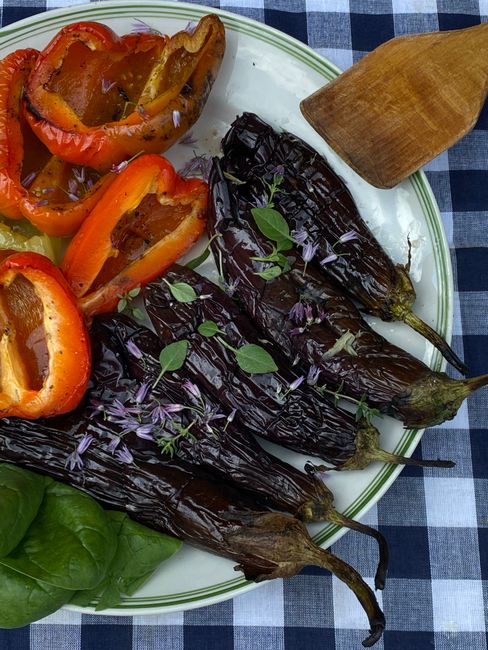
Roasted Eggplant with Garlic and Herbs Recipe
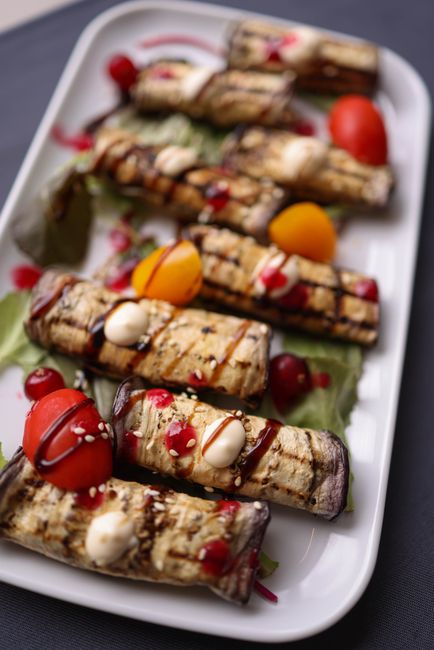
Grilled Eggplant Slices Recipe
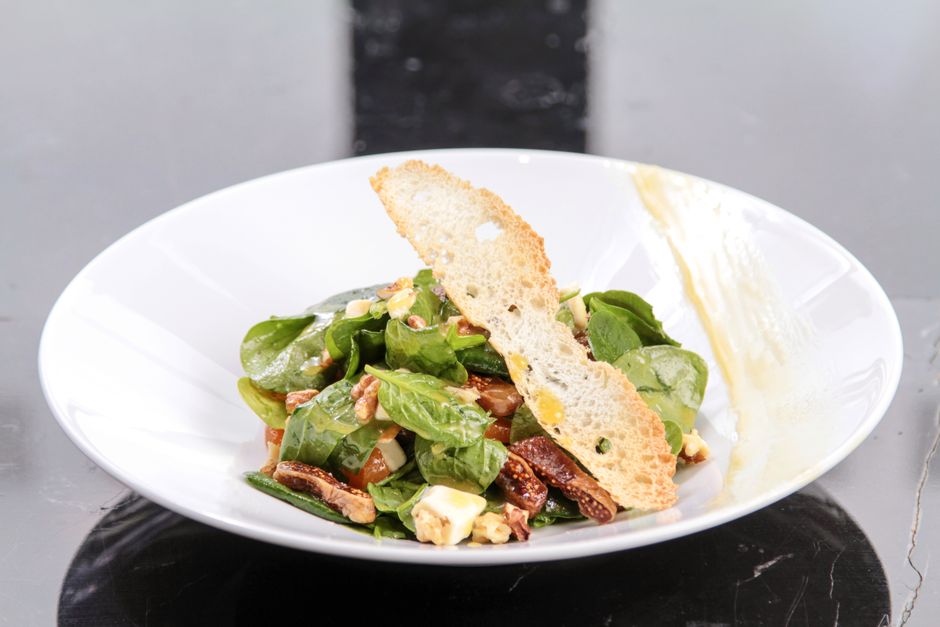
Fig and Goat Cheese Salad Recipe

Roasted Radishes with Butter Recipe
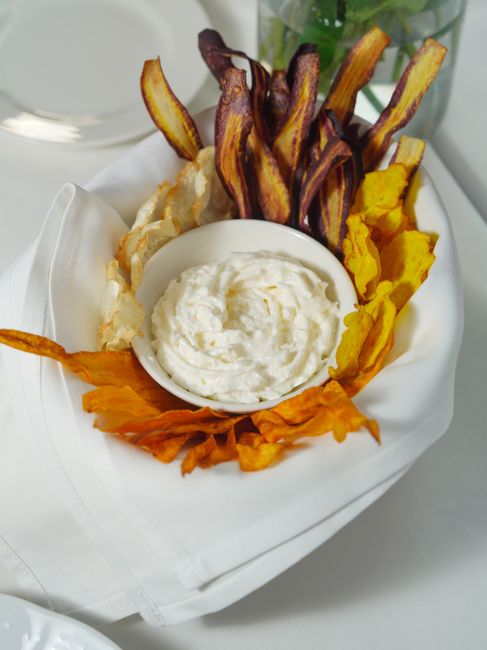
French Onion Dip
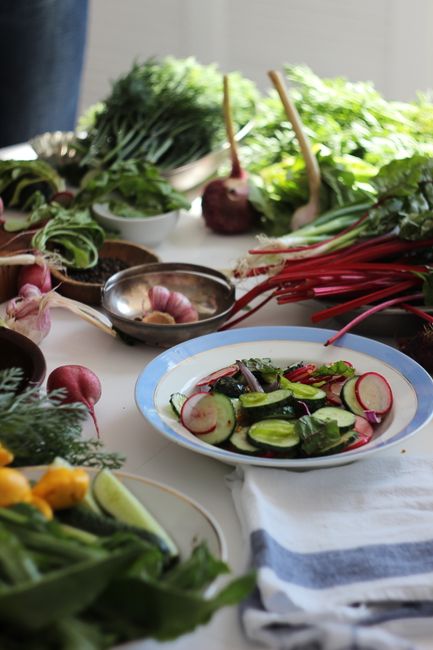
Sautéed Radish Greens Recipe

Hearty Winter Vegetable and White Bean Soup Recipe
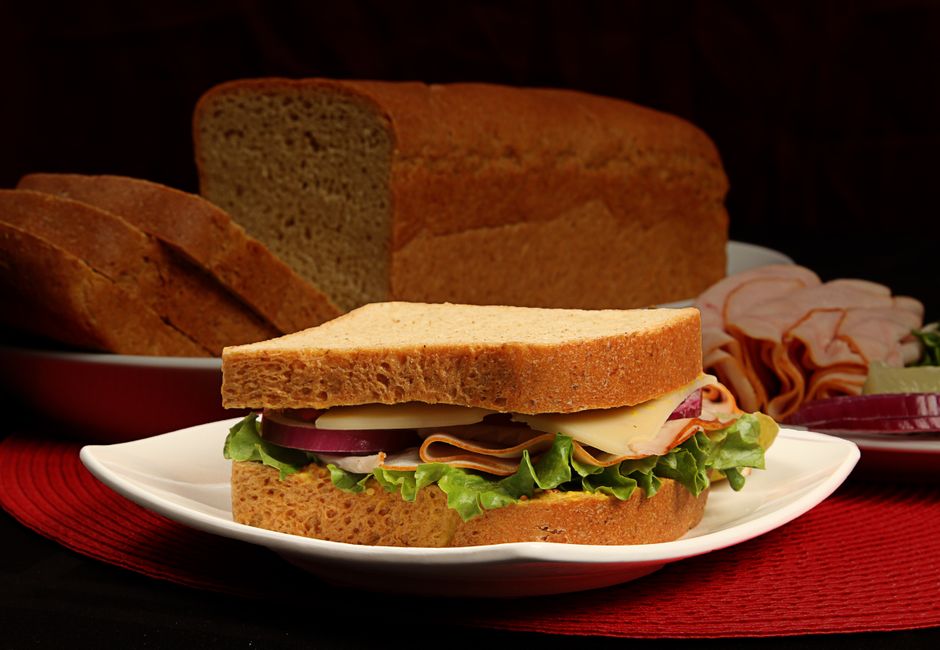
Gluten Free Bread Recipe

Roasted Turnips Recipe
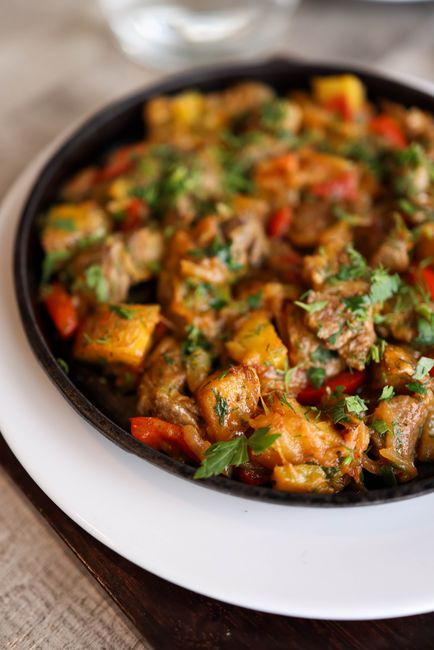
Ground Chicken Skillet with Garlic and Herbs Recipe

Peri Peri Chicken Recipe
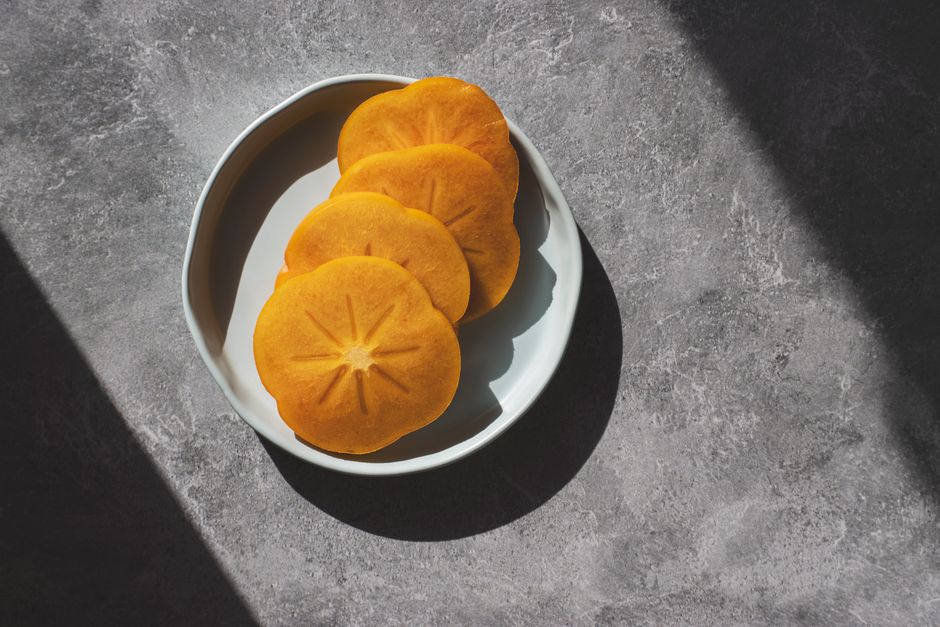
Sliced Fuyu Persimmon Salad Recipe

Carne Asada Tacos Recipe
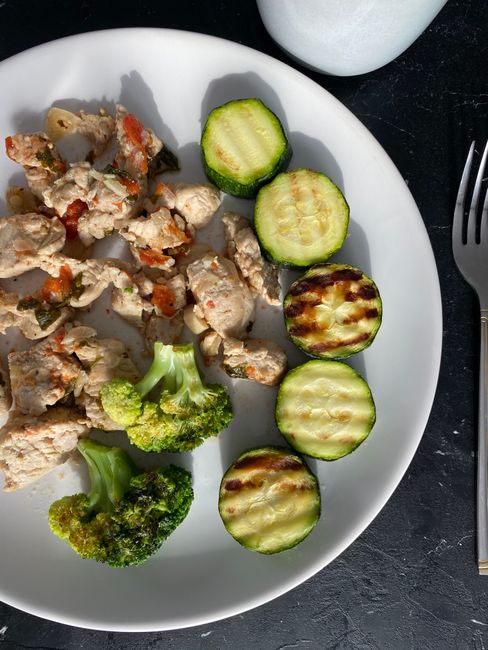
One-Pan Garlic Butter Chicken Dinner for One Recipe

Vegan Meal Prep Bowls Recipe
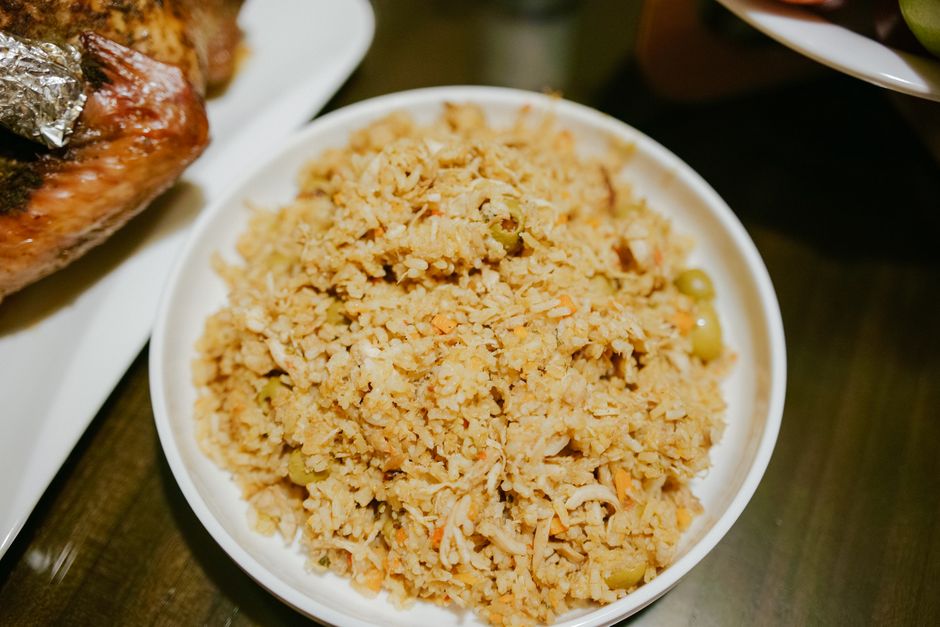
Cuban Picadillo Recipe

Roasted Purple Sweet Potatoes Recipe
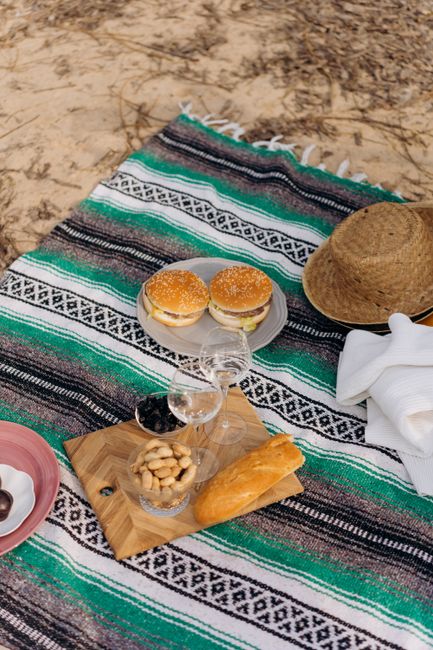
Picnic Board for Two Recipe

Black Bean Soup Recipe
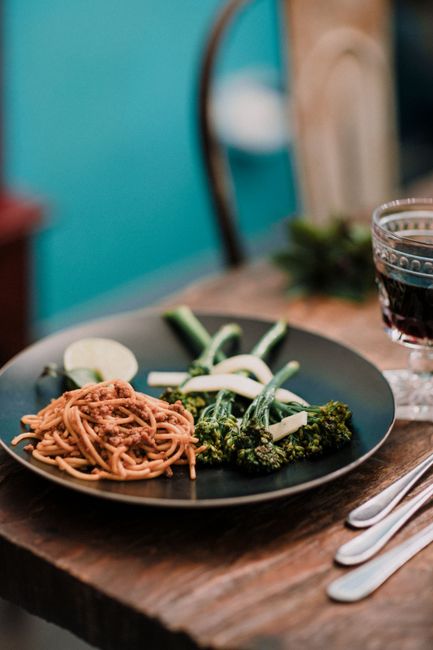
Broccolini Recipe
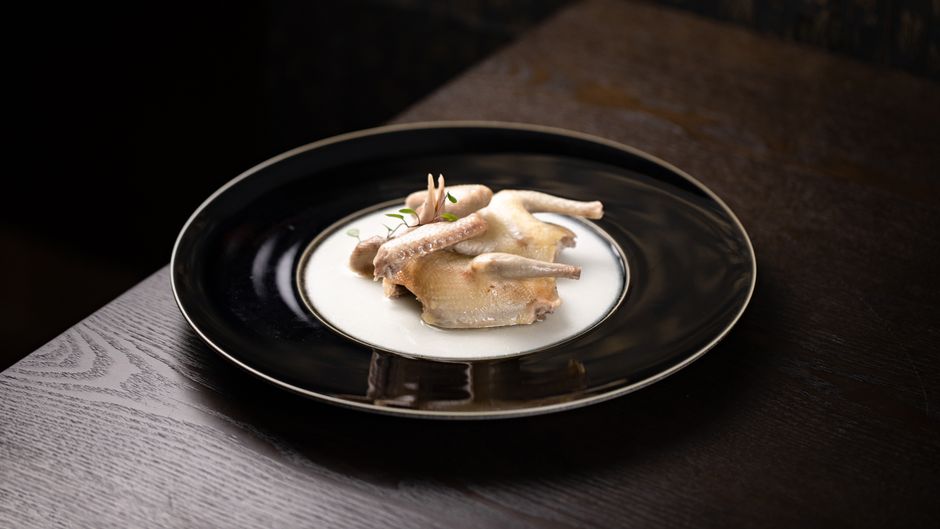
Roasted Cornish Hens Recipe

Red Wine Braised Short Ribs Recipe
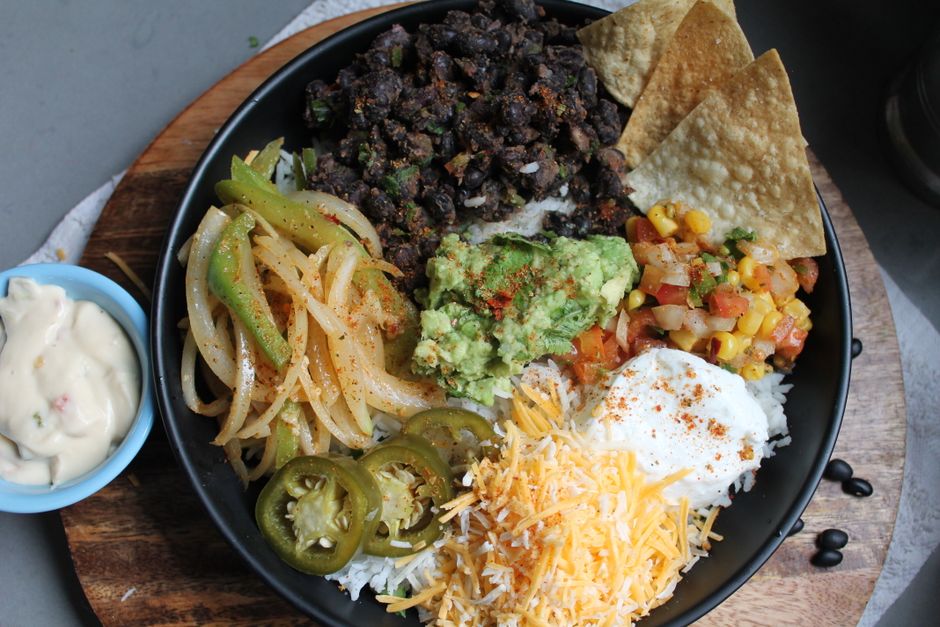
Healthy Fast Food Style Grilled Chicken Bowl Recipe
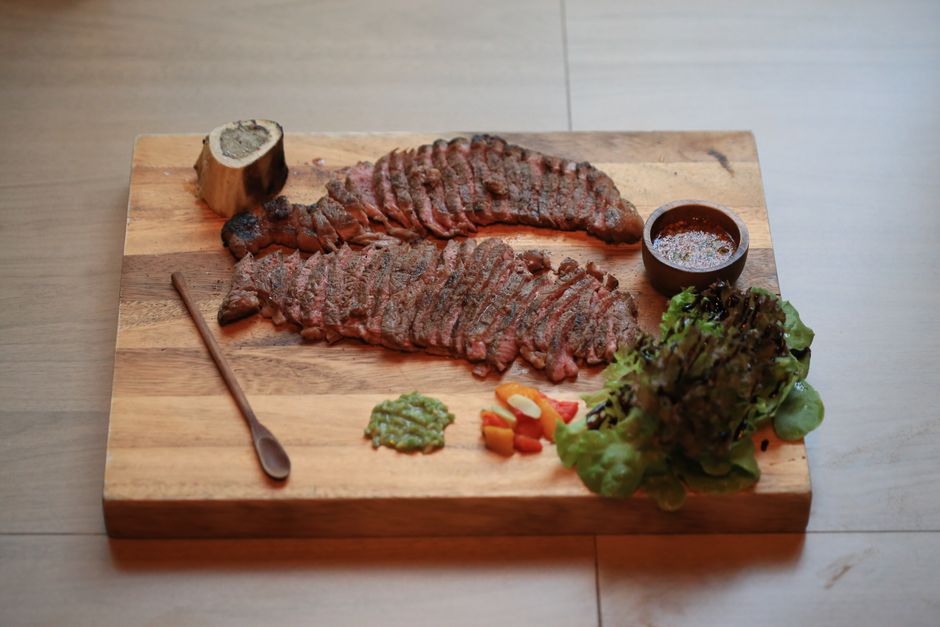
Skirt Steak Marinade Recipe
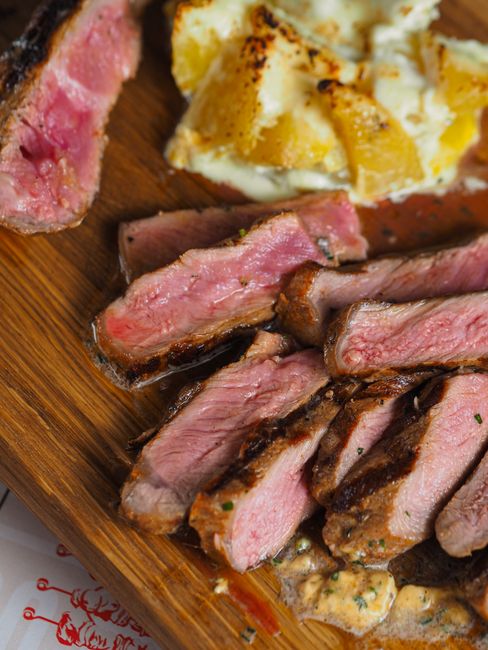
Grilled Skirt Steak Recipe
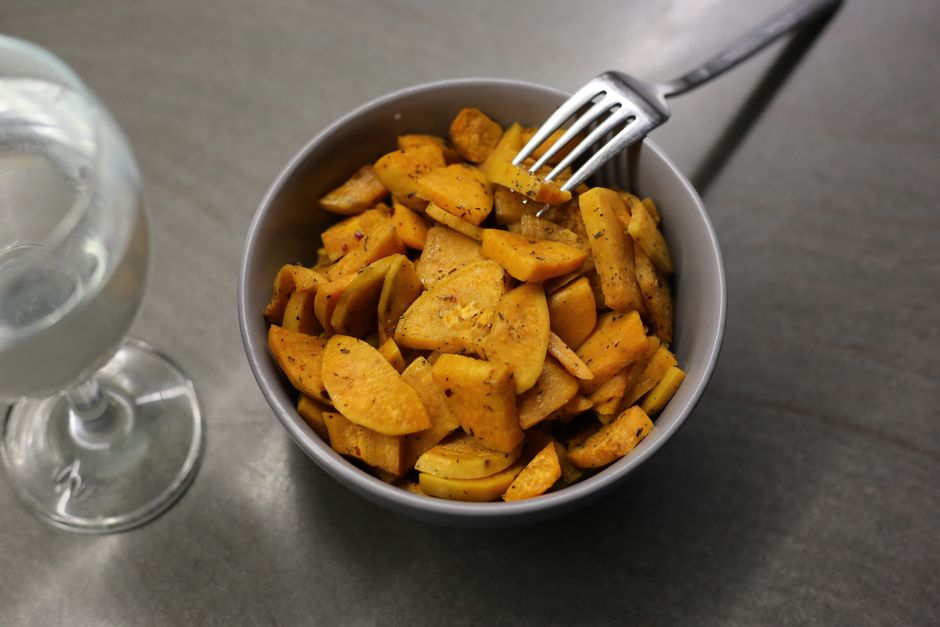
Roasted White Sweet Potatoes Recipe
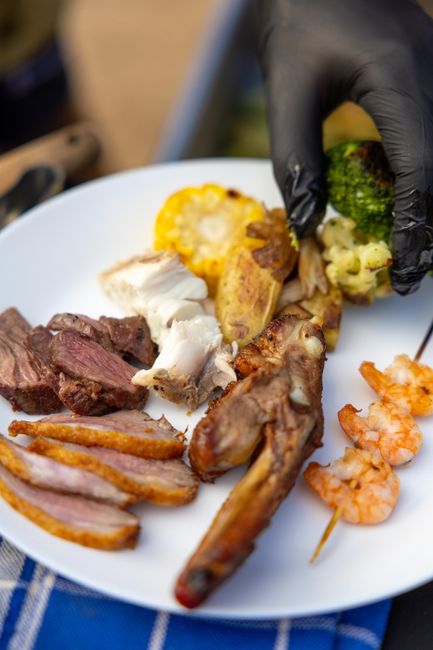
Steak and Shrimp Griddle Skewers
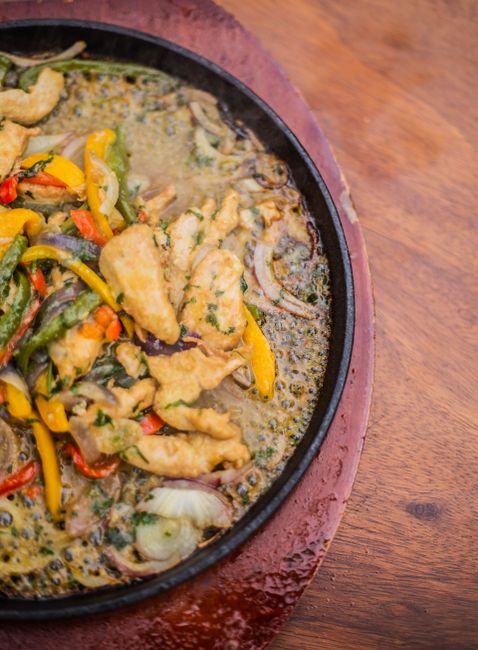
Chicken Livers and Onions Recipe

Navy Bean Soup Recipe
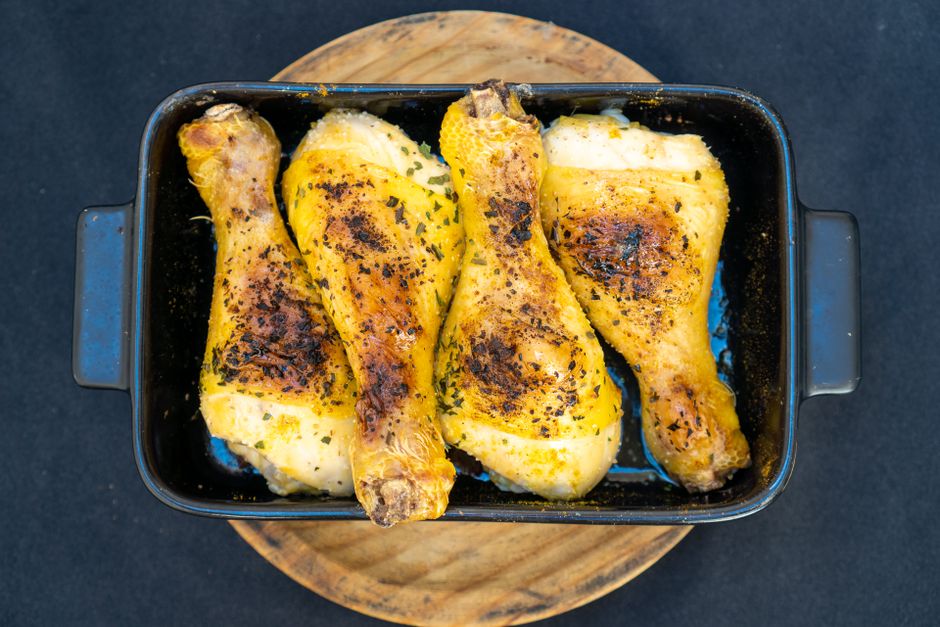
Crispy Baked Chicken Legs Recipe
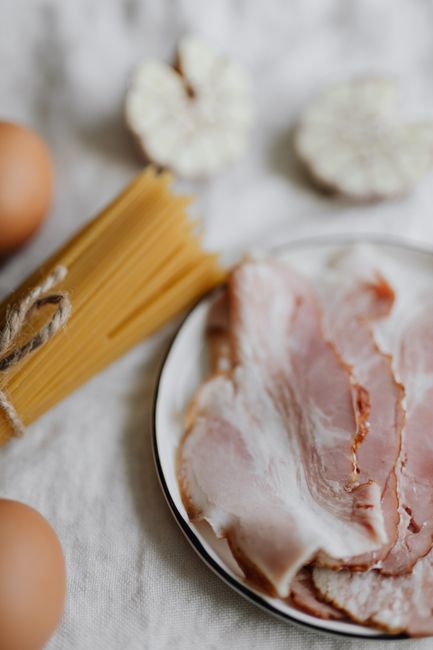
Dirty Spaghetti Recipe

Crispy Gluten-Free Roasted Potatoes Recipe
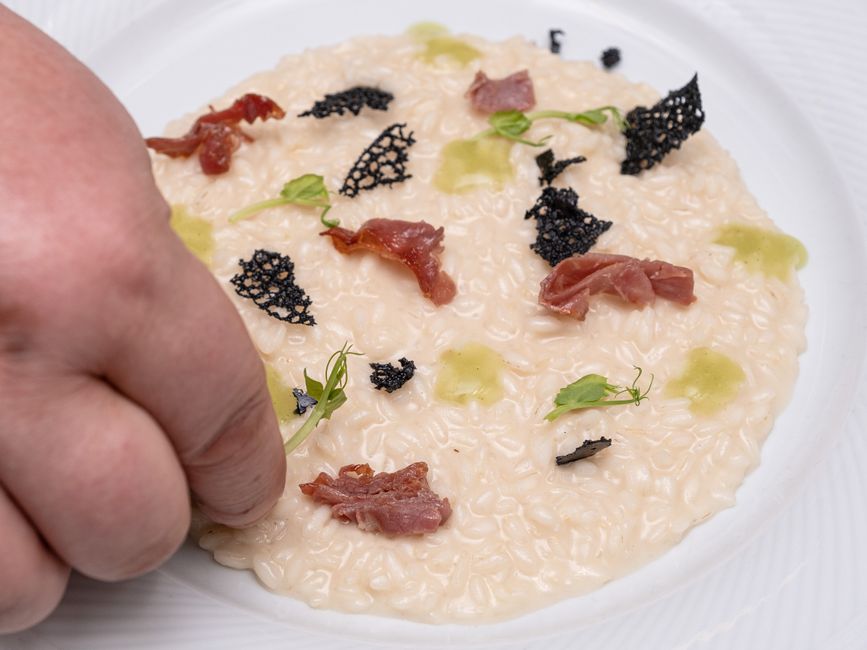
Grana Padano Risotto Recipe
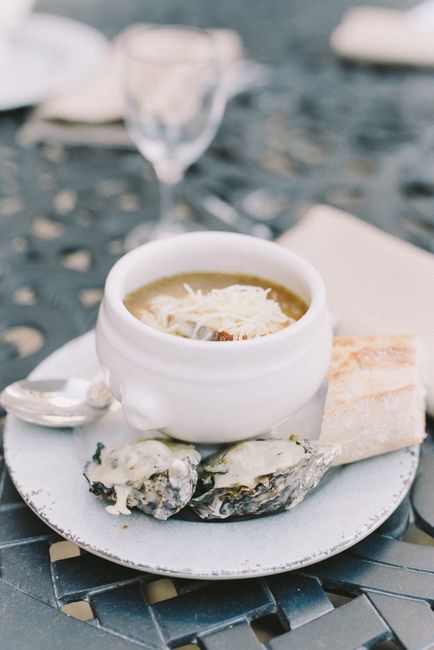
French Onion Soup Recipe

Ratatouille Recipe
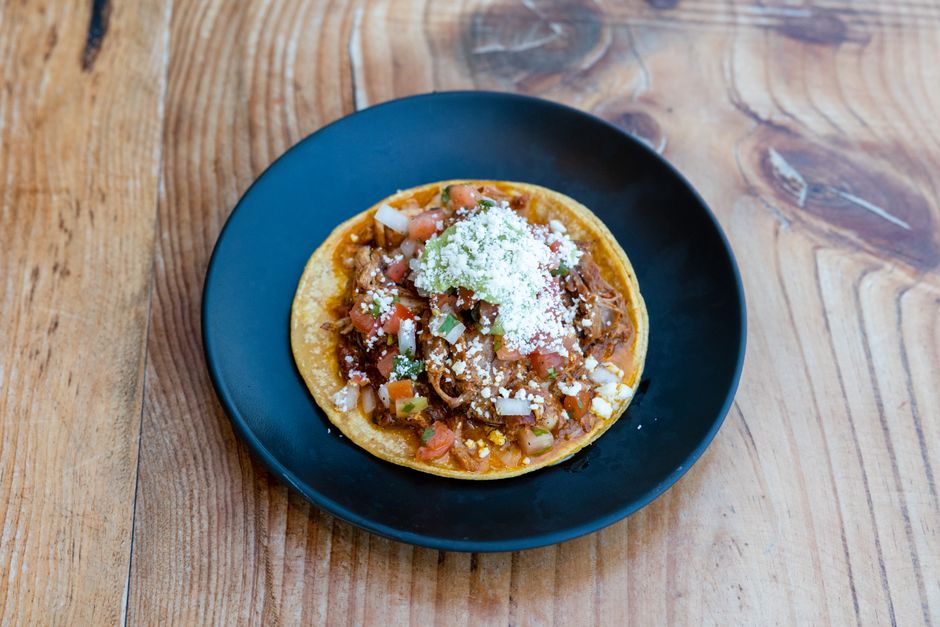
Tinga de Pollo Recipe

Sous Vide Chicken Breast Recipe

Roast Chicken Recipe
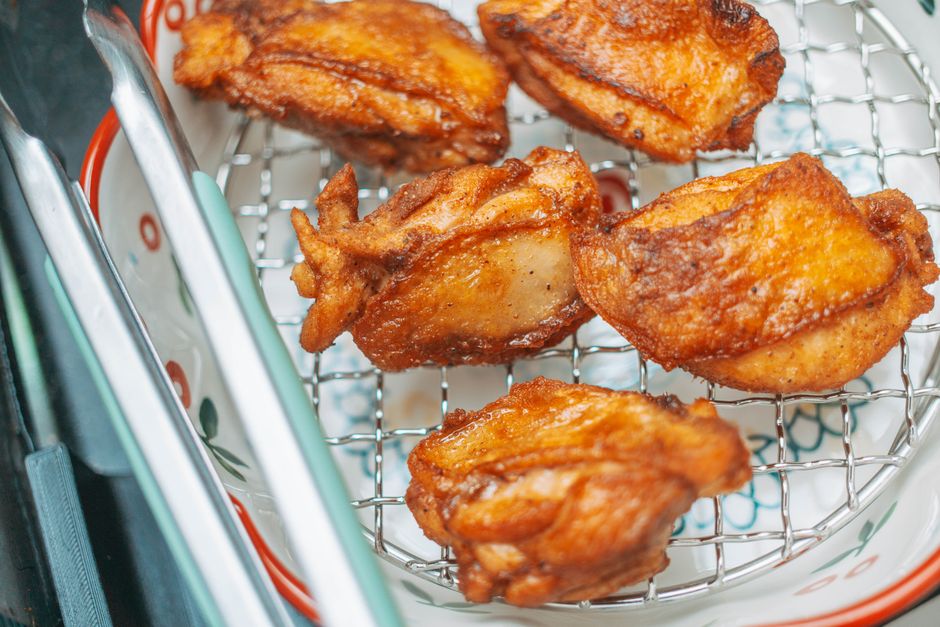
Crispy Baked Chicken Thighs Recipe
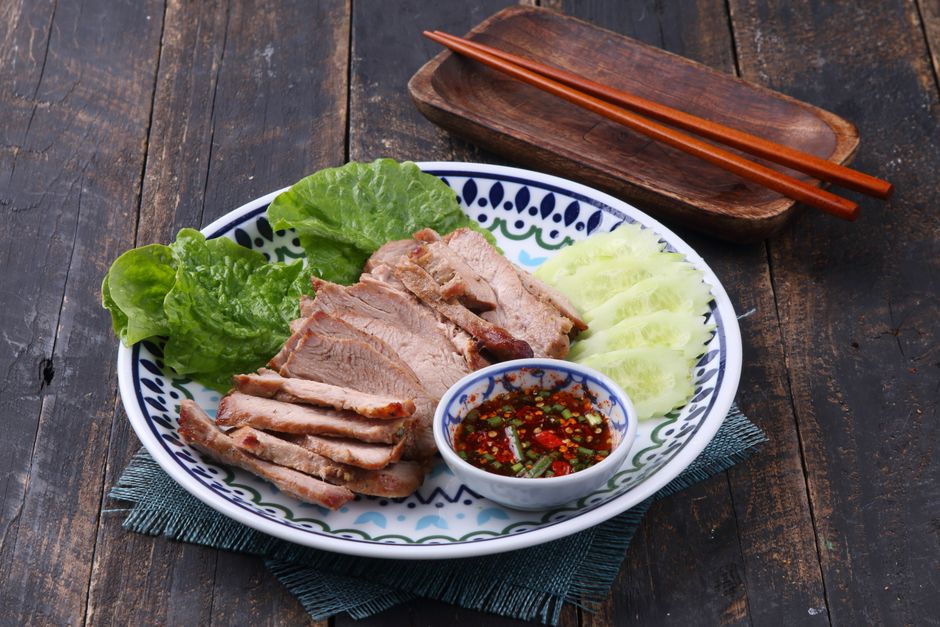
Roasted Pork Tenderloin Recipe
Grilled Flank Steak Recipe
Lemon Pepper Chicken Recipe
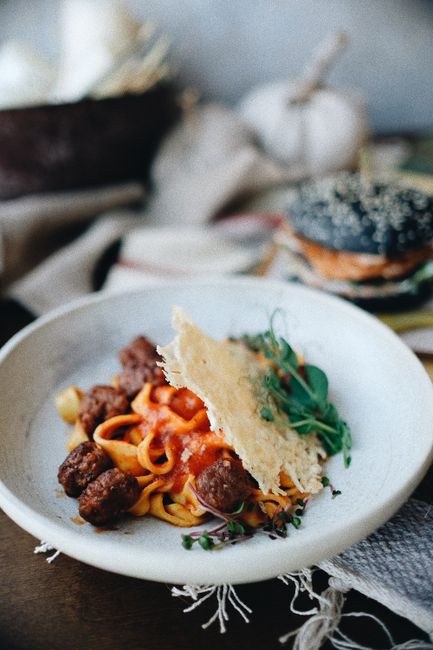
Olive Garden Copycat Never-Ending Pasta Bowl Recipe

Roasted Beet Salad with Goat Cheese Recipe
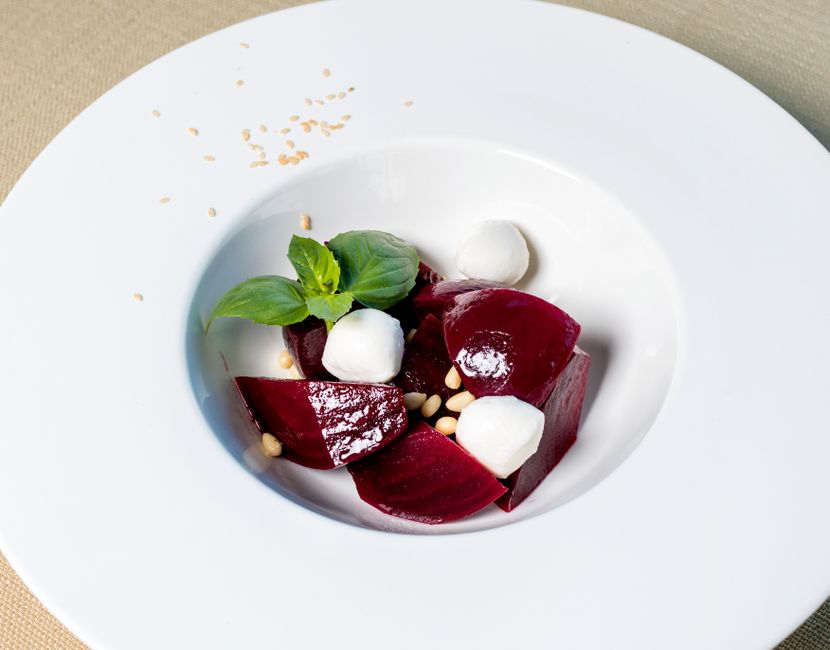
Shaved Raw Beet Salad Recipe
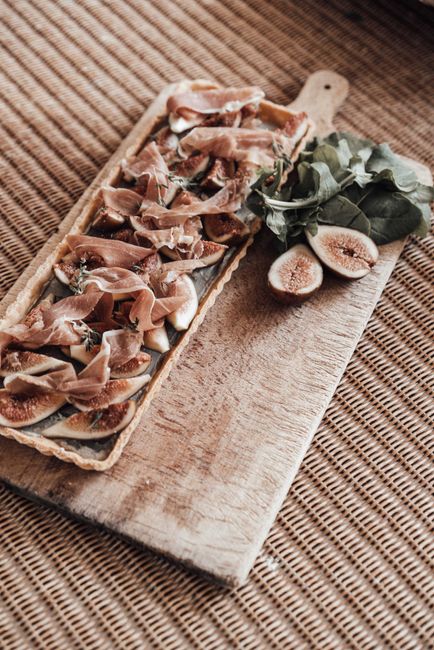
Fig and Prosciutto Flatbread Recipe
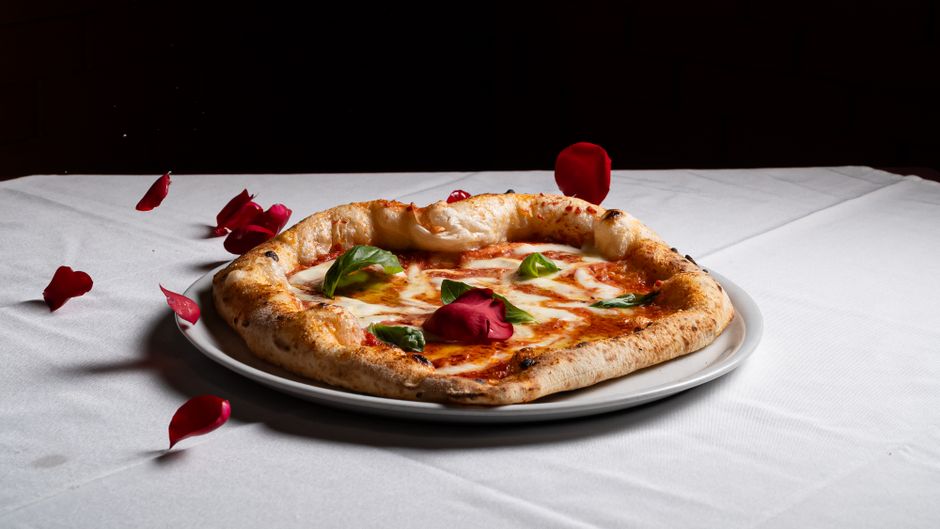
Classic Margherita Pizza Recipe

Creamy Mushroom Risotto Recipe
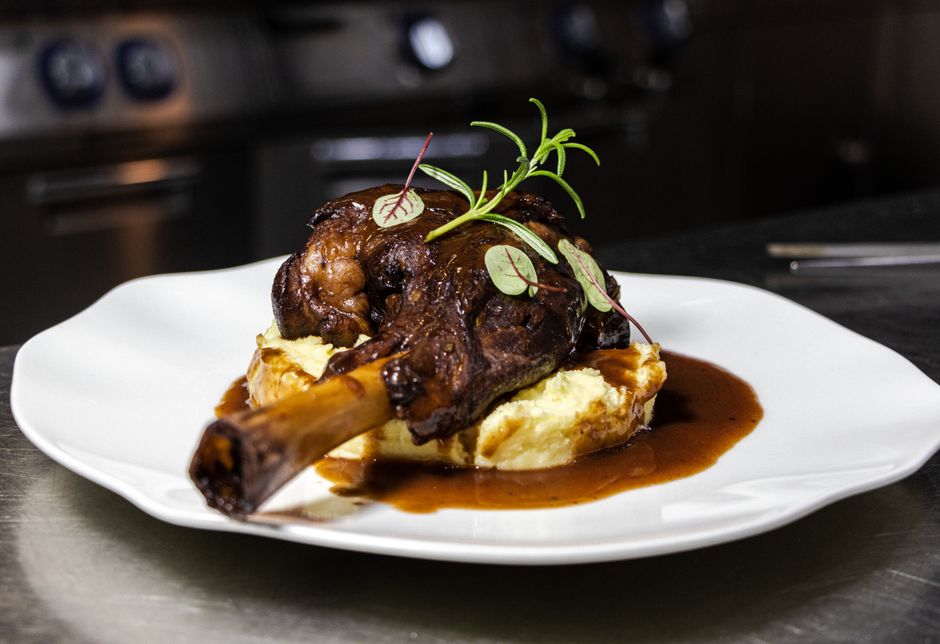
Cordero Asado (Spanish Roast Lamb) Recipe
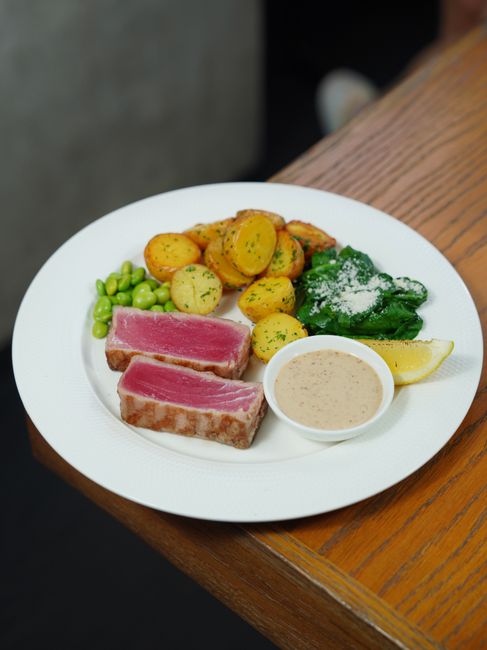
Eye of Round Steak Recipe
Roast Whole Chicken Recipe
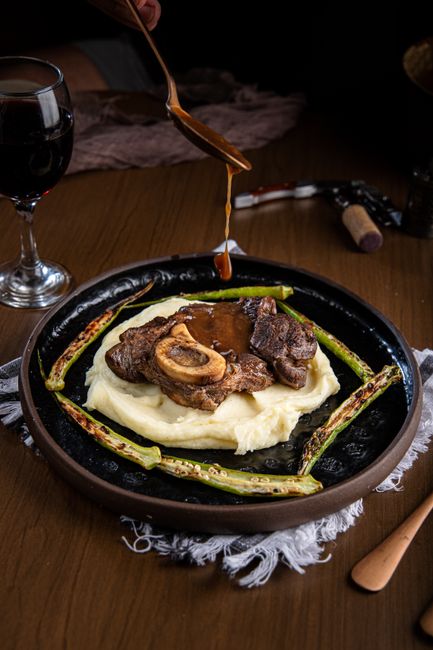
Braised Beef Shank Recipe

Air Fryer Salmon with Asparagus Recipe

Carne Asada Marinade Recipe
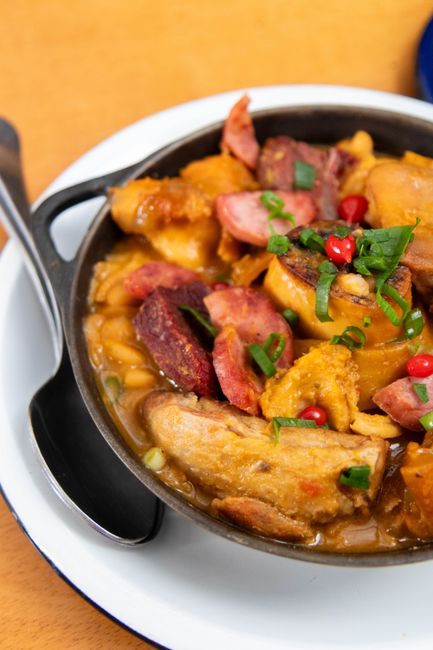
Seasoned Canned Black Beans Recipe
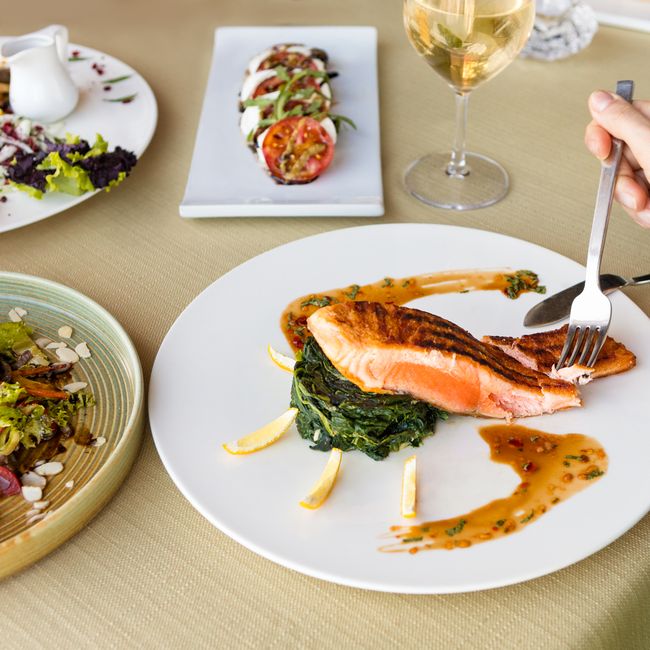
Baked Salmon Recipe (with Internal Temp Guide)
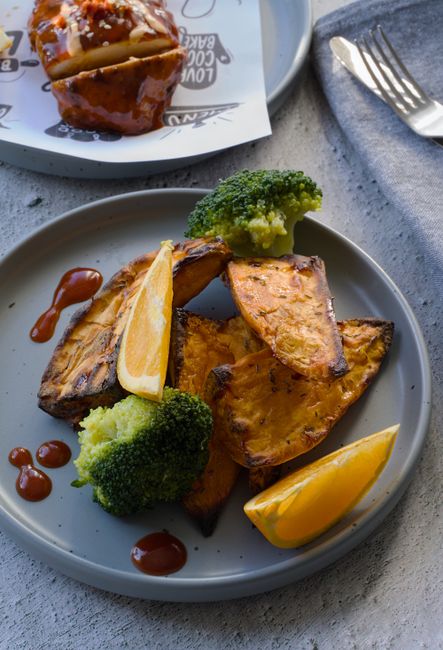
Paleo Meal Prep Bowls Recipe

Pan-Seared Rainbow Trout with Asparagus Recipe
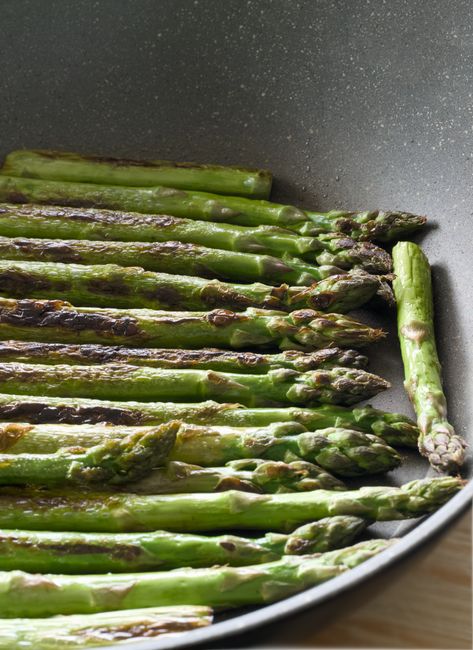
Roasted Asparagus in the Oven Recipe

Slow-Roasted Pork Shoulder Recipe
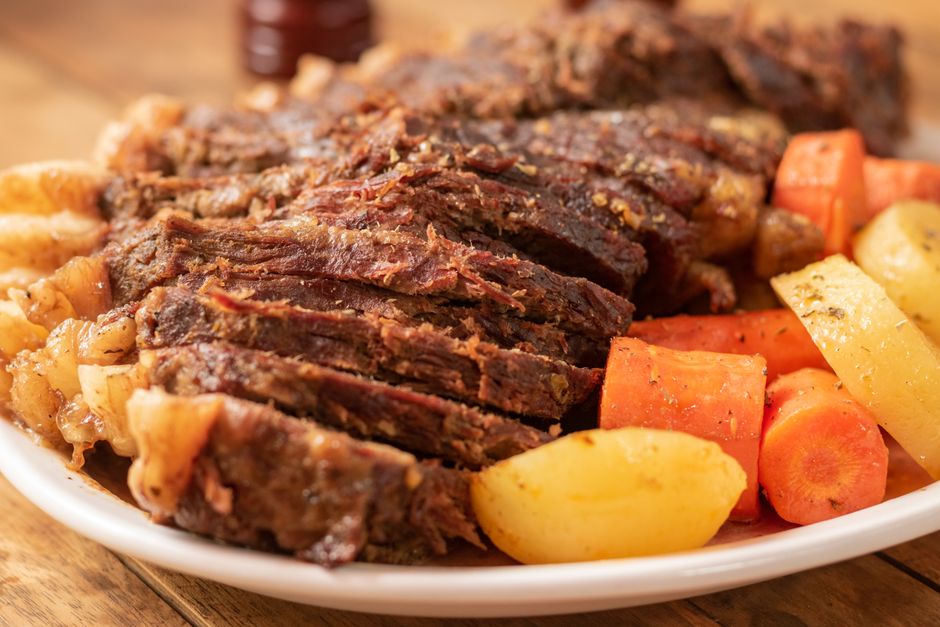
Classic Sunday Pot Roast Recipe
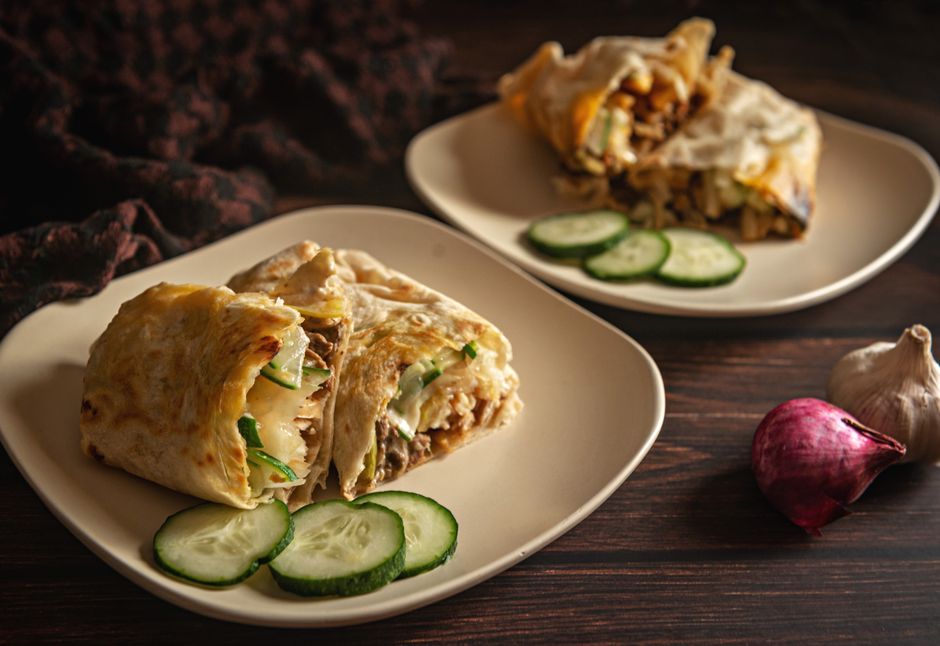
Easy Chicken Shawarma Recipe

Roasted Fennel with Fennel Seed and Parmesan
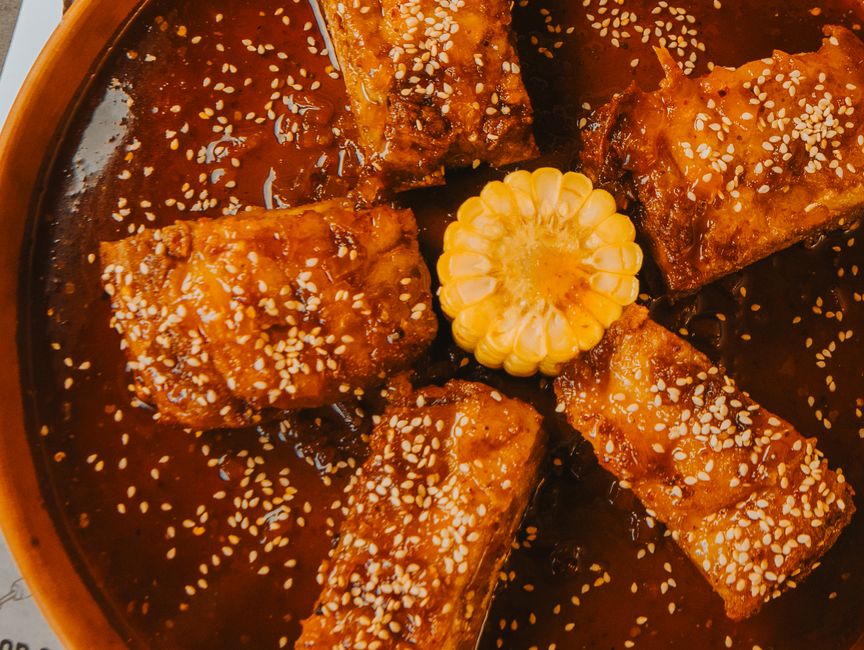
Country Style Pork Ribs Recipe
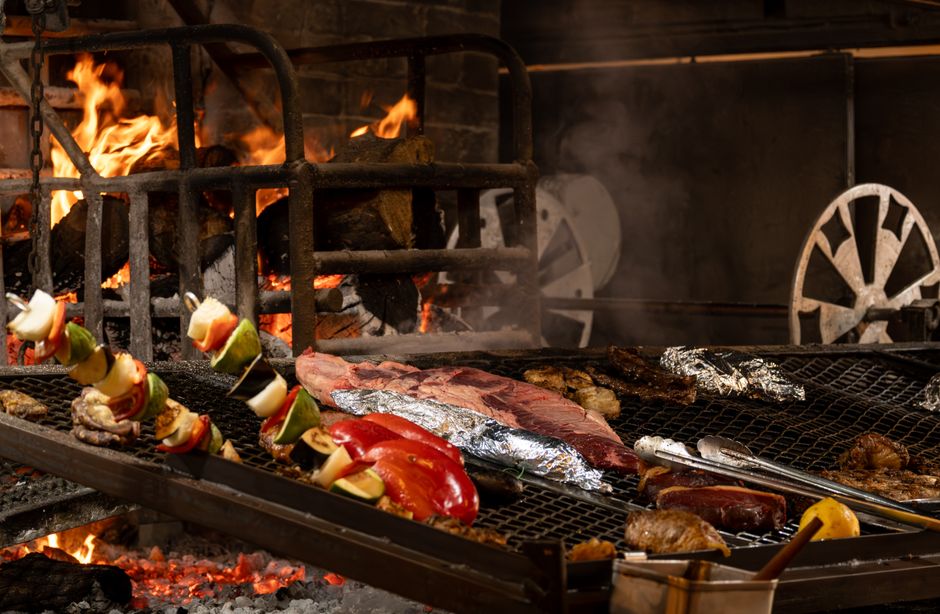
Grilled Beef Kabobs Recipe
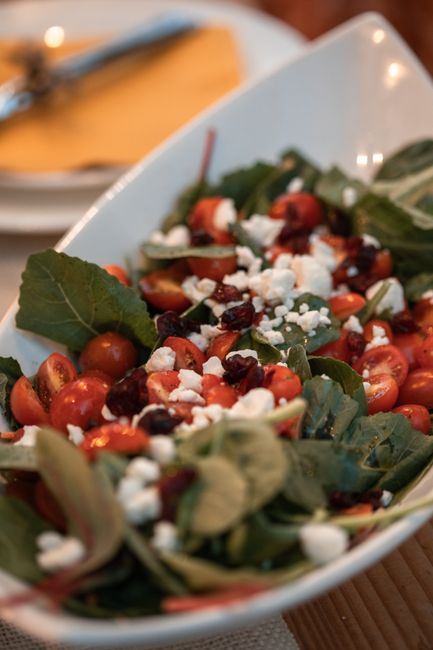
Fresh Cherry Spinach Salad with Walnuts and Feta
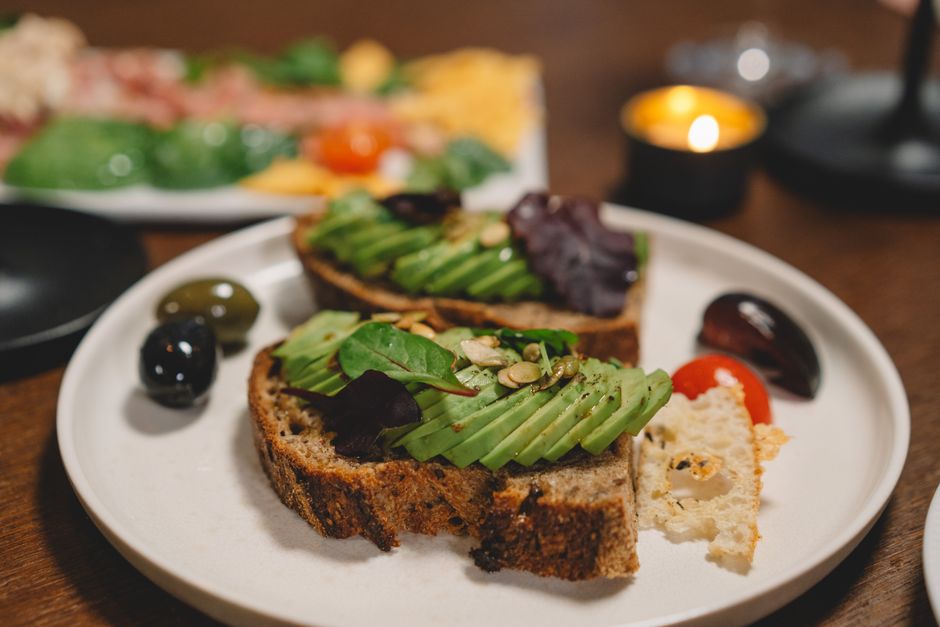
Whole Grain Avocado Toast Bread Recipe
Gluten-Free Roasted Potatoes Recipe
White Chicken Chili with Cannellini Beans Recipe
Rigatoni alla Vodka Recipe
Prime Rib Roast Recipe
Tacos al Carbon Recipe

Black Bean and Sweet Potato Tacos Recipe
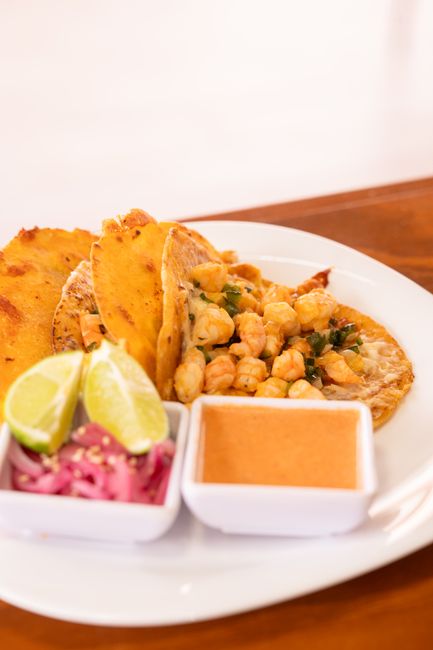
Shrimp Tacos Recipe
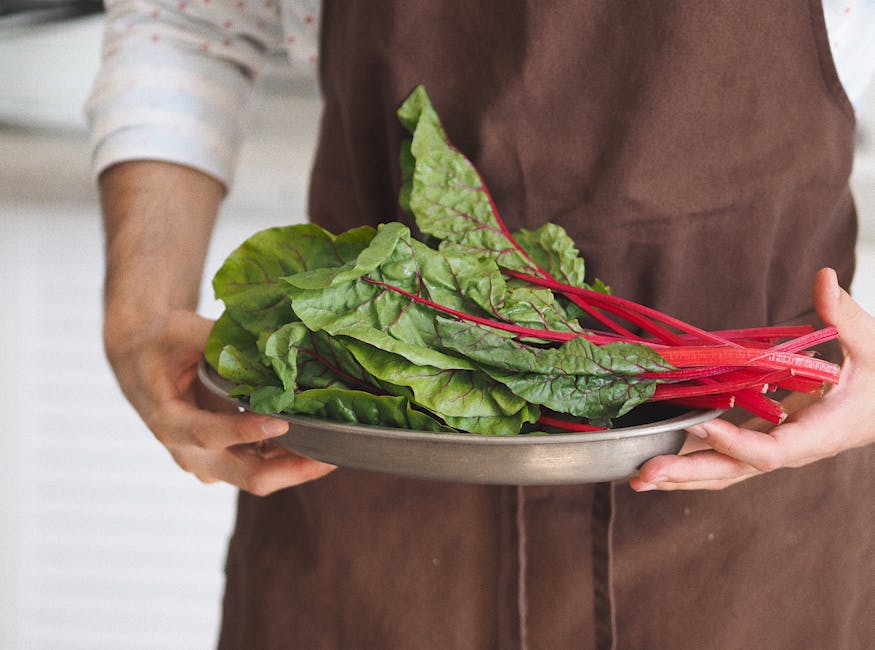
Swiss Chard and White Bean Skillet Recipe
Ground Turkey Taco Skillet Recipe
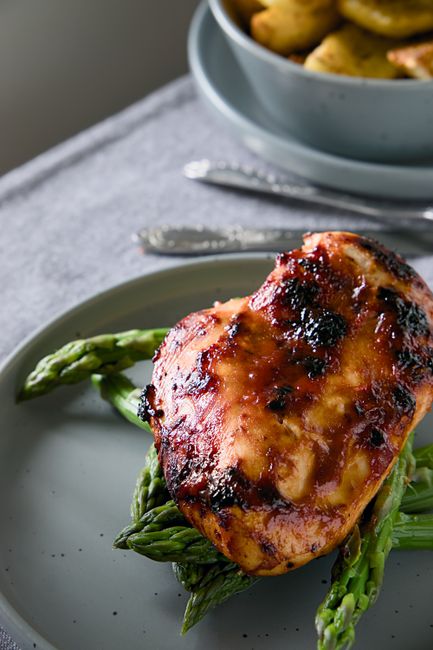
Garlic Butter Skillet Chicken Breast Recipe
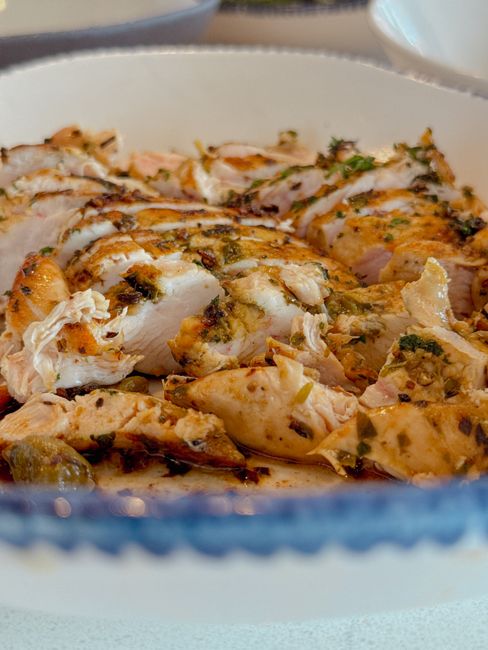
Perfectly Cooked Baked Chicken Breast Recipe
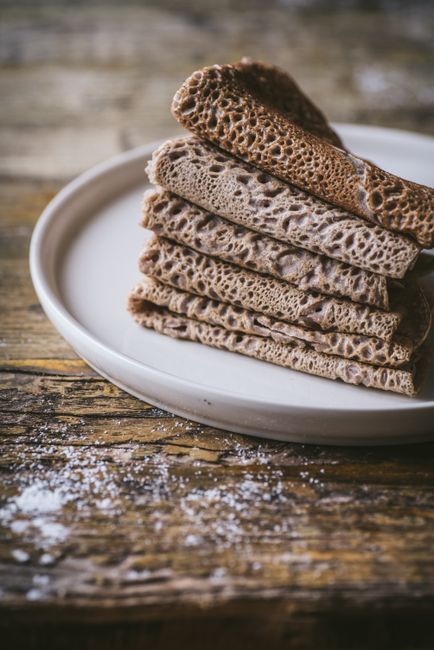
Gluten Free Tortillas Recipe
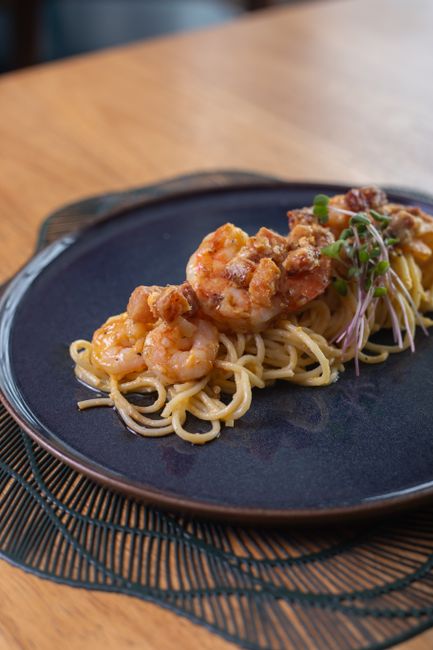
Shrimp Fra Diavolo Recipe
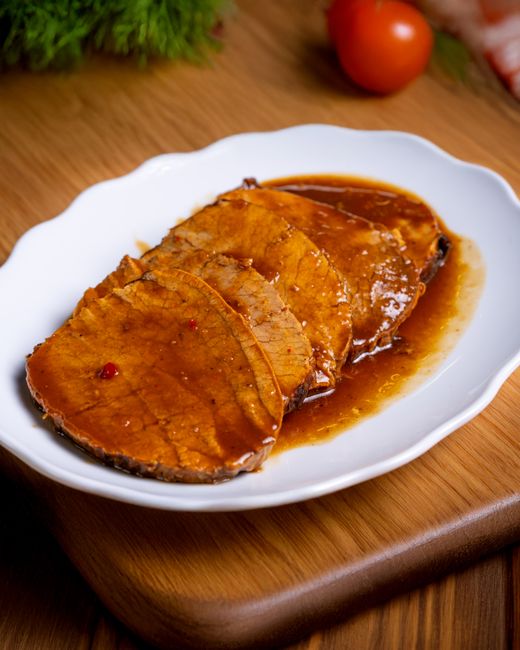
Braciole Recipe
Pan-Seared Swordfish Recipe with Lemon Caper Butter
Garlic Butter Chicken Thighs with Bacon Green Beans (Keto Dinner)

Classic Chili Recipe
One-Pan Garlic Butter Shrimp Pasta Recipe
Chicken Taco Soup Recipe
Tomato Bisque Soup Recipe
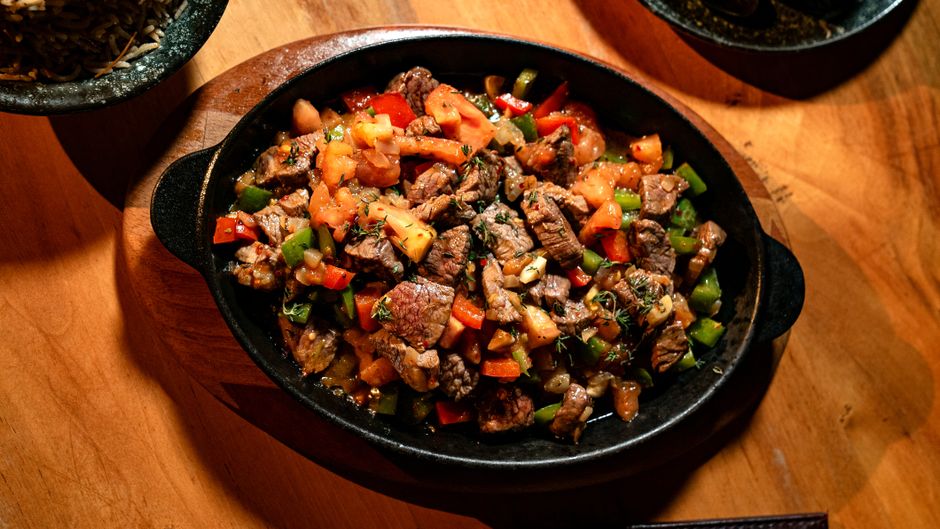
Healthy Ground Beef and Vegetable Skillet Recipe
Smoked Pork Loin Recipe
Homemade Crouton Recipe
High Protein Chicken Burrito Bowl Meal Prep Recipe
Olive Oil Steak Marinade Recipe
Gluten-Free Bagels Recipe
Stuffed Mushroom Recipe
Morning Skillet Eggs Recipe
Smoked Chicken Breast Recipe
BBQ Baked Chicken Recipe
High-Protein Vegan Buddha Bowl
Easy Campfire Foil Packet Dinner Recipe
Grain-Free Almond Flour Bread Recipe
Air Fryer Parchment Paper Salmon Recipe
Smoked Cream Cheese Recipe
Stuffed Grape Leaves Recipe
Beef Skirt Steak Fajitas Recipe
Cilantro Lime Sauce Recipe
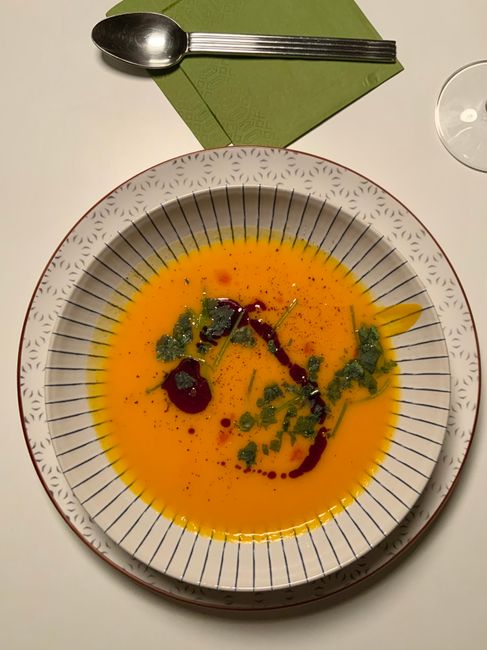
Low-Potassium Vegetable Soup Recipe
Grilled Skirt Steak Tacos Recipe
Smoked Chicken Thighs Recipe
Baked Chicken Leg Quarters Recipe
Parmigiano Reggiano Risotto Recipe
Mediterranean Bowl Recipe
Chicken Meatball Recipe
Pork Fillet Marinade Recipe
Sourdough Discard Pizza Dough Recipe
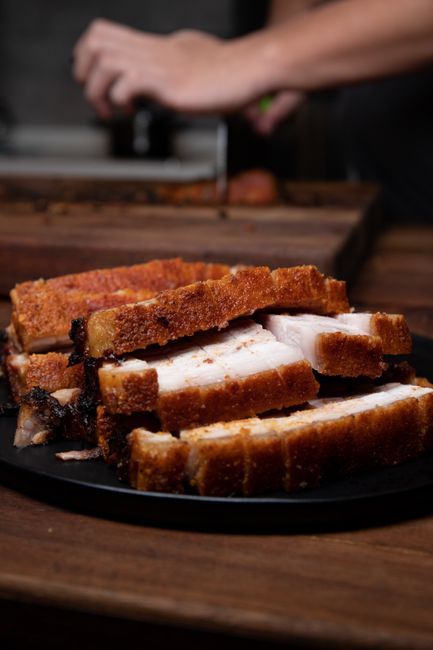
Garlic Herb Pork Loin Roast Recipe
Pan Seared Chicken Breast Recipe
Marinated Blistered Cherry Tomatoes Recipe
Steak Sandwich Recipe
Grilled Lemon-Herb Chicken with Charred Summer Vegetables
Instant Pot Pulled Pork Recipe
Gluten-Free Egg Noodles Recipe
Boneless Turkey Breast Recipe
Stuffed Poblano Peppers Recipe
Creamy Tuscan Garlic Butter Chicken Recipe
Frutti di Mare Recipe
Gluten-Free Pizza Base Recipe
Greek Lemon Chicken Soup Recipe
Meat Sauce Recipe
Pan-Seared Lamb Loin Chops Recipe
Top Round Roast Recipe
Oven-Roasted Chicken Thighs and Vegetables Recipe
Oven-Roasted Potatoes Recipe
Baked Potato in Foil Recipe
Bone-In Prime Rib Roast Recipe
Spanakopita (Greek Spinach and Feta Phyllo Pie) Recipe
Dense Bean Salad Recipe
Puerto Rican Rice (Arroz con Gandules)
Pan-Seared Halibut Recipe
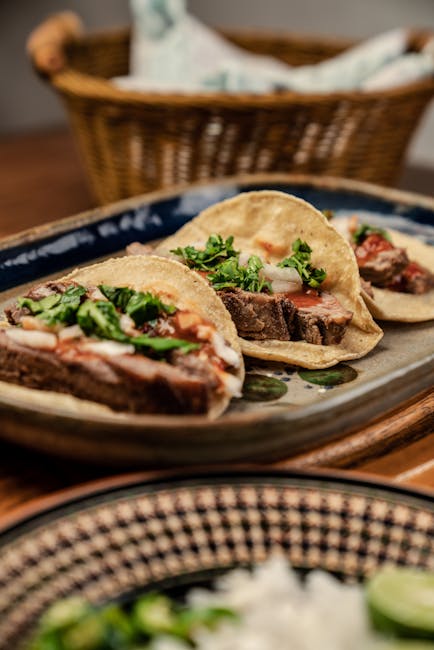
Skirt Steak Tacos Recipe
Pan-Seared Swai Fish Recipe
Standing Rib Roast Recipe
Smoked Tri Tip Recipe
One-Pan Mexican Chicken and Rice Recipe
Low FODMAP Roasted Vegetables Recipe

Smoked Pork Chops Recipe
McCormick BBQ Grilled Chicken Recipe
Vegetable Frittata Recipe

100% Wholemeal Bread Recipe

Leftover Ham and White Bean Soup Recipe
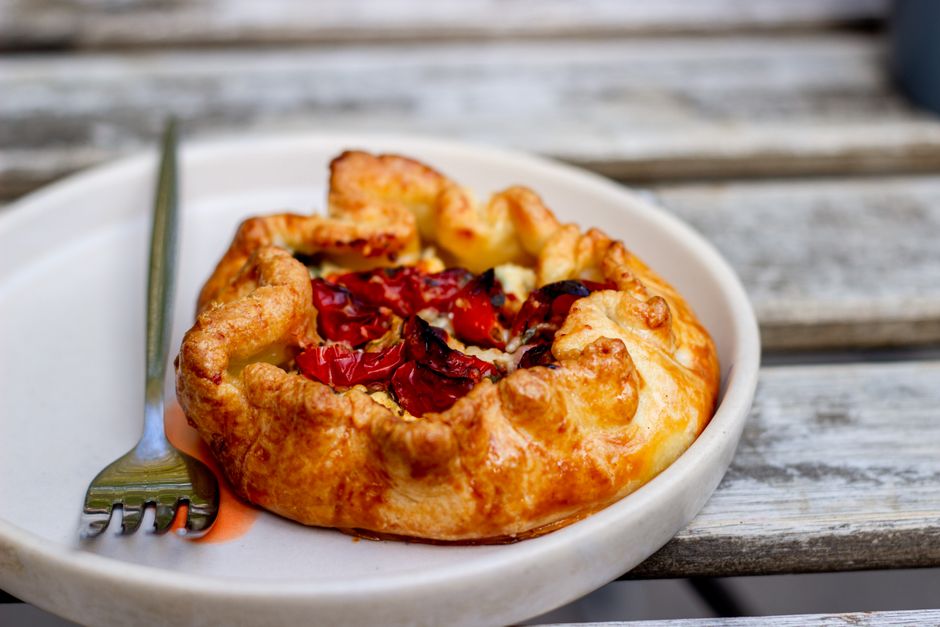
Puff Pastry Tomato Tart Recipe