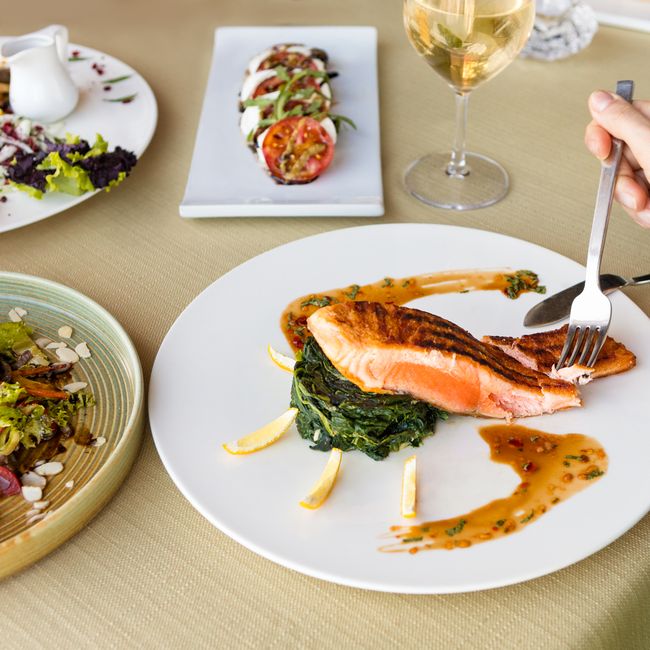
Slow-Roasted Pork Shoulder Recipe

A short blast at very high heat blisters the scored skin into crackling, then dropping the oven to 160°C (320°F) lets the connective tissue render slowly without drying out the meat, so the shoulder ends up both crisp on top and pull-apart tender underneath.
- Prep
- 25 min
- Cook
- 270 min
- Total
- 320 min
- Servings
- 8
Ingredients
- 4 lb bone-in pork shoulder (skin on)
- 2 tbsp kosher salt
- 6 cloves garlic cloves, minced
- 1 tbsp fennel seeds, crushed
- 2 tbsp olive oil
- 2 tbsp fresh rosemary, chopped
- 1 cup water (for the roasting pan)
Nutrition per serving
- Calories
- 161
- Protein
- 10g
- Carbs
- 1g
- Fat
- 13g
Based on the recipe as written, one serving. Recalculates if you swap an ingredient above. An estimate only, exact values depend on the specific ingredients used.
Need different units or a different yield? Try our Conversion Calculator →
Instructions
- 1Pat the pork shoulder completely dry, then score the skin in a tight diamond pattern, cutting through the fat but not into the meat. Rub 1 tablespoon of the salt directly into the scored skin and let it sit uncovered in the refrigerator for at least 4 hours, or overnight.
- 2Let the pork sit at room temperature for 30 minutes. Preheat the oven to 240°C (475°F).
- 3Mix the garlic, fennel seeds, olive oil, rosemary, and remaining salt into a paste. Rub it all over the meat, avoiding the scored skin.
- 4Set the pork skin-side up on a rack set inside a roasting pan, and pour the water into the bottom of the pan. Roast at 240°C (475°F) for 35-40 minutes, until the skin blisters and bubbles across its surface.
- 5Reduce the oven temperature to 160°C (320°F) without opening the door for longer than necessary. Continue roasting for 3.5-4 hours, until an instant-read thermometer inserted into the thickest part of the meat (avoiding the bone) reads 90-96°C (195-205°F).USDA safe minimum for beef, pork, lamb, veal: 145°F (63°C), plus a 3-minute rest
- 6Remove the pork from the oven and tent it loosely with foil. Rest for 20-30 minutes before carving or shredding; the crackling stays crisp under a loose tent, so don't wrap it tightly.
Tips & variations
- Swap the fennel seeds for 1 teaspoon of ground cumin and a pinch of chili flakes for a smokier, Latin-leaning rub.
- A boneless shoulder works too, but check it a little earlier, boneless cuts tend to reach target temperature 30-45 minutes sooner.
- Shred any leftovers and use them in tacos, sandwiches, or fried rice; the fat rendered during roasting keeps the meat moist when reheated.
Storage & reheating
Store shredded or sliced pork in an airtight container in the refrigerator for up to 4 days, or freeze for up to 3 months. Reheat gently, covered, in a 150°C (300°F) oven with a splash of stock or pan juices to keep it from drying out; the crackling is best eaten fresh and doesn't reheat well, though it can be re-crisped briefly under a broiler.
Tips from the Tulo kitchen
- Leaving the salted skin uncovered in the fridge overnight dries it out further and gives noticeably crunchier crackling than a quick 4-hour rest.
- If the crackling isn't fully blistered after the first high-heat blast, give it another 5-10 minutes before dropping the oven temperature rather than trying to fix it later.
FAQ
What is 160 C in F?
160°C converts to exactly 320°F, using the formula (°C x 9/5) + 32. That's the temperature this roast finishes cooking at after the initial high-heat blast.
Why does the oven temperature drop so much partway through this recipe?
The first 35-40 minutes at 240°C (475°F) blisters and crisps the scored skin. Dropping to 160°C (320°F) afterward lets the tough connective tissue in the shoulder render slowly over several hours without scorching the crackling or drying out the meat.
How do I know when the pork shoulder is actually done?
Go by internal temperature, not time. It's ready when a thermometer inserted into the thickest part reads 90-96°C (195-205°F) and the meat offers little resistance when pulled with a fork.
Can I roast this at a lower temperature the whole time for a true low-and-slow method?
Yes, roasting at 160°C (320°F) from the start works, but the skin won't crackle; you'd need to finish it under a hot broiler for a few minutes at the end instead.