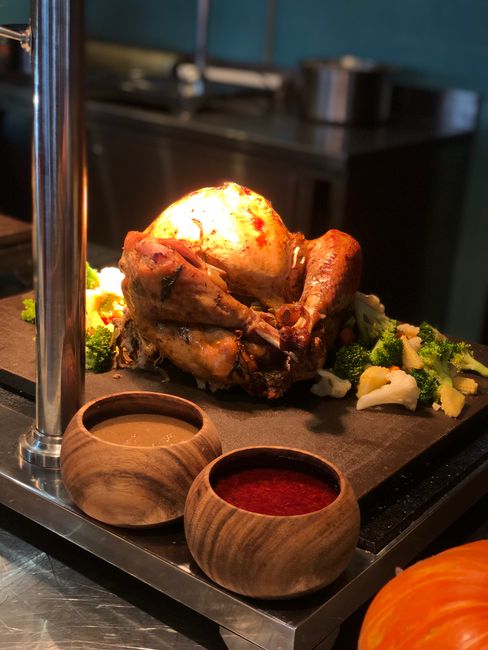
How to Use a Meat Thermometer
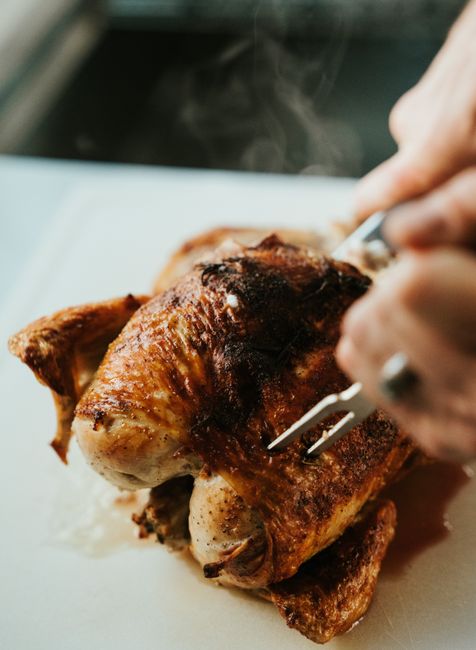
A thermometer is only as accurate as where you put it, a probe touching bone or sitting in the wrong spot in the cut can read many degrees off from the actual internal temperature. Here is the correct placement, plus the USDA's safe minimum temperatures by protein.
Steps
- 1Insert the probe into the thickest part of the meat, avoiding bone, fat pockets, and gristle, all of which give a false reading.
- 2For poultry, check the innermost part of the thigh and wing, and the thickest part of the breast.
- 3For a whole roast or turkey, insert horizontally from the side rather than straight down, to reach the true center.
- 4Wait for the reading to stabilize (a few seconds for instant-read, longer for leave-in probe thermometers).
- 5Check in more than one spot for large or irregularly shaped cuts to confirm the coldest point has also reached a safe temperature.
- 6Clean the probe with hot soapy water between uses, especially between raw and cooked foods.
Common mistakes
- Touching bone with the probe tip: bone conducts and holds heat differently than meat and will give a misleadingly high reading.
- Checking only one spot: irregularly shaped cuts can have a thick section that's still underdone even if a thinner part reads safe.
- Reading immediately on insertion: instant-read thermometers still need a few seconds to stabilize; pulling the reading too fast risks an inaccurate low number.
Equipment
- Instant-read or leave-in probe thermometer
FAQ
What internal temperature is chicken safe to eat at?
165°F (74°C) at the thickest part, per USDA guidelines. Dark meat (thighs, drumsticks) is also safe at that temperature and is often more tender there than at lower temperatures some cooks target.
Do I need a different thermometer for grilling versus roasting?
No, the same instant-read or probe thermometer works for both, what matters is insertion technique (thickest part, avoiding bone) more than the cooking method being used.
Need exact temperatures or timing? Check our Time & Temperature Guide →
Recipes using this technique
One-Pan Garlic Butter Chicken Dinner for One Recipe

Dry Rub BBQ Chicken Recipe
3-2-1 Ribs Recipe
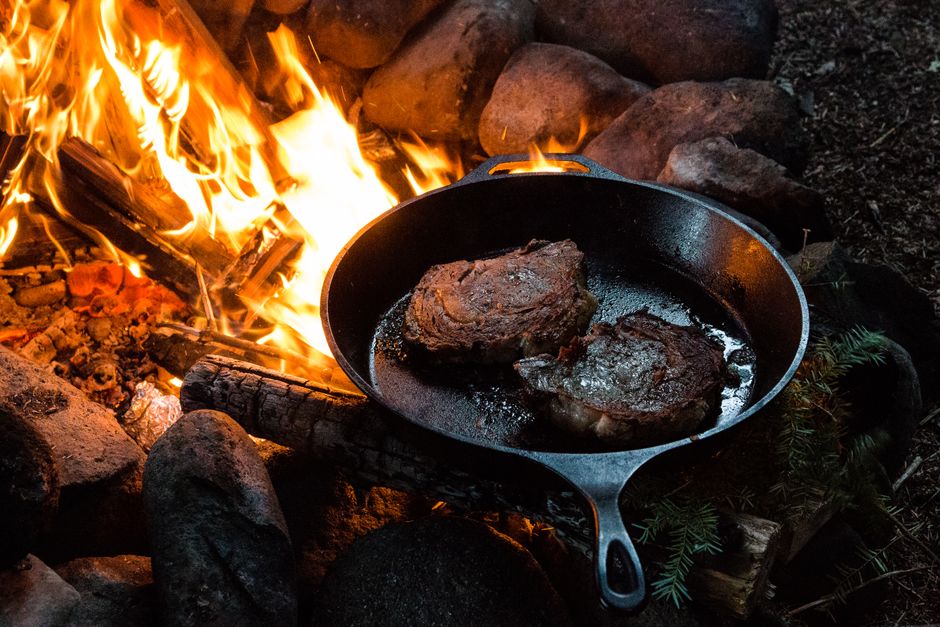
Chuck Eye Steak Recipe
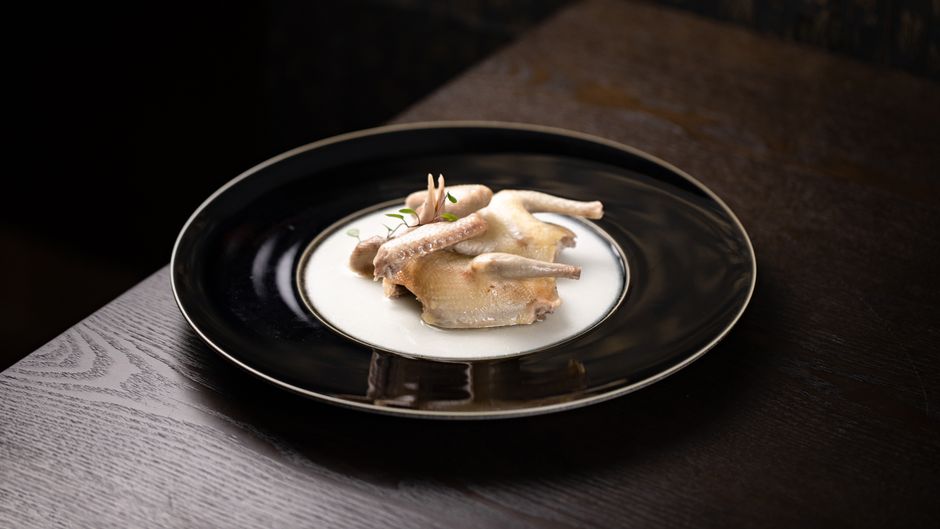
Roasted Cornish Hens Recipe

Pork Belly Burnt Ends Recipe
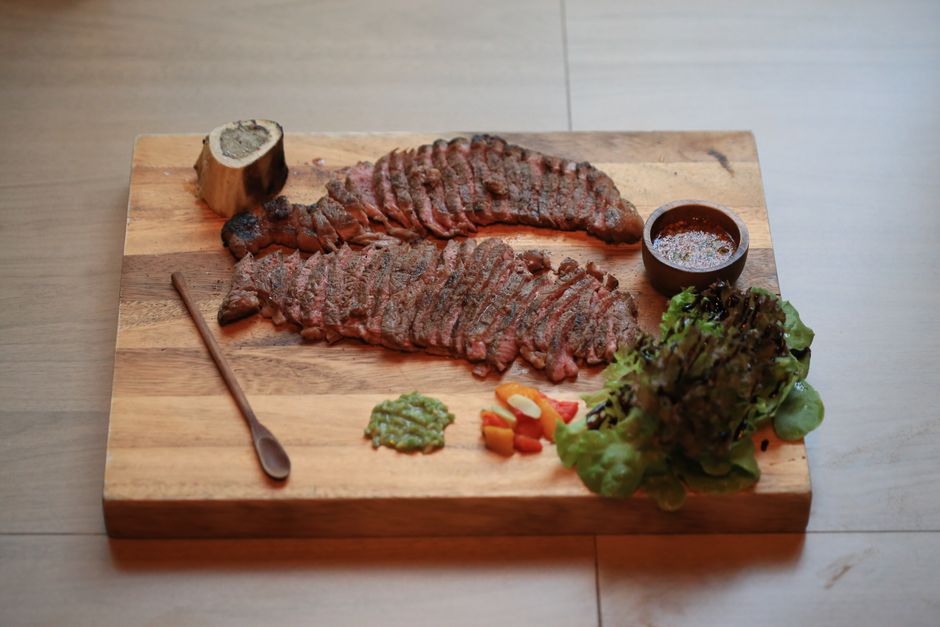
Skirt Steak Marinade Recipe
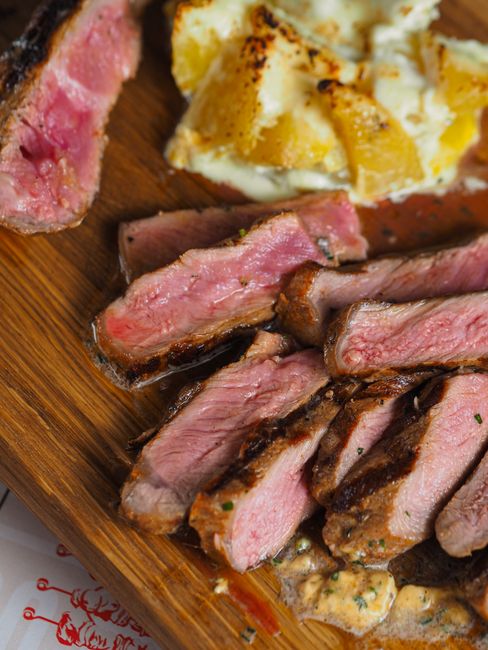
Grilled Skirt Steak Recipe
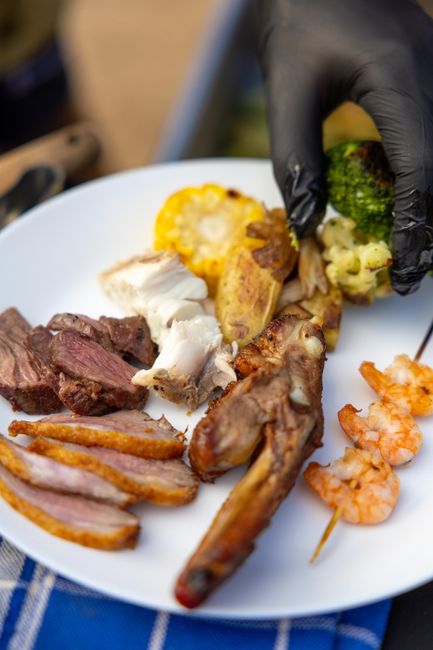
Steak and Shrimp Griddle Skewers
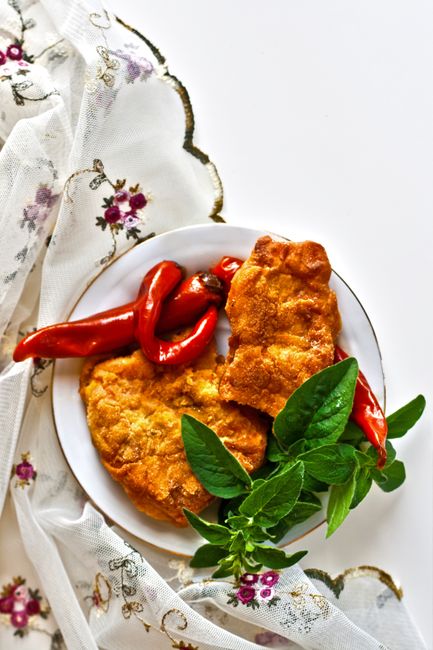
Copycat Wendy's Takis Fuego Crispy Chicken Sandwich Recipe
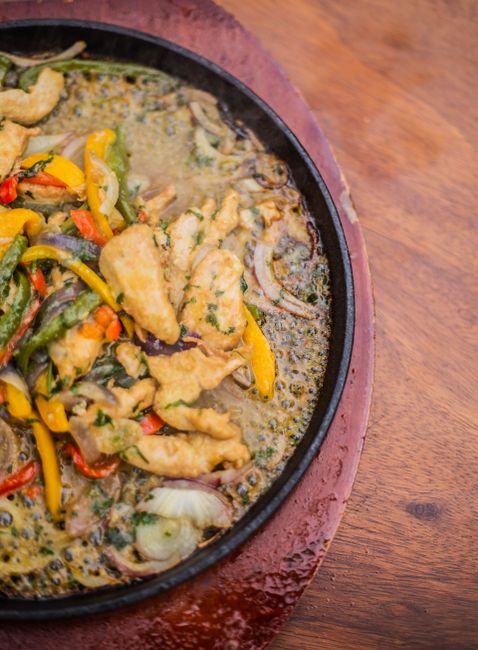
Chicken Livers and Onions Recipe
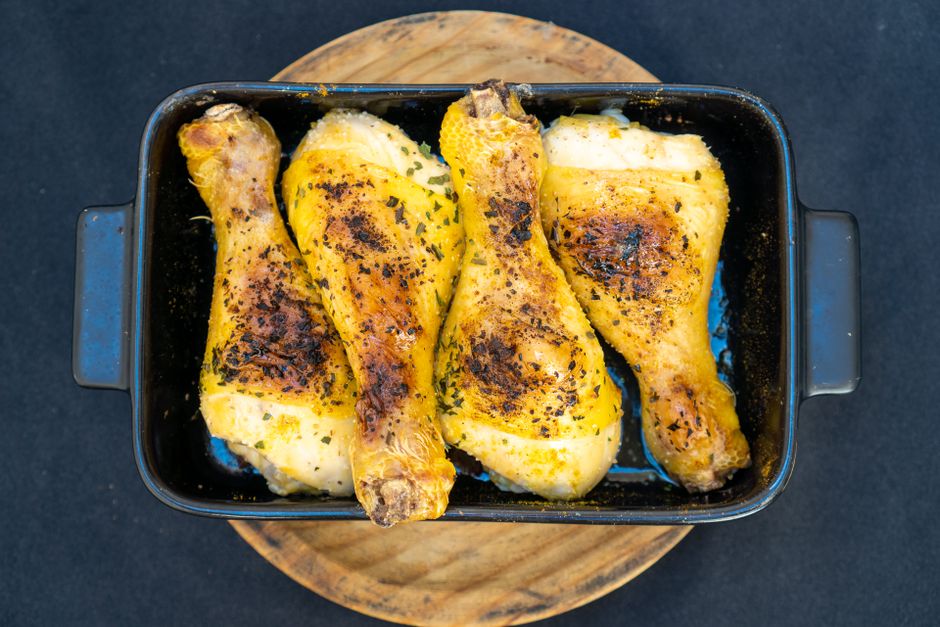
Crispy Baked Chicken Legs Recipe
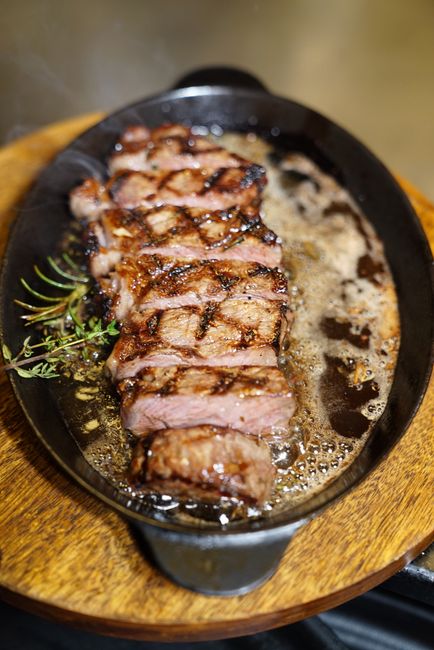
Cast Iron Skillet Steak Recipe

Roast Chicken Recipe
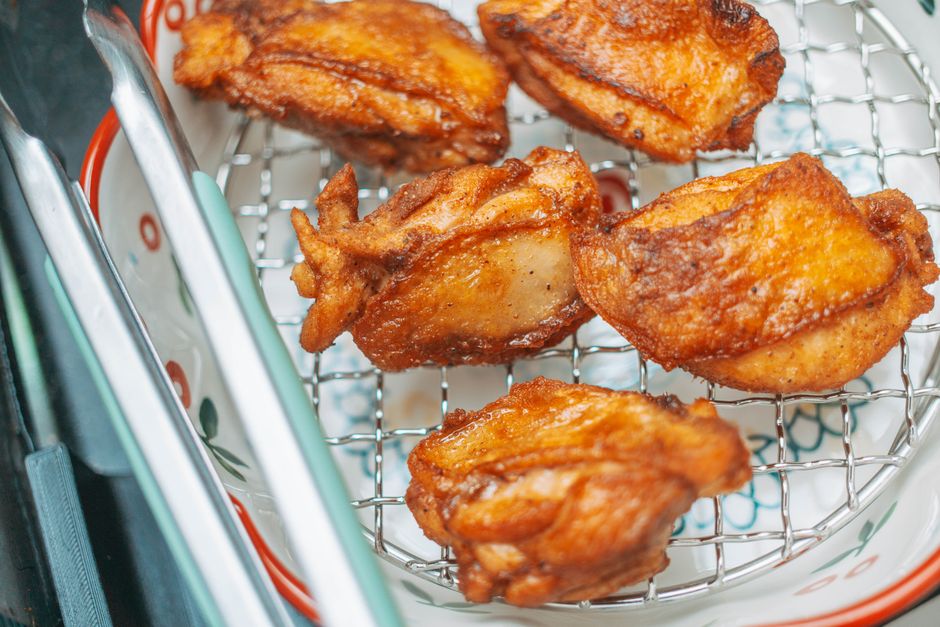
Crispy Baked Chicken Thighs Recipe
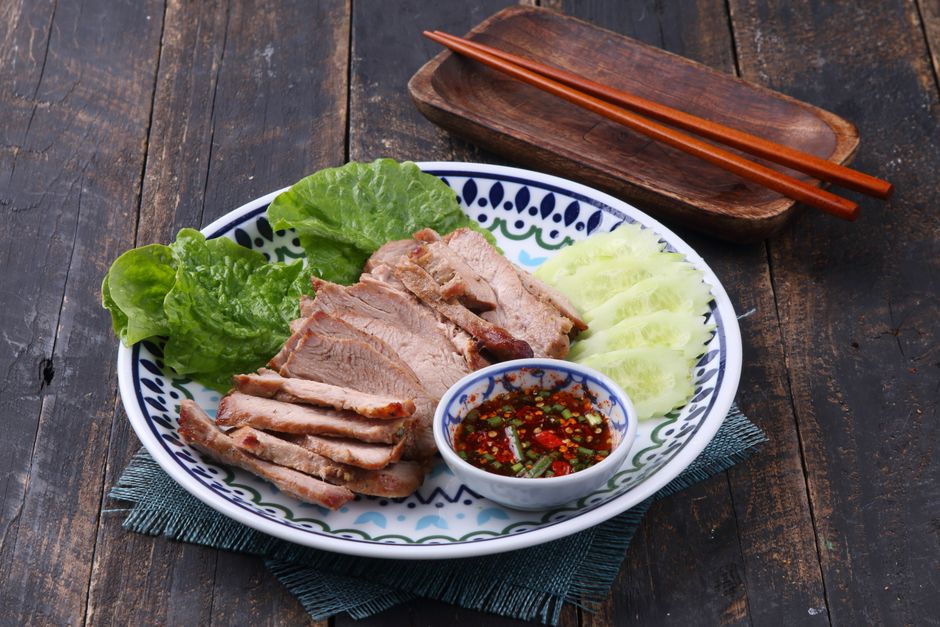
Roasted Pork Tenderloin Recipe
Grilled Flank Steak Recipe
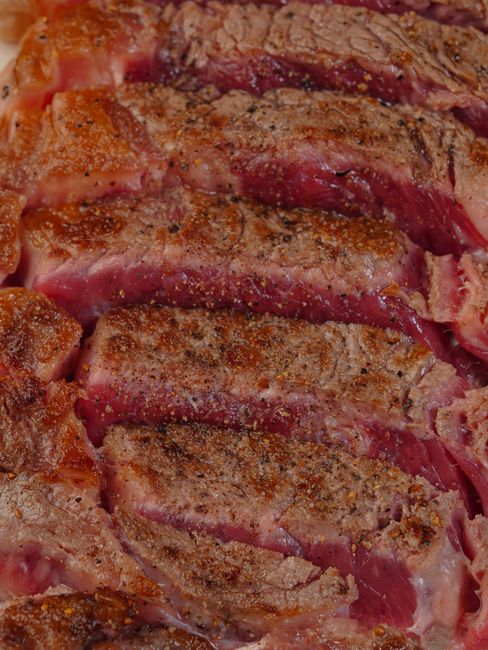
Reverse-Seared Garlic Butter Ribeye Steak Recipe
Lemon Pepper Chicken Recipe
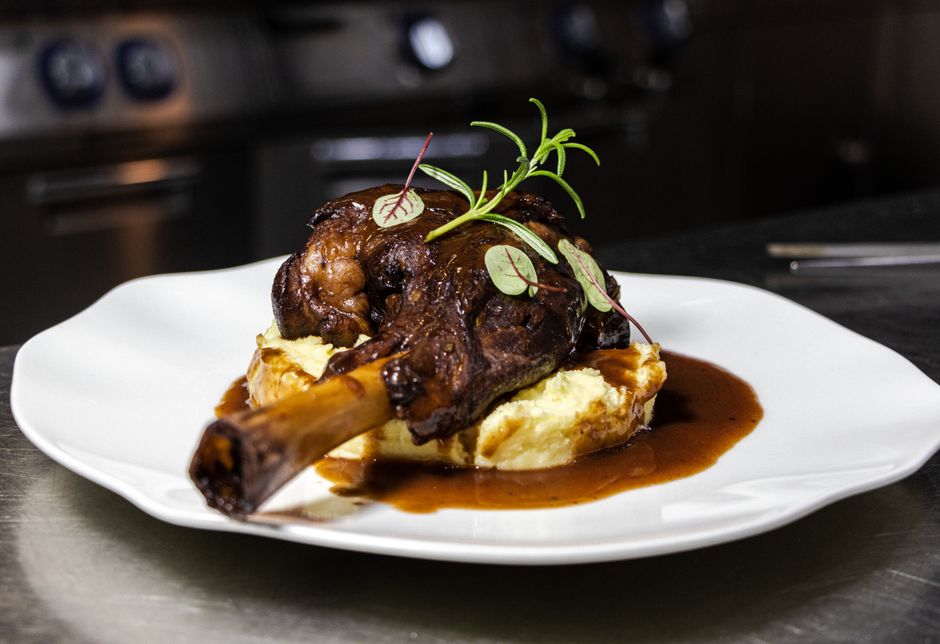
Cordero Asado (Spanish Roast Lamb) Recipe
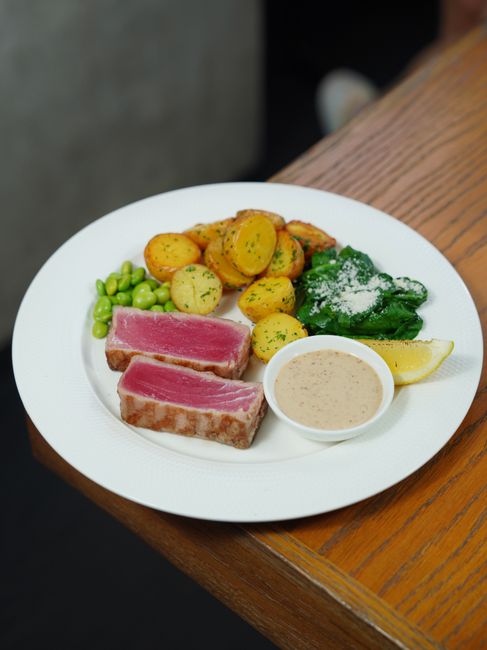
Eye of Round Steak Recipe
Roast Whole Chicken Recipe

Carne Asada Marinade Recipe
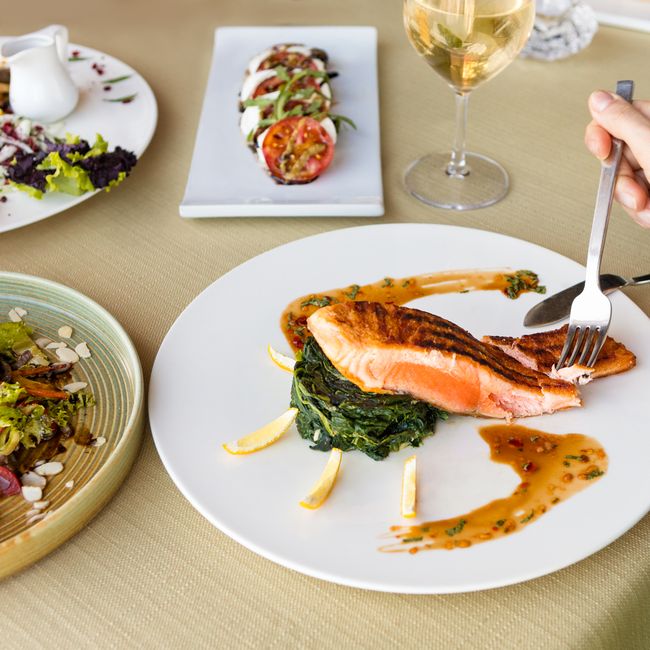
Baked Salmon Recipe (with Internal Temp Guide)
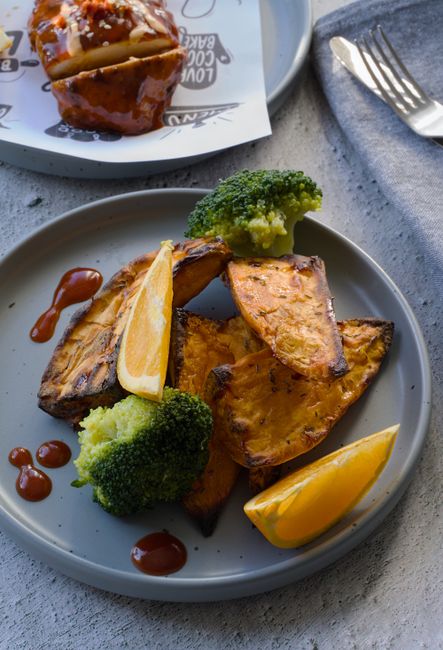
Paleo Meal Prep Bowls Recipe
Pan-Seared Top Sirloin Steak Recipe
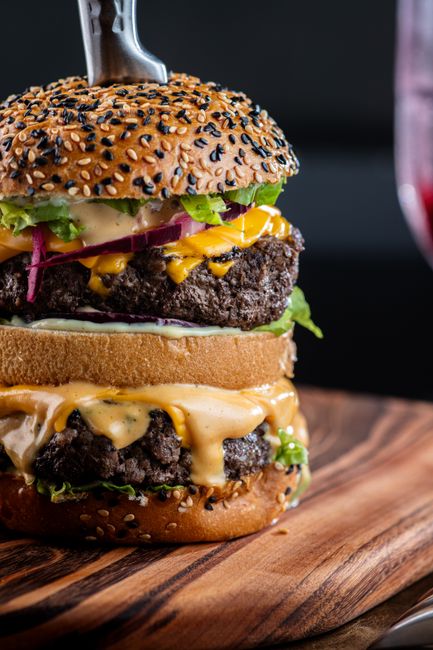
Copycat In-N-Out Double-Double Burger Recipe
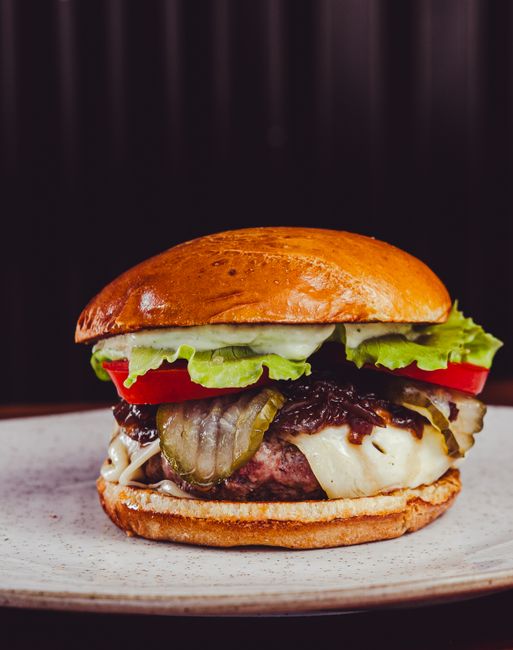
Copycat Whopper Recipe
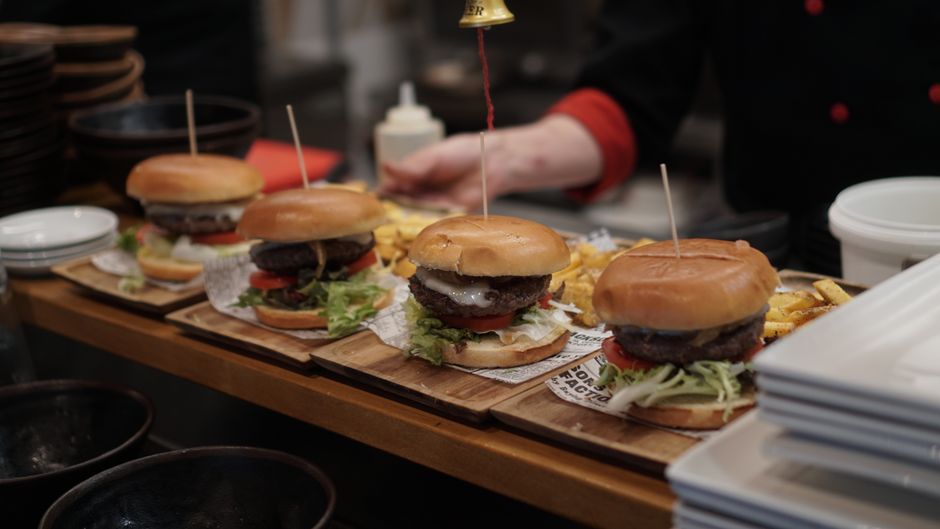
Kirkland Signature Ground Beef Blackstone Burgers Recipe

Slow-Roasted Pork Shoulder Recipe
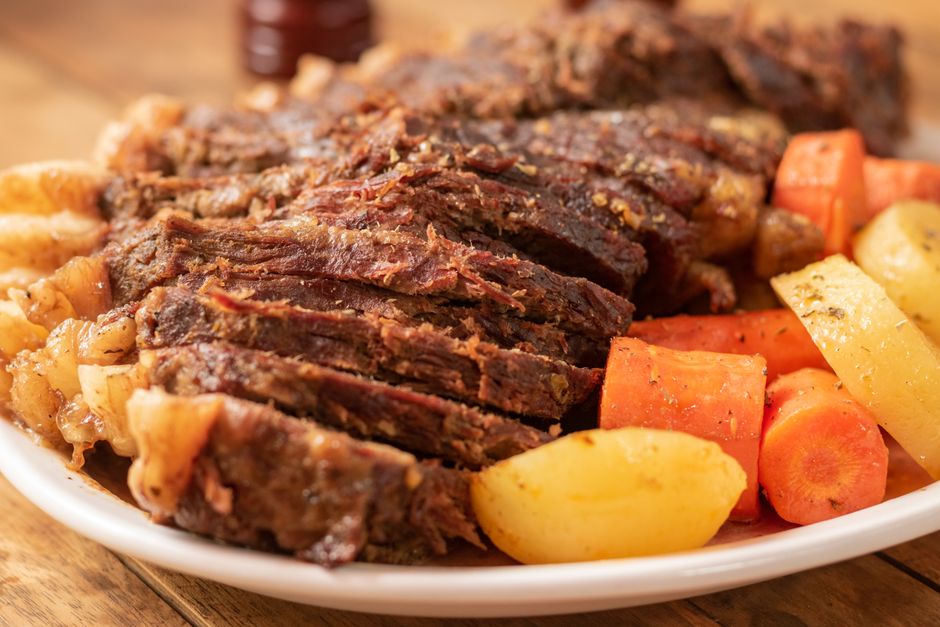
Classic Sunday Pot Roast Recipe
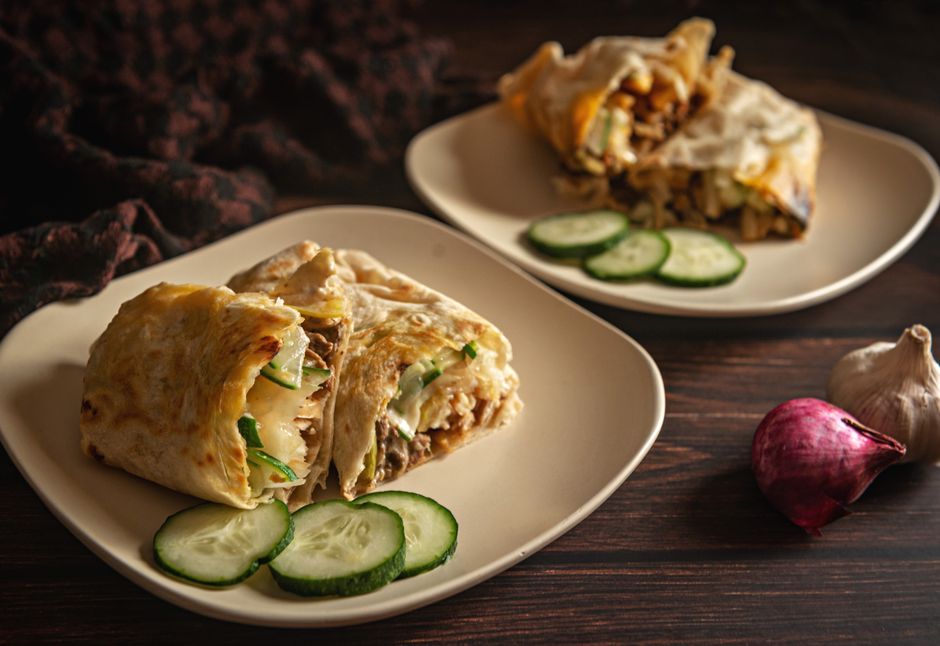
Easy Chicken Shawarma Recipe
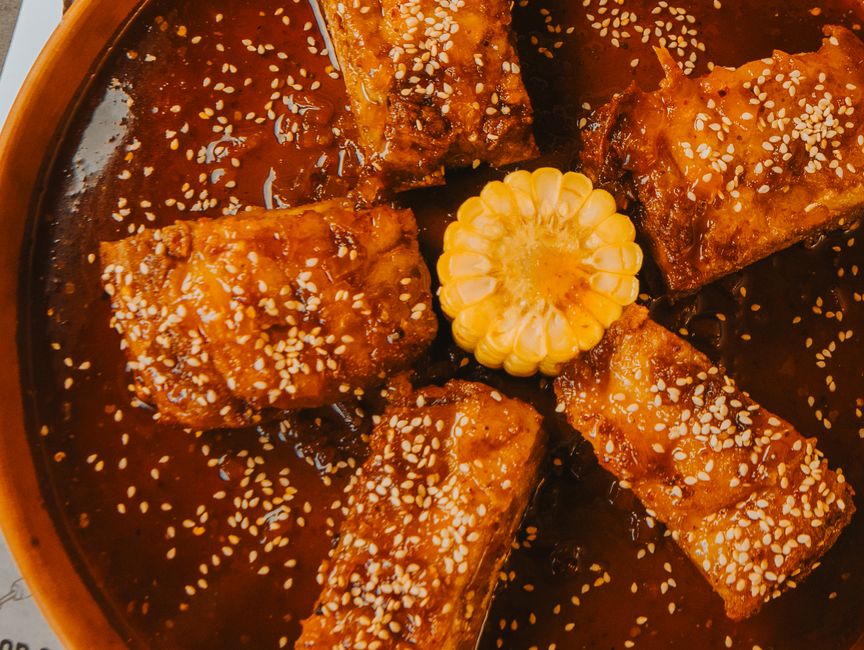
Country Style Pork Ribs Recipe
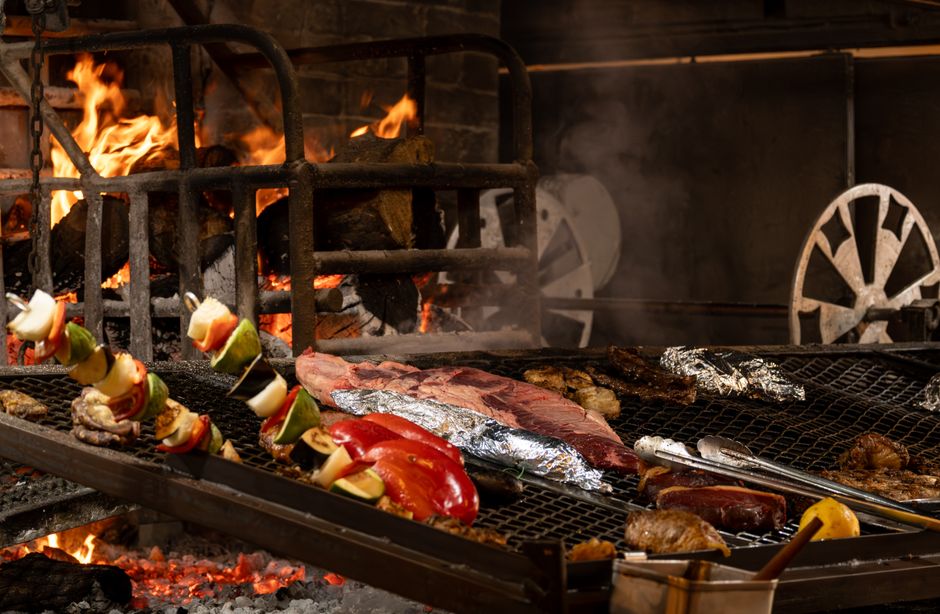
Grilled Beef Kabobs Recipe
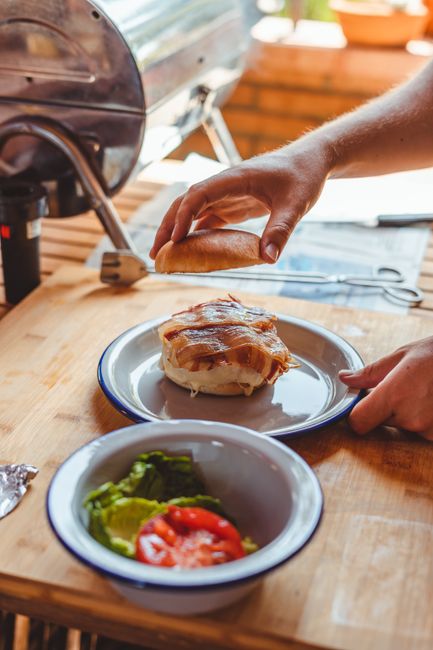
Cheeseburger in Paradise Recipe
White Chicken Chili with Cannellini Beans Recipe
Chicken and Gravy Recipe
Prime Rib Roast Recipe
Tacos al Carbon Recipe
Flying Dutchman Burger Recipe
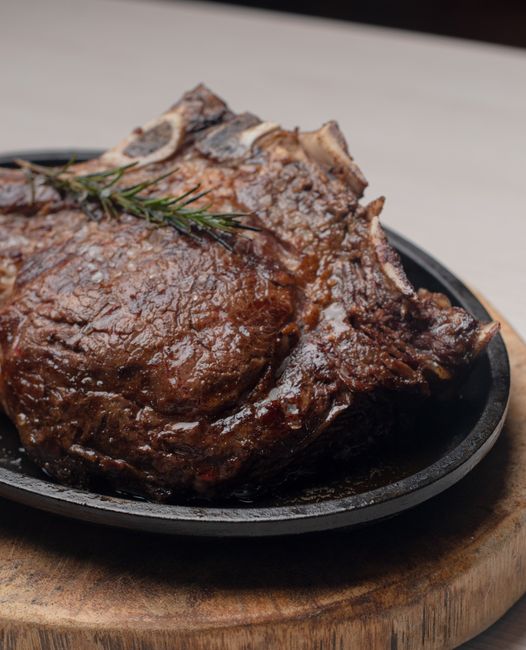
Blackstone Griddle Steak with Algae Oil Recipe
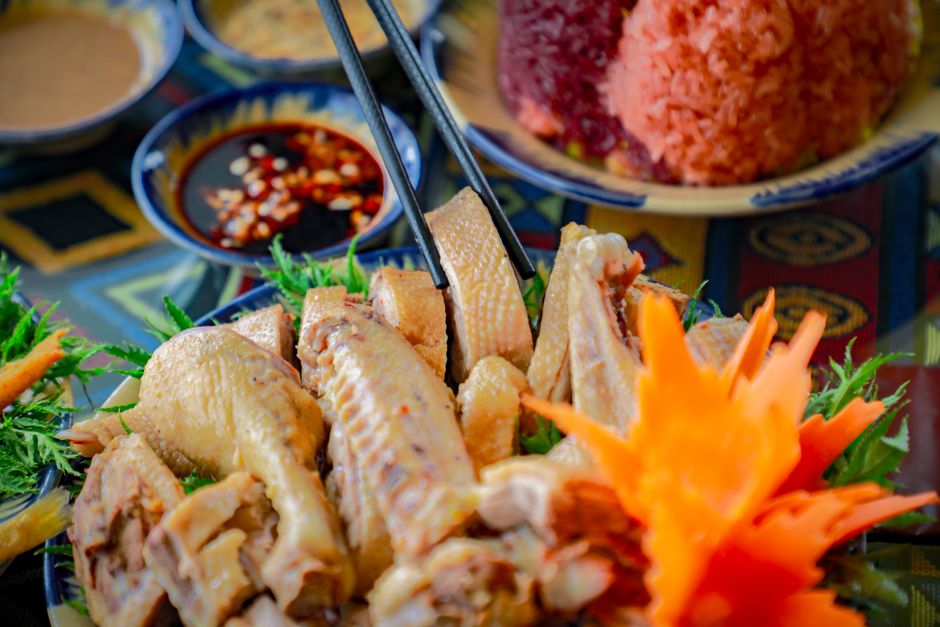
Soy Sauce Chicken Recipe (a Chinese New Year Rooster Dish)

Ground Turkey Taco Skillet Recipe
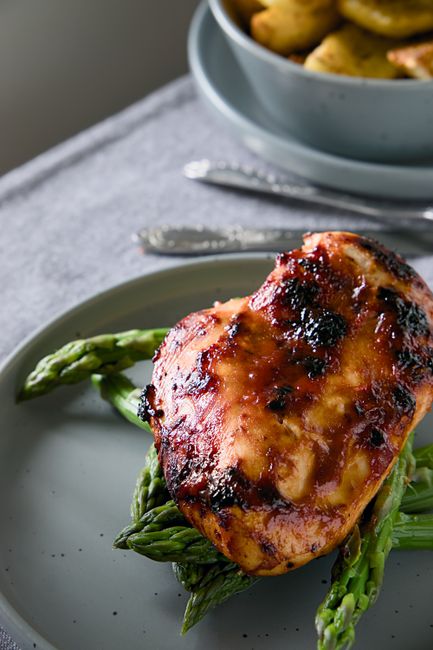
Garlic Butter Skillet Chicken Breast Recipe
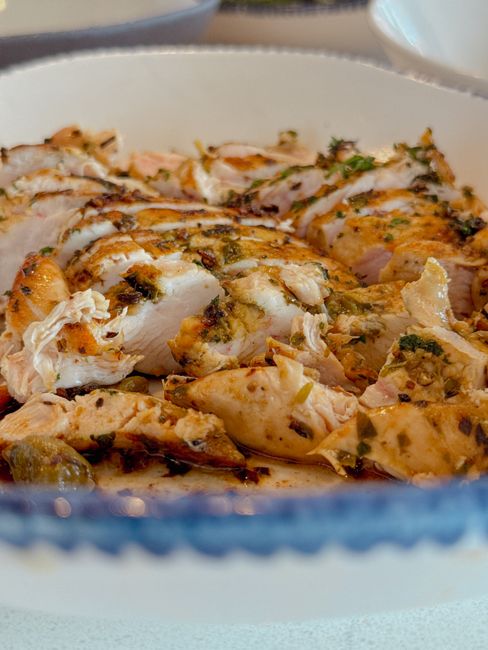
Perfectly Cooked Baked Chicken Breast Recipe
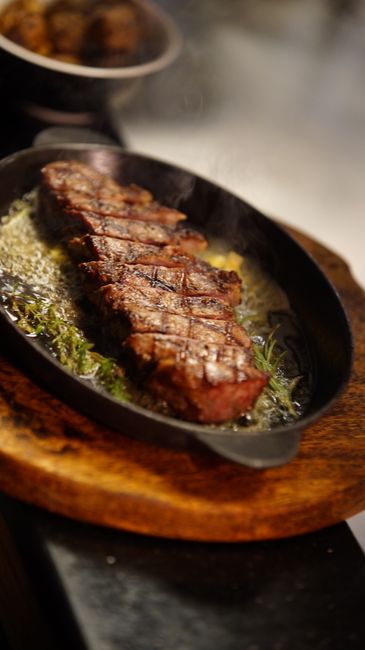
Sous Vide Steak Recipe
Corned Beef Brisket Recipe
KFC Famous Bowl Recipe
Roast Duck with Orange Sauce Recipe
Cracker Barrel Meatloaf Recipe
Pan-Seared Swordfish Recipe with Lemon Caper Butter
Chicken Tikka Skewers Recipe
Garlic Butter Chicken Thighs with Bacon Green Beans (Keto Dinner)
Pan-Seared Ribeye Steak Recipe
Dry-Aged Ribeye Steak Recipe
Crispy Fried Chicken Recipe (Canola Oil Method)
Smoked Pork Loin Recipe
Smoked Chuck Roast Recipe
Olive Oil Steak Marinade Recipe
Crockpot Ham Recipe
Smoked Chicken Breast Recipe
Crispy Pan-Fried Chicken Cutlets Recipe
BBQ Baked Chicken Recipe
Picanha (Grilled Brazilian Picanha Recipe)
Beef Skirt Steak Fajitas Recipe
Ground Lamb Kofta Recipe
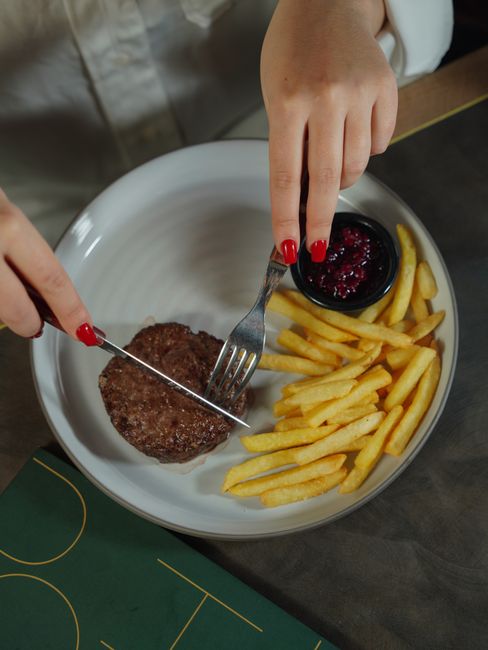
Mince Meat Patties Recipe
Grilled Skirt Steak Tacos Recipe
Smoked Chicken Thighs Recipe
Baked Chicken Leg Quarters Recipe
Chicken Meatball Recipe
Pork Fillet Marinade Recipe

Roast Rib on the Bone Recipe
Smoked Pork Belly Recipe
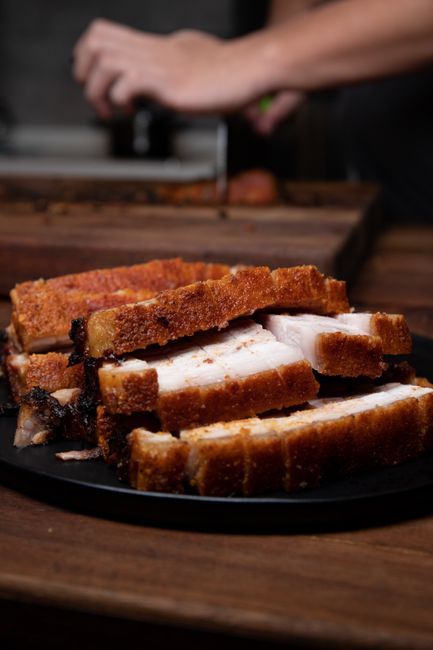
Garlic Herb Pork Loin Roast Recipe
Pan Seared Chicken Breast Recipe
Steak Sandwich Recipe
Grilled Lemon-Herb Chicken with Charred Summer Vegetables
Boneless Turkey Breast Recipe
Classic Burger and Fries Recipe
Creamy Tuscan Garlic Butter Chicken Recipe
Pan-Seared Lamb Loin Chops Recipe
Pan-Seared Sirloin Steak with Garlic Butter Recipe
Top Round Roast Recipe
Crockpot Pulled Pork Recipe
Bone-In Pork Chop Recipe
Oven-Roasted Chicken Thighs and Vegetables Recipe
Fried Chicken Wings Recipe
Bratwurst in Air Fryer Recipe
Bone-In Prime Rib Roast Recipe
Roast Turkey Recipe
Milanesa de Pollo Recipe
Pan-Seared Halibut Recipe
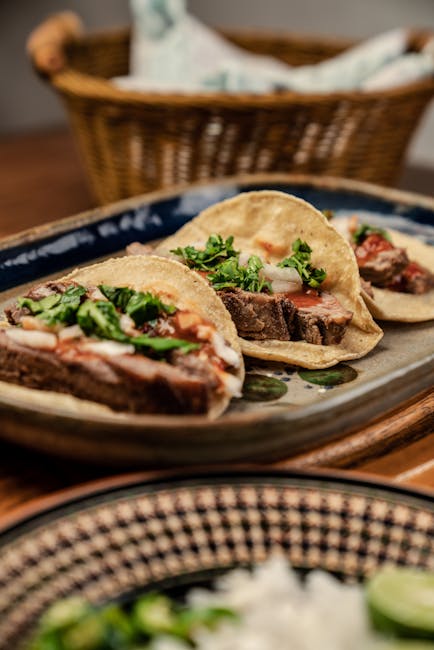
Skirt Steak Tacos Recipe
Restaurant-Style Chicken Wings Recipe
Standing Rib Roast Recipe
Smoked Tri Tip Recipe
One-Pan Mexican Chicken and Rice Recipe

Smoked Pork Chops Recipe
McCormick BBQ Grilled Chicken Recipe
Fried Chicken Gizzards Recipe
St. Louis Ribs Recipe
Brisket in the Oven Recipe
Chicken Stuffing Casserole Recipe
Country Style Ribs Recipe
Chicken Apple Sausage Recipe