Sous Vide Steak Recipe
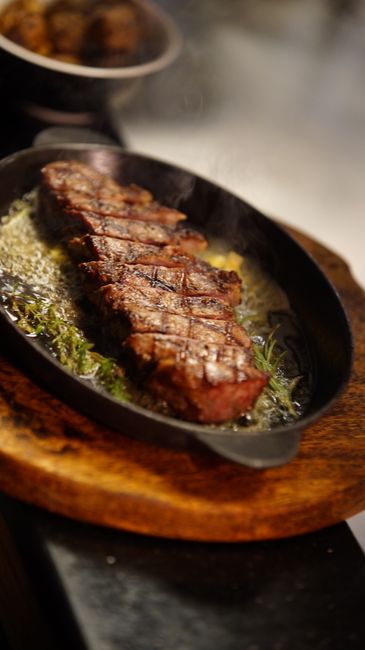
Cooking the steak in a precisely controlled water bath brings the entire cut to the exact same doneness edge to edge, eliminating the gray overcooked band you get from a pan or grill alone. A short, screaming-hot sear at the end builds a deep crust in under two minutes, too fast to push the interior past the target temperature.
- Prep
- 10 min
- Cook
- 95 min
- Total
- 105 min
- Servings
- 2
Ingredients
- 2 steaks (8-10 oz each) ribeye or New York strip steaks, about 1.5 inches thick
- 1 tsp kosher salt
- 1/2 tsp black pepper, freshly cracked
- 1 tbsp neutral oil (avocado or grapeseed)
- 2 tbsp unsalted butter
- 3 cloves garlic cloves, smashed
- 4 sprigs fresh thyme sprigs
Nutrition per serving
- Calories
- 724
- Protein
- 48g
- Carbs
- 2g
- Fat
- 59g
Based on the recipe as written, one serving. Recalculates if you swap an ingredient above. An estimate only, exact values depend on the specific ingredients used.
Need different units or a different yield? Try our Conversion Calculator →
Instructions
- 1Fill a large pot or container with water and clip in an immersion circulator. Set the temperature to 129°F (54°C) for medium-rare, or adjust per the doneness chart in the tips.
- 2Season the steaks generously on both sides with kosher salt and pepper.
- 3Seal each steak in a vacuum bag or a zip-top bag using the water displacement method, pressing out as much air as possible before sealing.
- 4Once the water bath reaches temperature, submerge the bagged steaks and cook for 1 to 4 hours (90 minutes is ideal for a 1.5-inch steak).
- 5Remove the steaks from the bags and pat them completely dry with paper towels, this step matters more than almost any other.
- 6Heat the oil in a heavy skillet, preferably cast iron, over high heat until it just starts to smoke.
- 7Sear the steaks for 45-60 seconds per side, adding the butter, garlic, and thyme partway through and tilting the pan to baste the steaks with the foaming butter.
- 8Sear the edges of the steak for 15-20 seconds each, standing the steak on its side with tongs, to render the fat cap if present.
- 9Rest the steaks for 5 minutes, then slice against the grain and serve immediately.
Tips & variations
- Doneness by water temperature: 125°F (52°C) for rare, 129°F (54°C) for medium-rare, 135°F (57°C) for medium, 145°F (63°C) for medium-well.
- Cook times beyond about 4 hours at these temperatures start to soften the muscle fibers into a mushy texture, sous vide steak has a much wider window than a stovetop sear but it isn't infinite.
- A cast iron or carbon steel pan holds heat far better than nonstick during the sear, giving a more even, darker crust.
- For an even faster crust with less risk of gray banding at the edge, use a kitchen torch on the dried, seasoned steak instead of a pan.
- Thicker cuts (2 inches or more) benefit from a slightly longer bath, closer to 2-3 hours, to make sure the very center reaches the target temperature.
Storage & reheating
Refrigerate leftover cooked steak in an airtight container for up to 3 days. Reheat gently in a 250°F (120°C) oven until just warmed through, then finish with a quick 20-30 second sear per side in a hot pan to re-crisp the crust; microwaving will overcook it.
Tips from the Tulo kitchen
- Weighing down floating bags with a metal trivet or a few butter knives keeps the steak fully submerged without needing a vacuum sealer.
- Searing two steaks at once can overcrowd a standard skillet and drop its temperature too fast; sear one at a time if the pan is smaller than 12 inches.
FAQ
Do I need a vacuum sealer for sous vide steak?
No. A zip-top freezer bag works fine if you use the water displacement method: seal the bag most of the way, then slowly lower it into the water bath so the pressure pushes out the remaining air before sealing the last inch.
Why sear sous vide steak instead of just eating it out of the bag?
The water bath brings the steak to temperature but can't produce a browned crust, since it never gets hot enough for the Maillard reaction. A hot, dry sear afterward builds that crust in under two minutes without overcooking the interior.
Can I sous vide a frozen steak?
Yes, add about 45-60 minutes to the cook time to account for the steak starting frozen; there's no need to thaw it first since the water bath cooks it evenly regardless.
Is it safe to cook steak at 129°F for over an hour?
Yes. Pasteurization at this temperature happens gradually over time rather than instantly the way it does at higher heat, and an hour or more at 129°F (54°C) is well past the time needed to pasteurize the surface and interior of a whole muscle cut like steak.