3-2-1 Ribs Recipe
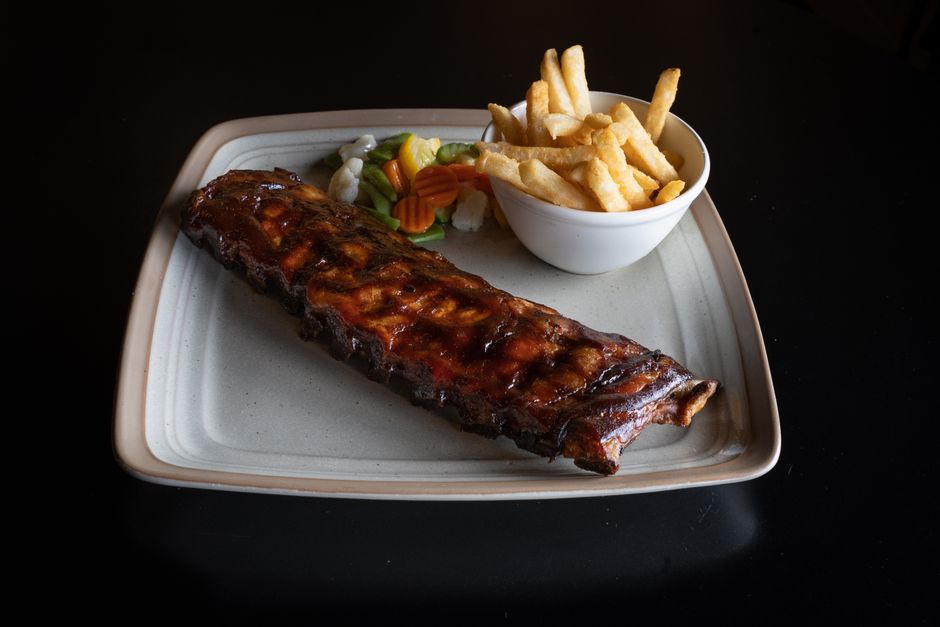
The 3-2-1 method breaks the cook into three stages that each do one job: unwrapped smoke builds bark and smoke flavor, a foil-wrapped braise steams the ribs tender using their own juices plus butter and brown sugar, and a final unwrapped stretch firms the bark back up and sets a sticky glaze. The timing is built for tougher, thicker spare ribs, which is why it turns out meat that pulls cleanly off the bone instead of chewy or dry.
- Prep
- 20 min
- Cook
- 360 min
- Total
- 380 min
- Servings
- 8
Ingredients
- 2 racks (about 3 lbs each) pork spare ribs, St. Louis style, membrane removed
- 2 tablespoons yellow mustard
- 6 tablespoons BBQ dry rub (salt, brown sugar, paprika, garlic powder, black pepper)
- 4 tablespoons unsalted butter, cut into small pieces
- 4 tablespoons brown sugar
- 2 tablespoons honey
- 1/2 cup apple juice
- 1 cup barbecue sauce
Nutrition per serving
- Calories
- 932
- Protein
- 56g
- Carbs
- 41g
- Fat
- 61g
Based on the recipe as written, one serving. Recalculates if you swap an ingredient above. An estimate only, exact values depend on the specific ingredients used.
Need different units or a different yield? Try our Conversion Calculator →
Instructions
- 1Preheat a smoker to 225°F (107°C) using a mild wood like apple, cherry, or hickory.
- 2Peel the thin membrane off the back of each rack of ribs, working a butter knife under one corner and pulling it off in one piece with a paper towel for grip.
- 3Pat the ribs dry, rub both sides lightly with mustard as a binder, then coat evenly with the dry rub, pressing it into the meat.
- 4Place the ribs bone-side down on the smoker grates and smoke, unwrapped, for 3 hours, maintaining a steady 225°F (107°C).
- 5Lay out two long sheets of heavy-duty foil per rack. Place a rack meat-side up on each, scatter with half the butter and half the brown sugar, drizzle with half the honey and apple juice, then wrap tightly into a sealed packet.
- 6Return the wrapped ribs to the smoker, seam-side up, and cook for 2 hours, until they bend easily and a probe slides into the meat with almost no resistance.
- 7Carefully unwrap the ribs (hot liquid will pool in the foil) and place them back on the grates, meat-side up, discarding the foil and juices.
- 8Brush both sides generously with barbecue sauce and smoke unwrapped for 1 more hour, brushing with a second coat of sauce halfway through, until the sauce is tacky and set.
- 9Rest the ribs for 10 minutes, then slice between the bones and serve.
Tips & variations
- Baby back ribs are thinner and cook faster than spare ribs; use a 2-2-1 timeline instead (2 hours unwrapped, 2 hours wrapped, 1 hour glazing) or the meat can turn mushy.
- For a spicier bark, add a tablespoon of cayenne or chili powder to the dry rub.
- Swap the apple juice for pineapple juice for a tangier braise that also tenderizes slightly faster.
- No smoker? The same 3-2-1 timing works in an oven set to 225°F (107°C); the ribs just won't pick up smoke flavor, so consider adding a few drops of liquid smoke to the rub.
- Check for doneness by looking for about 1/4 inch of bone showing at the ends and a slight cracking of the bark when the rack is lifted with tongs.
Storage & reheating
Store leftover ribs in an airtight container in the refrigerator for up to 4 days, or freeze wrapped tightly in foil for up to 3 months. Reheat wrapped in foil with a splash of apple juice in a 300°F (150°C) oven for 20-30 minutes to keep them from drying out; a microwave will make the bark rubbery.
Tips from the Tulo kitchen
- Ribs are done by feel and temperature, not just the clock; look for an internal temperature around 200-203°F (93-95°C) in the thickest part of the meat for that classic tender-but-not-mushy texture.
- Buying a whole slab of spare ribs and trimming it into St. Louis style yourself (removing the rib tips and brisket bone) gives a more even rack that cooks more predictably than an already-trimmed one from some butchers.
FAQ
What does 3-2-1 actually mean?
It's the hours spent in each of the three cooking stages: 3 hours smoked unwrapped, 2 hours wrapped in foil, and 1 hour unwrapped again while the sauce sets. It's built specifically for pork spare ribs, not baby backs.
Do I need a meat thermometer for this method?
It's not strictly required since the timing is designed to work on its own, but probing for an internal temperature of 200-203°F (93-95°C) is the most reliable way to confirm the ribs are actually tender rather than just guessing from the clock.
Why are my ribs tough after following the times exactly?
Rack thickness and smoker temperature swings both affect this more than the clock does. If the ribs still resist a toothpick or bend test after the wrapped stage, give them another 30-45 minutes wrapped before moving to the final unwrapped stage.
Can I make 3-2-1 ribs on a gas or charcoal grill instead of a smoker?
Yes, using the indirect heat method: bank coals or light only one side of a gas grill, keep the ribs on the cool side, and add a few soaked wood chips in a foil pouch for smoke flavor while holding the grill at 225°F (107°C).