Roasted Cornish Hens Recipe
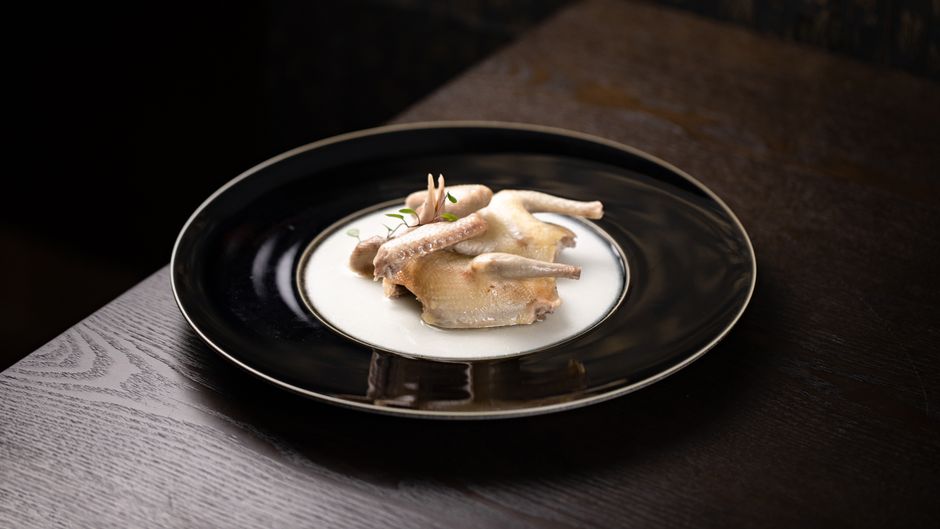
Rubbing garlic herb butter both over and under the skin bastes the meat from the inside as it renders, so the skin crisps deeply while the small, quick-cooking bird stays juicy; because each hen is portioned per person, there's no carving guesswork at the table.
- Prep
- 15 min
- Cook
- 50 min
- Total
- 65 min
- Servings
- 4
Ingredients
- 4 whole Cornish hens (1.5 to 2 lbs each)
- 6 tbsp unsalted butter, softened
- 4 cloves garlic, minced
- 2 tbsp fresh thyme leaves, chopped
- 1 tbsp lemon zest
- 2 whole lemons, halved
- 2 tbsp olive oil
- 2 tsp kosher salt
- 1 tsp black pepper, freshly ground
Nutrition per serving
- Calories
- 895
- Protein
- 58g
- Carbs
- 4g
- Fat
- 71g
Based on the recipe as written, one serving. Recalculates if you swap an ingredient above. An estimate only, exact values depend on the specific ingredients used.
Need different units or a different yield? Try our Conversion Calculator →
Instructions
- 1Remove the hens from the refrigerator 30 minutes before cooking and pat them completely dry with paper towels, inside and out.
- 2Preheat the oven to 425°F (220°C) and set a wire rack inside a rimmed sheet pan.
- 3In a small bowl, mash together the softened butter, garlic, thyme, and lemon zest until evenly combined.
- 4Gently loosen the skin over the breast and thighs of each hen with your fingers, then push about a tablespoon of the herb butter under the skin of each bird, spreading it as evenly as you can.
- 5Rub any remaining butter over the outside of the skin, then drizzle each hen with olive oil and season all over, including the cavity, with salt and pepper.
- 6Tuck the wing tips under the body and tie the legs together with kitchen twine. Place half a lemon inside each cavity.
- 7Arrange the hens breast-side up on the rack, spaced apart so hot air can circulate, and roast for 45-55 minutes.
- 8Check for doneness by inserting an instant-read thermometer into the thickest part of the thigh without touching bone; it should read 165°F (74°C).
- 9Let the hens rest for 10 minutes before serving, tented loosely with foil.
Tips & variations
- Spatchcock the hens by removing the backbone and pressing them flat before roasting; they'll cook about 10 minutes faster and brown more evenly.
- Swap the thyme for rosemary or sage, or use a mix, depending on what's on hand.
- For a glossy finish, brush the hens with a little honey or maple syrup during the last 10 minutes of roasting.
- Toss halved potatoes or carrots in the drippings on the sheet pan alongside the hens for a one-pan meal.
Storage & reheating
Refrigerate leftover hens in an airtight container for up to 4 days. Reheat covered in a 300°F (150°C) oven for about 15 minutes to warm through without drying out the meat; microwaving tends to make the skin rubbery.
Tips from the Tulo kitchen
- If the hens are frozen, thaw them fully in the refrigerator for 1 to 2 days before cooking; roasting from partially frozen leads to uneven cooking.
- Letting the birds sit at room temperature for the 30 minutes before roasting helps them cook more evenly instead of searing outside while staying cold in the center.
FAQ
How long does it take to roast a Cornish hen?
A 1.5 to 2 pound hen takes about 45 to 55 minutes at 425°F (220°C), or roughly 20 to 25 minutes per pound, until the thigh reaches 165°F.
Do I need to truss Cornish hens?
Tying the legs together helps the birds hold their shape and cook more evenly, but it isn't strictly necessary; untrussed hens will just have slightly more exposed thigh meat that can brown faster.
Can I cook Cornish hens from frozen?
It's not recommended. Thaw them completely in the refrigerator first so the whole bird reaches a safe temperature at the same rate during roasting.
What sides go well with Cornish hens?
Roasted root vegetables, wild rice pilaf, or a simple green salad all work well since the hens are rich enough on their own without needing a heavy side.