Chicken Livers and Onions Recipe
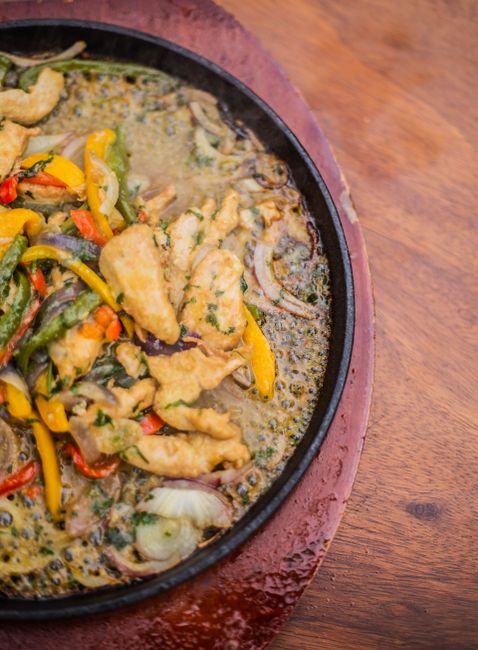
Dredging the livers lightly in flour before a hot, quick sear locks in a browned crust while keeping the inside tender rather than chalky, and slow-caramelized onions add the sweetness that balances the livers' iron-rich, slightly mineral flavor.
- Prep
- 15 min
- Cook
- 40 min
- Total
- 55 min
- Servings
- 4
Ingredients
- 1 lb chicken livers, trimmed
- 1 cup whole milk (for soaking, optional)
- 2 slices bacon, chopped
- 3 tbsp unsalted butter
- 1 tbsp olive oil
- 2 medium yellow onions, thinly sliced
- 2 cloves garlic, minced
- 1 tsp fresh thyme leaves
- 1/4 cup all-purpose flour, for dredging
- 1 tsp kosher salt
- 1/2 tsp black pepper
- 1/4 cup chicken stock or dry sherry
- 2 tbsp fresh parsley, chopped
Nutrition per serving
- Calories
- 416
- Protein
- 33g
- Carbs
- 19g
- Fat
- 23g
Based on the recipe as written, one serving. Recalculates if you swap an ingredient above. An estimate only, exact values depend on the specific ingredients used.
Need different units or a different yield? Try our Conversion Calculator →
Instructions
- 1If time allows, soak the trimmed chicken livers in milk for 30 minutes to mellow their metallic edge, then drain and pat completely dry; trim away any greenish spots or connective membrane, and season with half the salt and pepper.
- 2In a heavy skillet (cast iron works well) over medium heat, cook the chopped bacon until crisp, about 5 minutes. Remove with a slotted spoon and set aside, leaving the rendered fat in the pan.
- 3Add the butter and olive oil to the bacon fat and raise the heat to medium. Add the sliced onions and cook, stirring occasionally, until they collapse and turn deep golden brown, 20-25 minutes; lower the heat if they start to scorch before softening.
- 4Push the onions to the side of the pan, add the garlic and thyme to the cleared space, and cook 30 seconds until fragrant, then stir everything together and transfer the onion mixture to a plate.
- 5Dredge the livers lightly in flour seasoned with the remaining salt and pepper, shaking off the excess.
- 6Raise the heat to medium-high, add a little more oil if the pan looks dry, and sear the livers in a single layer without crowding, 2-3 minutes per side, until well browned outside and just barely pink in the thickest part.
- 7Return the caramelized onions and bacon to the pan, pour in the chicken stock or sherry, and scrape up the browned bits from the bottom; simmer 1-2 minutes until slightly thickened.
- 8Stir in the parsley, taste and adjust the salt and pepper, and serve immediately over mashed potatoes, grits, or toasted bread.
Tips & variations
- Soaking the livers in milk or buttermilk before cooking pulls out some of the blood and mellows the strong, metallic flavor some people find off-putting.
- Swap the chicken stock for a splash of apple cider vinegar or Madeira for a tangier or sweeter pan sauce.
- A well-seasoned cast iron or nonstick skillet matters here, since liver proteins stick aggressively to bare stainless steel over high heat.
- For a smokier version, render the bacon fat longer and finish the dish with a pinch of smoked paprika.
Storage & reheating
Refrigerate leftovers in an airtight container for up to 3 days. Reheat gently in a skillet over low heat just until warmed through; high heat or a microwave will toughen the livers further, since they're already fully cooked.
Tips from the Tulo kitchen
- Trim off any tough white or greenish connective tissue before cooking, it turns rubbery and bitter no matter how it's cooked.
- Blot the livers dry after soaking; excess surface moisture steams them instead of letting them sear and brown properly.
FAQ
How do you get rid of the bitter taste in chicken livers?
Soak them in milk or buttermilk in the refrigerator for 30 minutes to an hour before cooking, then drain and pat dry; this pulls out residual blood, which is the main source of the metallic, bitter edge.
Is it safe to eat chicken livers slightly pink?
Chicken livers are safe once they reach an internal temperature of 165°F, but many cooks pull them a touch earlier for a softer texture; if you're serving them to anyone in a high-risk group, cook to the full 165°F using a meat thermometer.
Why did my chicken livers turn out rubbery?
Overcooking is almost always the cause. Livers cook fast, usually 2-3 minutes per side, and continue cooking briefly off the heat, so pulling them while still slightly pink in the center prevents the tough, grainy texture.
Can I use frozen chicken livers?
Yes. Thaw them completely in the refrigerator overnight and drain off any excess liquid before soaking or dredging, since wet livers won't brown well in the pan.