
Chicken Liver
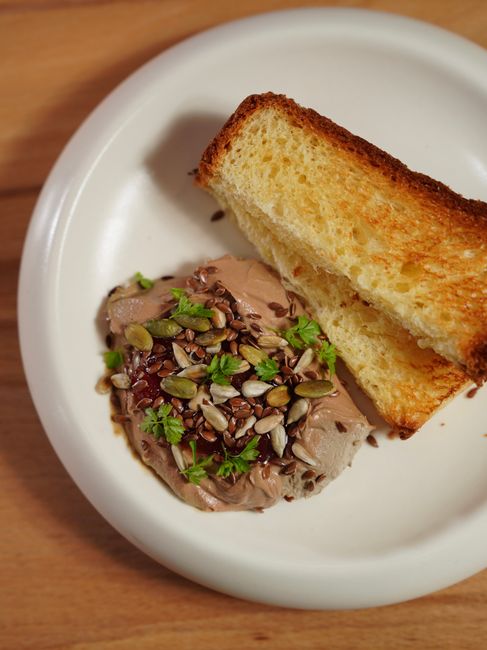
Chicken liver is the organ meat from poultry, sold fresh or frozen, prized for its rich, mineral-forward flavor and soft, custardy texture when cooked properly. It's the base for pate and mousse, a common ingredient in stuffing, and a quick pan-fried dish on its own in many cuisines. Compared to beef or pork liver, chicken liver has a milder, less metallic taste and cooks much faster.
Varieties
Chicken liver is generally sold and cooked the same way regardless of breed, though free-range or pasture-raised birds tend to yield firmer, less fatty livers than conventionally raised ones. This differs from beef or duck liver, which vary more noticeably in richness and size.
Buying tips
Look for livers that are deep reddish-brown and glossy, not gray, dull, or leaking excess liquid. Avoid packages with a strong odor, since fresh liver should smell mild. Buy from a source with fast turnover, as organ meats spoil faster than muscle cuts.
Substitutes
Chicken hearts (mixed in or blended) — 1:1 by weight
Firmer texture and less mineral flavor; works in pate if blended smooth, less ideal for pan-frying whole.
Duck liver — 1:1 by weight
Richer and fattier with a more pronounced flavor; excellent in pate, slightly too intense for simple saute dishes.
Beef liver, finely diced — 3:4 by weight
Stronger, more mineral taste, so use somewhat less to avoid overpowering the dish.
Mushroom and lentil blend (for a meat-free stand-in) — 1:1 by weight
Won't replicate the iron-rich flavor but gives a comparable dense, spreadable texture for pate-style uses.
Storage
Fresh chicken liver is highly perishable. Keep it in its original packaging or a sealed container in the coldest part of the refrigerator and use within 1 to 2 days. For longer storage, freeze in a single layer on a tray, then transfer to a freezer bag for up to 3 months. Thaw in the refrigerator, never at room temperature.
How to use
Trim away any greenish spots, connective membrane, and visible fat before cooking. Pat dry and sear quickly in hot butter or oil, 2 to 3 minutes per side, so the outside browns while the center stays pink and creamy. Overcooking turns it grainy and chalky. Blend cooked liver with butter, cream, and brandy or sherry for pate, or dice raw into stuffing and gravy for depth.
What it pairs with
Pairs well with caramelized onions, apples, bacon, sherry or brandy, fresh thyme, and butter. Serve pan-fried liver over polenta or mashed potatoes, or spread pate on toasted baguette with cornichons.
Nutrition
Chicken liver is exceptionally high in iron, vitamin A, and vitamin B12, along with a substantial amount of copper. A small 100-gram serving covers more than a day's worth of vitamin A, so it's not an ingredient to eat in large quantities regularly.
FAQ
How do I know when chicken liver is cooked through but not overdone?
Cut into the thickest piece; it should be light pink in the center with no visible red blood, not gray throughout. This usually takes about 2 to 3 minutes per side in a hot pan.
Why does my chicken liver taste bitter?
Bitterness usually comes from not trimming the green-tinged bile ducts or connective tissue, or from overcooking the liver until it turns tough and grainy.
Can I eat chicken liver every day?
It's not recommended due to its very high vitamin A and copper content; most guidance suggests limiting organ meat to once or twice a week.
Do I need to soak chicken liver in milk before cooking?
Soaking in milk for 30 minutes to an hour can mellow any strong flavor and slightly firm the texture, though it's optional if the liver is already fresh and well-trimmed.
Have chicken liver on hand? Find recipes with our Recipe Generator →