Reflux-Friendly Baked Chicken and Rice Recipe
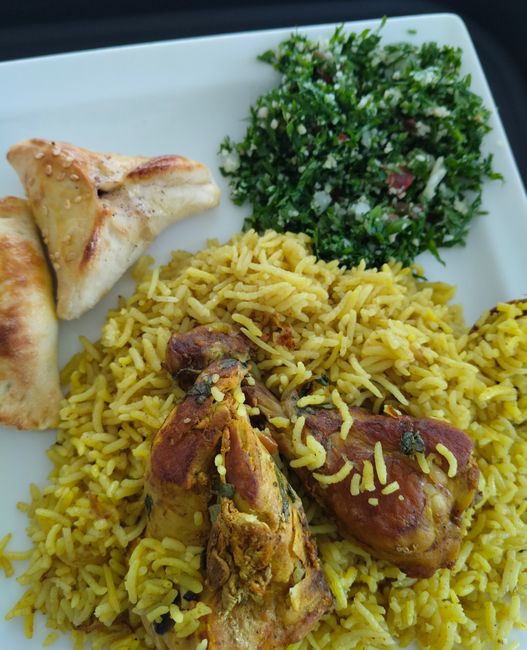
Reflux esophagitis flares up around a short list of well-documented triggers: high-fat foods, citrus, tomato, caffeine, alcohol, mint, chocolate, carbonation, and heavy black pepper or chili heat, all of which relax the lower esophageal sphincter or irritate already-inflamed tissue. This dish is built entirely around what's left: lean chicken breast, plain white rice, mild vegetables, and gentle herbs, cooked low and slow in a covered dish so nothing needs added fat or an acidic pan sauce to taste finished.
- Prep
- 15 min
- Cook
- 45 min
- Total
- 1 hr
- Servings
- 6
Ingredients
- 1 1/2 lb boneless, skinless chicken breasts
- 1 1/2 cups long-grain white rice, uncooked
- 3 cups low-sodium chicken broth
- 1 cup carrots, diced
- 1 cup zucchini, diced
- 1 tbsp olive oil
- 1 clove garlic, minced (optional)
- 1 tsp fresh thyme, chopped
- 1/2 tsp fine salt
- 2 tbsp fresh parsley, chopped
Nutrition per serving
- Calories
- 251
- Protein
- 13g
- Carbs
- 40g
- Fat
- 4g
Based on the recipe as written, one serving. Recalculates if you swap an ingredient above. An estimate only, exact values depend on the specific ingredients used.
Need different units or a different yield? Try our Conversion Calculator →
Instructions
- 1Preheat the oven to 375°F (190°C). Lightly coat a 9x13-inch baking dish with the olive oil.
- 2Pat the chicken breasts dry and season both sides with salt and thyme only, skipping black pepper, chili, or citrus-based rubs, which are common reflux triggers.
- 3In the baking dish, stir together the rice, chicken broth, carrots, zucchini, and garlic (if using) until evenly combined.
- 4Nestle the seasoned chicken breasts on top of the rice mixture, pressing them down slightly so they're partially submerged in the liquid.
- 5Cover the dish tightly with foil and bake for 35-40 minutes, until the rice has absorbed the liquid and the chicken reaches 165°F (74°C) at its thickest point.
- 6Remove the foil, let the dish rest for 5 minutes, then fluff the rice gently around the chicken and scatter with fresh parsley before serving.
Tips & variations
- Swap the rice for quinoa or peeled, diced potatoes if you tolerate them better; both cook through in roughly the same time in this covered method.
- If garlic and onion are personal triggers, which they are for a meaningful share of reflux patients even though they're not universal irritants, simply leave the garlic out; the dish still works.
- Fresh dill or basil can replace the thyme for variety without introducing anything acidic or spicy.
- Trimmed, skinless chicken thighs work in place of breasts, but pat off any visible fat before seasoning since fattier cuts slow digestion and can worsen symptoms.
Storage & reheating
Refrigerate leftovers in an airtight container for up to 4 days. Reheat gently in a covered dish in the microwave or a 300°F (150°C) oven with a splash of broth to keep the rice from drying out; avoid reheating in a way that browns or crisps the chicken, since added char and crust can bring back some of the toughness that's harder to digest.
Tips from the Tulo kitchen
- Eating this in smaller portions rather than one large plateful puts less pressure on the stomach and lower esophageal sphincter, which matters as much as the ingredient list itself.
- Sitting upright for at least two to three hours after eating, rather than reclining, reduces the chance of acid moving back up into the esophagus regardless of what was on the plate.
FAQ
What foods should be avoided with reflux esophagitis?
The most commonly cited triggers are high-fat and fried foods, citrus fruits and juices, tomato and tomato-based sauces, chocolate, caffeine, alcohol, mint, carbonated drinks, and heavily spiced or chili-based dishes. These either relax the lower esophageal sphincter, allowing acid to move upward, or irritate esophageal tissue that's already inflamed.
Is garlic and onion off-limits with reflux esophagitis?
Not universally, but they're a frequent trigger for a subset of people. If symptoms flare after eating them, they're worth cutting for a few weeks to see if that alone reduces symptoms, which is why this recipe lists garlic as optional.
Can I eat rice and chicken safely with reflux esophagitis?
Yes. Plain, lean protein and low-fat starches like white rice, potatoes, or oatmeal are generally well tolerated because they're low in fat and non-acidic, both of which matter more to symptom control than any single ingredient being labeled 'good' or 'bad'.
What drinks make reflux esophagitis worse?
Coffee, regular and decaf alike in some people, carbonated soda, alcohol, and citrus juices are the drinks most often linked to worsened symptoms; plain water or non-mint herbal tea is a safer default alongside meals.