Blackstone Griddle Steak with Algae Oil Recipe
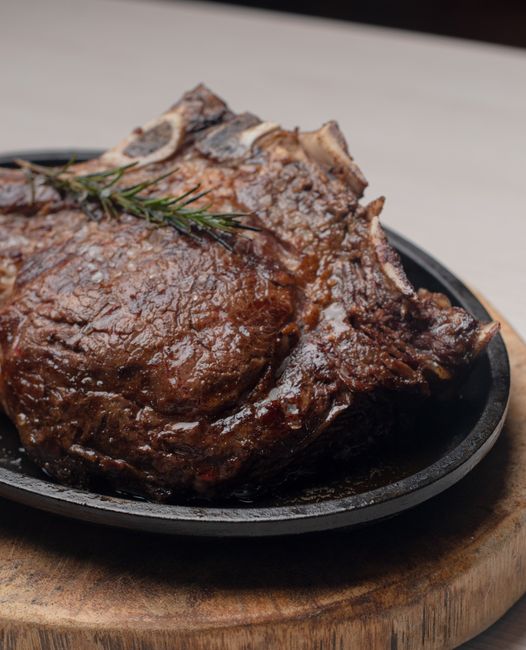
Algae cooking oil has a smoke point above 480°F and almost no flavor of its own, so it can sit on a screaming-hot griddle long enough to form a deep crust on the steak without scorching or turning bitter the way many vegetable oils do at that temperature.
- Prep
- 10 min
- Cook
- 15 min
- Total
- 25 min
- Servings
- 4
Ingredients
- 4 (8-ounce) steaks ribeye steaks, about 1 inch thick
- 2 tablespoons algae cooking oil
- 2 teaspoons kosher salt
- 1 teaspoon black pepper, freshly ground
- 2 tablespoons unsalted butter
- 4 cloves garlic cloves, smashed
- 4 sprigs fresh thyme sprigs
Nutrition per serving
- Calories
- 688
- Protein
- 47g
- Carbs
- 2g
- Fat
- 55g
Based on the recipe as written, one serving. Recalculates if you swap an ingredient above. An estimate only, exact values depend on the specific ingredients used.
Need different units or a different yield? Try our Conversion Calculator →
Instructions
- 1Remove the steaks from the refrigerator 30 minutes before cooking and pat them dry with paper towels.
- 2Season both sides generously with kosher salt and black pepper.
- 3Preheat a Blackstone griddle to high heat (475-500°F) for about 10 minutes, until the surface is evenly hot across the whole cooking zone.
- 4Drizzle the algae cooking oil onto the griddle and spread it into a thin, even layer with a metal spatula.
- 5Lay the steaks on the griddle, leaving space between each, and sear undisturbed for 3-4 minutes per side to build a deep, even crust.
- 6Push the steaks to a cooler section of the griddle, add the butter, garlic, and thyme, and spoon the melted butter over the steaks for the last minute of cooking.
- 7Check the internal temperature with a meat thermometer inserted into the thickest part: 130°F for medium-rare, 140°F for medium.
- 8Transfer the steaks to a plate and rest for 5-7 minutes before slicing against the grain.
Tips & variations
- Algae cooking oil is fermented from microalgae rather than pressed from a crop, and it's naturally high in monounsaturated fat, similar in composition to olive oil, but with almost no flavor of its own, so it won't compete with the butter baste.
- If a Blackstone isn't available, a heavy cast iron skillet works the same way; just use a smaller amount of oil since the surface area is smaller.
- For a garlic-forward finish, mince two of the garlic cloves instead of smashing them and stir them into the butter as it melts.
Storage & reheating
Store leftover steak in an airtight container in the refrigerator for up to 4 days. Reheat gently in a low oven (275°F) until just warmed through, or slice cold over a salad rather than microwaving, which tends to overcook it further.
Tips from the Tulo kitchen
- Patting the steaks fully dry before seasoning helps the crust form faster, since a wet surface steams instead of browning on contact with the hot oil.
- Let the griddle preheat for the full 10 minutes before adding oil; a griddle that isn't fully hot yet is the most common reason for a gray, steamed exterior instead of a browned crust.
FAQ
What is algae cooking oil made from?
It's extracted from fermented microalgae grown in controlled tanks rather than pressed from a plant crop, which gives it a consistently neutral taste and a smoke point around 480-535°F depending on the brand.
Can algae oil replace olive oil or avocado oil in this recipe?
Avocado oil is the closest substitute since it shares a similarly high smoke point; olive oil will work but is more likely to smoke and taste slightly bitter at the high heat this griddle sear requires.
Does algae cooking oil taste like fish or seaweed?
No. Despite coming from algae, the refined oil sold for cooking has a clean, neutral flavor with no marine or seaweed taste.
Why use algae oil instead of a cheaper vegetable oil for searing?
Its smoke point is meaningfully higher than canola or vegetable oil, so it stays stable through a hard sear on a very hot griddle instead of breaking down and producing acrid smoke.