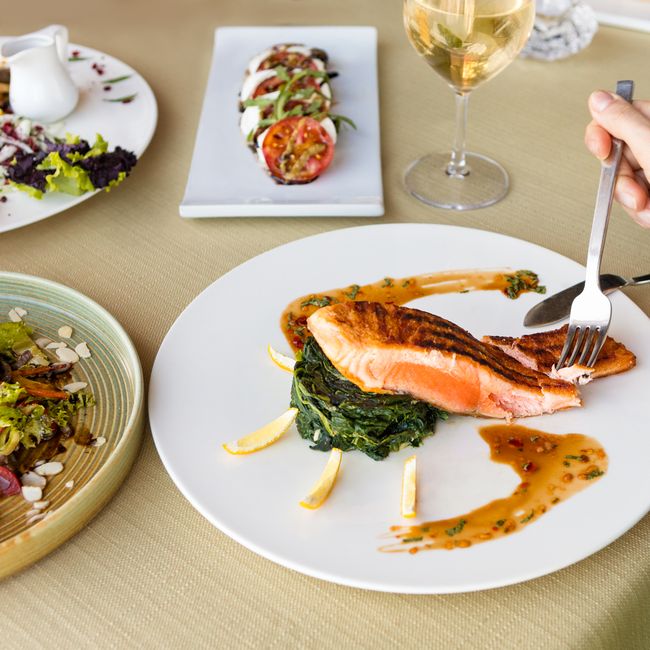
Oven-Roasted Chicken Thighs and Vegetables Recipe
This dish is a good example of true roasting rather than baking: a hot 425°F oven and an uncovered, single layer of food let dry heat circulate freely, which browns the chicken skin and caramelizes the vegetables' surface sugars. Baking, by contrast, usually means a gentler, more even heat used to set a batter or dough from the inside out, with browning as a side effect rather than the goal. Roasting here is about building a crisp, browned exterior on food that already has structure (meat, root vegetables) before the heat ever touches it.
- Prep
- 15 min
- Cook
- 40 min
- Total
- 55 min
- Servings
- 4
Ingredients
- 8 thighs bone-in, skin-on chicken thighs
- 1 1/2 lb Yukon Gold potatoes, quartered
- 1 lb carrots, cut into 2-inch pieces
- 3 tbsp olive oil
- 6 cloves garlic cloves, smashed
- 2 tbsp fresh rosemary, chopped
- 2 tsp kosher salt
- 1 tsp black pepper
Nutrition per serving
- Calories
- 779
- Protein
- 47g
- Carbs
- 46g
- Fat
- 45g
Based on the recipe as written, one serving. Recalculates if you swap an ingredient above. An estimate only, exact values depend on the specific ingredients used.
Need different units or a different yield? Try our Conversion Calculator →
Instructions
- 1Preheat the oven to 425°F (220°C) and set a rack in the center position.
- 2Pat the chicken thighs dry with paper towels, this is what lets the skin crisp instead of steaming, then season both sides with half the salt and pepper.
- 3On a large rimmed sheet pan, toss the potatoes and carrots with the olive oil, smashed garlic, rosemary, and the remaining salt and pepper. Spread them into a single layer, don't crowd the pan or the vegetables will steam instead of brown.
- 4Nestle the chicken thighs skin-side up directly on top of the vegetables, leaving space between each piece.
- 5Roast, uncovered, for 35-40 minutes, until an instant-read thermometer inserted into the thickest part of a thigh (avoiding bone) reads 165°F (74°C) and the skin is deep golden brown.USDA safe minimum for poultry: 165°F (74°C)
- 6If the vegetables aren't yet fork-tender when the chicken hits temperature, move the thighs to a plate and return the pan to the oven for another 5-8 minutes.
- 7Let the chicken rest for 5 minutes before serving alongside the roasted vegetables.
Tips & variations
- Swap the potatoes and carrots for other sturdy vegetables like parsnips, red onion wedges, or Brussels sprouts, anything that can hold up to 40 minutes of high heat without turning to mush.
- For extra-crisp skin, pat the chicken dry and season it up to a day ahead, then leave it uncovered on a plate in the fridge; the dry surface browns faster in the oven.
- If the skin browns too fast before the chicken hits 165°F, tent that section loosely with foil for the remaining cook time.
Storage & reheating
Refrigerate leftovers in an airtight container for up to 4 days. Reheat in a 375°F oven for 10-15 minutes to re-crisp the skin; microwaving works but leaves the skin soft.
Tips from the Tulo kitchen
- Cutting the potatoes and carrots into similarly sized pieces keeps them finishing at the same rate, so nothing ends up underdone while the rest turns mushy.
- Elevating the chicken slightly, on a wire rack over the sheet pan if available, lets hot air reach the underside of the skin too, for more even browning.
FAQ
What is the actual difference between baking and roasting?
Both use dry oven heat, but roasting typically means higher temperatures, usually 400°F or above, applied to food that already has some solid structure, like meat, poultry, or vegetables, specifically to brown and caramelize the exterior. Baking usually runs cooler, often 325-375°F, and is used for batters, doughs, and casseroles that need gentle, even heat to set or cook through from the inside, with browning as a secondary effect rather than the point.
Why is this chicken and vegetable dish considered roasting and not baking?
The chicken and vegetables are solid foods with their own shape and structure, cooked uncovered at a high 425°F to actively brown their surfaces, which is the defining goal of roasting. If the same ingredients were covered in a casserole dish at 350°F to cook through gently without much browning, that would be closer to baking.
Can I roast this at a lower temperature like 350°F instead?
Yes, but the skin won't crisp as well and the vegetables will caramelize less; at 350°F, plan on closer to 55-60 minutes and expect softer, paler results rather than deeply browned ones.
Do I need to flip the chicken or vegetables while roasting?
No flipping is needed for the chicken since it roasts skin-side up the whole time, but stirring the vegetables once around the halfway point helps them brown more evenly on multiple sides.