Balsamic Vinegar

Balsamic vinegar is made from reduced, fermented grape must (unfermented grape juice), giving it a dark color and a sweet-tart flavor unlike wine-based vinegars. Traditional balsamic from Modena or Reggio Emilia, Italy, is aged for years in wooden barrels and is thick, complex, and expensive; most supermarket balsamic is a younger, thinner commercial version, often with added caramel color and thickeners.
Varieties
Most bottles labeled 'balsamic vinegar of Modena' are a commercial blend of wine vinegar and grape must, fine for everyday cooking. True Aceto Balsamico Tradizionale (aged 12+ years, sold in a small, expensive bottle with a DOP seal) is a completely different, syrupy product meant for finishing dishes, not cooking with.
Buying tips
For everyday cooking, a mid-priced bottle labeled 'balsamic vinegar of Modena' (IGP) is the right call, save the true aged Tradizionale for finishing, not cooking, since heat destroys what makes it special.
Substitutes
Red wine vinegar + a little sugar or honey — 1:1, plus sweetener to taste
Approximates the sweet-tart balance without balsamic's specific depth.
Sherry vinegar — 1:1
Different flavor profile (nuttier, less sweet) but works in most savory applications.
Storage
Store tightly capped in a cool, dark pantry, it doesn't need refrigeration. Quality balsamic keeps well for years due to its acidity and sugar content.
How to use
Whisked into vinaigrettes, reduced into a syrupy glaze for drizzling over caprese salad or grilled meats, or splashed into pan sauces at the end of cooking (added early, its flavor cooks off).
What it pairs with
Classic with fresh mozzarella and tomatoes (caprese), strawberries, and grilled or roasted vegetables, its sweetness balances rich or bitter flavors like blue cheese and dark leafy greens.
Nutrition
Low in calories at typical serving sizes, about 14 calories per tablespoon, mostly from natural grape sugars.
FAQ
How do I know if I'm buying real balsamic vinegar?
True traditional balsamic (Aceto Balsamico Tradizionale) carries a DOP certification and is sold in small, expensive bottles. Most supermarket balsamic is a commercial-grade product, still genuinely useful for everyday cooking, just not the aged traditional version.
How do I make a balsamic glaze?
Simmer balsamic vinegar in a small saucepan over medium-low heat until it reduces by about half and coats the back of a spoon, roughly 10-15 minutes. It thickens further as it cools.
Have balsamic vinegar on hand? Find recipes with our Recipe Generator →
Recipes using balsamic vinegar
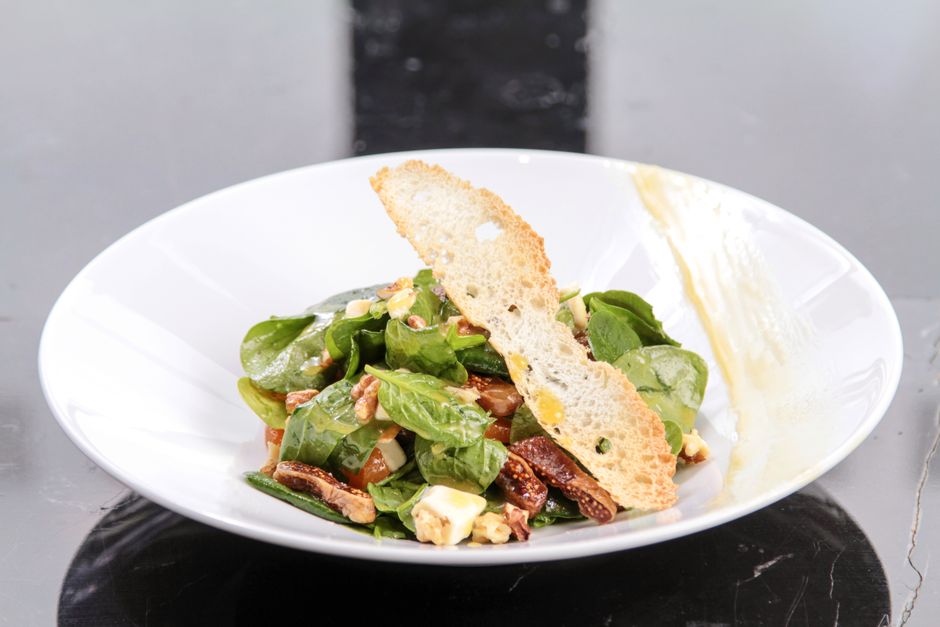
Fig and Goat Cheese Salad Recipe
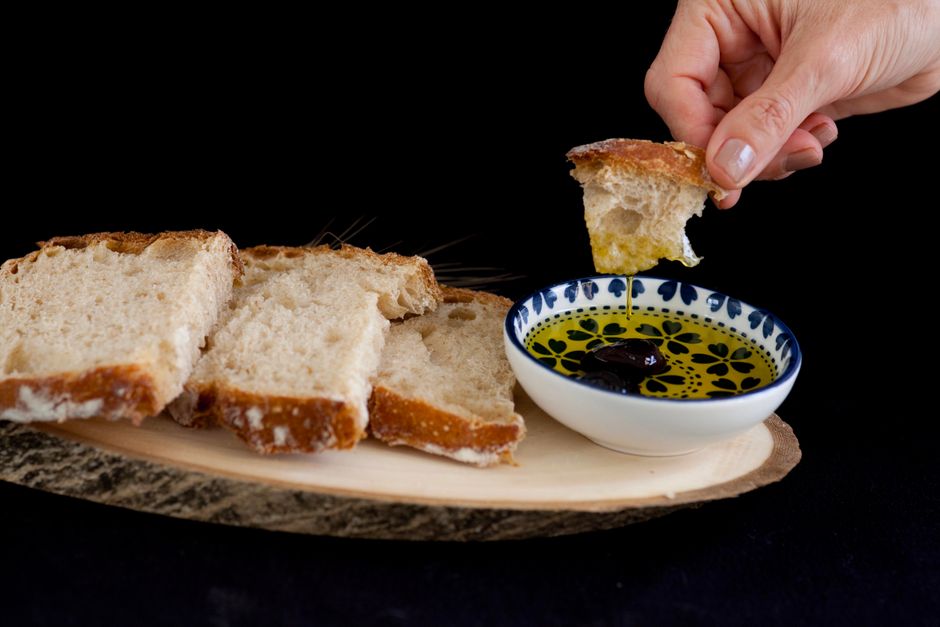
Extra Virgin Olive Oil Bread Dip Recipe

Roasted Beet Salad with Goat Cheese Recipe
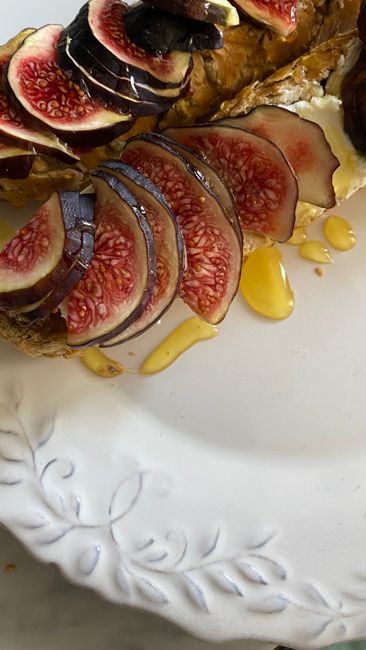
Honey-Roasted Figs Recipe
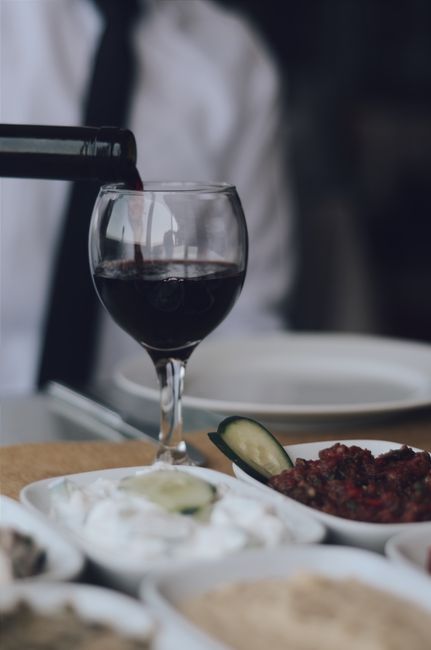
Non-Alcoholic Wine Recipe
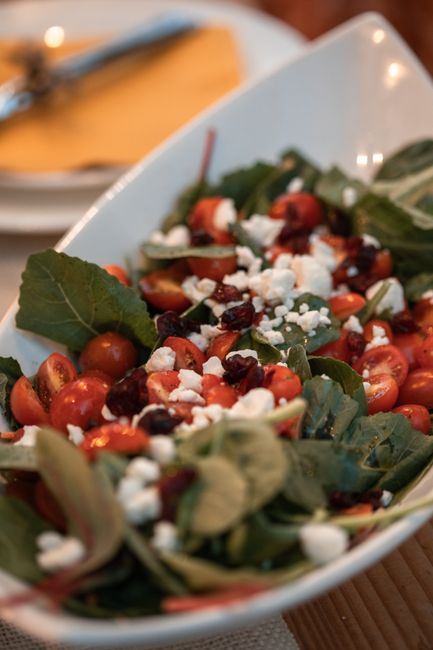
Fresh Cherry Spinach Salad with Walnuts and Feta
Red Wine Vinegar vs. Balsamic Vinegar Vinaigrette Recipe
Olive Oil Steak Marinade Recipe
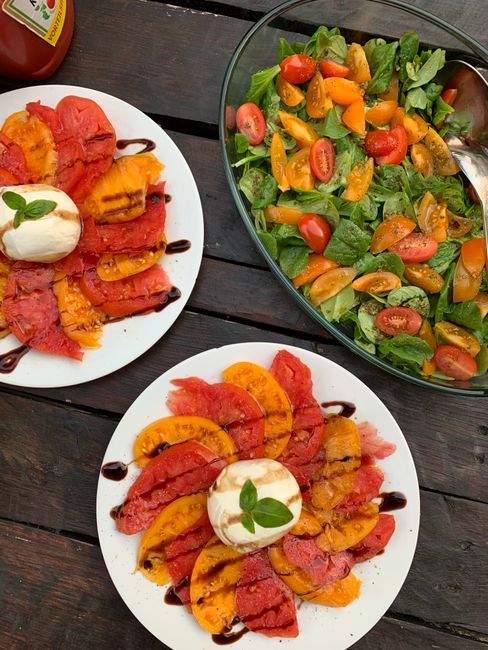
Fresh Tomato and Basil Salad Recipe
Marinated Blistered Cherry Tomatoes Recipe