Red Wine Vinegar vs. Balsamic Vinegar Vinaigrette Recipe
Using one identical base of oil, mustard, garlic, and honey and changing only the vinegar isolates the variable, so any difference in tartness, sweetness, color, or body on the same lettuce leaf comes from the vinegar itself, not from a different recipe.
- Prep
- 10 min
- Cook
- 0 min
- Total
- 10 min
- Servings
- 6
Ingredients
- 6 tbsp extra-virgin olive oil
- 2 tbsp red wine vinegar
- 2 tbsp balsamic vinegar
- 2 tsp Dijon mustard
- 1 tsp honey
- 1 clove garlic, minced
- 1/2 tsp salt
- 1/4 tsp black pepper, freshly ground
Nutrition per serving
- Calories
- 131
- Protein
- 0g
- Carbs
- 2g
- Fat
- 14g
Based on the recipe as written, one serving. Recalculates if you swap an ingredient above. An estimate only, exact values depend on the specific ingredients used.
Need different units or a different yield? Try our Conversion Calculator →
Instructions
- 1Set out two small bowls. Split the mustard, honey, minced garlic, salt, and pepper evenly between them (half in each).
- 2In the first bowl, whisk the mustard mixture until smooth, then drizzle in 3 tablespoons of the olive oil in a thin, steady stream while whisking constantly until the mixture thickens slightly and looks combined rather than separated.
- 3Whisk 2 tablespoons of red wine vinegar into the first bowl. This is Vinaigrette A. Taste it and note the sharpness and thin, watery texture.
- 4In the second bowl, whisk the remaining mustard mixture, then drizzle in the remaining 3 tablespoons of olive oil while whisking constantly to emulsify.
- 5Whisk 2 tablespoons of balsamic vinegar into the second bowl. This is Vinaigrette B. Taste it and note the sweetness and darker color.
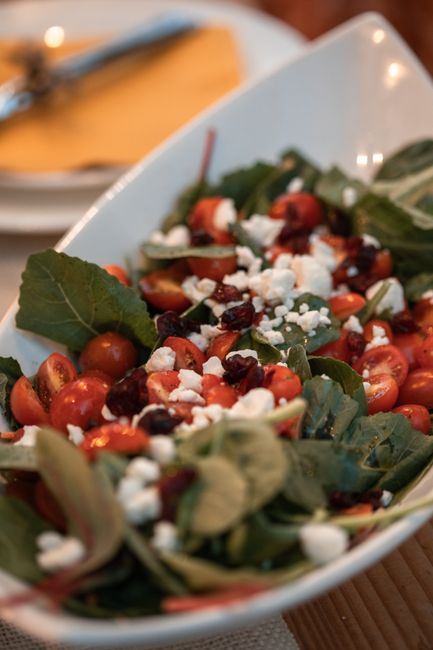
- 6Dress two small piles of the same lettuce, one with each vinaigrette, and taste them back to back on the same neutral green to compare directly.
- 7Store any unused vinaigrette in a sealed jar in the refrigerator and shake or re-whisk before using, since the oil and vinegar will separate on standing.
Tips & variations
- Red wine vinegar runs about 6-7% acidity and tastes sharply tart with almost no sugar, which is why it needs the honey to round it out; balsamic is naturally sweeter and less acidic, so a dressing made with it can taste flat if the honey isn't cut back slightly.
- For a milder red wine vinegar dressing, cut the vinegar to 1.5 tablespoons and add an extra teaspoon of olive oil.
- A cheap balsamic vinegar will taste thin and sharply acidic compared to an aged one; if the balsamic version tastes too sour, it's usually the vinegar, not the recipe.
- Swap in white wine vinegar for the red wine vinegar for a lighter, less fruity comparison, useful on delicate greens like butter lettuce.
Storage & reheating
Store each vinaigrette in a separate sealed jar or squeeze bottle in the refrigerator for up to 2 weeks. The oil will solidify and cloud when chilled; let the jar sit at room temperature for 10-15 minutes and shake well before serving.
Tips from the Tulo kitchen
- Whisking the vinegar into the emulsified oil-mustard mixture at the end, rather than mixing everything together at once, gives a noticeably thicker, less separated dressing.
- A splash of warm water (about 1 teaspoon) whisked in at the end loosens either vinaigrette without diluting the flavor if it turns out too thick to pour.
FAQ
What is the actual difference between red wine vinegar and balsamic vinegar?
Red wine vinegar is made by fermenting red wine and is sharply acidic (roughly 6-7% acidity) with almost no residual sugar. Balsamic vinegar is made from reduced grape must, aged in wood barrels, and carries natural sugars that make it noticeably sweeter and less sharply sour, plus a much darker, syrupy color.
Can I substitute one for the other in a recipe?
Yes, but expect a flavor shift. Substituting balsamic for red wine vinegar will make a dish sweeter and darker; substituting red wine vinegar for balsamic will make it sharper and lighter in color. Start with about three-quarters of the called-for amount and adjust to taste.
Why did my vinaigrette separate after sitting?
Oil and vinegar naturally separate once the emulsion isn't being agitated; this is normal for a shaken vinaigrette without a stabilizer. Re-whisk or shake the jar vigorously before each use to bring it back together.
Which vinegar is better for a green salad?
Red wine vinegar's sharper acidity tends to hold up better against bitter or peppery greens like arugula or radicchio, while balsamic's sweetness pairs better with milder greens or fruit-and-cheese salads where you want less bite.