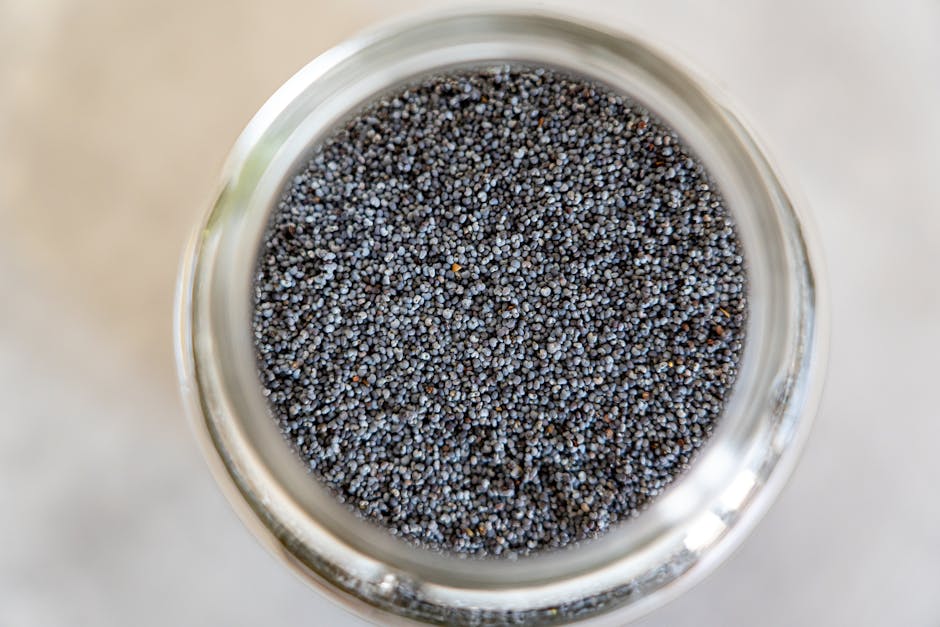
Dijon Mustard
Dijon mustard is a smooth, pale yellow-brown condiment made from brown or black mustard seeds, white wine or verjuice, and vinegar, originating from Dijon, France. It's sharper and more tangy than American yellow mustard, with less sweetness and no turmeric-based coloring, and it emulsifies smoothly into dressings and sauces without the grainy texture of whole-grain versions.
Varieties
Traditional dijon made in Burgundy under strict methods differs from generic 'dijon-style' mustards sold elsewhere, which can be milder and sweeter; whole-grain (moutarde a l'ancienne) is a related but distinct product with cracked, unblended seeds rather than a smooth puree.
Buying tips
Check the ingredient list for wine or verjuice rather than just vinegar and turmeric, which signals a true dijon-style product rather than a yellow mustard sold under the name. Smaller specialty jars often have a sharper, more assertive bite than large mass-market bottles.
Substitutes
Yellow mustard + splash of white wine vinegar — 1:1, plus a few drops of vinegar per tablespoon
Milder and slightly sweeter than dijon; the vinegar splash helps mimic dijon's tang, but the color will be brighter yellow.
Whole grain mustard — 1:1
Very close in flavor since it's made the same way, just with cracked seeds left in; fine for dressings and marinades but will add visible texture.
Dry mustard powder + white wine or water — 1 tsp powder + 2 tsp liquid per 1 tbsp dijon
Mix into a paste and let it sit 10 minutes to mellow the sharpness; closest match for flavor intensity when fresh dijon isn't on hand.
Horseradish sauce — 1:1, use less to taste
Works in vinaigrettes and glazes needing sharp heat, but lacks mustard's tang and adds a different, more nasal spiciness.
Mayonnaise blended with a pinch of dry mustard — 1:1
Only for emulsifying dressings where dijon's main job is binding oil and vinegar; contributes almost no mustard flavor on its own.
Storage
Unopened, dijon mustard keeps in the pantry for many months past the printed date. Once opened, refrigerate and use within about a year for best flavor; it rarely spoils outright but loses its sharp bite and can separate over time.
How to use
Whisk into vinaigrettes as an emulsifier, spread thin on sandwiches and burgers, stir into pan sauces after deglazing, coat meats before roasting to help crusts and herbs adhere, and blend into deviled egg filling or potato salad dressing.
What it pairs with
Pairs well with tarragon, white wine, cream, and shallots in classic French sauces, and with honey, rosemary, or maple for glazes on pork and chicken.
Nutrition
Dijon mustard is low in calories (about 5 per teaspoon) and fat-free, but it's noticeably higher in sodium than plain yellow mustard, so it's worth checking labels if you're tracking sodium closely.
FAQ
Is dijon mustard the same as yellow mustard?
No. Yellow mustard is made with white mustard seeds, vinegar, and turmeric for its bright color, while dijon uses brown or black seeds and wine or verjuice, giving it a sharper, less sweet flavor and a duller, tan color.
Can dijon mustard replace mustard powder in a recipe?
Yes, in wet applications like sauces or dressings, using about 1 tablespoon of dijon for every teaspoon of dry mustard called for, since dijon already includes liquid and some acidity that the recipe may already account for elsewhere.
Why does dijon mustard separate in the jar?
The oil-free brine can settle away from the ground seed solids over time, especially in older jars; a quick stir before use restores the texture and doesn't indicate spoilage.
Does dijon mustard go bad?
It rarely grows unsafe mold due to its acidity and salt content, but it does dull in flavor and darken slightly after long refrigerated storage, so taste before using it in a dish where sharpness matters most, like a vinaigrette.
Have dijon mustard on hand? Find recipes with our Recipe Generator →
Recipes using dijon mustard
Yukon Gold Potato Salad Recipe
Au Poivre Sauce Recipe
Roasted Pork Tenderloin Recipe

Roasted Beet Salad with Goat Cheese Recipe
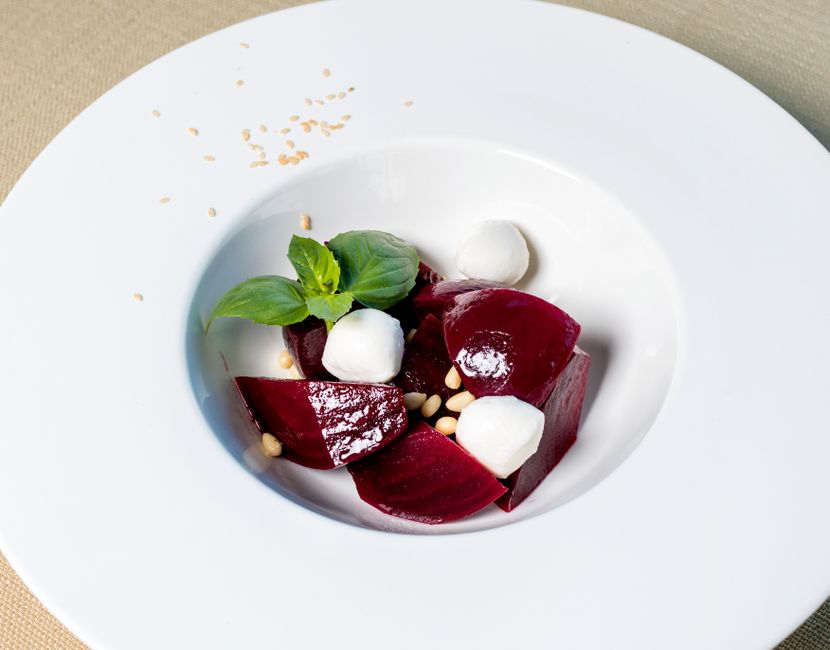
Shaved Raw Beet Salad Recipe
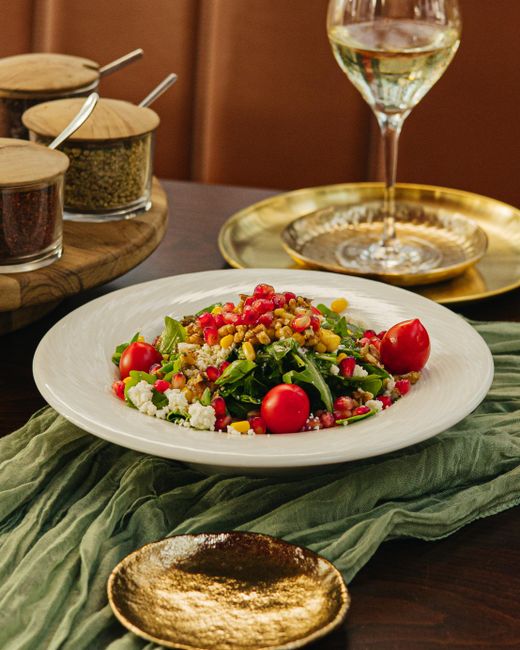
Red Wine Vinaigrette Recipe
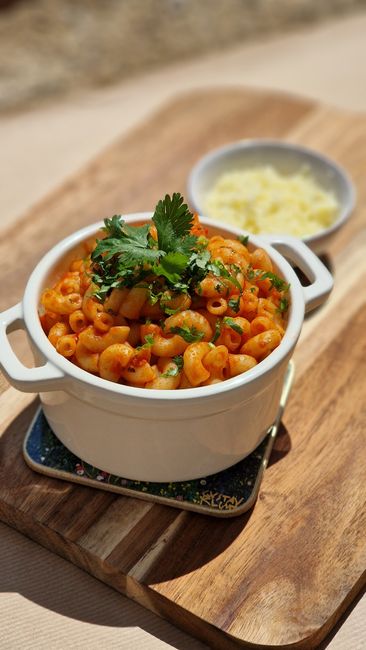
Gruyère Mac and Cheese Recipe
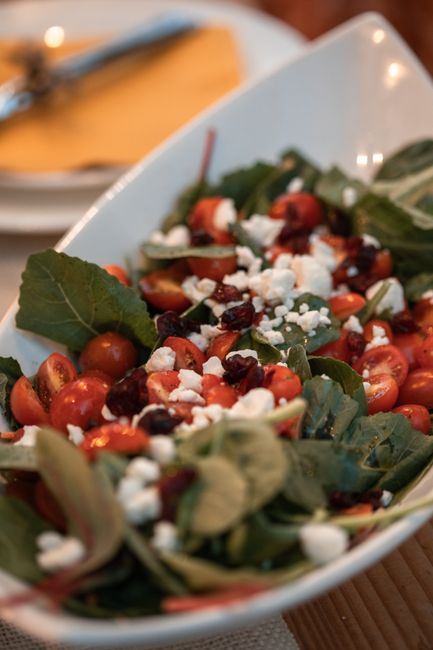
Fresh Cherry Spinach Salad with Walnuts and Feta
Red Wine Vinegar vs. Balsamic Vinegar Vinaigrette Recipe
Horseradish Sauce for Prime Rib Recipe
Olive Oil Steak Marinade Recipe
Crockpot Ham Recipe
Horseradish Sauce Recipe
Worcestershire Sauce Substitute Recipe
Pork Fillet Marinade Recipe

Chicken Cordon Bleu Casserole Recipe
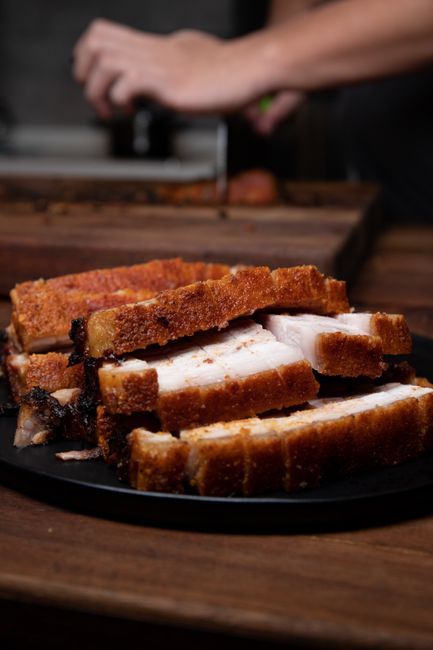
Garlic Herb Pork Loin Roast Recipe
Kings Hawaiian Sliders Recipe
Ham and Cheese Croissants
Gluten Free Mac and Cheese Recipe
Black Forest Ham and Swiss Sliders Recipe
Celery Salad with Celery Seed Dressing
Black Pepper Sauce Recipe
Dense Bean Salad Recipe
Tuna Salad Recipe
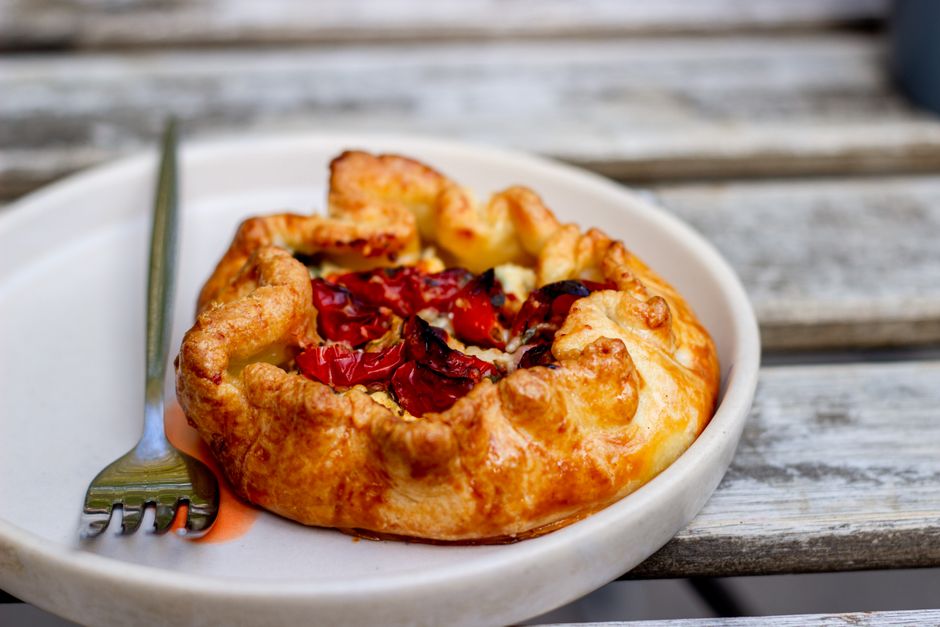
Puff Pastry Tomato Tart Recipe

Rotisserie Chicken Salad Recipe