
Dill
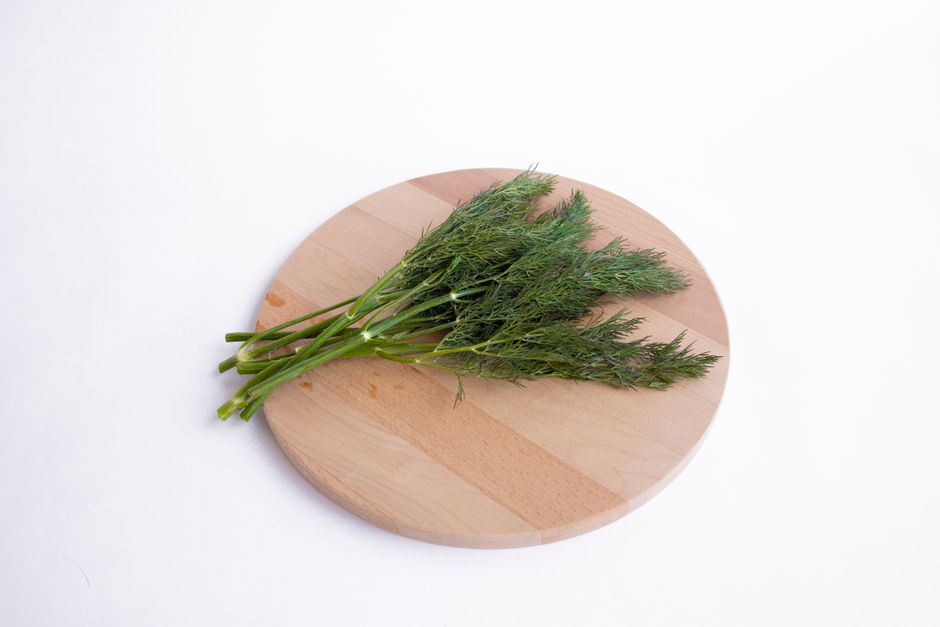
Dill (Anethum graveolens) is a feathery, delicate herb with a bright, slightly sweet, and grassy-anise flavor. Both the fine leaves (fronds) and the flat seeds are used in cooking, but they taste noticeably different: fresh dill weed is soft and herbaceous, while dill seed is warmer and more concentrated, closer to caraway.
Varieties
There isn't much varietal difference in dill sold at markets, but it's worth distinguishing dill weed (the fresh fronds, used for flavor and garnish) from dill seed (the dried fruit of the plant, used mainly in pickling and baking); they come from the same plant but taste and behave differently in recipes.
Buying tips
Choose bunches with feathery, vivid green fronds that look springy rather than wilted or yellowing. Avoid bunches with slimy or blackened stems, a sign it's been sitting too long. Smell it before buying if possible; fresh dill should have a clean, bright, slightly sweet aroma.
Substitutes
Dried dill weed — 1:3 (use 1/3 the amount)
Dried dill loses aroma fast but still works in soups, dressings, and dips where texture doesn't matter. Add it earlier in cooking than you would fresh so it has time to rehydrate.
Fresh tarragon — 1:1
Shares dill's anise-like note but is more assertive and slightly sweeter. Good in sauces, egg dishes, and with fish.
Fresh fennel fronds — 1:1
Milder anise flavor and a similar feathery texture, a close visual stand-in for garnishing.
Dill seed — 1:4 tsp seed per 1 tbsp fresh dill, crushed
Much more concentrated and warmer in flavor than fresh fronds; best in pickling brines, soups, or bread dough rather than as a garnish.
Fresh parsley plus a pinch of celery seed — 1:1 parsley, plus a small pinch of celery seed
Doesn't replicate the anise note but adds fresh green flavor and a savory edge when dill is unavailable and the dish isn't dill-forward.
Storage
Treat fresh dill like flowers: trim the stem ends, stand the bunch upright in a jar with an inch of water, cover loosely with a plastic bag, and refrigerate. Change the water every couple of days. It keeps this way for up to two weeks, far longer than wrapping it dry in a paper towel. Dill also freezes well: chop it and freeze in ice cube trays with a little water or olive oil.
How to use
Best added at the end of cooking or off heat entirely, since its flavor fades with prolonged heat. Classic in creamy potato and cucumber salads, salmon and other fish dishes, yogurt-based sauces like tzatziki, egg dishes, and pickling brines (where the whole flowering heads or seeds are traditional).
What it pairs with
Pairs especially well with salmon and other fatty fish, cucumber, yogurt and sour cream, potatoes, eggs, and lemon. Common in Scandinavian, Eastern European, and Middle Eastern cooking.
Nutrition
Dill is used in small quantities so it contributes little in the way of calories, but it does provide vitamin C, vitamin A, and small amounts of iron and manganese relative to its weight.
FAQ
Can I use the dill stems, or just the fronds?
Fine stems can be chopped along with the fronds for cooking and blending into sauces or dressings, but the thicker main stems are tough and fibrous and are usually strained out or discarded, similar to cilantro stems.
Why does my dill turn slimy in the fridge so fast?
Trapped moisture from washing before storage is the most common cause. Store dill dry, and only wash it right before use; the jar-of-water method with a loose bag on top keeps humidity around the leaves without direct contact.
Is dill pickle flavor from dill weed or dill seed?
Traditional dill pickles get their flavor primarily from dill seed and flowering dill heads added to the brine, not from fresh dill weed, which is why pickle flavor tastes warmer and less grassy than fresh dill.
Does fresh dill work in cooked dishes like soup?
Yes, but it should go in during the last few minutes of cooking or be sprinkled on right before serving; extended simmering flattens its bright flavor into something muddier and less distinct.