Eggs

Eggs are the backbone of most breakfast and brunch menus, prized for the way the yolk binds, thickens, and enriches while the white sets to give structure. A whole large egg contains both fat and protein in one shell, which is why it works as a leavener in baked goods, a binder in patties and meatloaf, and a standalone dish scrambled, fried, or poached.
Varieties
Duck eggs, sometimes used in richer brunch baking, have larger yolks and more fat than chicken eggs, giving custards and cakes a denser, richer crumb. Standard recipe measurements assume large chicken eggs; using extra-large or jumbo without adjusting can throw off batter consistency in baked goods.
Buying tips
Choose Grade AA or A cartons with no visible cracks, and shake gently to check nothing rattles loosely. Color (brown versus white) depends on the hen's breed, not freshness or nutrition. For brunch dishes where the yolk color and flavor matter, like hollandaise or custard, pasture-raised eggs tend to have deeper orange yolks.
Substitutes
Flax egg (1 tablespoon ground flaxseed plus 3 tablespoons water, rested 5 minutes) — 1 flax egg : 1 whole egg
Works as a binder in muffins, pancakes, and quick breads. It won't scramble or fry, and baked goods come out slightly denser.
Unsweetened applesauce (1/4 cup) — 1/4 cup : 1 whole egg
Adds moisture and mild sweetness to pancake and waffle batter, but contributes no protein and won't set like an egg does when heated.
Mashed ripe banana (1/4 cup, about half a medium banana) — 1/4 cup : 1 whole egg
Best in pancakes, waffles, and muffins where banana flavor is welcome; it browns baked goods faster because of its natural sugar.
Liquid egg substitute (such as Egg Beaters, 1/4 cup) — 1/4 cup : 1 whole egg
Scrambles and cooks almost identically to a real egg since it's largely egg white with color and stabilizers added; good for omelets and quiche fillings.
Silken tofu, blended smooth (1/4 cup) — 1/4 cup : 1 whole egg
Best for savory scrambles and quiche where a soft, custardy texture is wanted; season it well since tofu has almost no flavor on its own.
Storage
Keep eggs in their original carton on a middle shelf of the refrigerator, not the door, where temperature swings more. Refrigerated eggs stay safe for about 3 to 5 weeks past the pack date. Once cracked, use raw yolks or whites within 2 to 4 days in a sealed container.
How to use
For breakfast, eggs go into scrambles, fried and over-easy preparations, omelets, and poached dishes like eggs Benedict. For brunch baking, they leaven pancakes and waffles, bind French toast batter, set quiches and frittatas, and brush onto pastry as an egg wash for shine and color.
What it pairs with
Eggs pair naturally with smoked salmon, avocado, sharp cheddar or gruyere, fresh herbs like chives or dill, crisp bacon, and roasted breakfast potatoes. For brunch spreads, they sit well alongside citrus, sparkling wine cocktails, and buttery pastries.
Nutrition
One large egg has about 72 calories, 6 grams of protein, and 5 grams of fat, along with choline, vitamin D, and B12. Most of the fat and cholesterol sits in the yolk, so egg-white-only dishes cut calories but lose some nutrients along with it.
FAQ
Can egg whites replace whole eggs in a recipe?
Yes for binding, but the dish loses richness and fat. Use 2 egg whites in place of 1 whole egg, and expect a slightly drier texture in baked goods like muffins or cakes.
How can you tell if an egg is still good?
Submerge it in water: fresh eggs sink and lie flat, older but still usable eggs tilt upright, and eggs that float should be discarded since air has built up inside the shell as it ages.
Why do brunch recipes often call for room-temperature eggs?
Room-temperature eggs whip to greater volume and incorporate more evenly into batter, which matters for airy pancakes, souffle-style dishes, and cakes; cold eggs can cause butter in a batter to seize.
Can eggs be frozen?
Yes, but not in the shell. Beat whole eggs lightly before freezing in an airtight container, and they'll keep well for up to a year, mainly useful for baking rather than frying or poaching later.
Have eggs on hand? Find recipes with our Recipe Generator →
Recipes using eggs
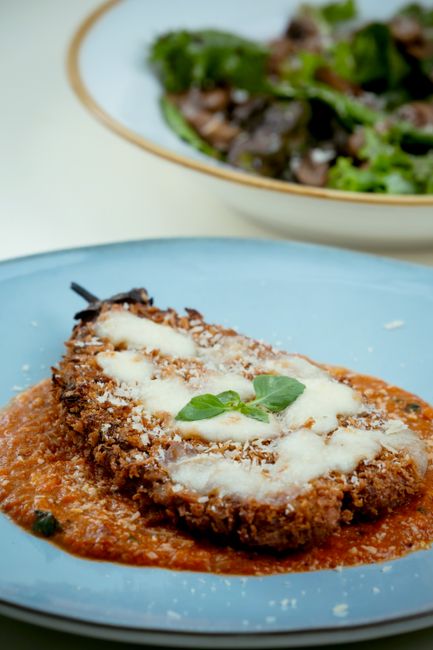
Eggplant Parmesan Recipe
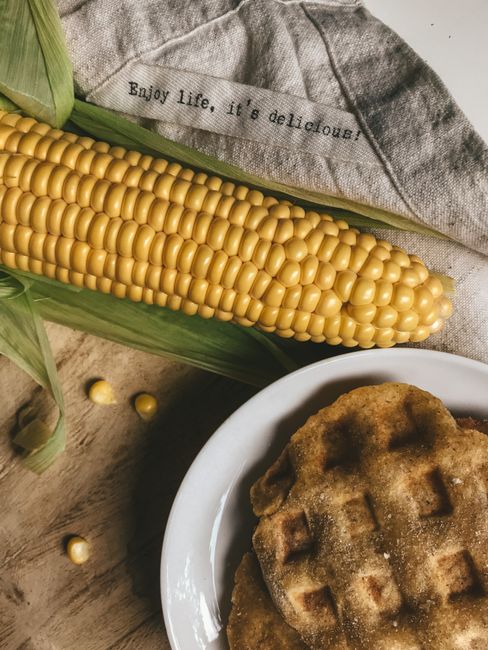
Corn Flour Cornbread Recipe
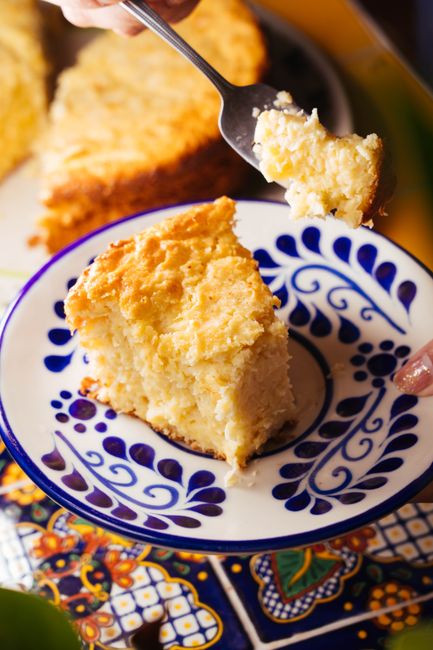
Gluten-Free Cornbread Recipe
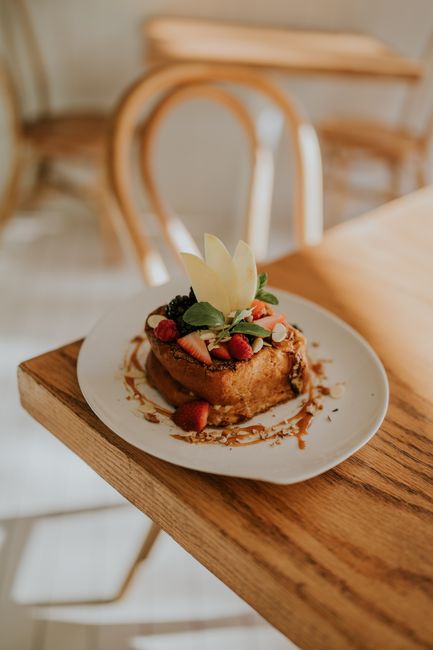
Sourdough French Toast Recipe

Fried Green Tomatoes Recipe
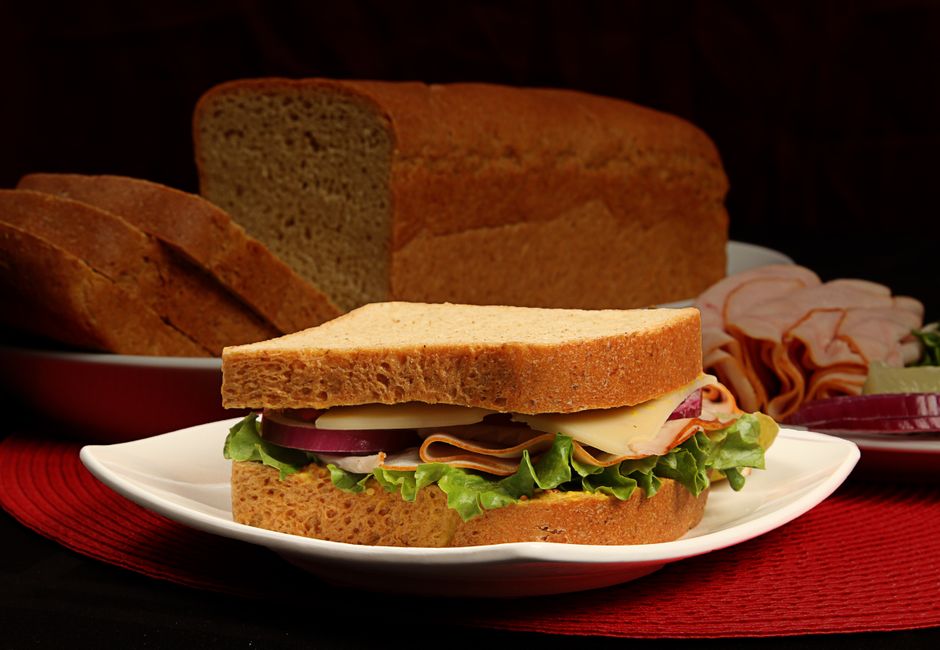
Gluten Free Bread Recipe
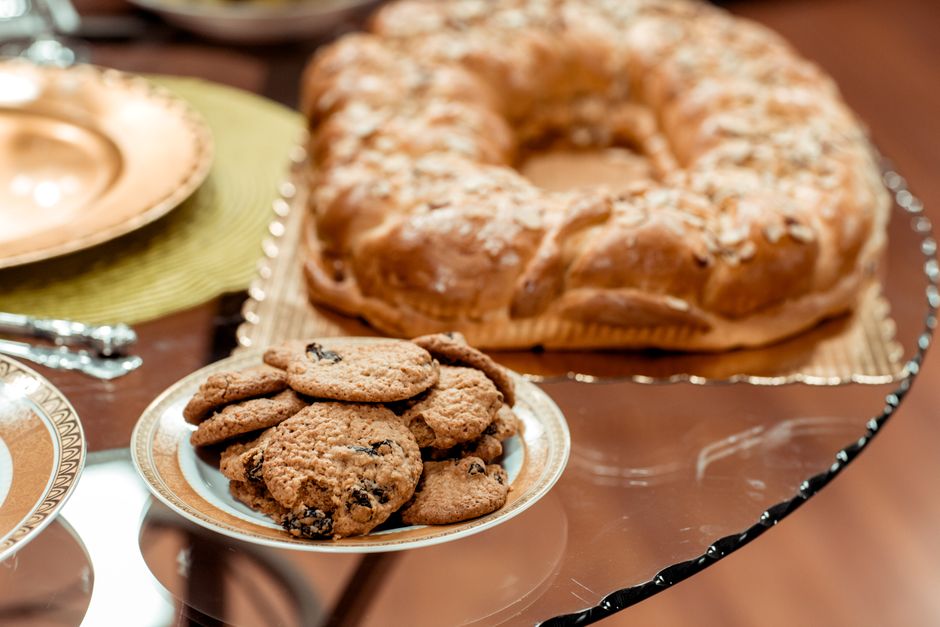
Quaker Oatmeal Cookie Recipe
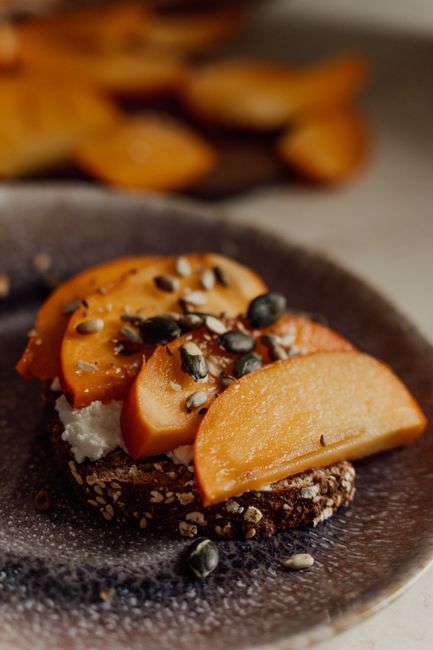
Persimmon Bread Recipe

Sour Cream Pound Cake Recipe
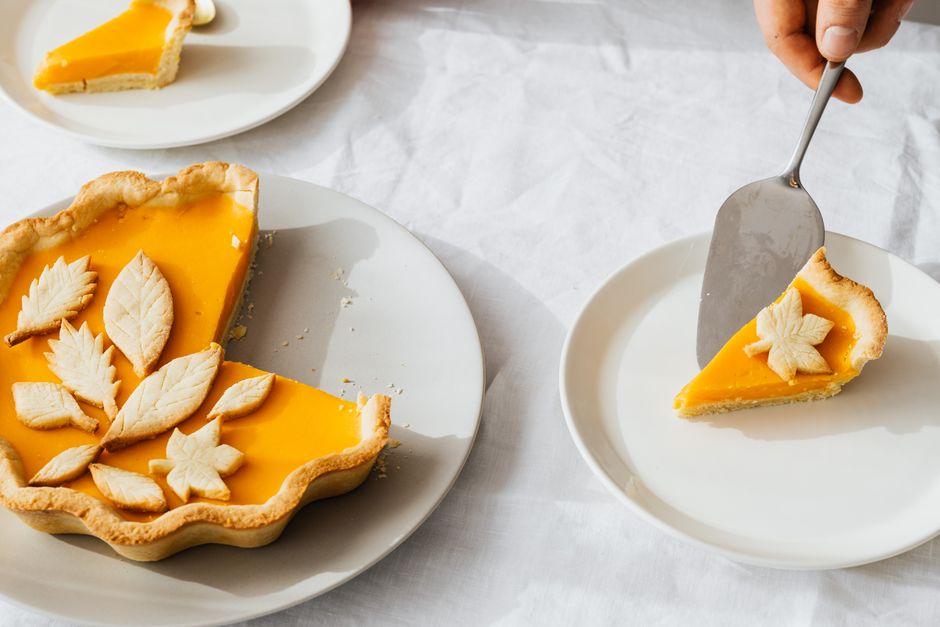
Pumpkin Pie Recipe
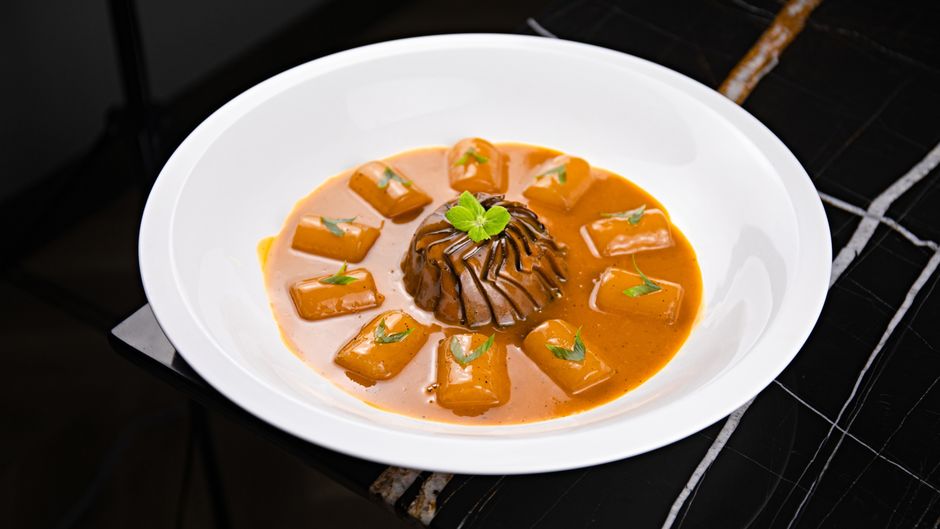
Persimmon Pudding Recipe
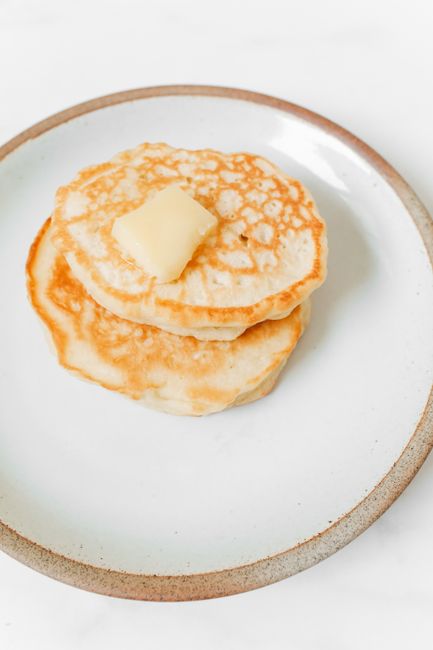
Buttermilk Pancakes Recipe
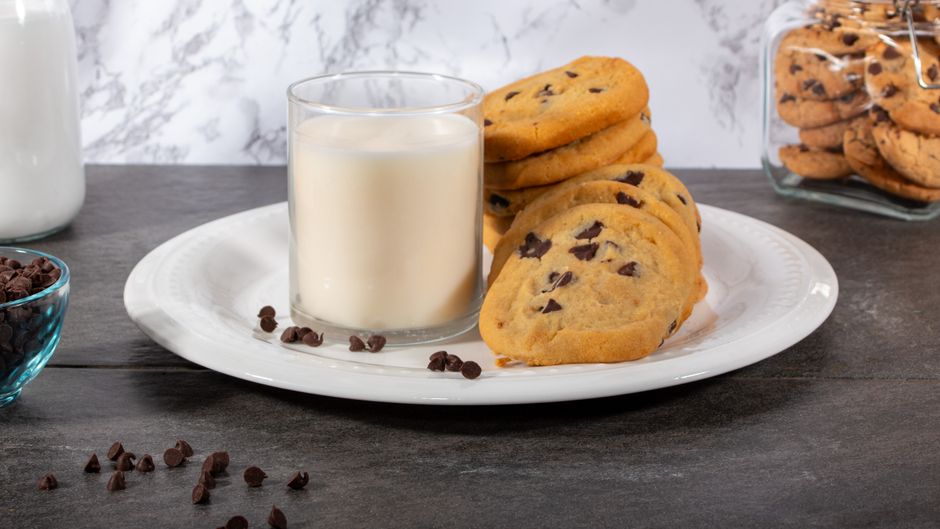
Milk Chocolate Chip Cookies Recipe
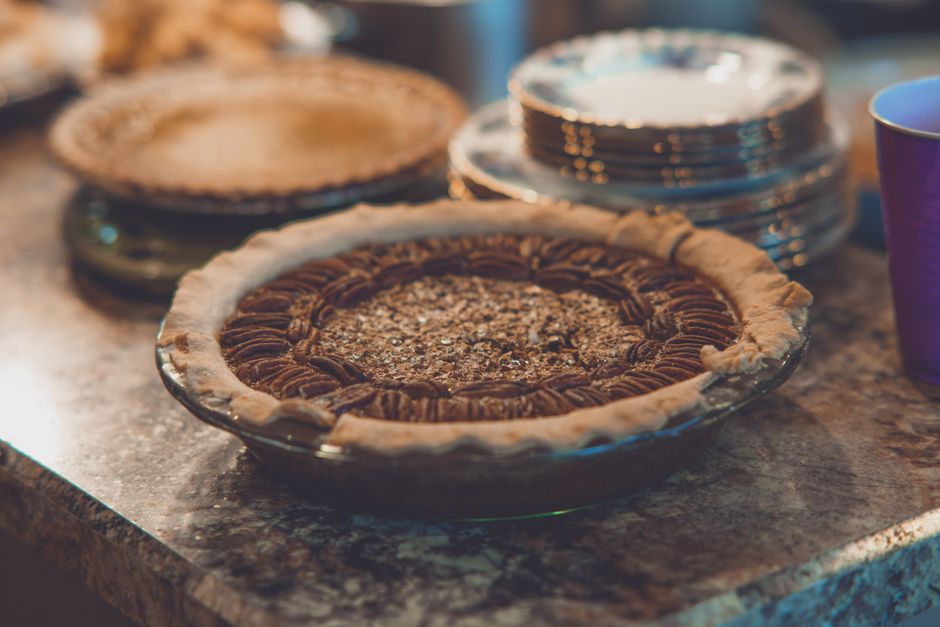
Pecan Pie Recipe
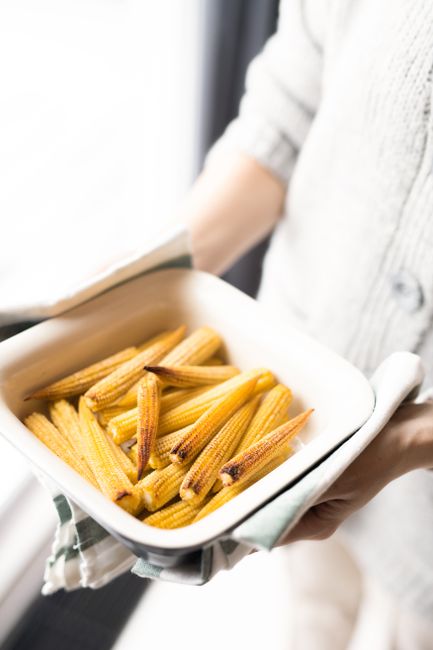
Corn Souffle Recipe
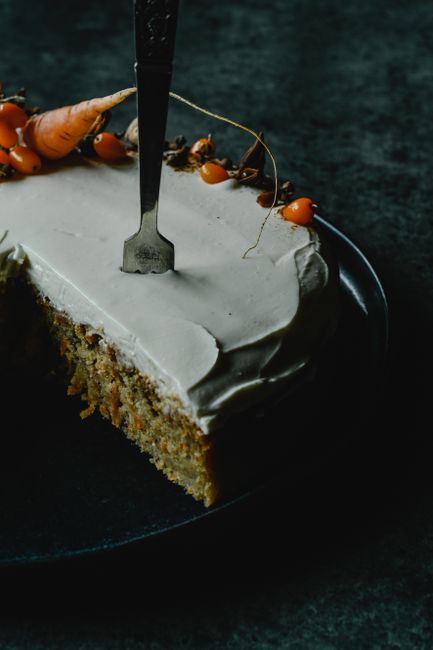
Spice Cake Recipe
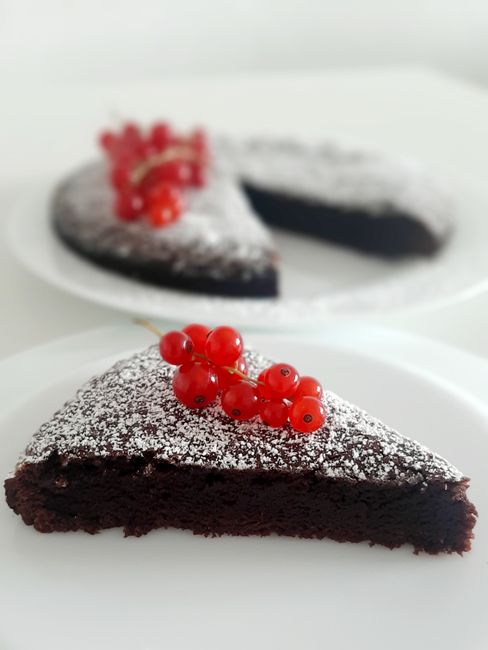
Flourless Chocolate Cake Recipe

Finnish Oven Pancake (Pannukakku) Recipe
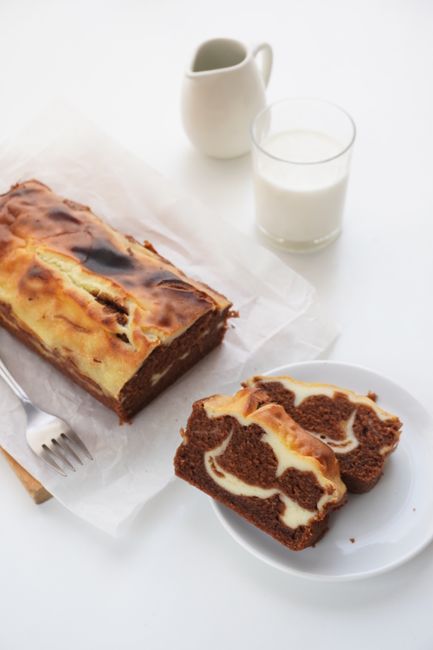
Loaf with a Chocolate Swirl
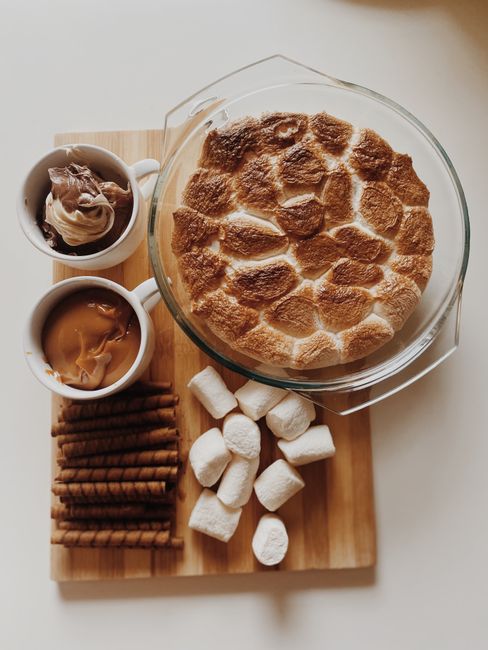
S'mores Muffins Recipe
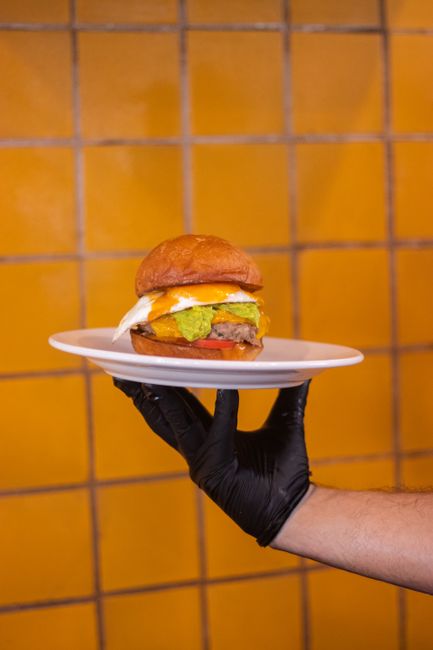
Copycat Wendy's Sausage, Egg, and Cheese Biscuit Recipe
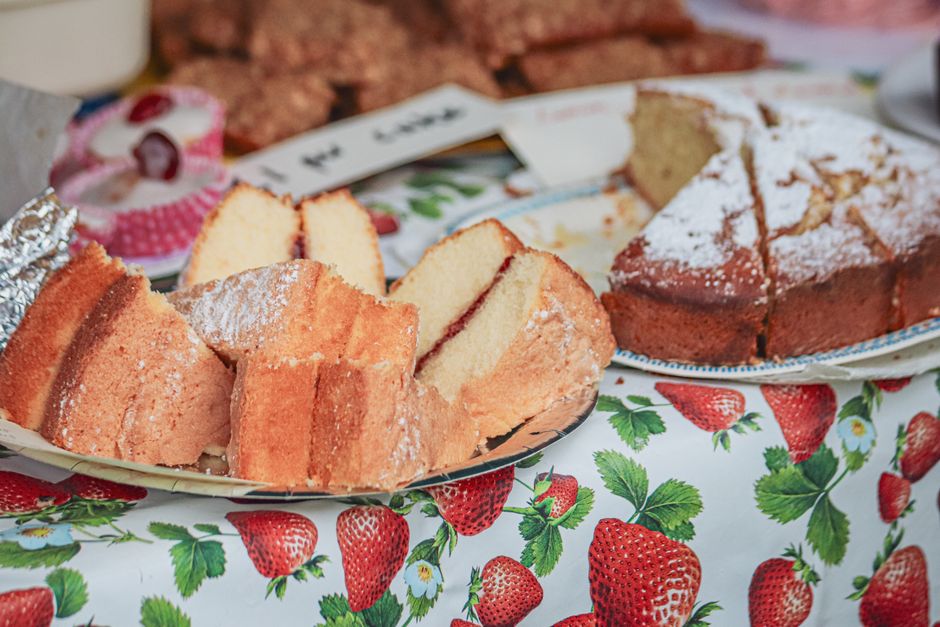
Strawberry Pound Cake Recipe
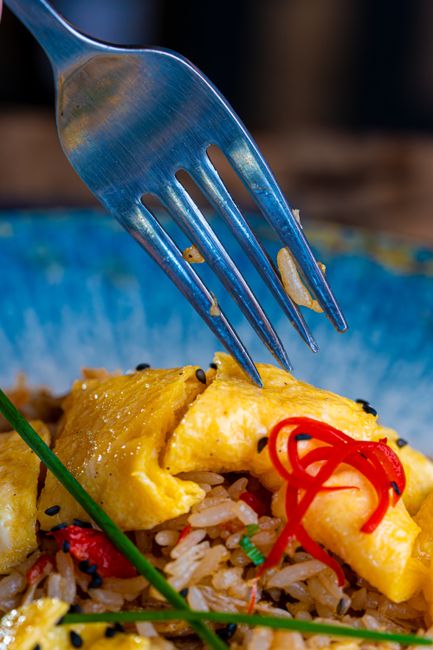
Egg Fried Rice Recipe
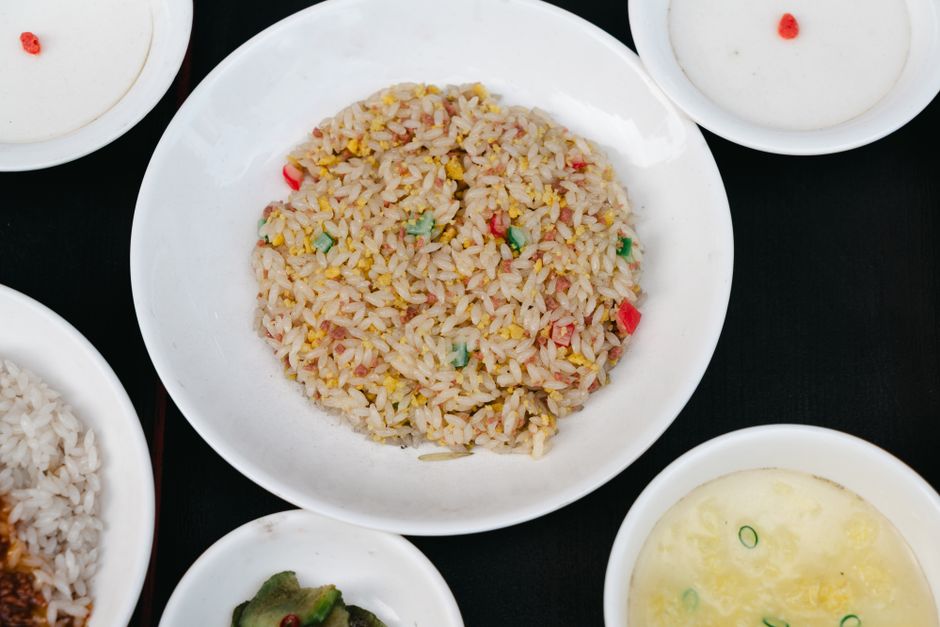
Blackstone Fried Rice

Breakfast Hash with Eggs
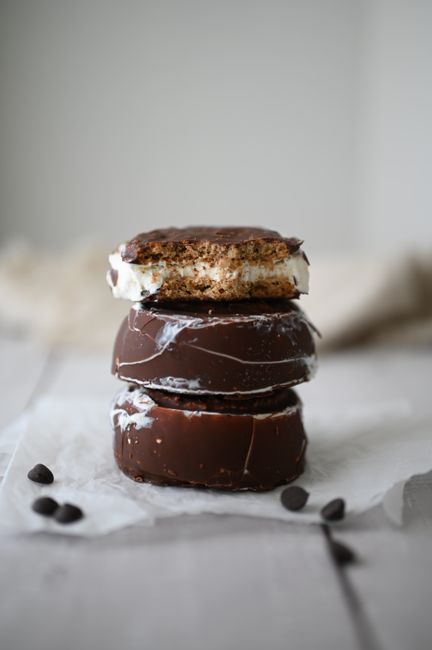
Homemade Choco Pie Recipe
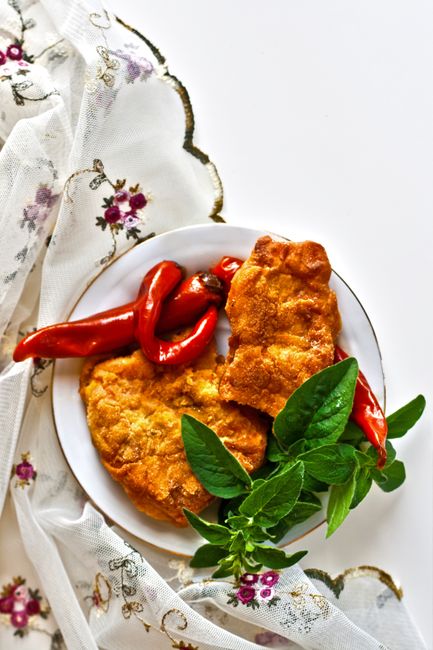
Copycat Wendy's Takis Fuego Crispy Chicken Sandwich Recipe
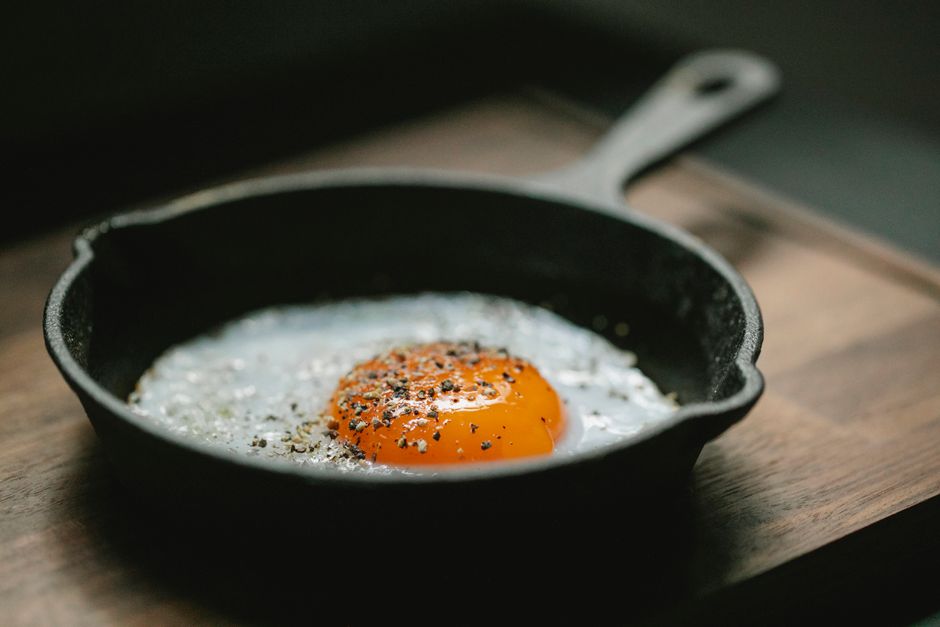
Over Hard Eggs Recipe

Pad Thai Recipe
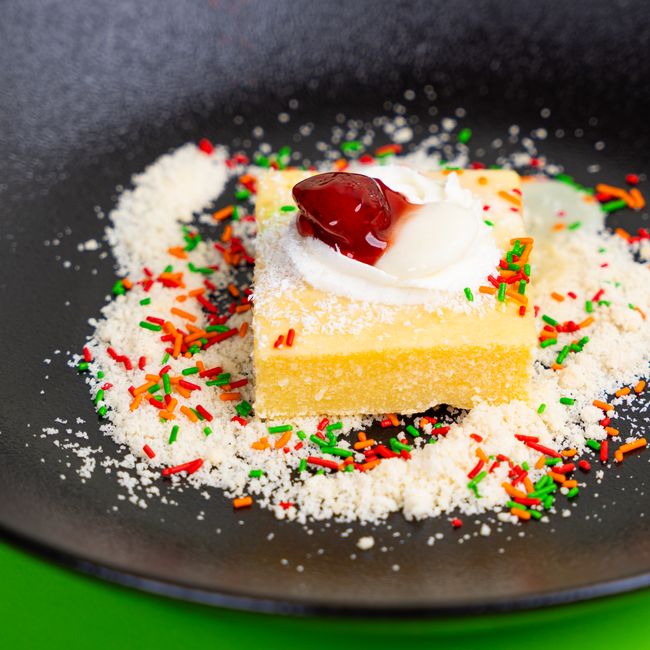
Classic Victoria Sponge Cake Recipe
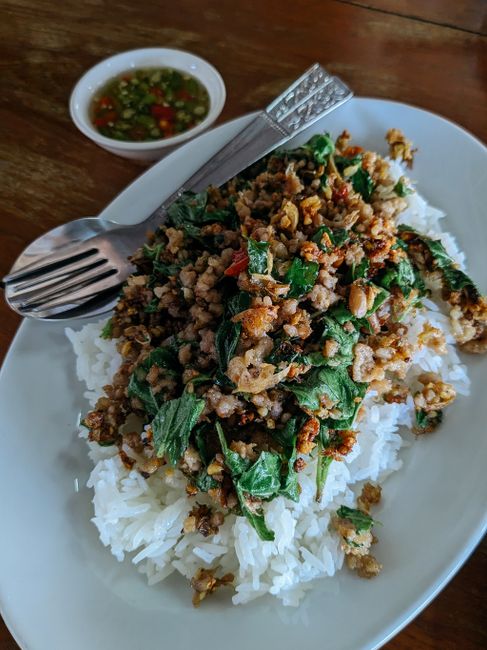
Thai Basil Chicken (Pad Kra Pao) Recipe
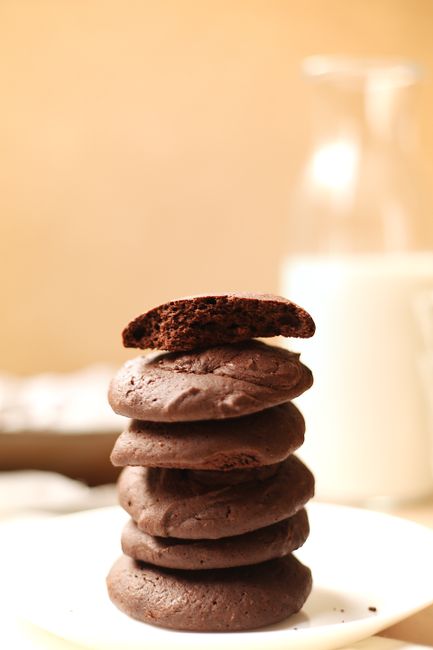
Brownie Mix Cookies Recipe
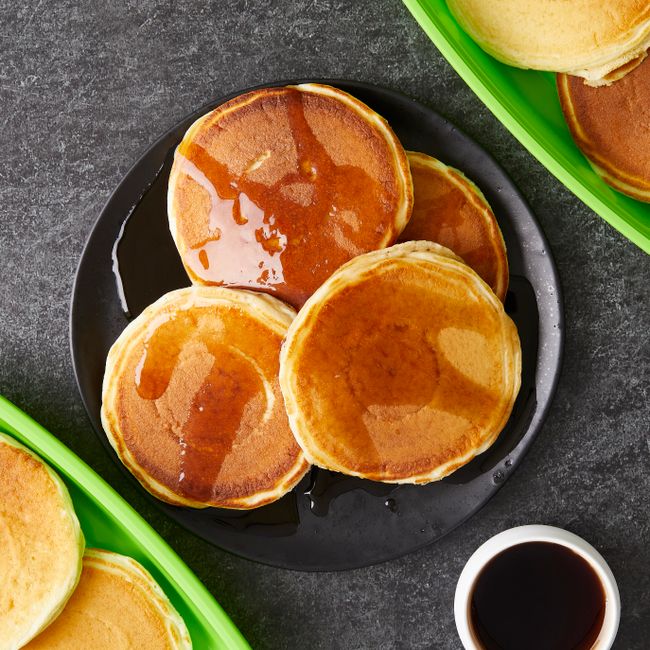
Sheet Pan Pancakes Recipe
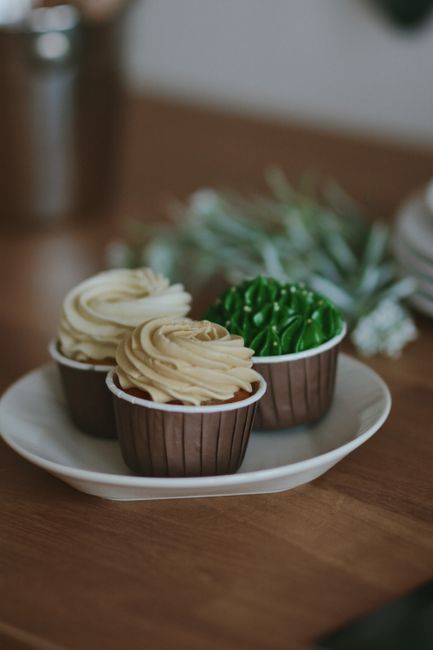
Gluten-Free Cupcakes Recipe
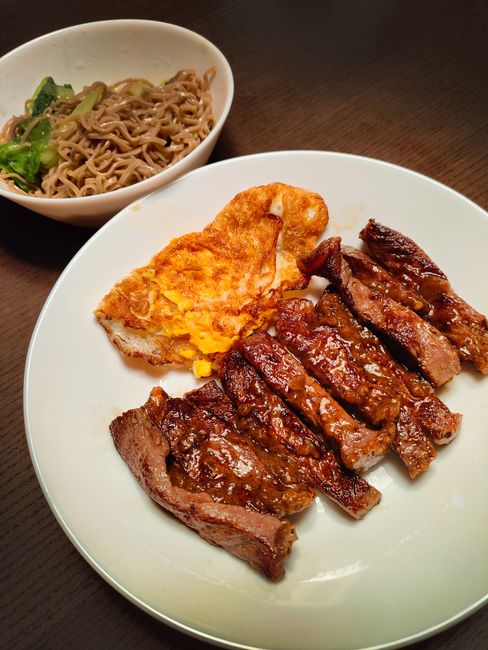
Homemade Egg Noodles Recipe
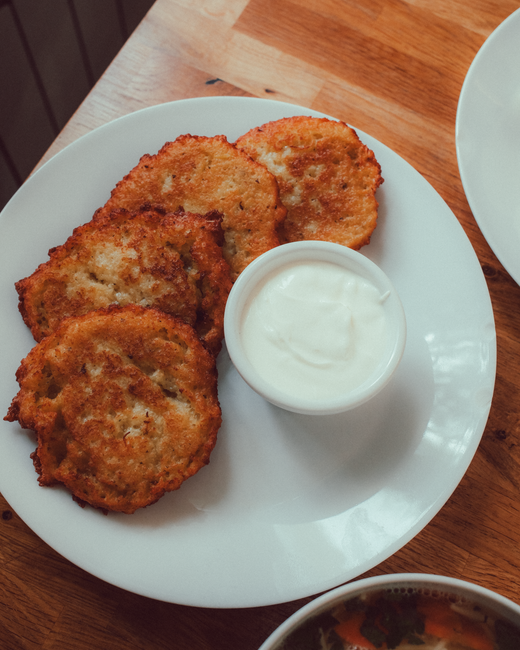
Placki Ziemniaczane (Potato Pancakes) Recipe
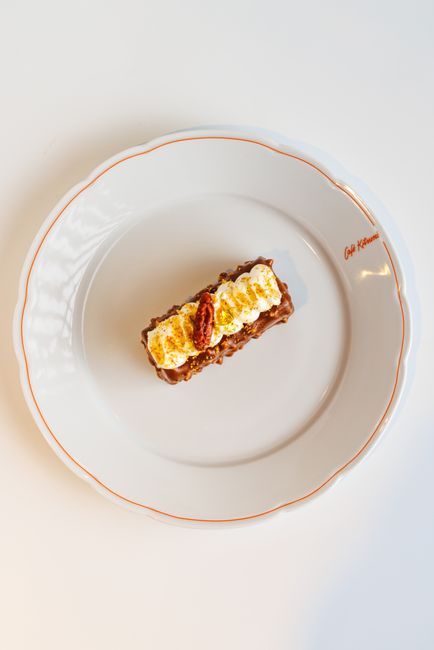
Neiman Marcus Cake

Oreo Cheesecake Recipe
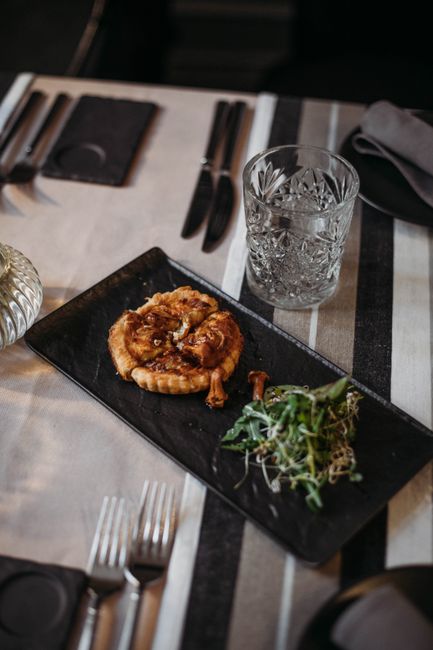
Quiche Lorraine Recipe
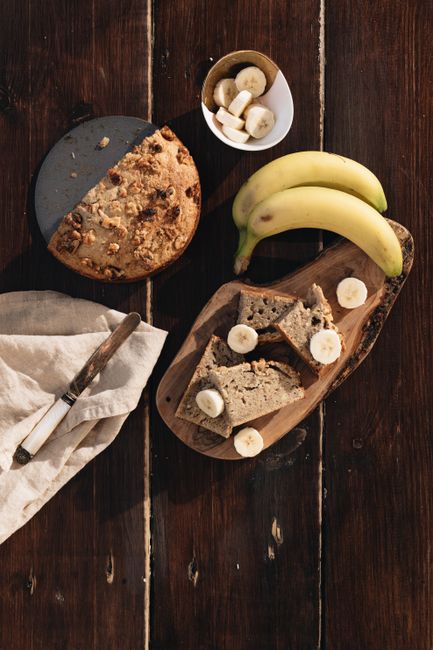
Banana Bread with Yogurt Recipe
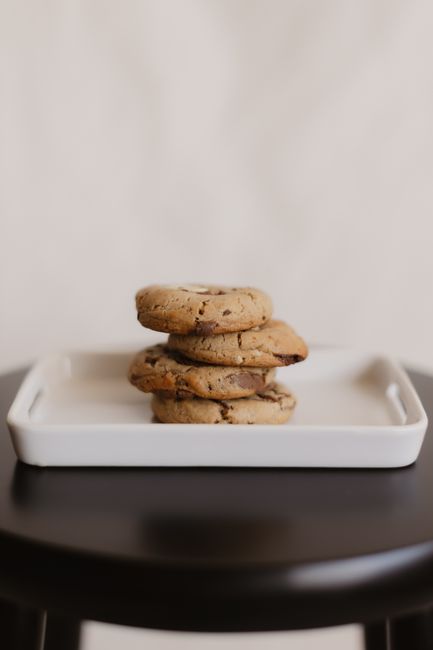
Nestle Toll House Chocolate Chip Cookie Recipe
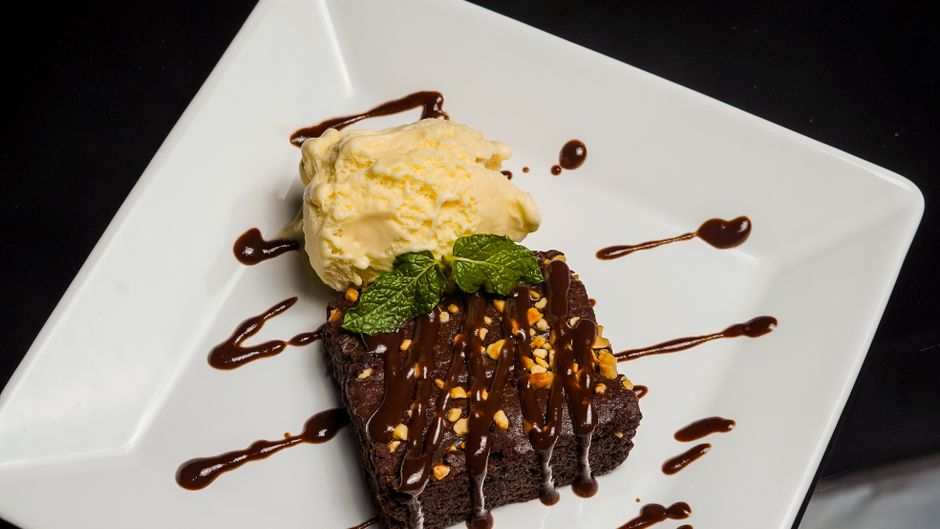
Ina Garten's Brownie Pudding Recipe
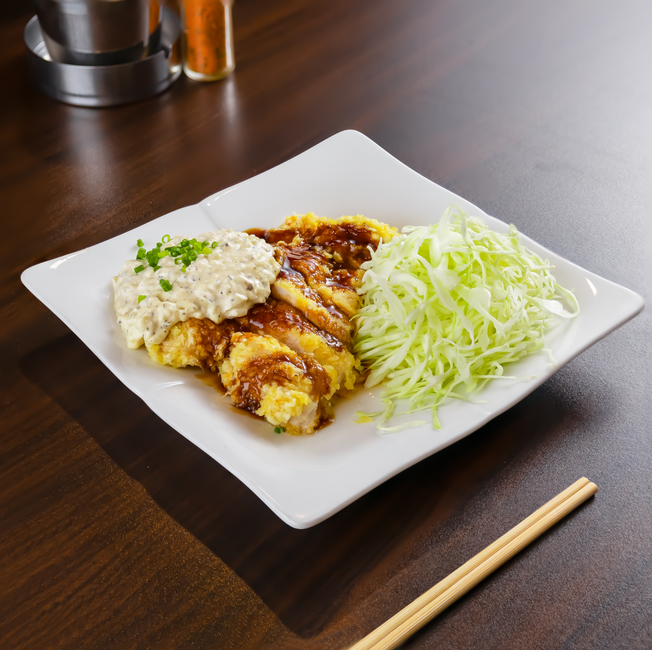
Okonomiyaki Recipe
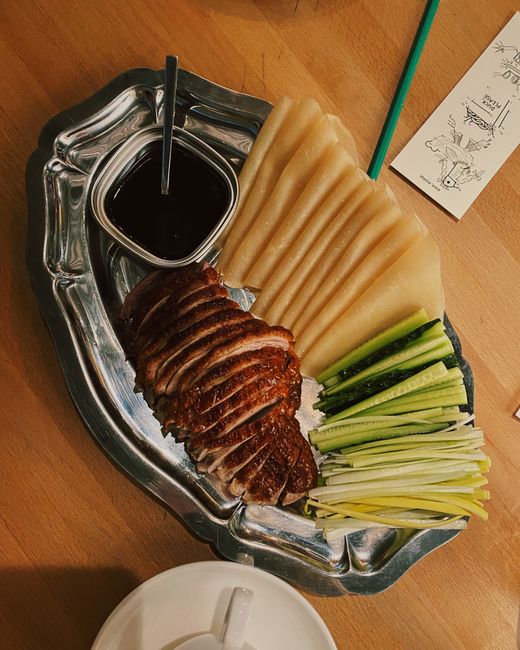
Moo Shu Chicken Recipe
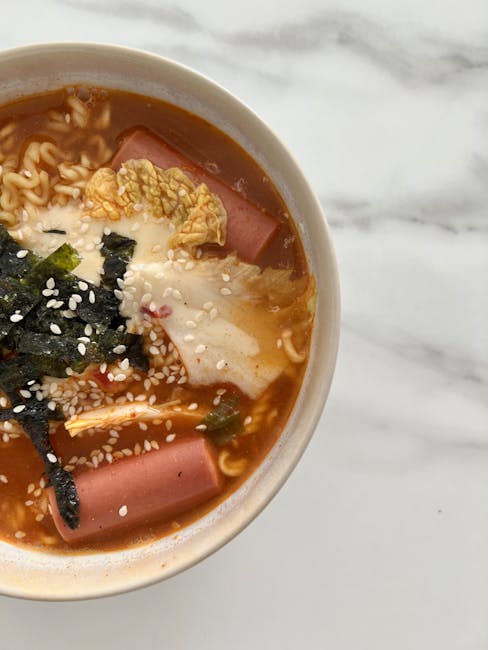
Korean Ramyun Recipe
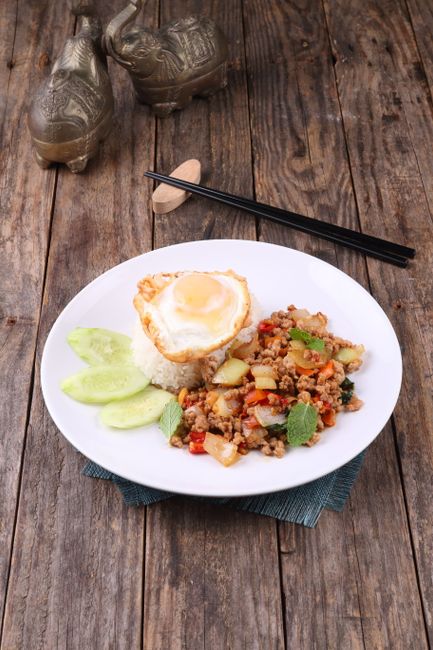
Pad Kra Pao Recipe
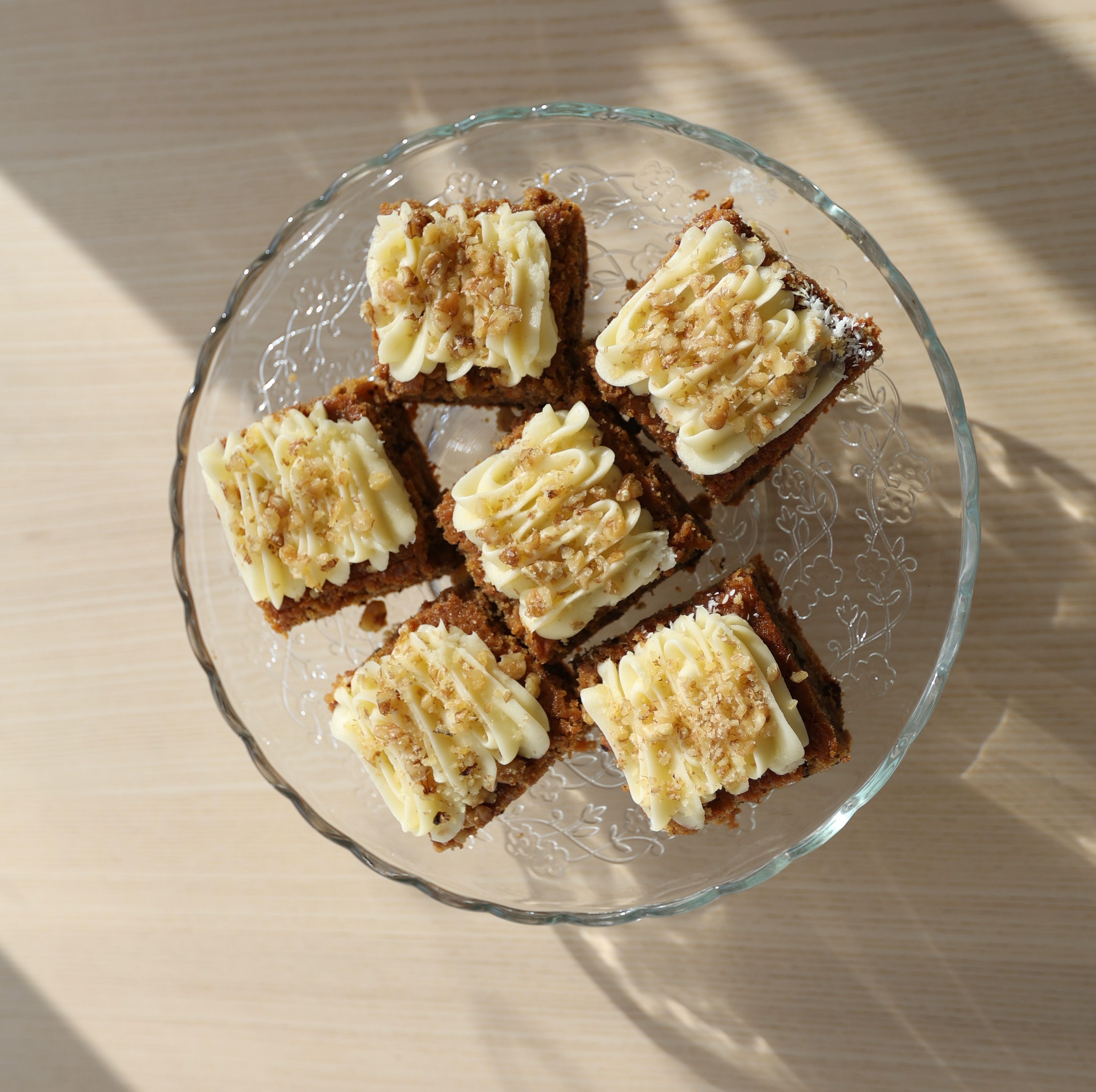
Pumpkin Bars with Cream Cheese Frosting
Breakfast for Dinner Skillet Recipe
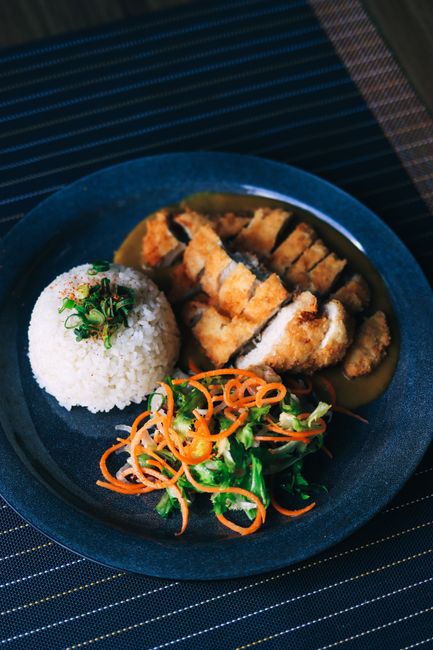
Chicken Katsu Recipe
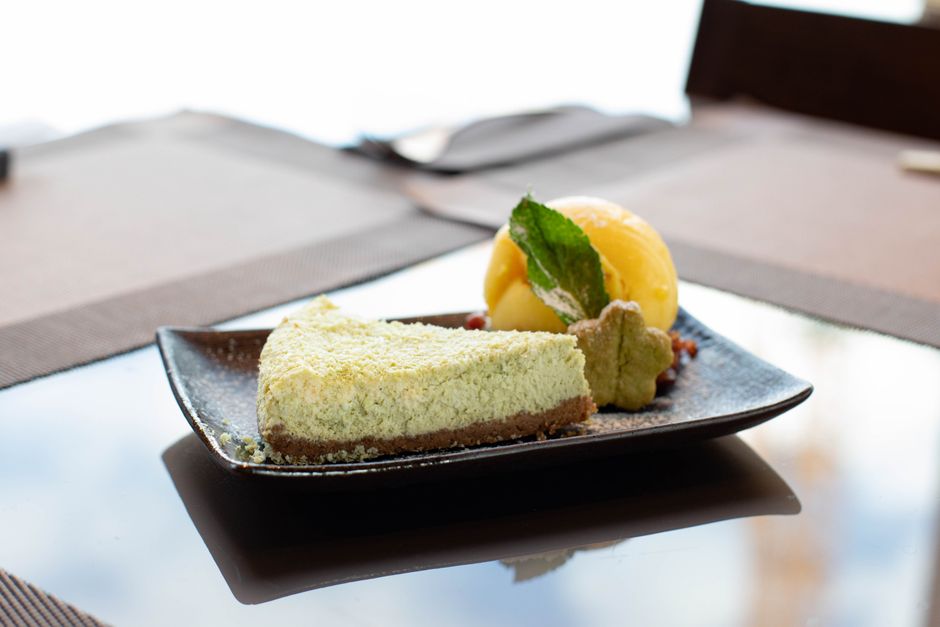
Matcha Cheesecake Recipe
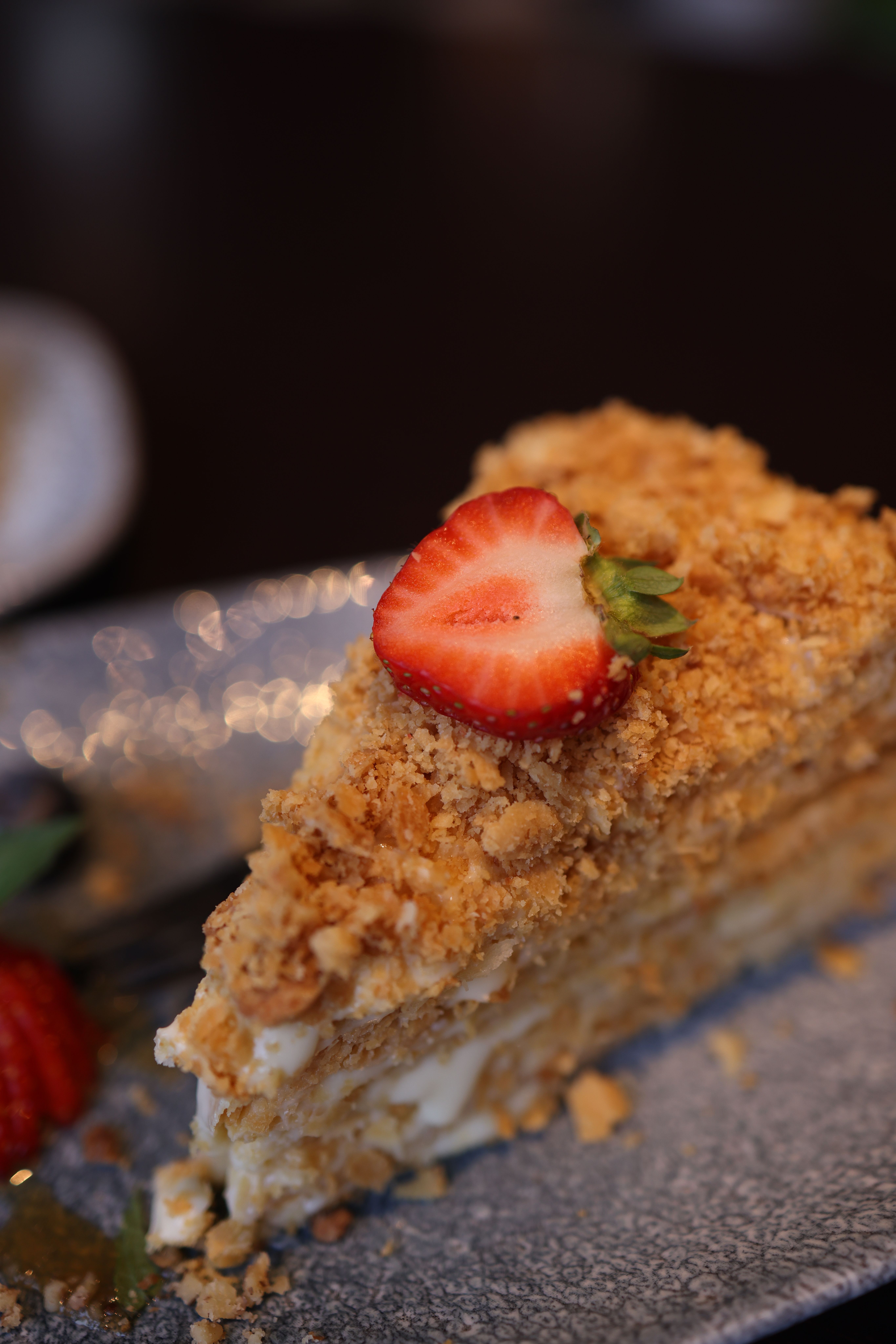
Strawberry Crunch Cake Recipe

Dog Birthday Cake Recipe
Japanese Soy Sauce Marinated Eggs (Ajitsuke Tamago) Recipe
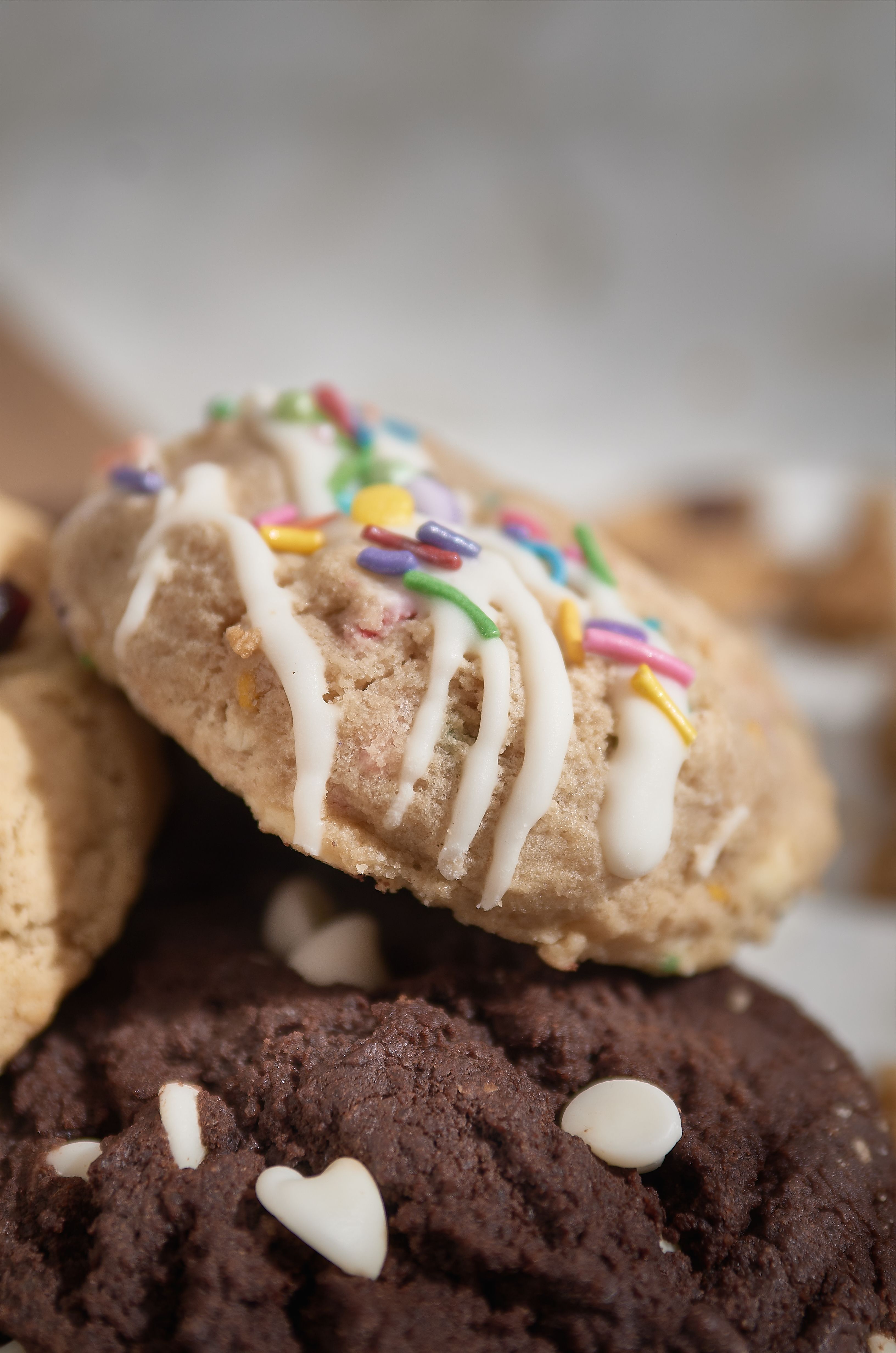
Cake Mix Cookies Recipe
Kitchen Sink Cookies Recipe
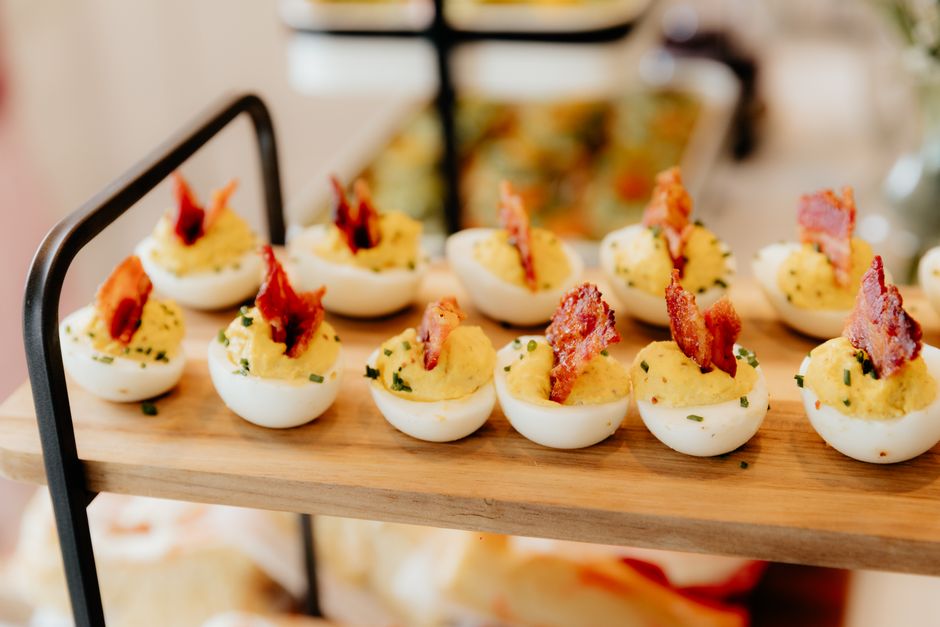
Starbucks Egg Bites Recipe
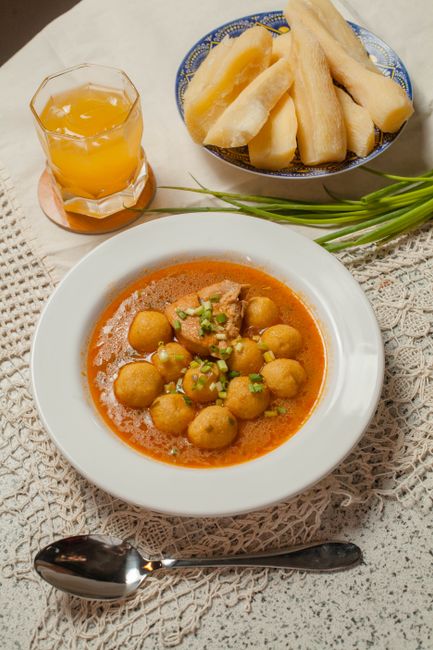
Sopa Paraguaya Recipe

Good Morning Breakfast Skillet Recipe
Hard-Boiled Eggs Recipe
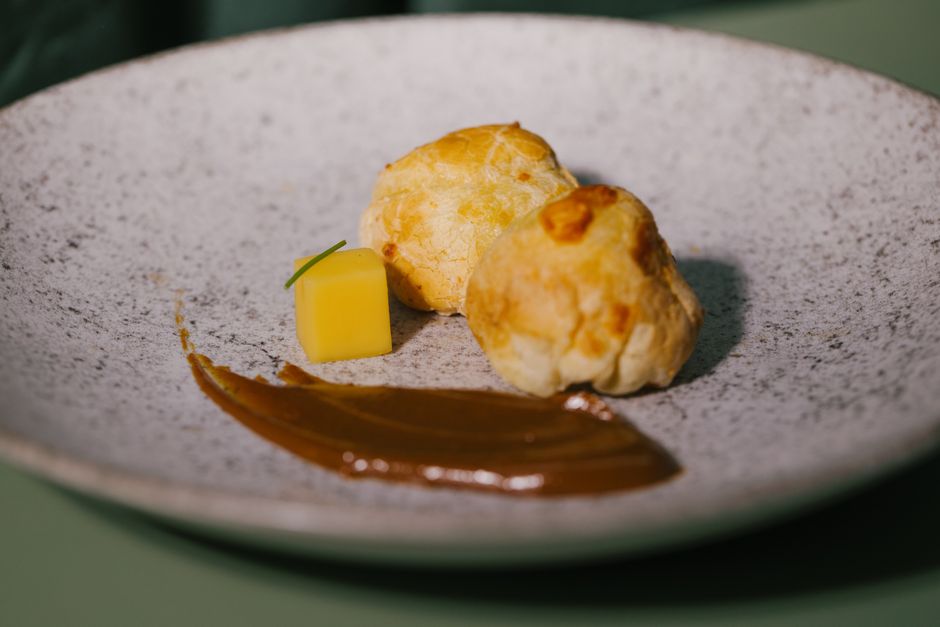
Pan de Bono Recipe
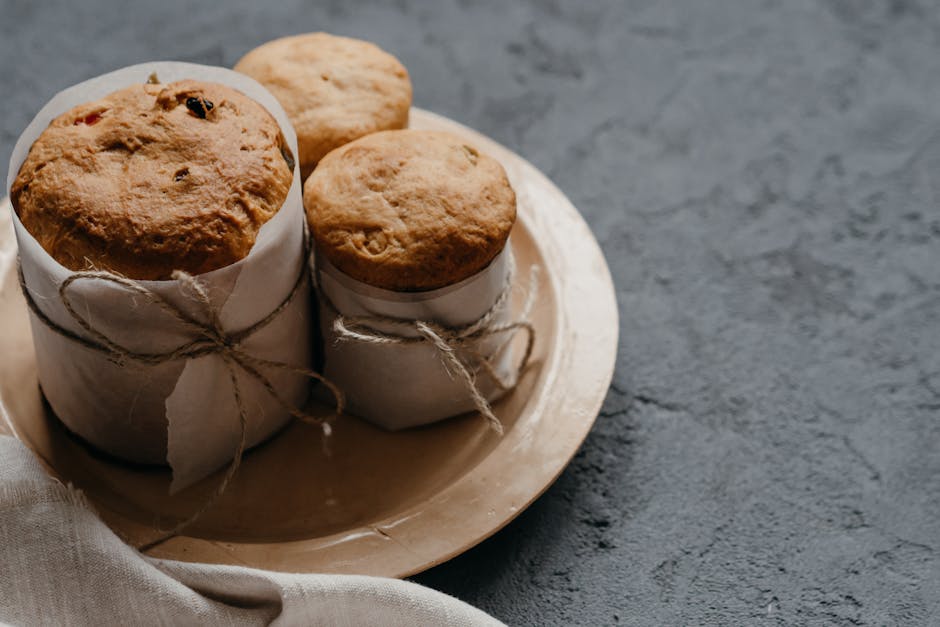
Panettone Recipe
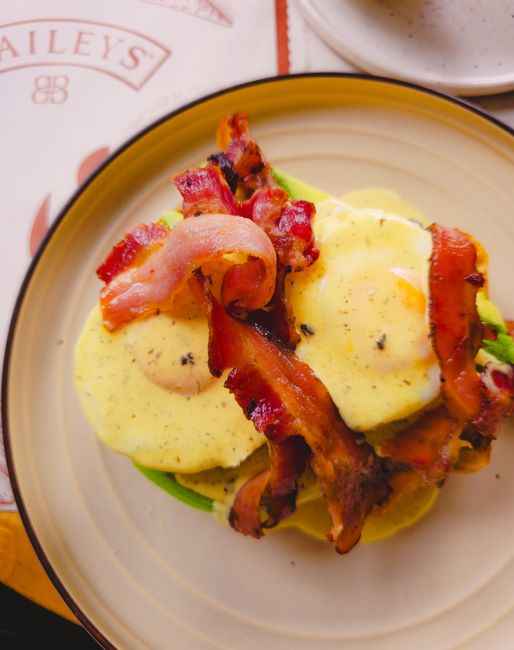
Baked Bacon and Cheddar Breakfast Egg Casserole Recipe
Libby's Pumpkin Pie Recipe

Sponge Cake for Baked Alaska Recipe
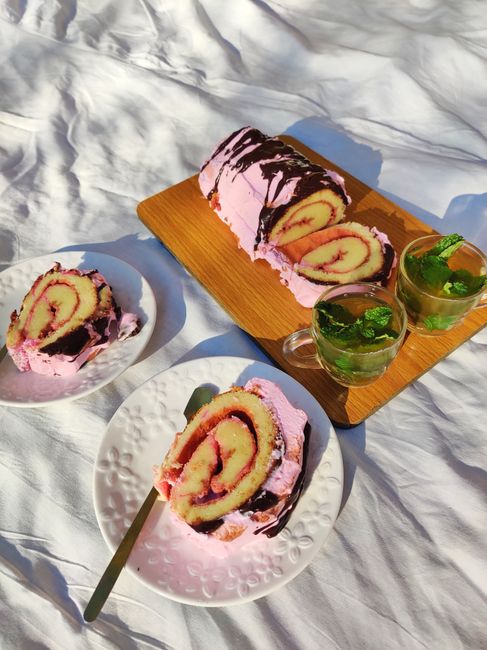
Jelly Roll Cake Recipe
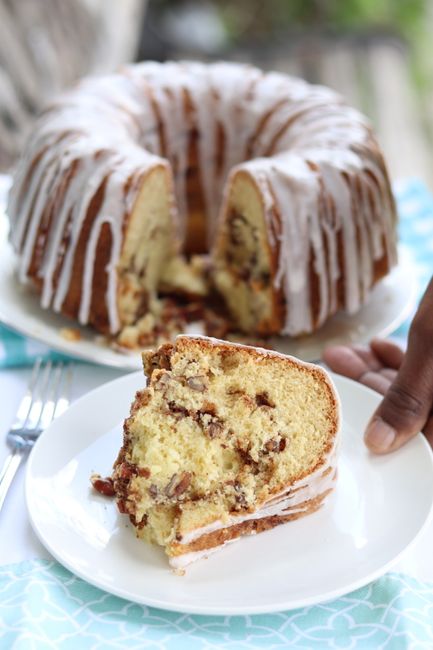
Sock It to Me Cake Recipe
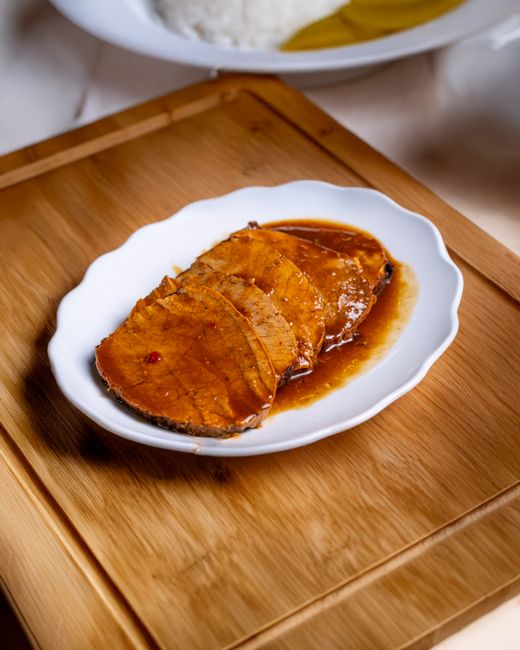
Cracker Barrel Meatloaf Recipe

Egg Salad Sandwich
Croquetas de Jamón (Spanish Ham Croquettes) Recipe
Classic Bundt Cake Recipe
Pear Date Upside Down Cake Recipe

Pumpkin Chocolate Chip Muffins Recipe

Chocolate Lava Cake Recipe

High-Protein Chicken and Quinoa Lunch Bowl Recipe
6 Basic Ways to Cook Eggs
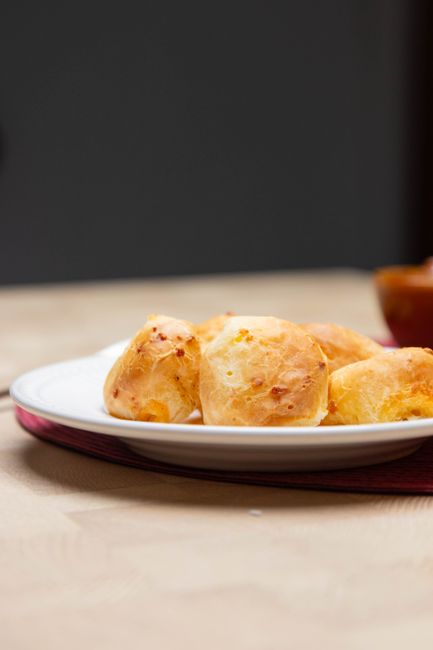
Brazilian Cheese Bread Recipe
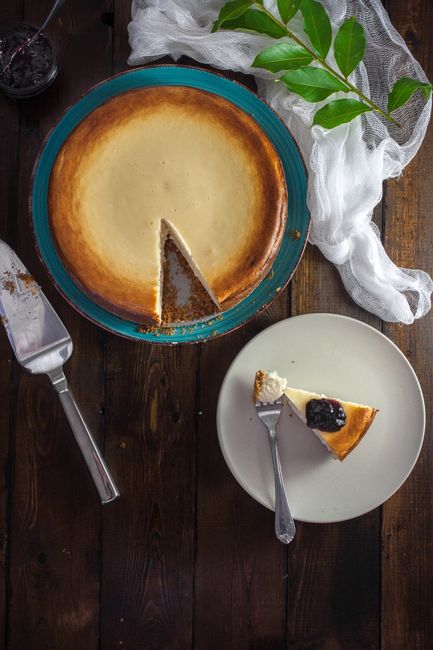
Philadelphia Cream Cheese Cheesecake Recipe

Morning Skillet Eggs Recipe
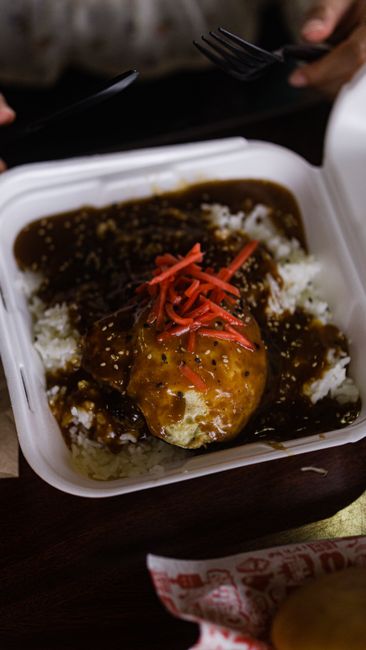
Loco Moco Recipe
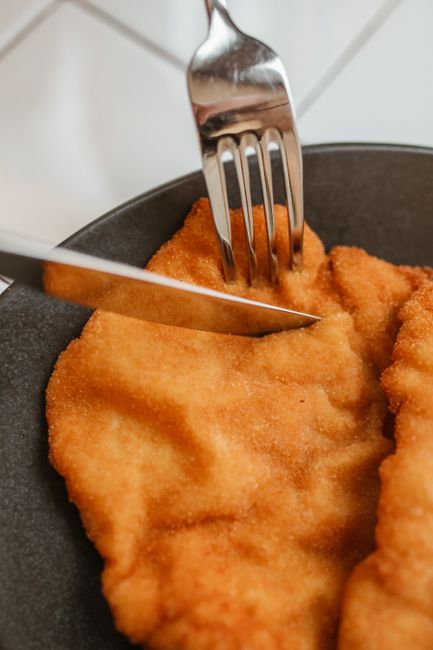
Crispy Pan-Fried Chicken Cutlets Recipe
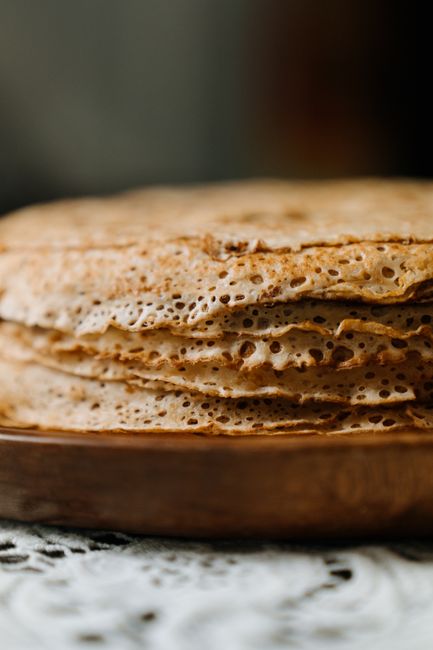
Pancake Roll Wrappers Recipe
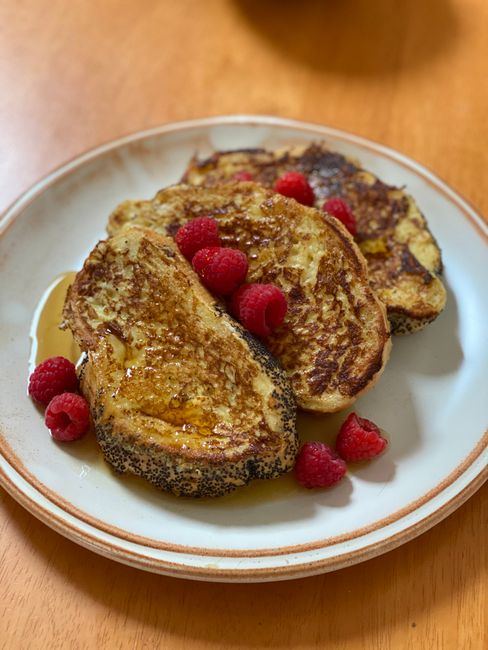
Brioche French Toast Recipe
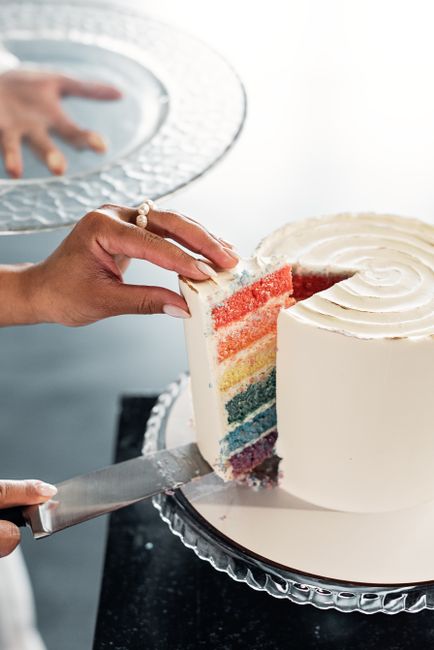
Unicorn Cake Recipe

Grain-Free Almond Flour Bread Recipe
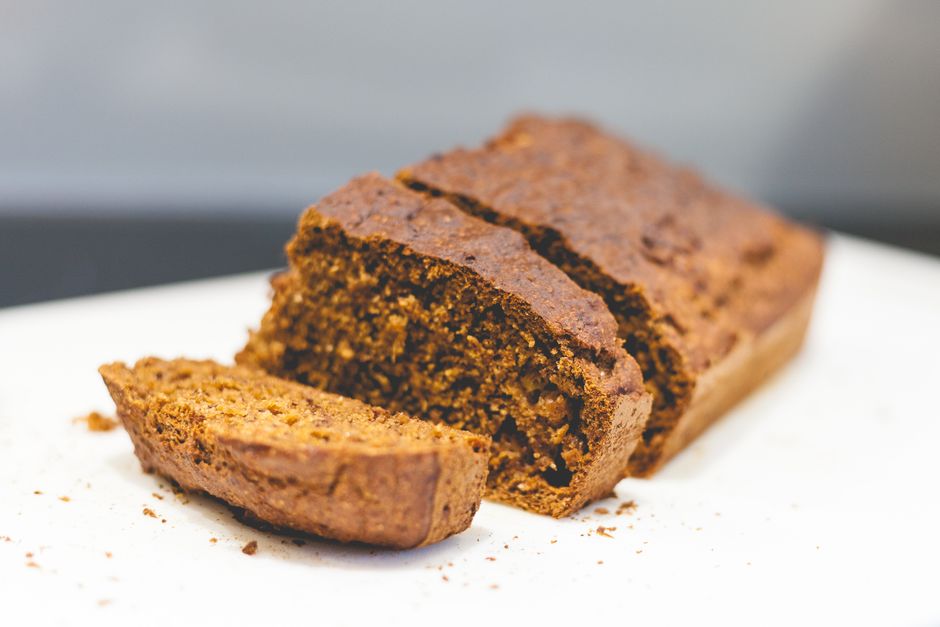
Protein Banana Bread Recipe

Choux Pastry Recipe

Spaghetti alla Carbonara Recipe

Egg Foo Young Recipe
Cracker Barrel Turkey n' Dressing Recipe (Copycat)
Cheddar Cheese Bread Recipe
Chicken Pad Thai Recipe
Air Fryer Chicken Tenders Recipe
Chorizo and Eggs Recipe
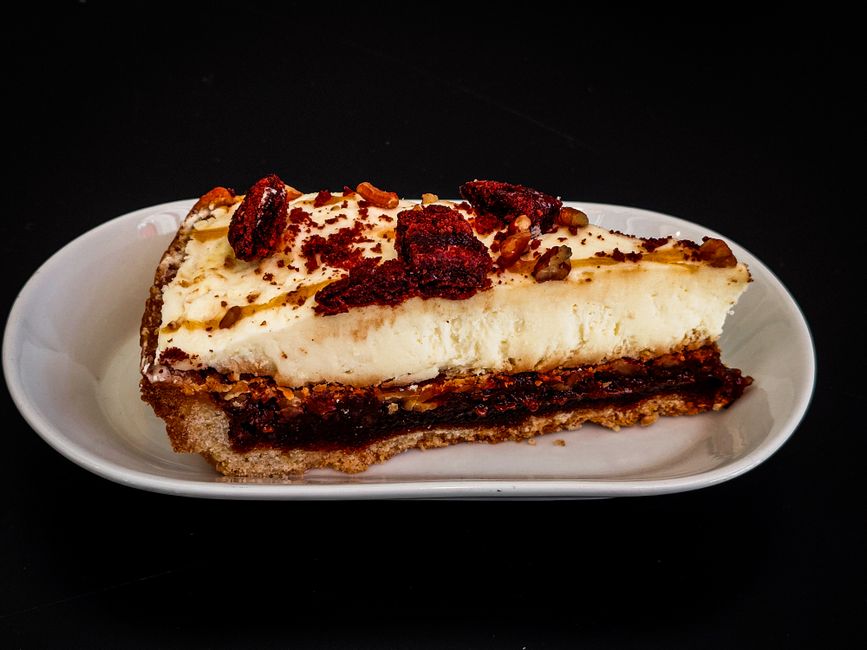
Sugar-Free Cheesecake Recipe
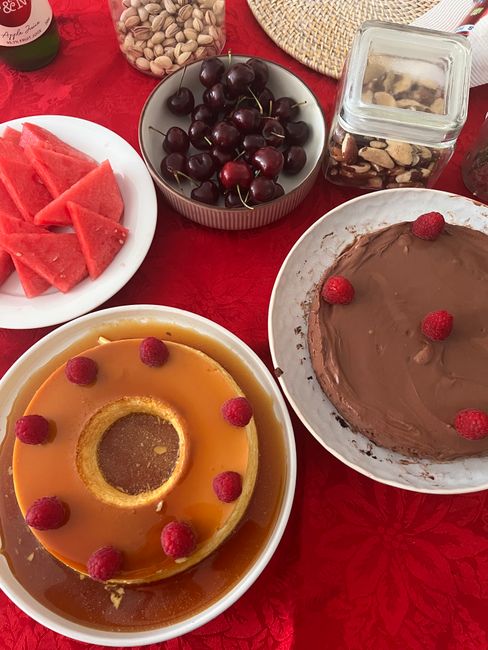
Chocolate Flan Cake Recipe
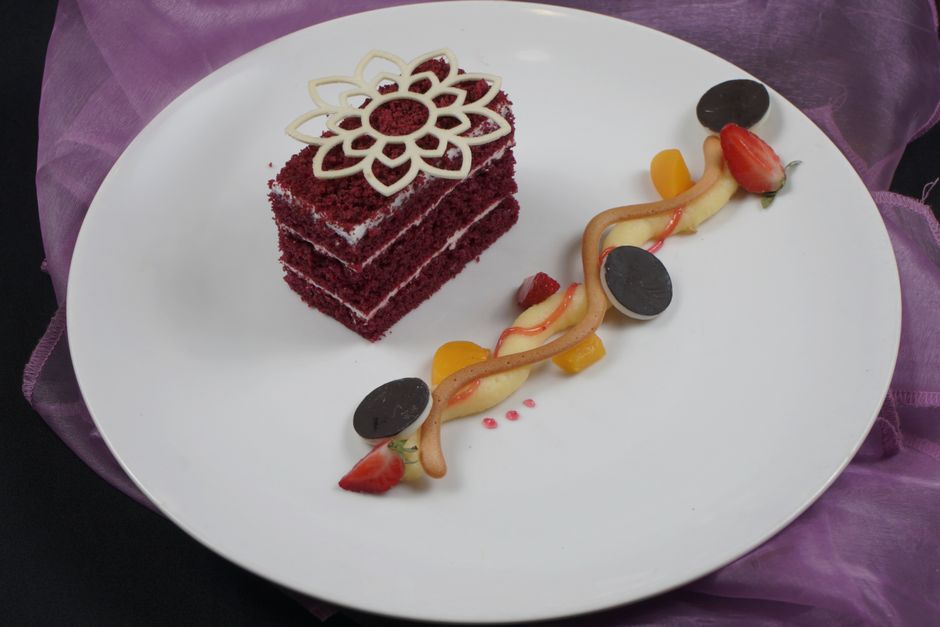
Red Velvet Cake Recipe
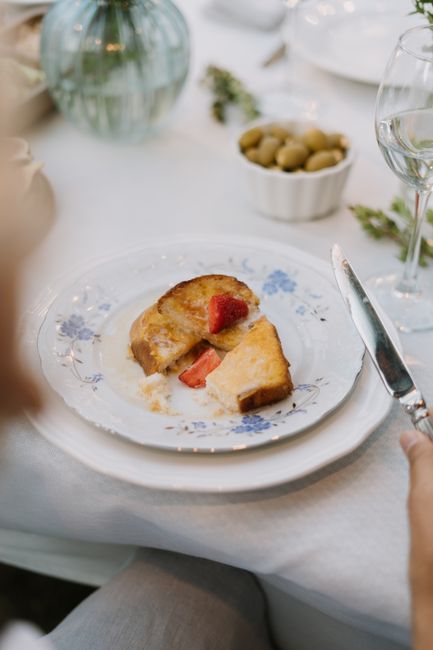
Stuffed French Toast Recipe
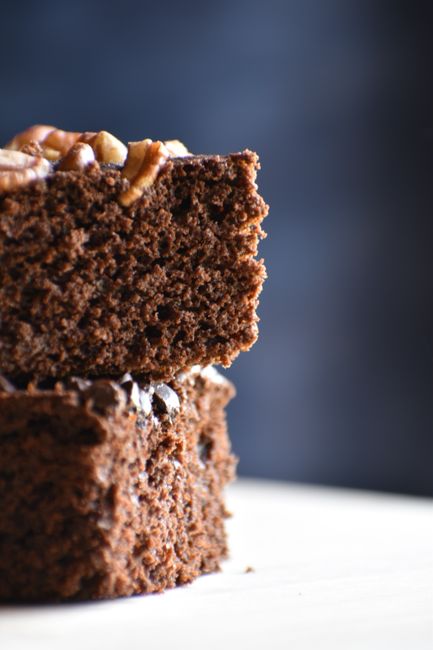
Gluten-Free Brownies Recipe

Applesauce Bread Recipe
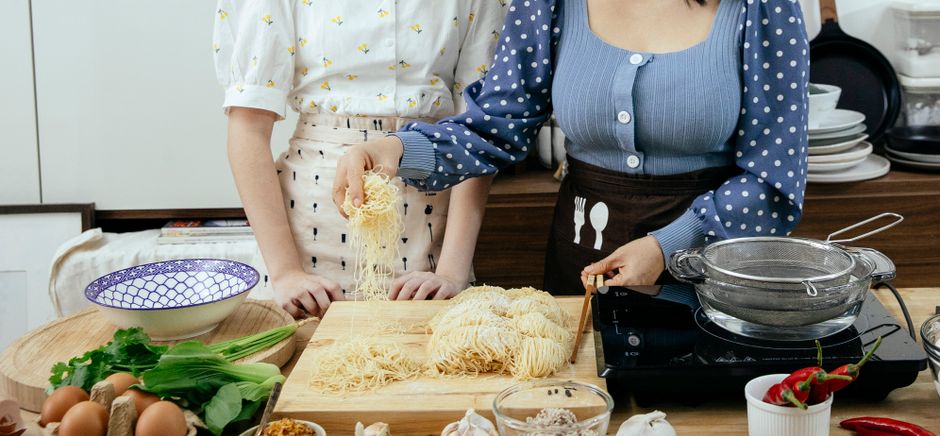
Gluten-Free Egg Noodles Recipe
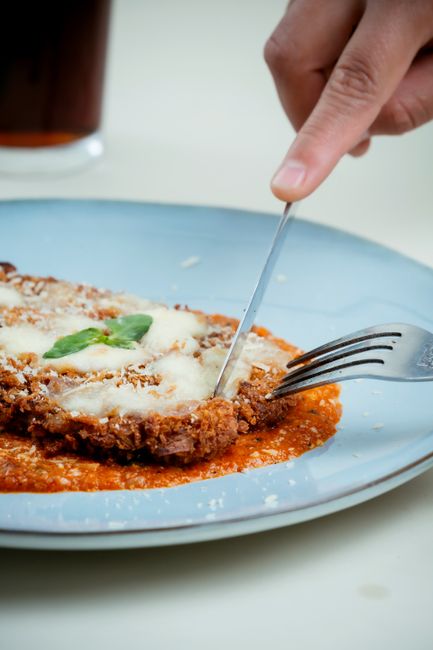
Chicken Parm Sandwich Recipe
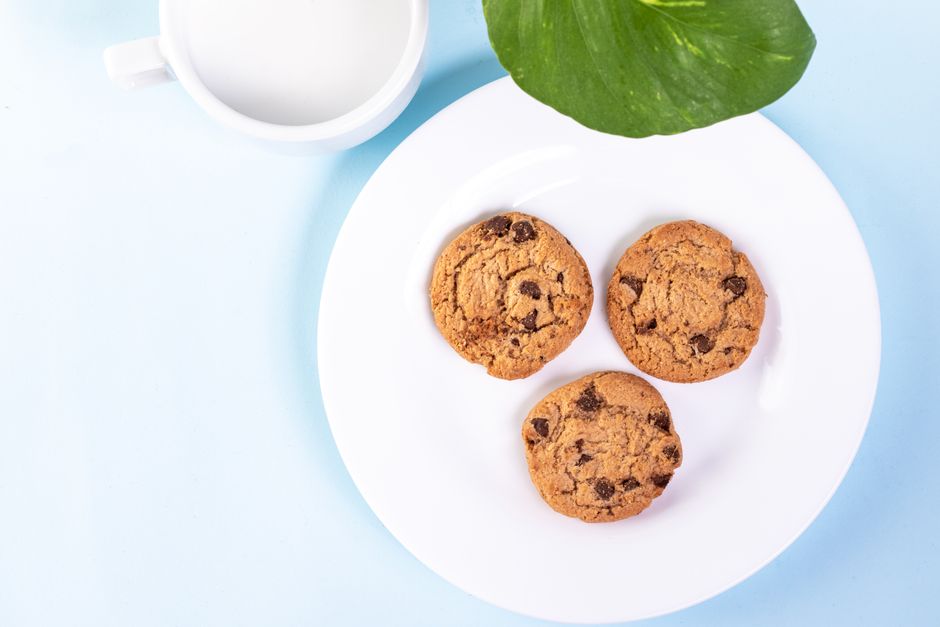
Chocolate Chip Cookies Recipe
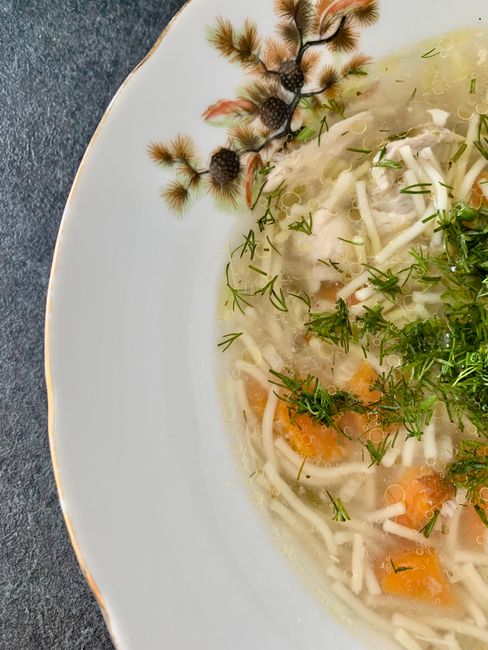
Greek Lemon Chicken Soup Recipe
Jello Poke Cake Recipe

High-Protein Vegetarian Power Bowl Recipe

Dairy-Free Chocolate Cake Recipe
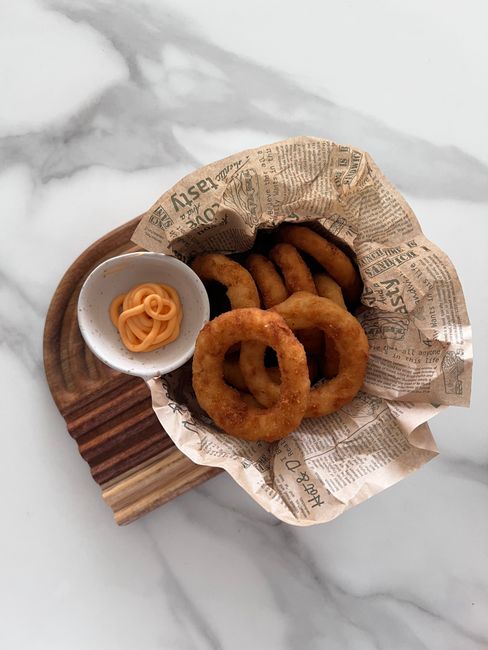
Copycat Outback Steakhouse Bloomin' Onion Recipe
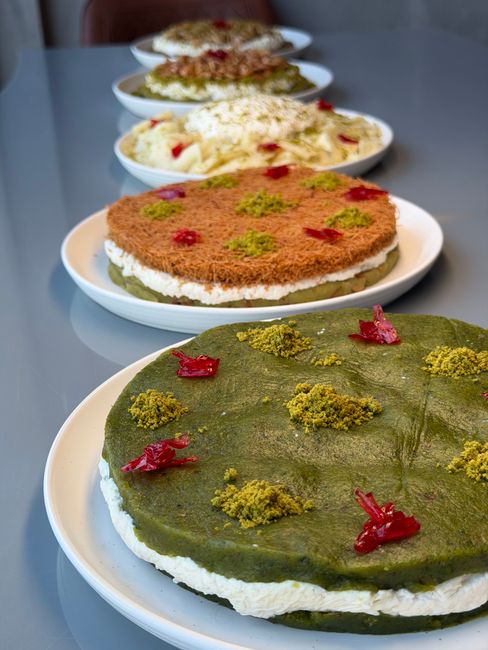
Dubai Chocolate Cake Recipe

Poached Smoked Haddock with Poached Egg
Honey Bun Cake Recipe
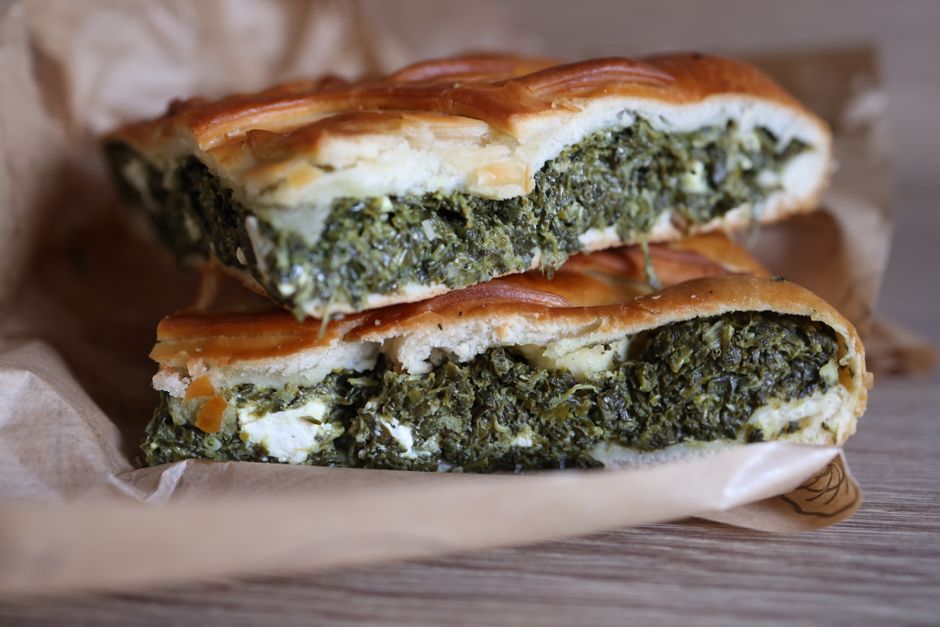
Spanakopita (Greek Spinach and Feta Phyllo Pie) Recipe
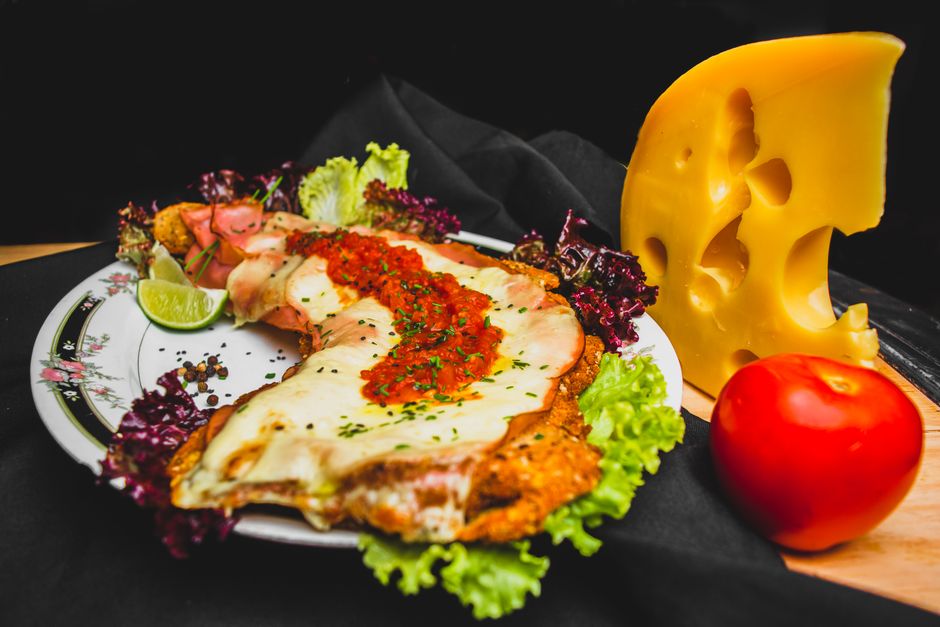
Milanesa de Pollo Recipe
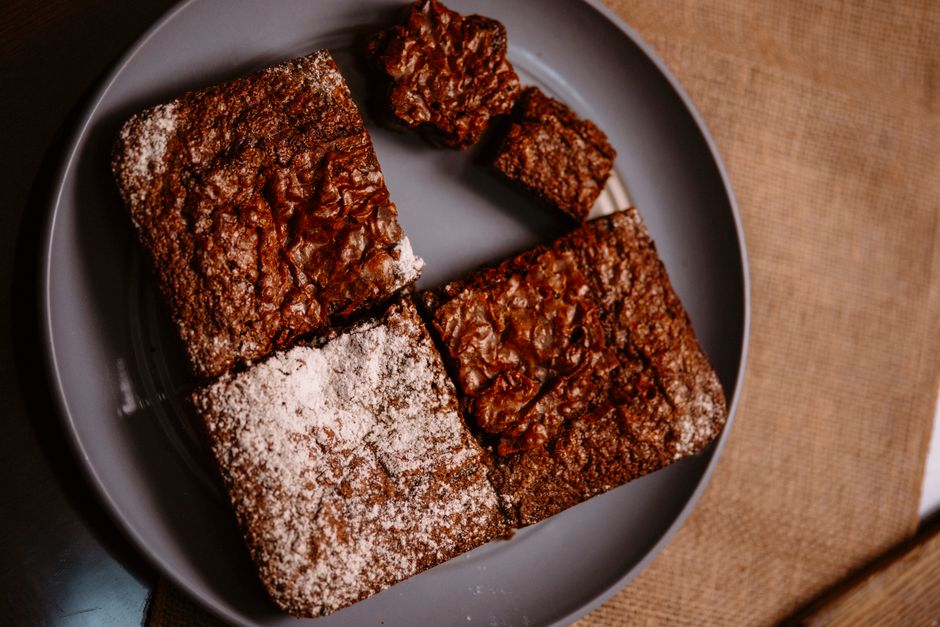
8x8 Pan Fudgy Brownies Recipe
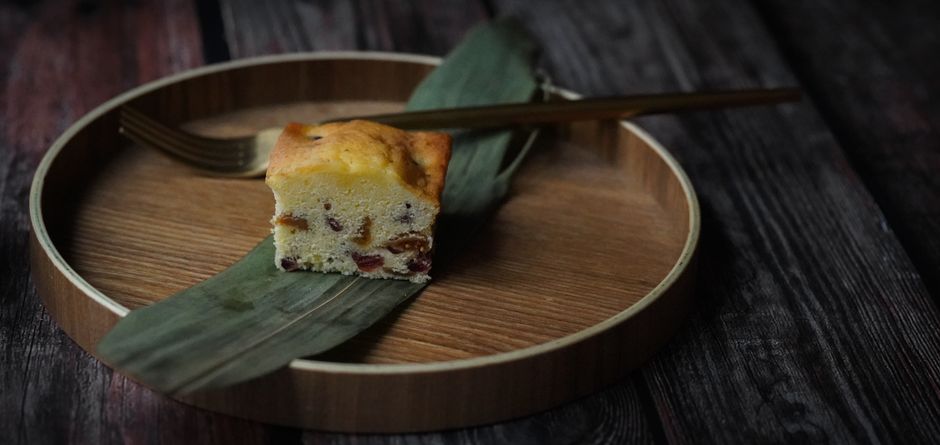
Classic Vanilla Butter Cake Recipe
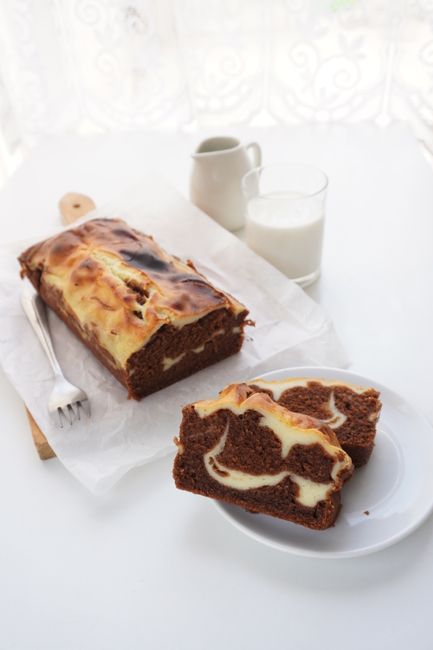
Cream Cheese Pound Cake Recipe

Peanut Butter Chocolate Chip Cookies Recipe
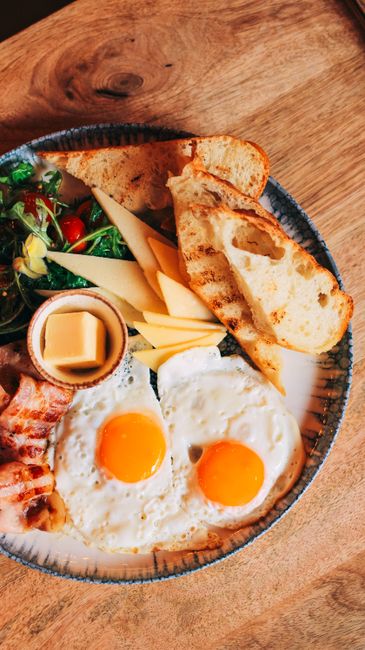
Gluten-Free Breakfast Casserole Recipe
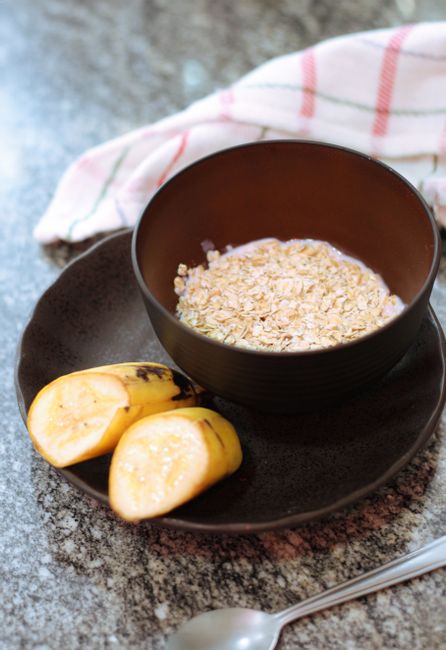
Gluten-Free Banana Loaf Recipe
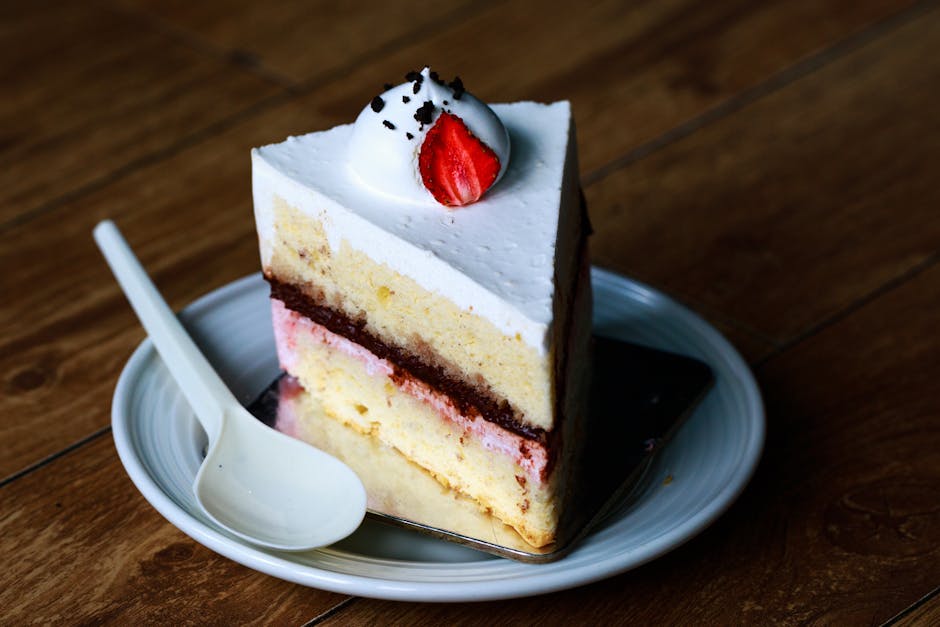
Strawberry Cheesecake Cake Recipe

Olive Oil Cake Recipe

Low Carb Breakfast Casserole
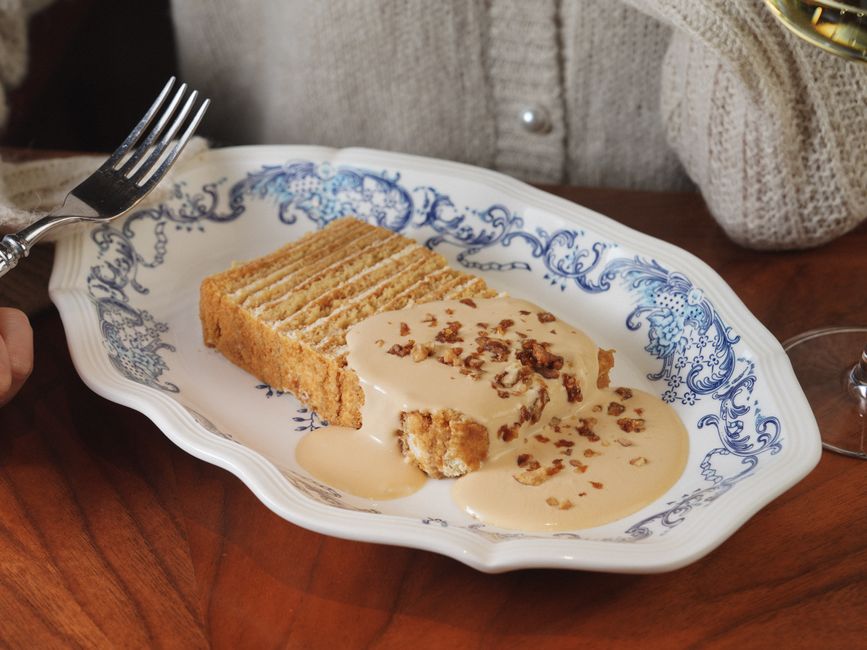
Caramel Caramel Cake
Mini Meatloaf Recipe
Overnight Christmas Breakfast Casserole Recipe