
Philadelphia Cream Cheese Cheesecake Recipe
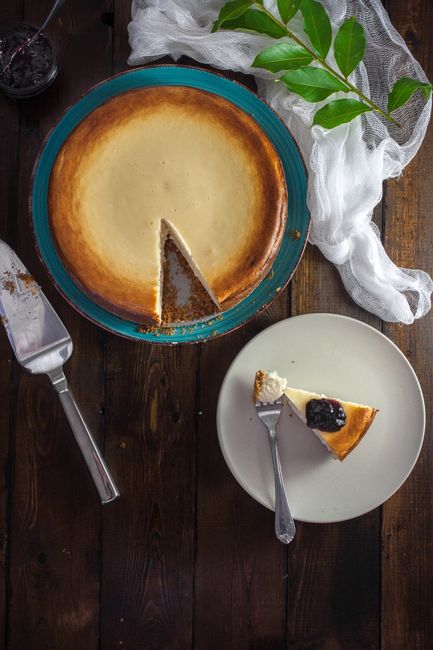
Full-fat block cream cheese, beaten just until smooth (not fluffy), gives this cheesecake its dense, silky texture, while a low oven temperature and a water bath keep the eggs from overcooking, which is what causes the surface to crack and the center to turn grainy.
- Prep
- 30 min
- Cook
- 1 hr 10 min
- Total
- 8 hr 30 min
- Servings
- 12
Ingredients
- 1 1/2 cups graham cracker crumbs
- 5 tbsp unsalted butter, melted
- 1/4 cup granulated sugar, for crust
- 32 oz Philadelphia cream cheese, softened
- 1 cup granulated sugar, for filling
- 4 eggs large eggs
- 2/3 cup sour cream
- 1 tsp vanilla extract
- 2 tbsp all-purpose flour
Nutrition per serving
- Calories
- 496
- Protein
- 8g
- Carbs
- 36g
- Fat
- 37g
Based on the recipe as written, one serving. Recalculates if you swap an ingredient above. An estimate only, exact values depend on the specific ingredients used.
Need different units or a different yield? Try our Conversion Calculator →
Instructions
- 1Preheat the oven to 325°F (163°C). Wrap the outside of a 9-inch springform pan tightly in two layers of heavy-duty foil to seal the seams against water.
- 2Stir together the graham cracker crumbs, crust sugar, and melted butter until the mixture looks like wet sand. Press firmly into the bottom of the pan and slightly up the sides. Bake for 8-10 minutes, then set aside to cool.
- 3In a large bowl, beat the softened cream cheese alone on medium speed for 2-3 minutes until completely smooth, scraping down the sides and bottom of the bowl. Any lumps left here will not smooth out later.
- 4Add the filling sugar and beat on low just until combined.
- 5Add the eggs one at a time, mixing on the lowest speed and stopping as soon as each one disappears into the batter.
- 6Add the sour cream, vanilla, and flour, and mix on low just until no streaks remain.
- 7Pour the filling over the cooled crust and smooth the top. Set the springform pan inside a larger roasting pan and pour hot water into the roasting pan until it reaches about halfway up the sides of the springform pan.
- 8Bake for 55-65 minutes, until the outer 2-3 inches look set and the center still jiggles like gelatin when the pan is nudged.
- 9Turn off the oven, crack the door open, and let the cheesecake sit inside for 1 hour to cool gradually.
- 10Remove from the water bath, run a thin knife around the edge of the pan to loosen the crust, and refrigerate uncovered until fully chilled, at least 6 hours or overnight, before releasing the springform ring and slicing.
Tips & variations
- Use full-fat block cream cheese, not the whipped tub kind or a lower-fat version; both hold more air and water and produce a looser, less sliceable filling.
- Bring the cream cheese, eggs, and sour cream to true room temperature before mixing (about an hour on the counter); cold cream cheese leaves lumps that won't beat out once the eggs are added.
- If water still manages to seep through the foil, set the springform pan inside a slightly larger cake pan before wrapping it, giving the water an extra barrier to get through.
- For a firmer, more European-style filling, swap the sour cream for full-fat Greek yogurt.
- Top with a fruit compote, chocolate ganache, or salted caramel once fully chilled; adding toppings before chilling can make the surface weep.
Storage & reheating
Cover and refrigerate the cheesecake for up to 5 days; it actually improves in texture after the first full day of chilling. To freeze, slice, wrap each piece tightly in plastic wrap, then foil, and freeze up to 2 months. Thaw overnight in the refrigerator before serving; cheesecake is served cold, not reheated.
Tips from the Tulo kitchen
- Dip a thin knife in hot water and wipe it dry between each slice for clean cuts with no dragging.
- Set a timer for the last 10 minutes of baking and check the center's jiggle through the oven window rather than opening the door, since a sudden temperature drop can crack the top.
FAQ
Why did my cheesecake crack on top?
Cracking almost always comes from overbeating the eggs into the batter or cooling the cheesecake too fast. Mix on low once the eggs go in, and let the cheesecake cool gradually in the turned-off oven before refrigerating.
Do I really need a water bath?
It's not optional if you want an even, crack-free bake. Without it, the edges of the cheesecake cook much faster than the center, leading to overbaked, dry edges and a filling that sinks as it cools.
Can I use low-fat or fat-free cream cheese?
You can, but the filling will be noticeably looser and less rich, and it's more prone to weeping liquid once sliced. Full-fat block cream cheese gives the dense, sliceable texture this style of cheesecake is known for.
Why is my cheesecake grainy instead of smooth?
A grainy texture almost always means the eggs cooked too fast, usually from an oven that ran too hot or a bake that went past the point where the center was just barely set. Pull it from the oven while the center still jiggles; it firms up fully as it chills.
How do I know the cheesecake is done without a thermometer?
Gently nudge the pan: the outer few inches should look set and matte, while the center still wobbles like firm gelatin. It will finish setting as it cools in the oven and then the fridge.