
6 Basic Ways to Cook Eggs
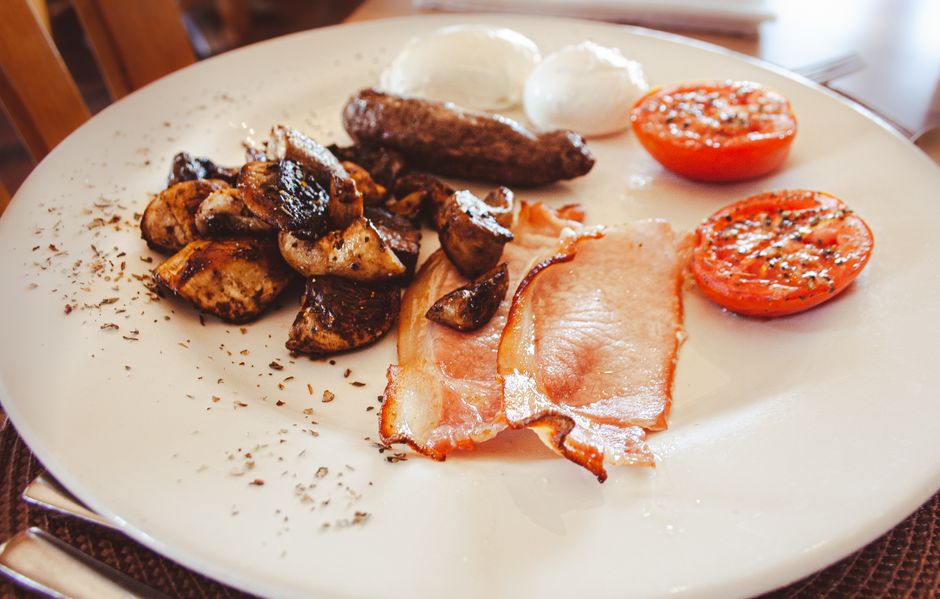
Eggs are almost pure protein and fat with no structural starch, so the difference between rubbery and tender comes down entirely to heat level and timing; each method below uses the lowest heat and shortest time that still fully cooks the whites, which is what keeps the yolks creamy and the whites from turning tough.
- Prep
- 5 min
- Cook
- 12 min
- Total
- 17 min
- Servings
- 4
Ingredients
- 8 large large eggs
- 2 tbsp unsalted butter
- 2 tbsp whole milk (for scrambling, optional)
- 1 tbsp white vinegar (for poaching)
- 1 tsp kosher salt
- 1/2 tsp black pepper
Nutrition per serving
- Calories
- 201
- Protein
- 13g
- Carbs
- 1g
- Fat
- 16g
Based on the recipe as written, one serving. Recalculates if you swap an ingredient above. An estimate only, exact values depend on the specific ingredients used.
Need different units or a different yield? Try our Conversion Calculator →
Instructions
- 1Boiled eggs: Lower cold eggs gently into already-boiling water. For soft-boiled with a jammy yolk, cook 6-7 minutes; for a fully set yolk with no chalky ring, cook 10-11 minutes. Transfer immediately to an ice bath for at least 5 minutes before peeling.
- 2Fried eggs: Melt 1/2 tablespoon butter in a nonstick skillet over medium-low heat. Crack in the egg and cook undisturbed for sunny-side-up (3-4 minutes, whites fully set, yolk runny), or flip once after 2 minutes and cook 1 more minute for over-easy.
- 3Scrambled eggs: Whisk eggs with the milk and a pinch of salt until uniformly pale yellow with no visible streaks. Cook in butter over low heat, pushing the eggs gently across the pan every 20-30 seconds and pulling the pan off the heat while they still look slightly underdone; they firm up from residual heat within a minute.
- 4Poached eggs: Bring water to a gentle simmer (small bubbles, not a rolling boil) and stir in the vinegar. Crack an egg into a fine-mesh sieve to drain off the loose watery whites, then slide it into the water. Cook 3 minutes for a runny center, lift out with a slotted spoon, and blot dry.
- 5Baked eggs (shirred): Crack eggs into a buttered ramekin, add a splash of cream if desired, and bake at 375°F (190°C) for 12-15 minutes, until the whites are set but the yolks still jiggle slightly.
- 6Omelet: Whisk 2-3 eggs until smooth. Pour into a hot buttered nonstick pan, swirl to coat evenly, and as the edges set, use a spatula to push cooked egg toward the center while tilting the pan to let raw egg fill the gaps. Once mostly set but still glossy on top (about 90 seconds), add fillings, fold in thirds, and slide onto a plate.
Tips & variations
- Older eggs (a week or two past purchase) peel more easily after boiling than very fresh eggs, since the air pocket between the shell and membrane grows as eggs age.
- A nonstick or well-seasoned carbon steel pan matters more for eggs than for almost any other food; even a small amount of sticking tears delicate curds and whites apart.
- For extra-creamy scrambled eggs, add a teaspoon of cold butter or a splash of cream right at the end instead of during cooking; this stops the eggs from continuing to firm up on the plate.
- Salt scrambled eggs before cooking, not after; salting early breaks down the proteins slightly and gives a softer, more tender curd.
Storage & reheating
Cooked eggs are best eaten right away, since reheating tends to make whites rubbery. Hard-boiled eggs keep unpeeled in the fridge for up to a week. Leftover scrambled or fried eggs keep in an airtight container for up to 2 days and reheat best in a covered pan over low heat with a splash of water, rather than in the microwave, which toughens them quickly.
Tips from the Tulo kitchen
- Cracking eggs on a flat surface like the counter, instead of the edge of a bowl, reduces the chance of shell fragments ending up in the egg.
- A splash of water instead of milk in scrambled eggs makes them fluffier, since the water turns to steam and puffs the curds; milk makes them creamier but slightly denser.
FAQ
What is the healthiest way to cook eggs?
Boiled or poached eggs add no extra fat, since they're cooked in water rather than butter or oil, making them the lowest-calorie preparation of the group.
Why do my scrambled eggs turn out watery?
Watery scrambled eggs are usually caused by cooking over heat that's too high, which makes the eggs release liquid as the curds seize up too fast; low, slow heat keeps the proteins from squeezing out moisture.
How do I know when a fried egg is done without flipping it?
Watch the edges of the white: once they turn fully opaque and slightly lacy or crisp at the rim, the white underneath the yolk is set even though the top may still look glossy.
Can I cook eggs without butter or oil?
Yes, boiling, poaching, and shirring (baking) all cook eggs in water or their own moisture with no added fat needed, though a light greasing of the dish still helps baked eggs release cleanly.