Baking Soda
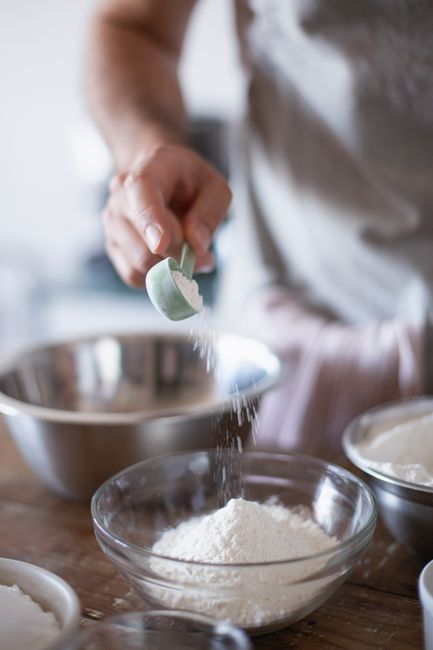
Baking soda is pure sodium bicarbonate, a fine white powder that reacts instantly with acidic ingredients like buttermilk, yogurt, brown sugar, cocoa, or lemon juice to release carbon dioxide gas. That gas is what makes batters rise, so baking soda only works when there's enough acid in the recipe to trigger it. It's roughly three to four times stronger than baking powder by volume, which is why recipes call for so much less of it.
Buying tips
Any plain sodium bicarbonate box works the same regardless of brand; there's no quality tier to shop for. Buy the smallest box that will get used within about six months, since potency fades with time even unopened.
Substitutes
Baking powder — 3:1 (use 3 teaspoons baking powder for every 1 teaspoon baking soda)
Baking powder already contains its own acid, so using this much will likely add a slightly metallic or soapy taste and may throw off the recipe's acid balance. Best as an emergency fix, not a regular swap.
Potassium bicarbonate plus a pinch of salt — 1:1
Chemically very similar to baking soda and reacts the same way with acids; add a small pinch of salt since potassium bicarbonate lacks sodium's flavor contribution. Common in low-sodium baking.
Baker's ammonia (ammonium bicarbonate) — Not a direct swap
Used traditionally in thin, crisp cookies and crackers where the sharp ammonia smell bakes off completely. Not suitable for thick or moist baked goods since trapped ammonia leaves a lingering odor.
Storage
Keep baking soda in its original box or an airtight container in a cool, dry pantry away from moisture, which can trigger the reaction prematurely. It doesn't need refrigeration for baking use; the box kept in the fridge to absorb odors is a separate, spent batch and shouldn't be used in recipes.
How to use
Used in quick breads, cookies, pancakes, and muffins that contain an acidic ingredient such as buttermilk, sour cream, molasses, brown sugar, honey, cocoa powder, or citrus. Also used in small amounts to tenderize meat, neutralize excess acidity in tomato sauces, and help vegetables like beans cook faster and hold their color when blanched.
What it pairs with
Works specifically with acidic partners: buttermilk, yogurt, sour cream, brown sugar, molasses, honey, cocoa powder, vinegar, and citrus juice. Pairing it with a purely neutral liquid like plain milk or water won't trigger the rise.
Nutrition
Baking soda contributes essentially no calories or macronutrients since it's used in tiny amounts, but it is high in sodium (about 1,259 mg per teaspoon), which matters for anyone tracking sodium intake closely across multiple baked servings.
FAQ
How do I test if baking soda is still active?
Drop about 1/4 teaspoon into a small bowl with a tablespoon of vinegar. Fresh baking soda fizzes vigorously and immediately; a weak or slow fizz means it's lost potency and should be replaced.
Can I use baking soda and baking powder in the same recipe?
Yes, and many recipes do. Baking soda neutralizes acid for flavor and browning while baking powder provides additional, more controlled lift, especially in recipes with only mild acidity.
What happens if I add too much baking soda?
Excess baking soda leaves a bitter, soapy taste and can cause batter to rise too fast and then collapse, along with an overly dark, soap-tasting crust from excess alkalinity.
Why did my cookies spread flat with too much baking soda?
Baking soda raises pH and weakens gluten structure, which makes dough spread more before it sets. Too much causes thin, overly spread cookies with a coarse, brittle texture.
Have baking soda on hand? Find recipes with our Recipe Generator →
Recipes using baking soda
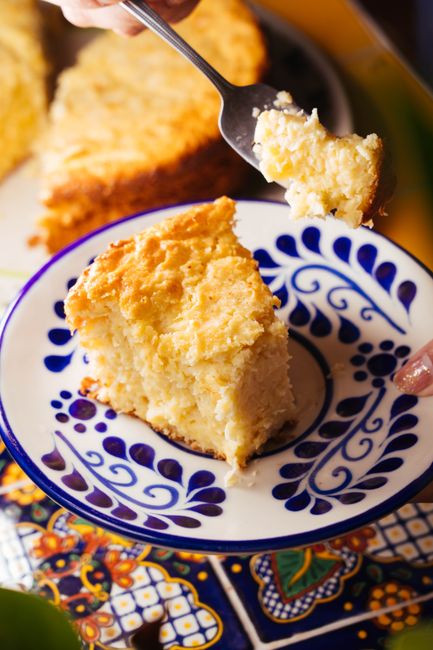
Gluten-Free Cornbread Recipe
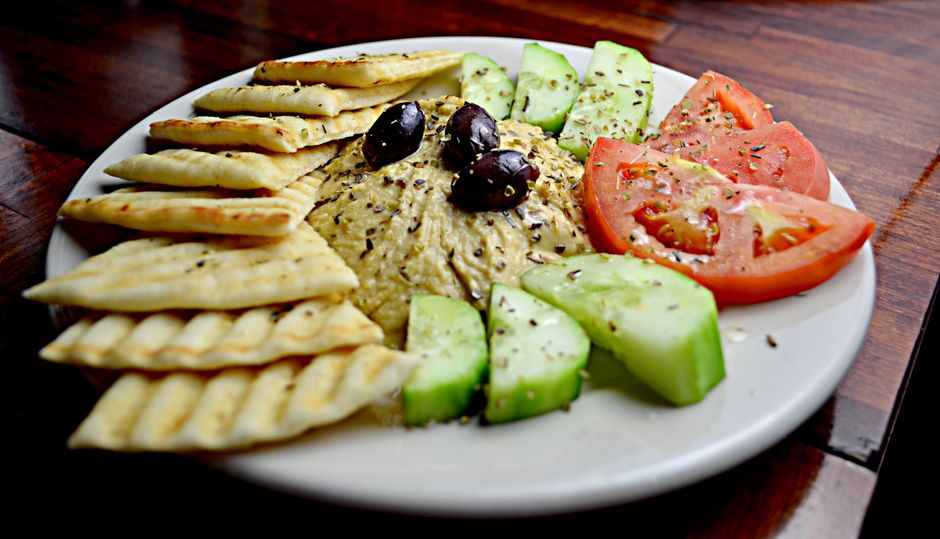
Hummus
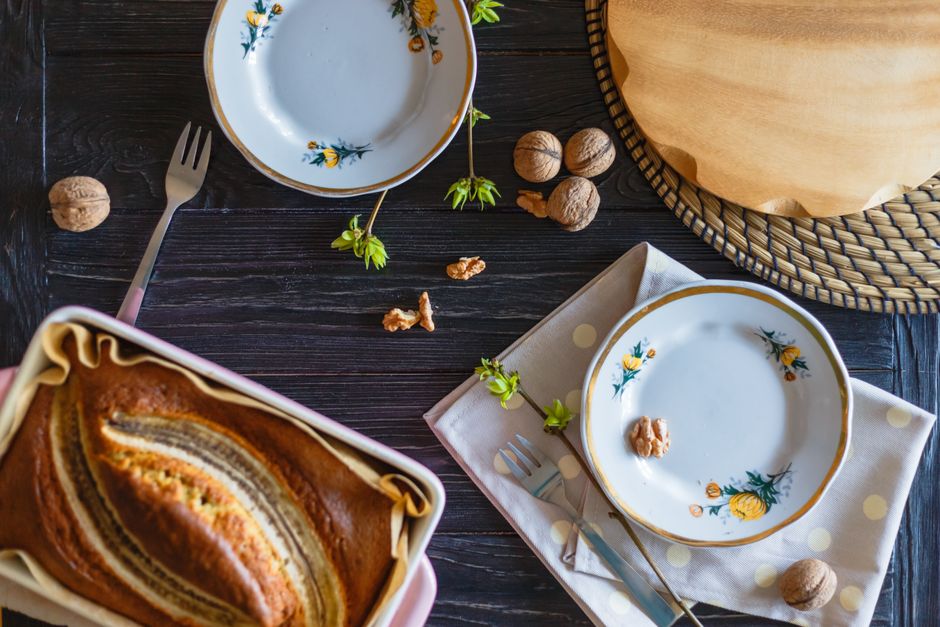
Banana Nut Bread Recipe

Sour Cream Donut Recipe
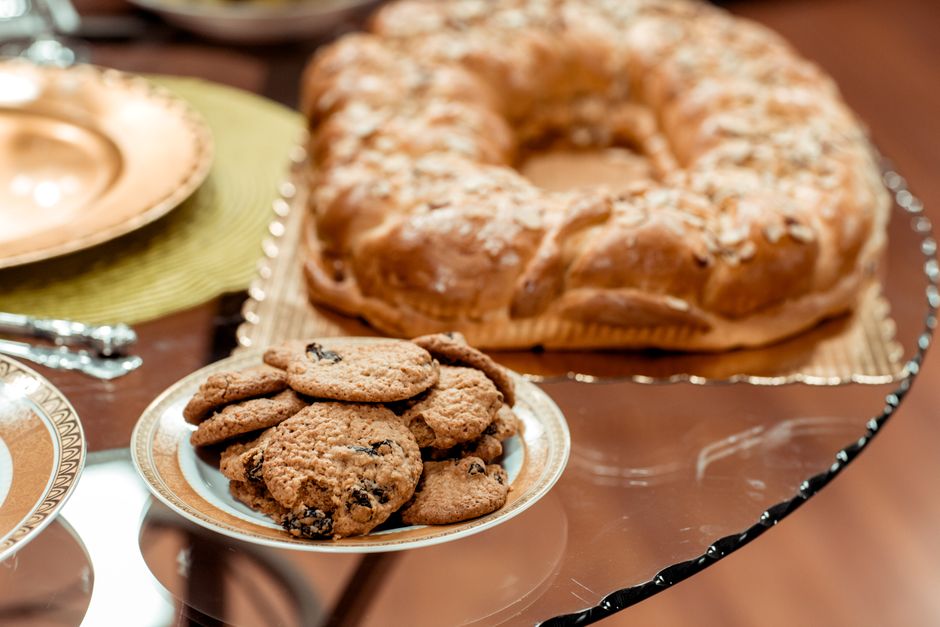
Quaker Oatmeal Cookie Recipe
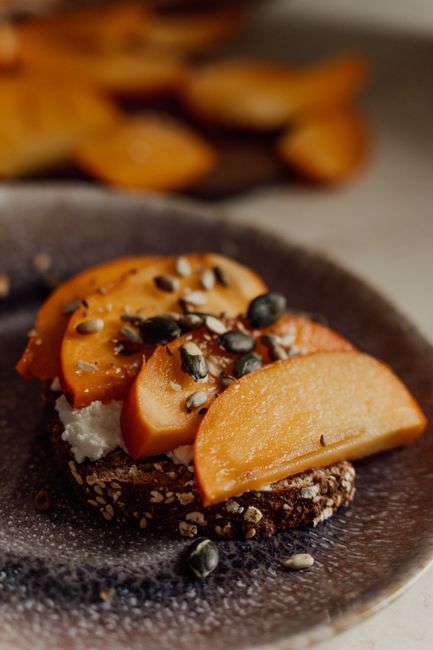
Persimmon Bread Recipe

Sour Cream Pound Cake Recipe
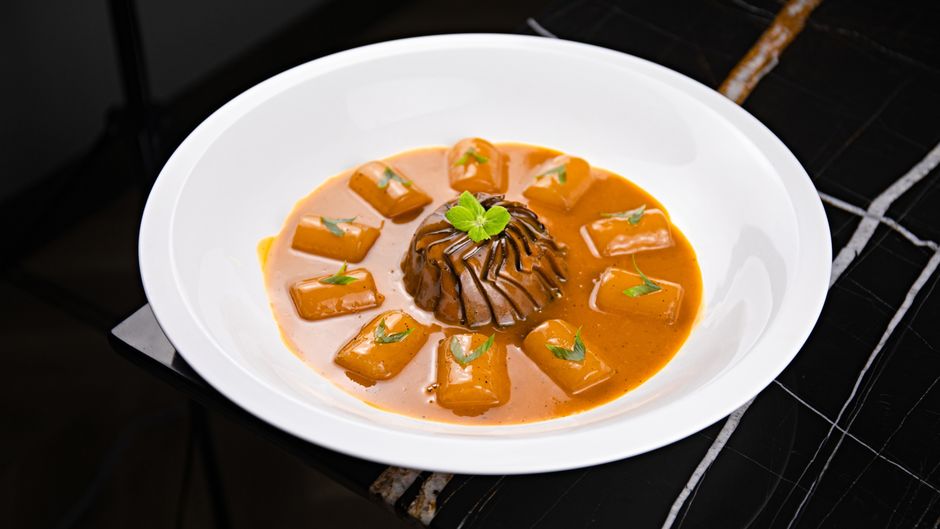
Persimmon Pudding Recipe

Buttermilk Biscuits Recipe
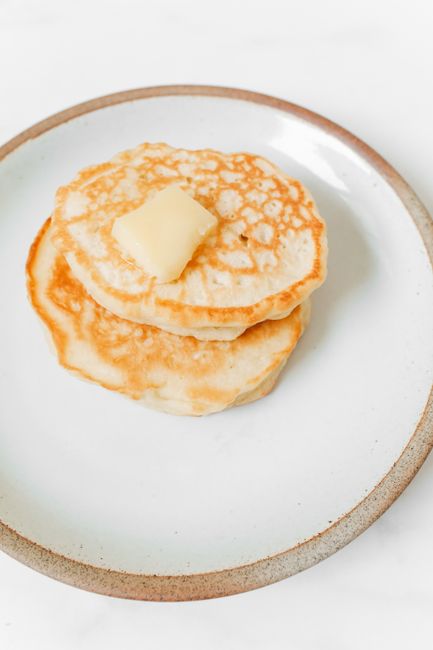
Buttermilk Pancakes Recipe
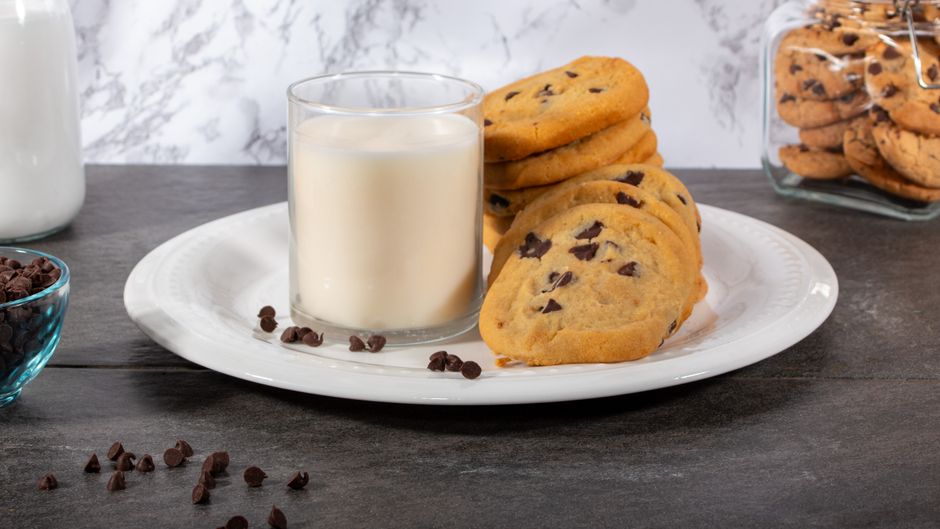
Milk Chocolate Chip Cookies Recipe
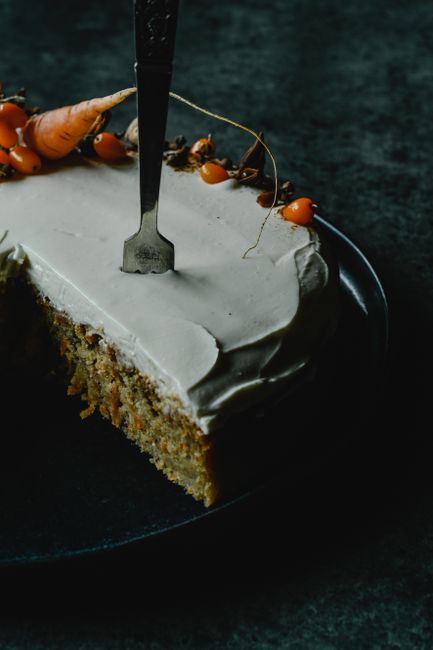
Spice Cake Recipe

Gluten-Free Chocolate Chip Cookies Recipe
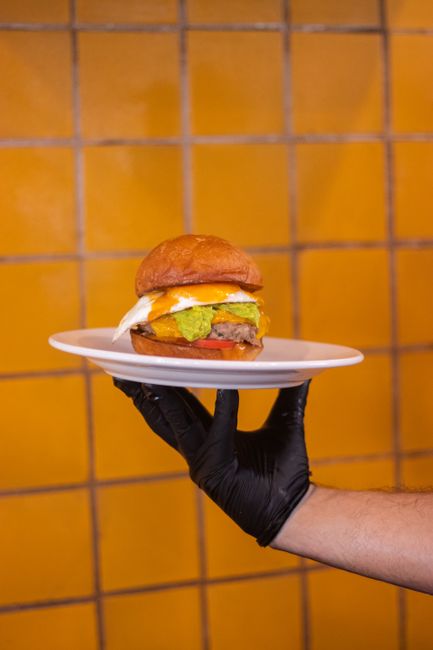
Copycat Wendy's Sausage, Egg, and Cheese Biscuit Recipe
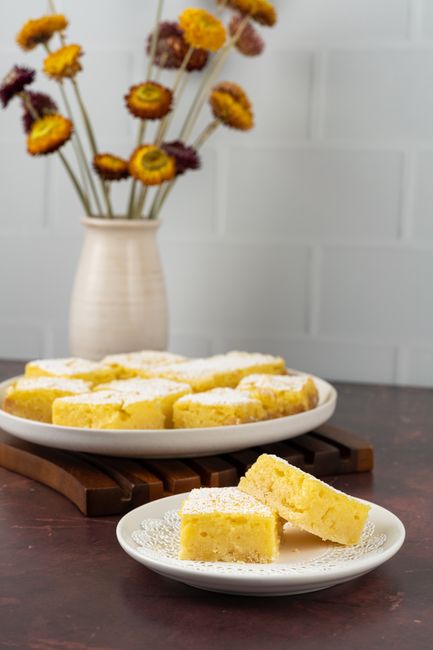
Sweet Cornbread Recipe
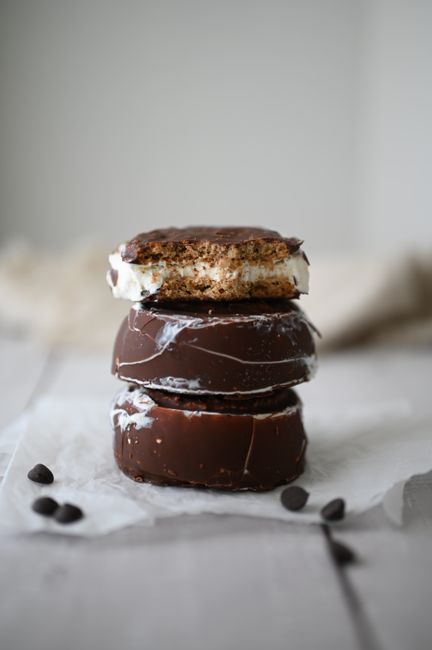
Homemade Choco Pie Recipe

Beef Chow Mein Recipe

Homemade Pancake Mix Recipe
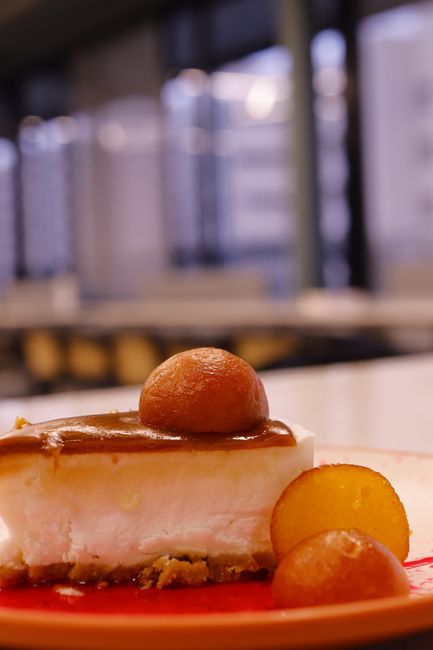
Gulab Jamun Recipe
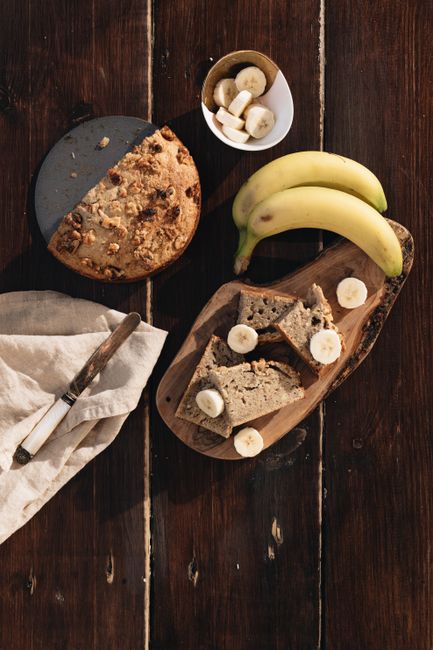
Banana Bread with Yogurt Recipe
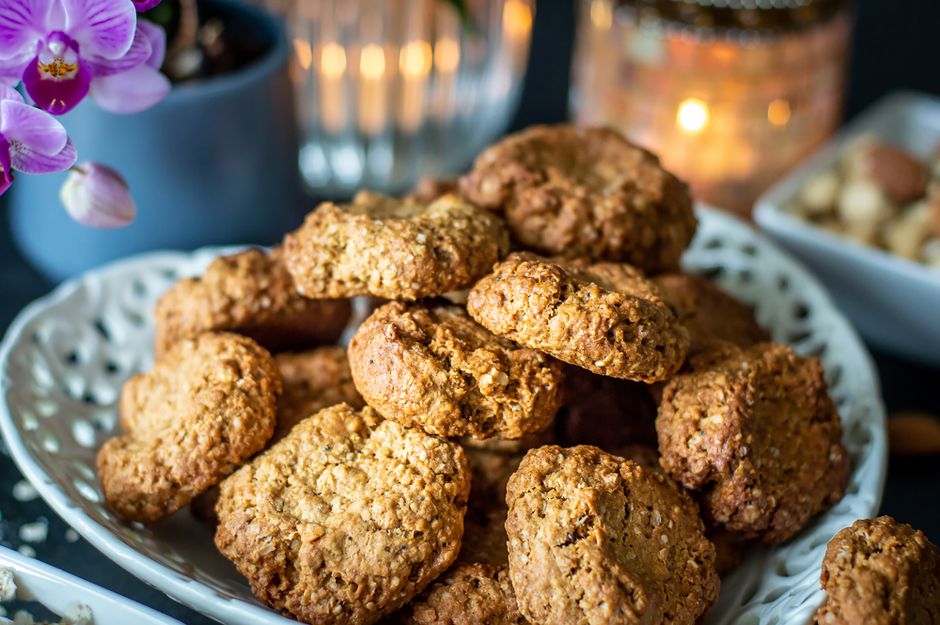
Copycat Little Debbie Soft Baked Oatmeal Cookies

Mini Pancake Muffins Recipe
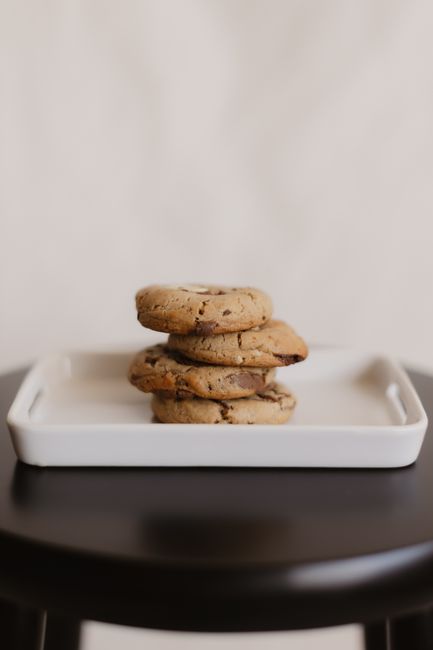
Nestle Toll House Chocolate Chip Cookie Recipe

Dog Birthday Cake Recipe

Buc-ee's Beaver Nuggets Recipe
Overripe Banana Bread Recipe
Kitchen Sink Cookies Recipe

Banana Oat Muffins Recipe
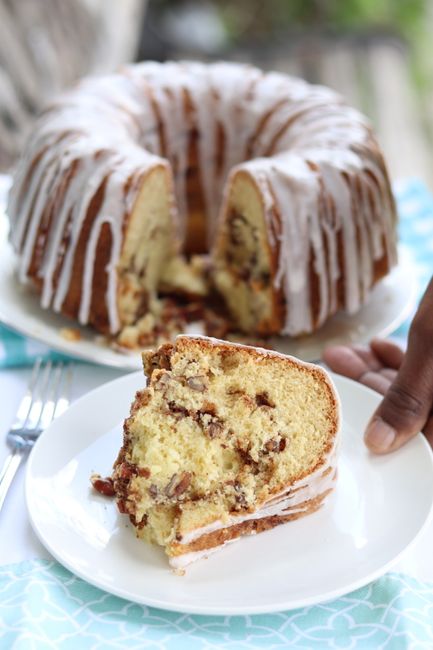
Sock It to Me Cake Recipe
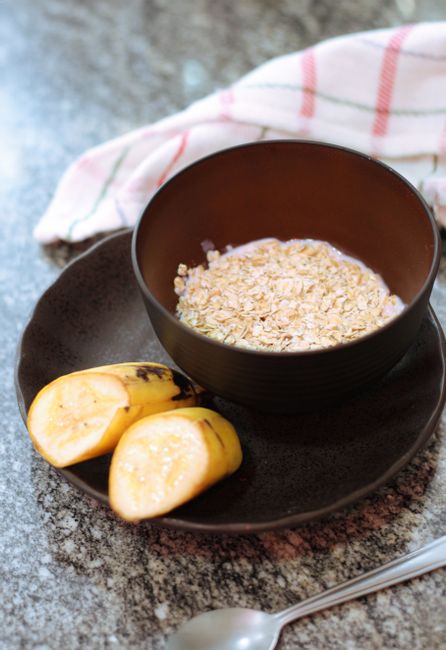
Gluten Free Banana Bread Recipe
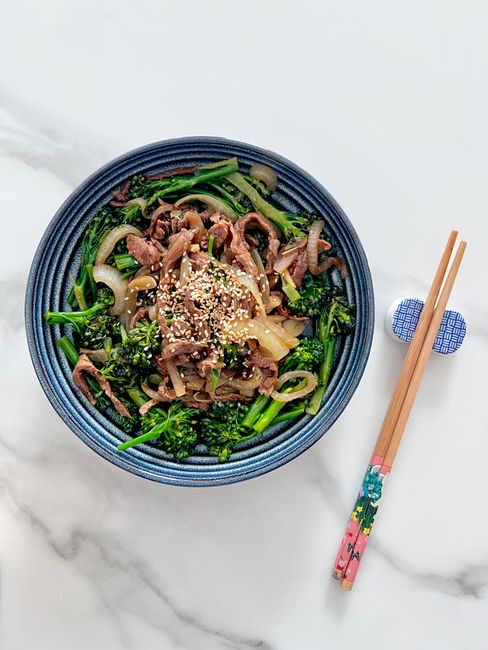
Flank Steak for Beef and Broccoli Recipe
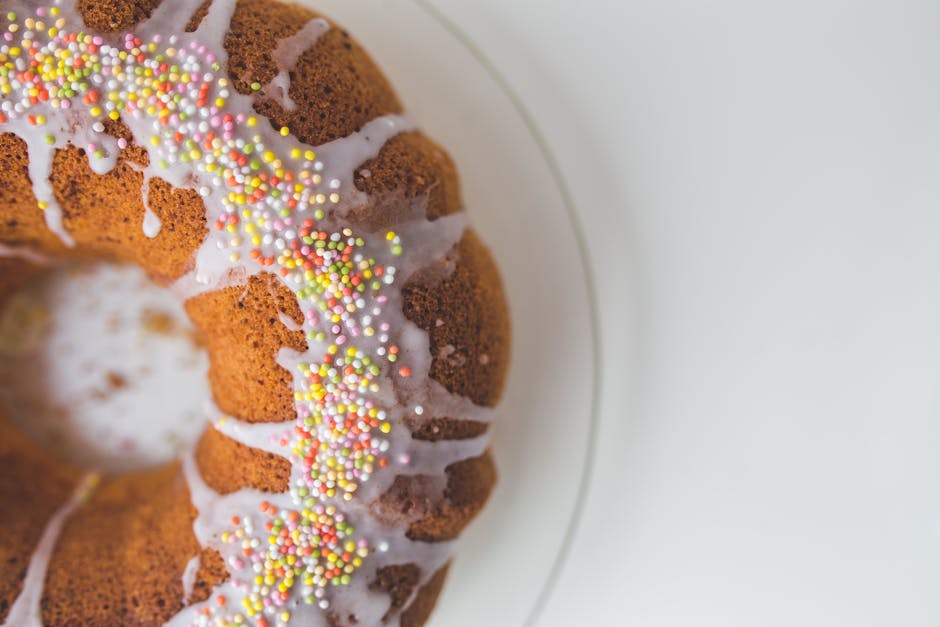
Classic Bundt Cake Recipe
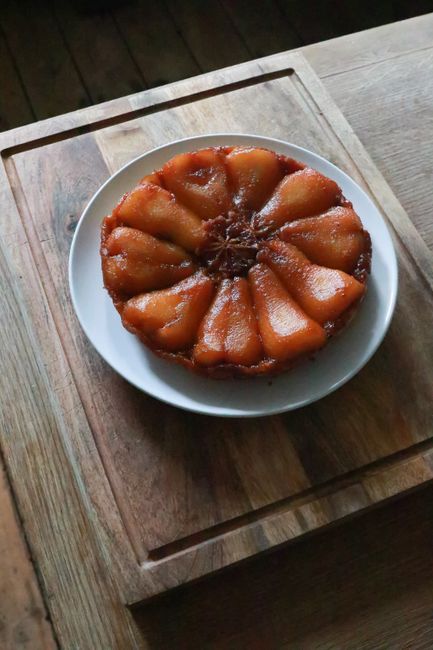
Pear Date Upside Down Cake Recipe

Pumpkin Chocolate Chip Muffins Recipe

Grain-Free Almond Flour Bread Recipe
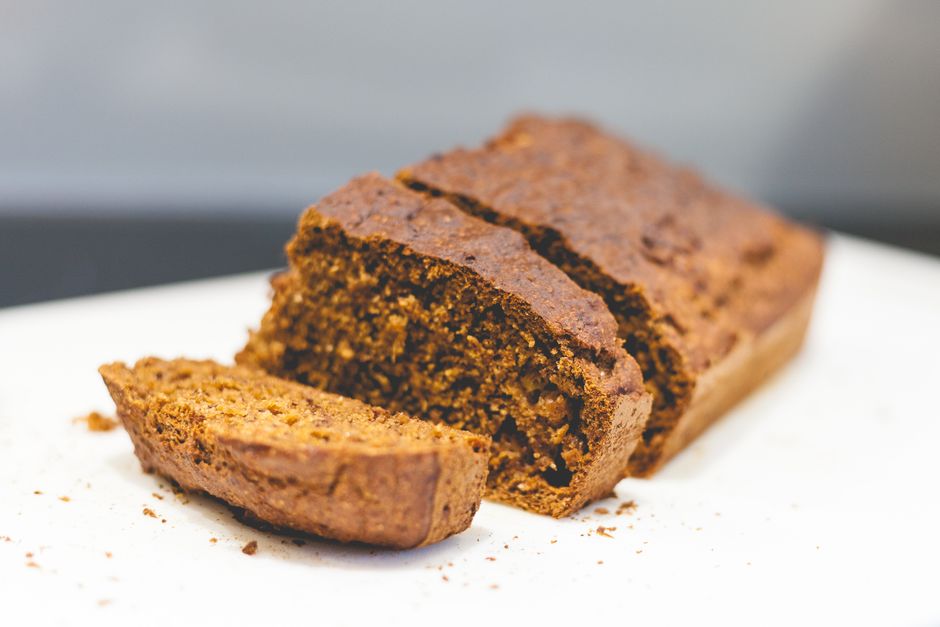
Protein Banana Bread Recipe
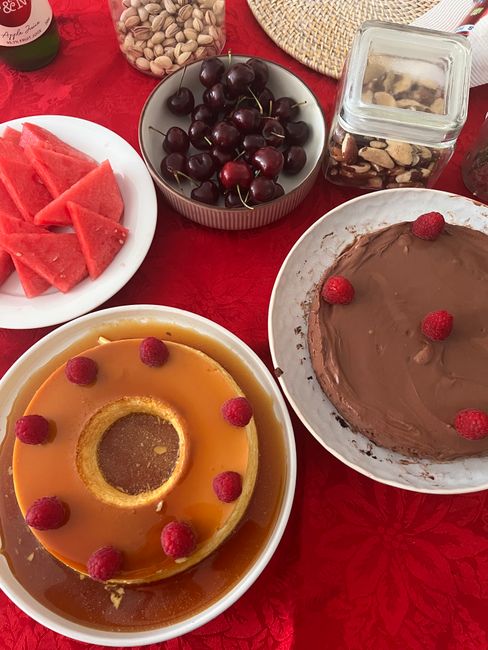
Chocolate Flan Cake Recipe

Hush Puppies Recipe

Red Velvet Cake Recipe
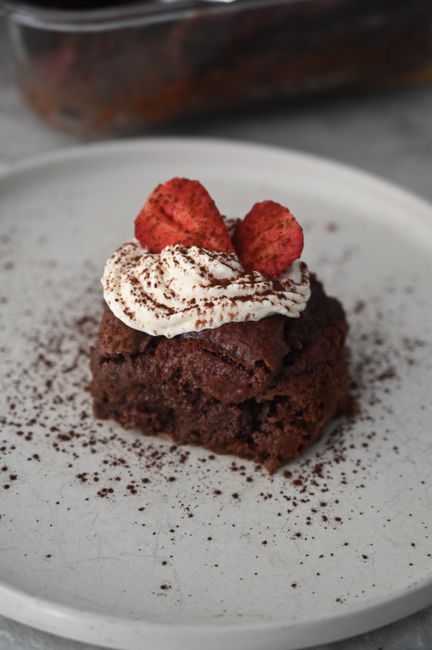
Vegan Chocolate Cake Recipe
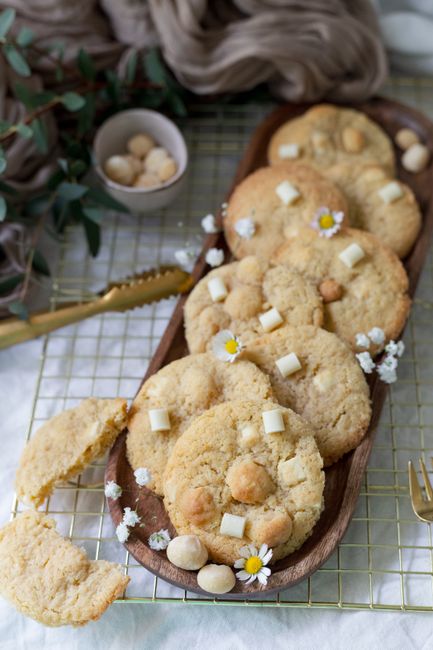
White Chocolate Macadamia Nut Cookies Recipe

Chocolate Chip Cookies Recipe

Dairy-Free Chocolate Cake Recipe
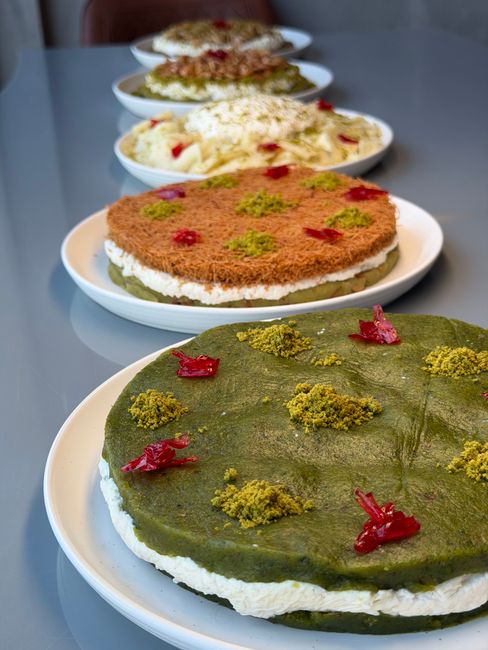
Dubai Chocolate Cake Recipe
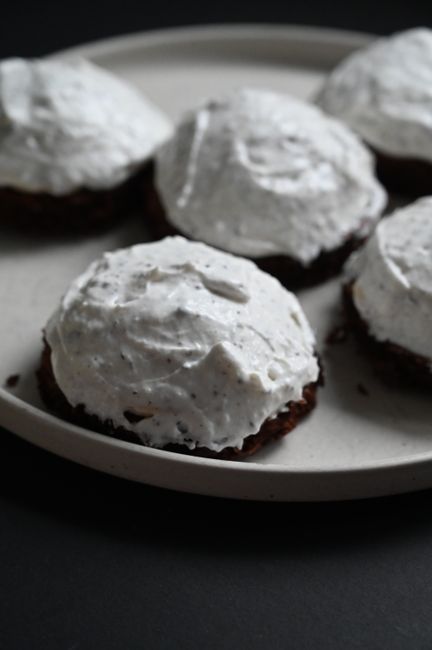
Cookies and Cream Cookies Recipe
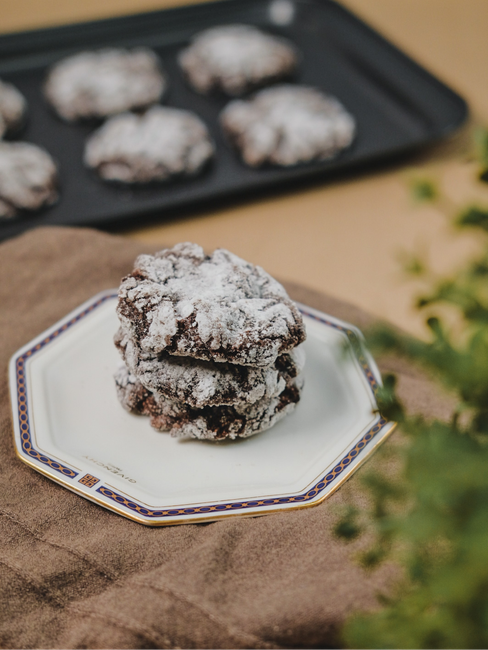
Cowboy Cookies Recipe

Are Oreos Vegan? (Plus a Homemade Vegan Oreo Cookie Recipe)

Peanut Butter Chocolate Chip Cookies Recipe
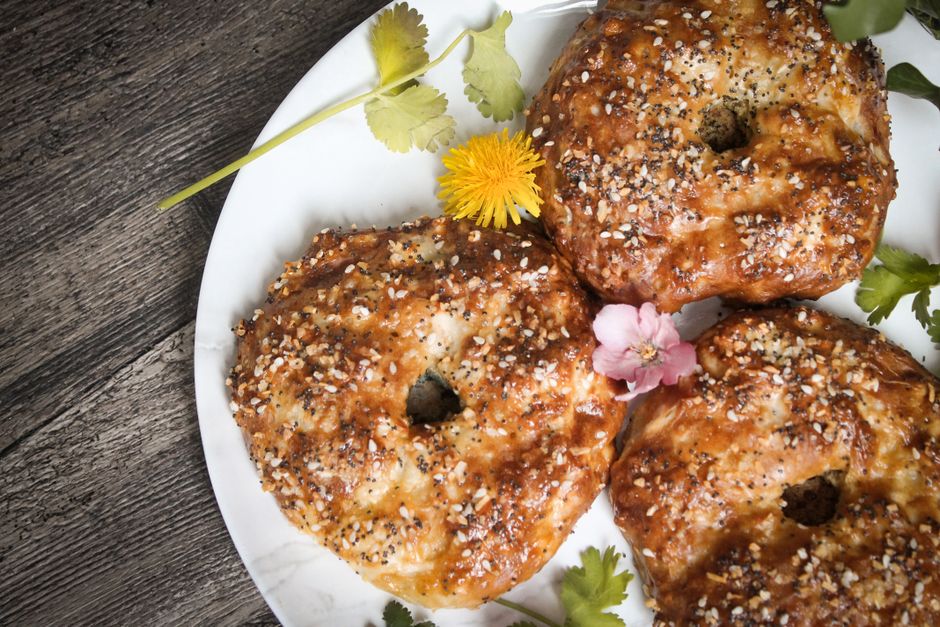
Sourdough Bagel Recipe
Buttermilk Baking Powder Biscuits Recipe
Gluten-Free Banana Loaf Recipe
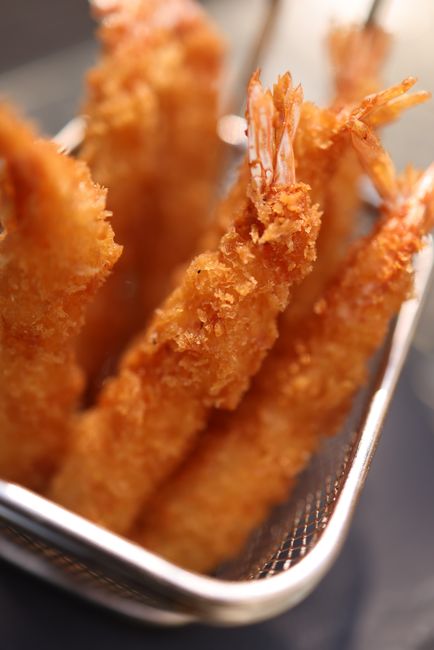
Tempura Batter Recipe (Light and Crispy)
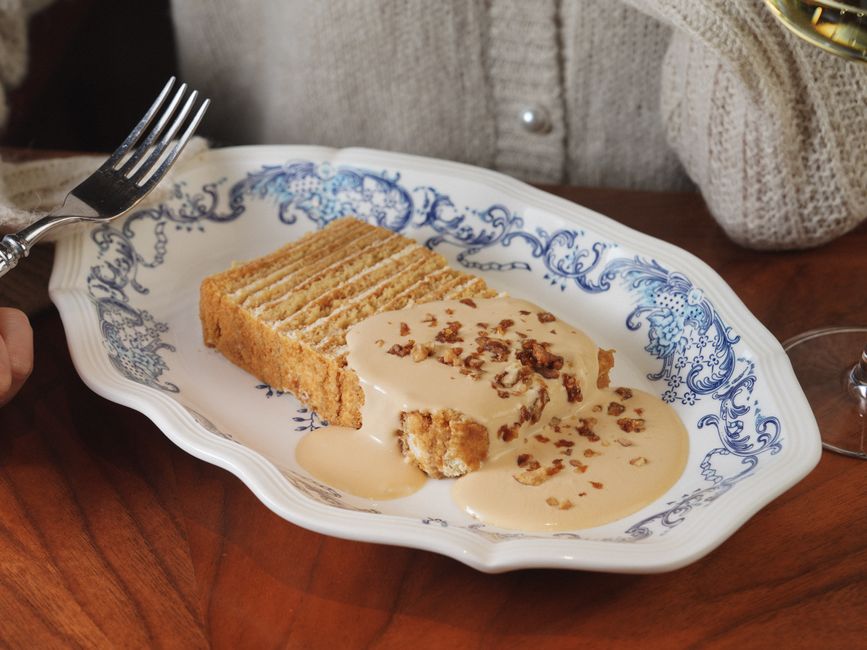
Caramel Caramel Cake