Gulab Jamun Recipe
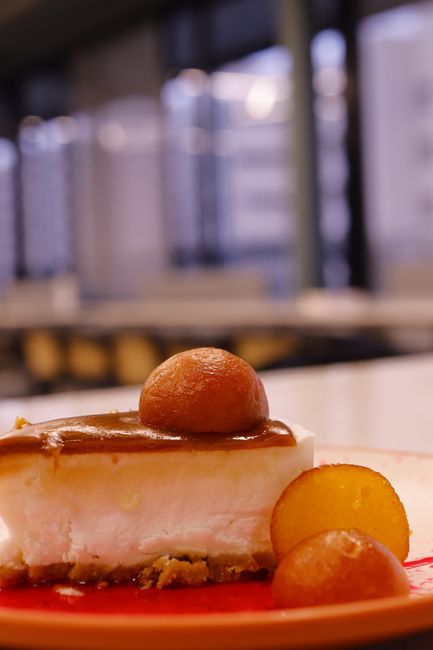
Frying the dumplings low and slow gives the dense milk dough time to cook through evenly before the outside browns too far, and dropping them into warm (not hot) syrup right after frying lets them soak it up fully without turning mushy.
- Prep
- 20 min
- Cook
- 30 min
- Total
- 90 min
- Servings
- 8
Ingredients
- 1 cup milk powder
- 1/4 cup all-purpose flour
- 1/4 tsp baking soda
- 3 tbsp whole milk
- 2 tbsp unsalted butter, softened
- 2 cups granulated sugar
- 2 cups water
- 4 pods green cardamom pods, crushed
- 1/2 tsp rose water
- 3 cups vegetable oil or ghee, for frying
Need different units or a different yield? Try our Conversion Calculator →
Instructions
- 1Combine the sugar, water, and crushed cardamom pods in a saucepan and simmer for 8-10 minutes until slightly syrupy, then stir in the rose water and keep warm.
- 2Whisk together the milk powder, flour, and baking soda in a bowl.
- 3Rub the softened butter into the dry mixture with your fingertips until it resembles coarse crumbs.
- 4Add the milk a little at a time, gathering the mixture into a soft, smooth dough; avoid kneading it too much.
- 5Divide the dough into small portions and roll into smooth balls with no cracks, about 1 inch across.
- 6Heat the oil or ghee in a deep pot to 300-325°F (150-160°C), keeping the heat on medium-low.
- 7Fry the dumplings in small batches, gently swirling the oil so they color evenly, until deep golden brown all over, 8-10 minutes; they will roughly double in size.
- 8Remove with a slotted spoon and drop immediately into the warm syrup, letting them soak for at least 30 minutes before serving.
Tips & variations
- Traditional gulab jamun uses khoya (reduced milk solids) instead of milk powder, if available, it gives an even richer, more authentic result.
- A drop of dough in the oil should rise slowly and steadily if the temperature is right, if it browns almost instantly, the oil is too hot.
- Garnish with slivered pistachios or a few saffron threads in the syrup for a festive presentation.
Storage & reheating
Store in the syrup, covered, in the refrigerator up to 1 week. Serve chilled or gently warmed; a few seconds in the microwave restores the soft, syrup-soaked texture.
Nutrition
A rich, sugar-syrup soaked dessert, best enjoyed in small portions given the sugar content of both the dough and syrup.
Tips from the Tulo kitchen
- Let the dough rest for 10 minutes before rolling, it firms up slightly and is easier to shape into smooth, crack-free balls.
- Warm syrup soaks in better than hot syrup, if the syrup is too hot when the dumplings go in, it can actually make them fall apart.
FAQ
Why did my gulab jamun turn out hard or dense?
This is usually from over-kneading the dough or frying at too high a temperature. Handle the dough gently and keep the oil at a low, steady 300-325°F.
Can I use khoya instead of milk powder?
Yes, khoya (also called mawa) is the traditional base and gives a richer result. Substitute it roughly 1:1 for the milk powder, adjusting the flour slightly since khoya carries more moisture.
How long should the dumplings soak in syrup?
At least 30 minutes, though they continue to improve for several hours as they absorb more syrup, which is why gulab jamun is often made a day ahead.