
Smoked Paprika
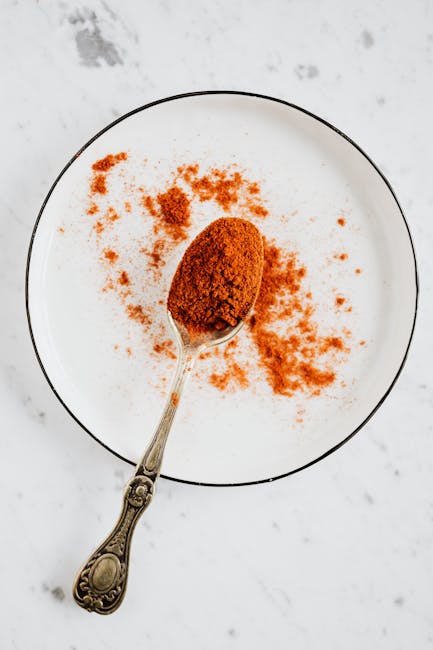
Smoked paprika (pimenton) is made from peppers that are slow-dried over smoldering oak fires for one to two weeks, then ground into a fine powder. That smoking process is what separates it from regular paprika, which is usually just air- or heat-dried without any wood smoke. The result is a deep red spice with a distinct campfire aroma and flavor that ranges from mild to hot depending on the peppers used. Spanish smoked paprika, labeled pimenton de la Vera, is the most common commercial version and comes in dulce (sweet), agridulce (medium), and picante (hot) grades.
Varieties
Spanish pimenton de la Vera comes in three grades: dulce (sweet, no heat), agridulce (medium heat), and picante (spicy). Hungarian smoked paprika also exists but is less common in the U.S.; it tends to be milder and less intensely smoky than the Spanish oak-smoked versions.
Buying tips
Check the label for pimenton de la Vera or another explicit smoked designation; plain paprika is often shelved right next to it and looks nearly identical. Buy in small tins or jars since ground paprika loses aroma faster than whole spices, and a fresh batch should smell distinctly smoky, not just like sweet red pepper.
Substitutes
Regular sweet paprika + a few drops of liquid smoke — 1:1 paprika, plus 2-3 drops liquid smoke per teaspoon
Gets close to the real smoky-sweet profile; add the liquid smoke sparingly and taste as you go since it's potent.
Chipotle powder — 1/2:1
Also smoke-dried, but from jalapenos, so it brings real heat and a slightly different, more tobacco-like smokiness; start with half the amount.
Ancho chile powder — 1:1
No smoke flavor, but a similar deep, fruity, mildly sweet pepper base; best when the recipe's smokiness isn't the main point.
Regular paprika (unsmoked) — 1:1
Matches the color and mild pepper flavor but loses the smoke entirely; fine for dishes where paprika is mainly for color, like deviled eggs or dips.
Storage
Keep in a sealed container away from light and heat, ideally in a cabinet rather than a rack next to the stove. Ground smoked paprika holds its aroma well for about a year but gradually fades after that; smell it before using if it's been sitting a long time, and if the aroma is faint, use more or replace it.
How to use
Stir into rubs for pork shoulder, ribs, and chicken thighs before smoking or grilling. Bloom a spoonful in warm oil at the start of cooking to build the base for Spanish rice, paella, and chorizo-style sausages. Sprinkle over roasted potatoes, deviled eggs, hummus, or popcorn for color and a smoky finish. Because it's ground fine and can scorch, add it to hot oil for only 30 seconds to a minute before adding liquid or other ingredients.
What it pairs with
Works well with garlic, cumin, and sherry vinegar in Spanish-style dishes, and with brown sugar and mustard in barbecue rubs. Pairs naturally with pork, chickpeas, potatoes, and eggs.
Nutrition
Used in small spoonfuls, smoked paprika contributes negligible calories but does carry a meaningful dose of vitamin A (from the carotenoids that also give it its red color) and some iron per tablespoon.
FAQ
Is smoked paprika the same as regular paprika?
No. Regular paprika is dried with heat or air and tastes mildly sweet and peppery; smoked paprika is dried over smoldering oak wood for one to two weeks, which gives it a distinct smoky aroma that regular paprika doesn't have.
Does smoked paprika make food spicy?
Only if you buy the picante (hot) grade. Sweet (dulce) smoked paprika, the most common type sold, has almost no heat and is used mainly for color and smoky flavor.
Can smoked paprika replace chili powder?
Not directly, since chili powder is usually a blend of ground chiles, cumin, garlic powder, and oregano. Smoked paprika can be one component of a homemade chili powder blend but won't replicate the full flavor on its own.
Why does my smoked paprika taste bitter after cooking?
Ground paprika scorches easily in hot oil. Add it toward the end of sauteing aromatics, or bloom it for no more than a minute before adding liquid, to avoid a burnt, bitter edge.
Have smoked paprika on hand? Find recipes with our Recipe Generator →
Recipes using smoked paprika

Peri Peri Chicken Recipe

Dry Rub BBQ Chicken Recipe

Vegan Meal Prep Bowls Recipe

Black Bean Soup Recipe
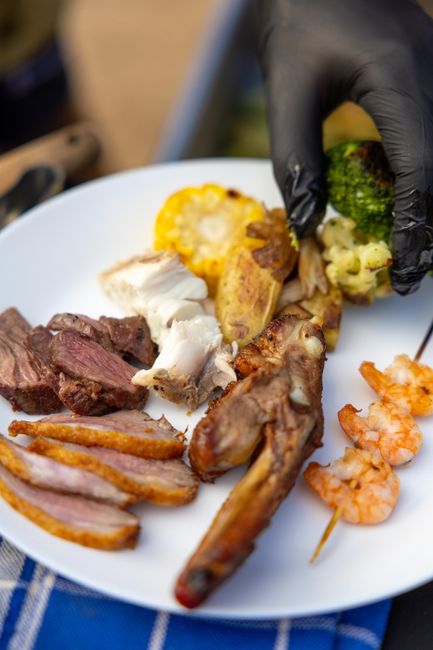
Steak and Shrimp Griddle Skewers

Breakfast Hash with Eggs
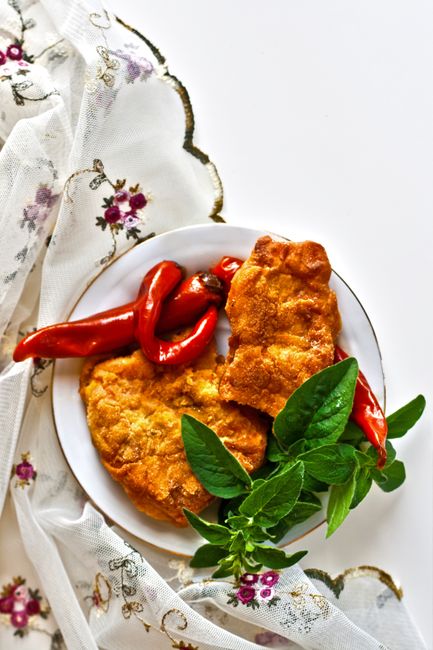
Copycat Wendy's Takis Fuego Crispy Chicken Sandwich Recipe
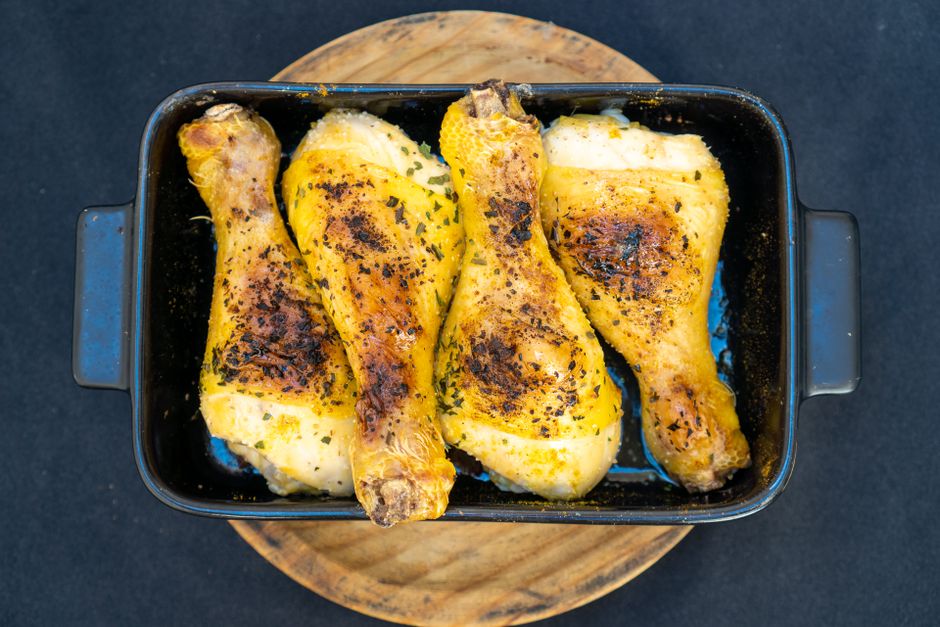
Crispy Baked Chicken Legs Recipe

Chili Seasoning Recipe
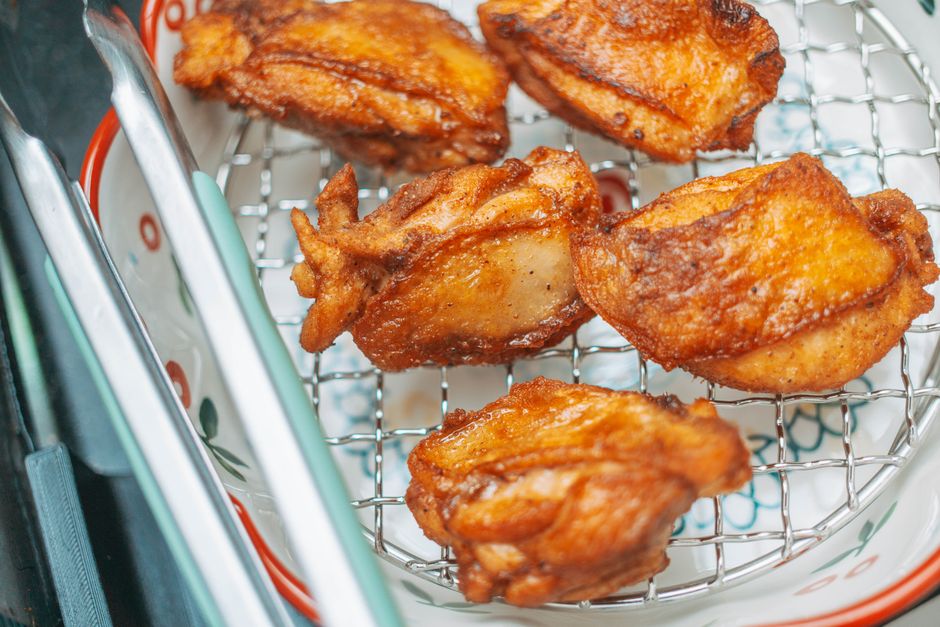
Crispy Baked Chicken Thighs Recipe
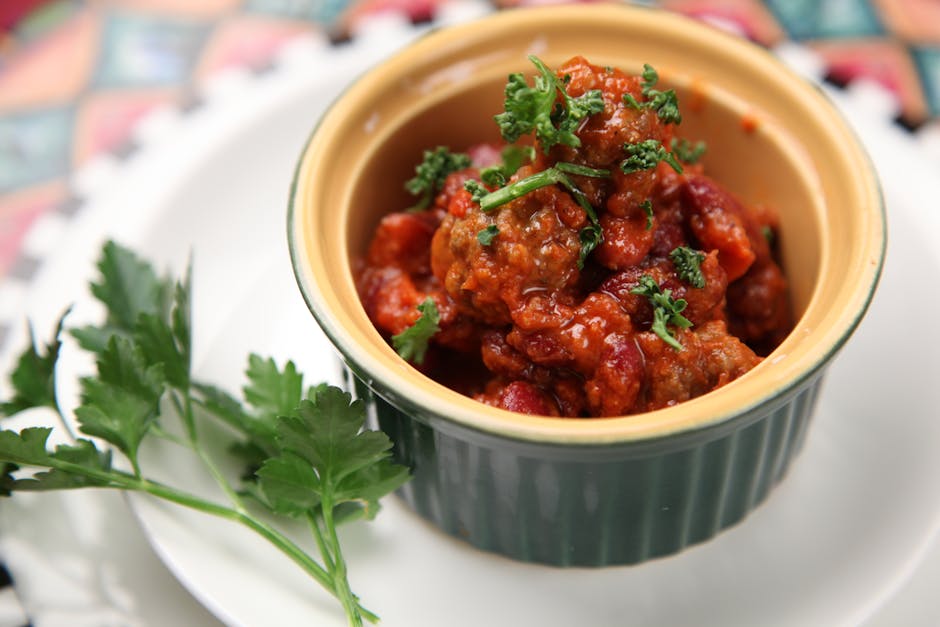
Chili Con Carne Recipe
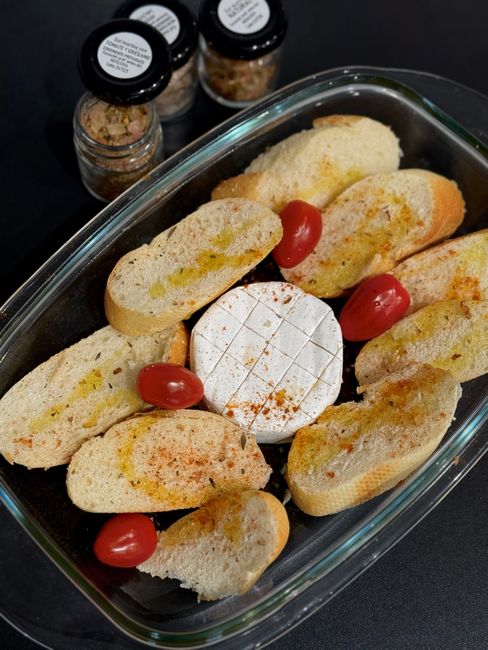
All Purpose Seasoning Recipe

Air Fryer Salmon with Asparagus Recipe
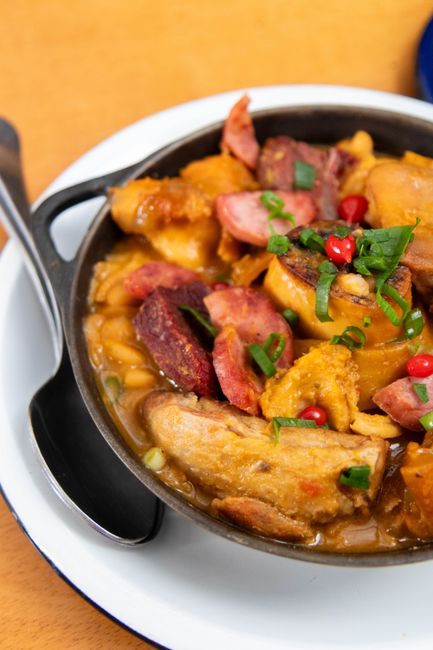
Seasoned Canned Black Beans Recipe
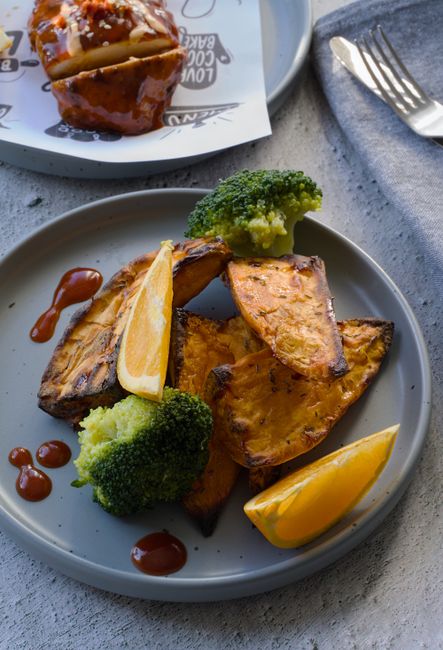
Paleo Meal Prep Bowls Recipe
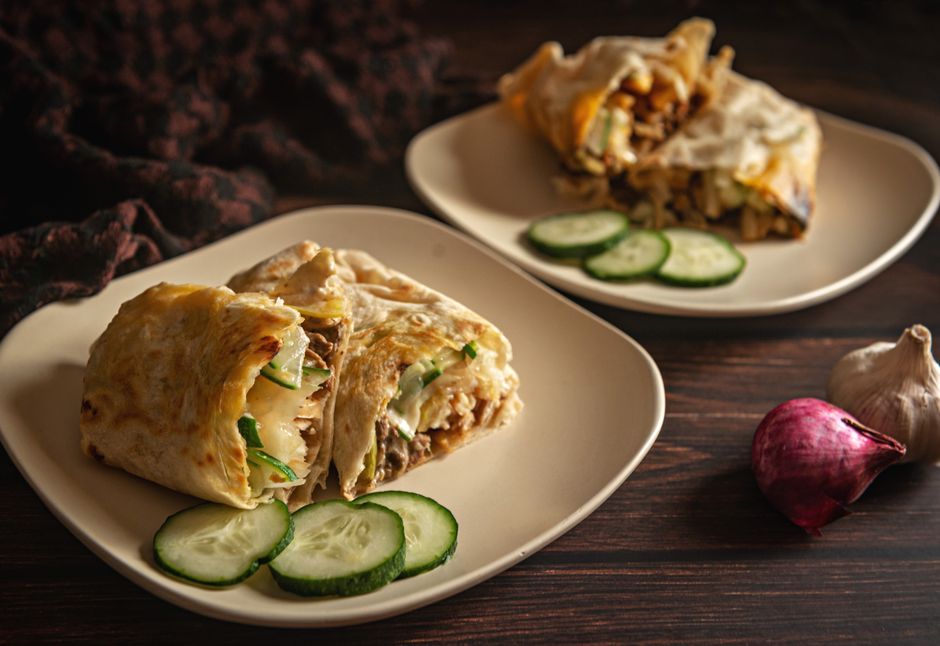
Easy Chicken Shawarma Recipe
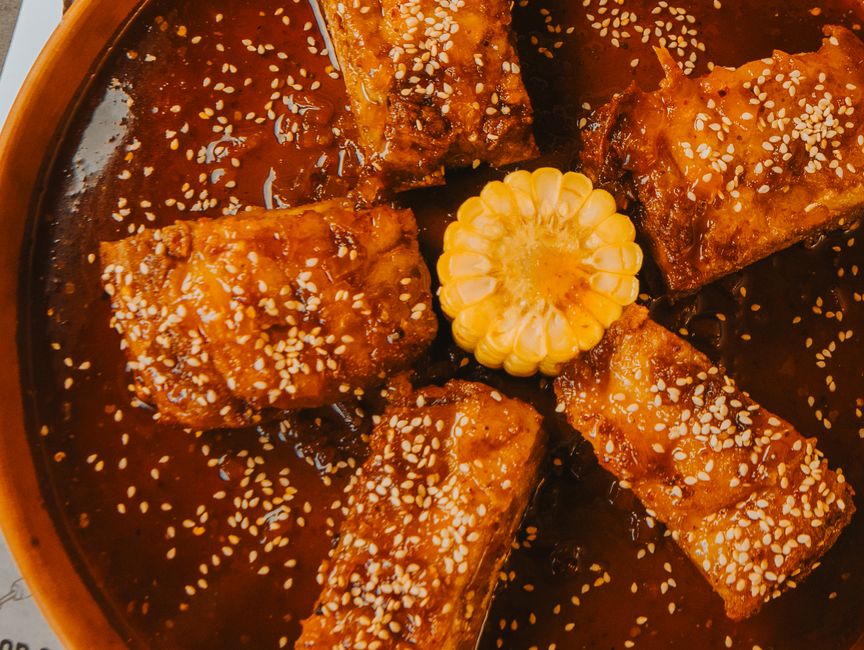
Country Style Pork Ribs Recipe
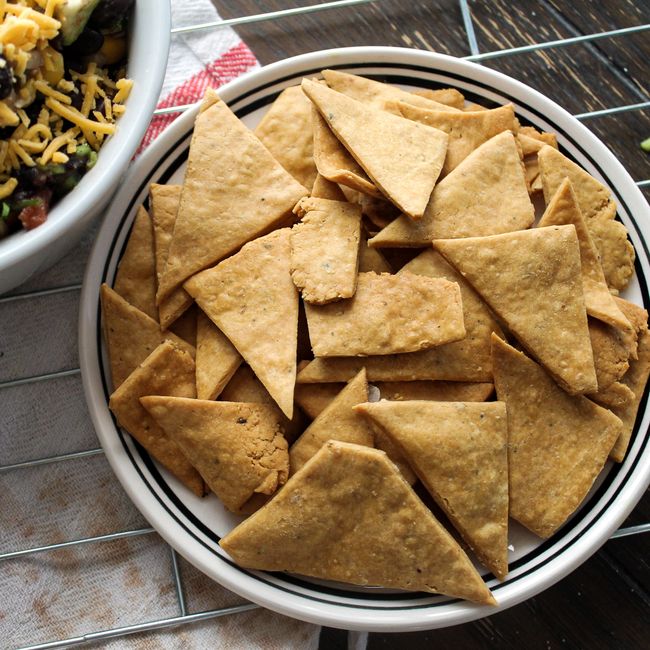
Hot Corn Dip Recipe

Smoked Turkey Breast Recipe
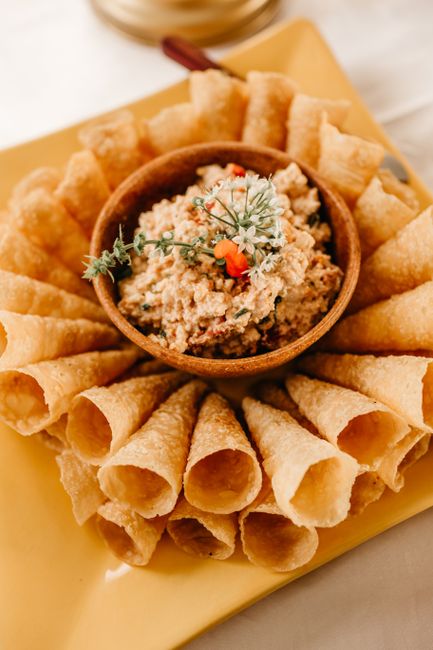
Street Corn Dip Recipe

Black Bean and Sweet Potato Tacos Recipe

Bloody Mary Mix Recipe
Ground Turkey Taco Skillet Recipe
Classic Chili Recipe
Crockpot Chicken Tacos Recipe
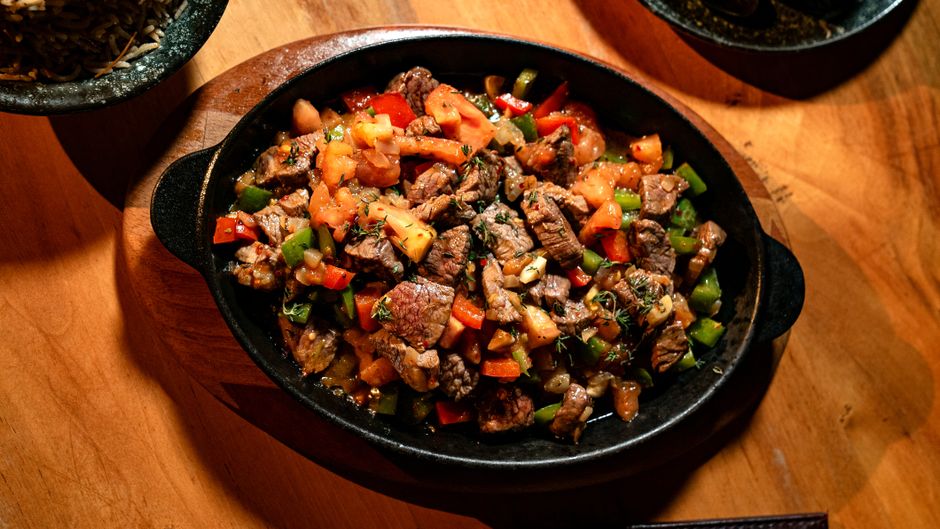
Healthy Ground Beef and Vegetable Skillet Recipe
Smoked Pork Loin Recipe
Smoked Chuck Roast Recipe
Morning Skillet Eggs Recipe
Smoked Chicken Breast Recipe
BBQ Baked Chicken Recipe
High-Protein Vegan Buddha Bowl
Easy Campfire Foil Packet Dinner Recipe
Smoked Chicken Thighs Recipe
Sugar-Free BBQ Sauce Recipe
Taco Meat Recipe
Smoked Pork Belly Recipe
Fried Pickles Recipe
Instant Pot Pulled Pork Recipe
Ham and Beans Recipe
Ground Venison Chili Recipe
Gambas al Ajillo (Spanish Garlic Shrimp Tapas) Recipe
High-Protein Vegetarian Power Bowl Recipe
Crockpot Pulled Pork Recipe
Smoked Turkey Legs Recipe
Fried Chicken Wings Recipe
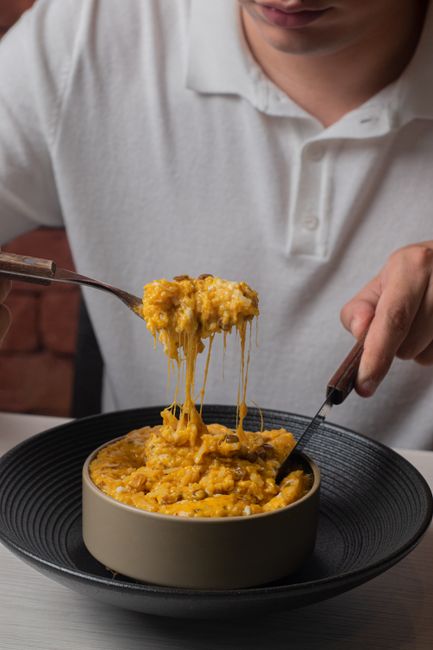
Little Blue Menu Chicken and Rice Casserole Recipe
Smoked Tri Tip Recipe

Ham and Beans Recipe
One-Pan Mexican Chicken and Rice Recipe

Smoked Pork Chops Recipe
Homemade Seafood Boil Seasoning Recipe
Lean Ground Beef Taco Meat Recipe
Brisket in the Oven Recipe
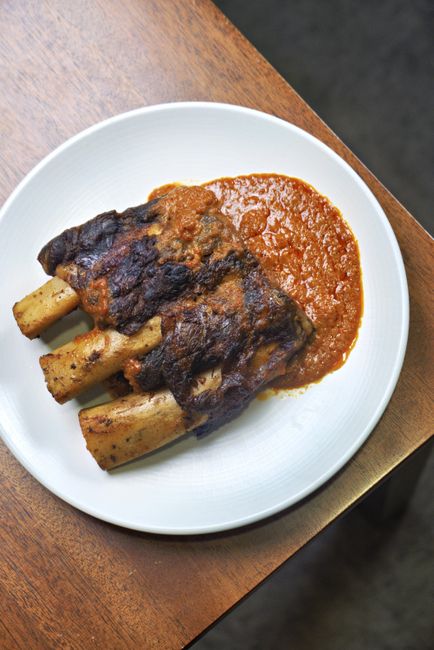
Country Style Ribs Recipe
Gluten-Free Breakfast Casserole Recipe

