Beef Back Ribs Recipe
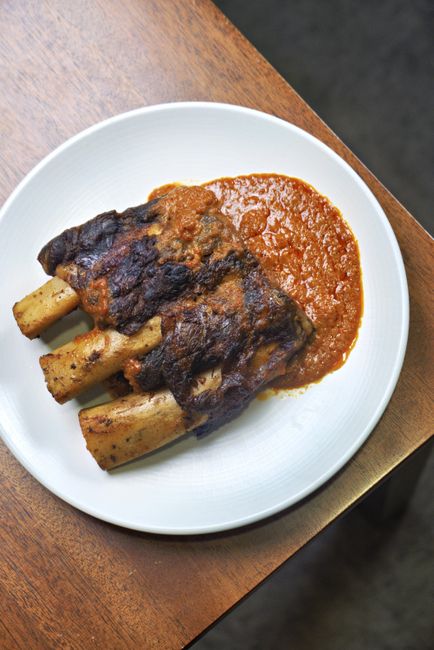
Beef back ribs carry less meat than short ribs but a lot of connective tissue between the bones, so a long, low oven roast wrapped in foil melts that collagen into gelatin while keeping the meat moist, then a final uncovered blast with sauce sets a sticky, caramelized bark.
- Prep
- 20 min
- Cook
- 3 hr 15 min
- Total
- 3 hr 35 min
- Servings
- 4
Ingredients
- 4 1/2 lb beef back ribs (2 racks)
- 3 tbsp brown sugar
- 1 1/2 tbsp smoked paprika
- 1 tbsp garlic powder
- 1 tbsp onion powder
- 1 1/2 tsp kosher salt
- 1 tsp black pepper, coarsely ground
- 1/2 tsp cayenne pepper
- 1 cup barbecue sauce
Nutrition per serving
- Calories
- 452
- Protein
- 23g
- Carbs
- 33g
- Fat
- 25g
Based on the recipe as written, one serving. Recalculates if you swap an ingredient above. An estimate only, exact values depend on the specific ingredients used.
Need different units or a different yield? Try our Conversion Calculator →
Instructions
- 1Preheat the oven to 300°F (150°C). Line a rimmed baking sheet with two layers of heavy-duty foil, leaving enough overhang to fold up and seal the ribs.
- 2Remove the thin, papery membrane from the back of each rack: slide a butter knife under it at one end, grip it with a paper towel, and peel it off in one piece. Pat the ribs dry.
- 3Mix the brown sugar, smoked paprika, garlic powder, onion powder, salt, black pepper, and cayenne in a small bowl. Rub the mixture over both sides of the ribs, pressing it into the meat.
- 4Set the ribs bone-side down on the foil-lined sheet. Fold the foil up and over the ribs, sealing the edges tightly so no steam escapes.
- 5Roast for 2.5 to 3 hours, until the meat has pulled back from the ends of the bones and a fork slides into the meat with almost no resistance.
- 6Carefully open the foil (hot steam will escape) and drain off the excess liquid. Brush the ribs generously with barbecue sauce on both sides.
- 7Increase the oven temperature to 425°F (220°C). Return the ribs, uncovered, for 10-15 minutes, until the sauce is bubbling and slightly charred at the edges.
- 8Rest the ribs for 10 minutes before slicing between the bones and serving with extra sauce.
Tips & variations
- Beef back ribs run leaner on meat than they look because most of it sits between the bones; buy about 3/4 pound per person if serving as a main.
- For a smokier finish without a smoker, add 1/2 teaspoon liquid smoke to the dry rub or brush it on with the barbecue sauce.
- A dark, chile-forward barbecue sauce or a Kansas City-style sweet sauce both work well; thin, vinegar-based sauces tend to slide off during the final broil-like blast.
Storage & reheating
Store cooled ribs in an airtight container in the refrigerator for up to 4 days. Reheat wrapped in foil at 300°F (150°C) for 15-20 minutes, or until warmed through, to keep them from drying out; microwaving tends to toughen the meat.
Tips from the Tulo kitchen
- A layer of foil under the ribs during the low roast catches rendered fat and juices, which makes cleanup much easier if you skip a wire rack.
- Check for doneness by the meat, not the clock: it should have pulled back at least 1/4 inch from the bone ends before the ribs come out of the foil.
FAQ
What's the difference between beef back ribs and short ribs?
Back ribs come from the upper rib cage near the spine, where most of the meat has already been cut away for ribeye roasts, so they're bonier with a thinner meat cap. Short ribs come from lower on the rib cage and carry much more meat per bone.
Do beef back ribs need to be wrapped in foil?
Wrapping isn't strictly required, but beef back ribs have less fat and meat than pork ribs, so they dry out more easily in dry oven heat. Sealing them in foil traps steam and keeps the meat from toughening during the long cook.
Can beef back ribs be cooked on a grill instead?
Yes. Set up a grill for indirect heat around 300°F (150°C), wrap the seasoned ribs in foil, and cook for 2.5 to 3 hours, then finish unwrapped over direct heat with sauce for a few minutes per side.
Why are my beef back ribs tough?
Tough beef back ribs almost always mean they were pulled too early. Unlike a steak, ribs need to cook well past medium doneness so the collagen between the bones has time to break down into gelatin.