Red Wine Vinaigrette Recipe
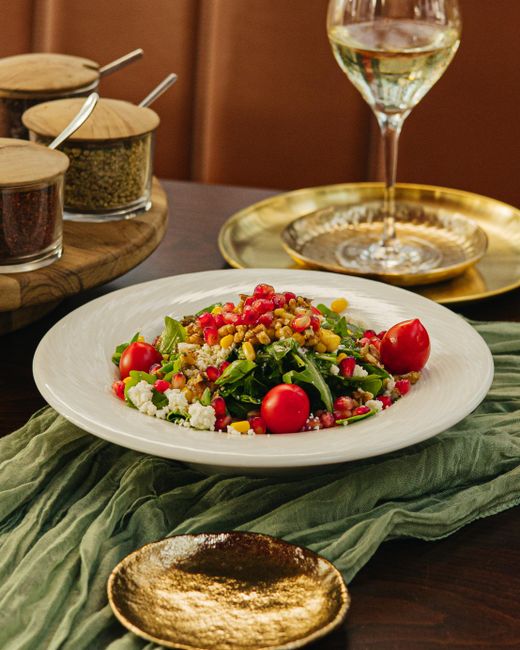
Red wine vinegar's sharp, fruity acidity needs a good three-to-one ratio of oil to balance it, and a spoonful of Dijon mustard does double duty as a flavor booster and an emulsifier, so the dressing stays creamy and doesn't separate the moment it hits the salad.
- Prep
- 5 min
- Cook
- 0 min
- Total
- 5 min
- Servings
- 8
Ingredients
- 3 tbsp red wine vinegar
- 9 tbsp extra-virgin olive oil
- 1 tbsp Dijon mustard
- 1 clove garlic, minced
- 1 tsp honey
- 1/2 tsp kosher salt
- 1/4 tsp black pepper, freshly ground
Nutrition per serving
- Calories
- 140
- Protein
- 0g
- Carbs
- 1g
- Fat
- 15g
Based on the recipe as written, one serving. Recalculates if you swap an ingredient above. An estimate only, exact values depend on the specific ingredients used.
Need different units or a different yield? Try our Conversion Calculator →
Instructions
- 1In a small bowl or jar, whisk together the red wine vinegar, Dijon mustard, minced garlic, honey, salt, and pepper until the mustard and honey are fully dissolved into the vinegar.
- 2While whisking constantly, drizzle in the olive oil in a slow, thin stream until the mixture thickens slightly and turns opaque.
- 3Taste and adjust, adding a touch more honey if the vinegar tastes too sharp, or more salt if the dressing tastes flat.
- 4Use immediately, or transfer to a sealed jar and store in the refrigerator.
- 5Before serving chilled vinaigrette, let it sit at room temperature for 10 minutes and shake or whisk again, since the olive oil solidifies slightly when cold.
Tips & variations
- Swap in a shallot for the garlic for a milder, sweeter bite that won't linger as strongly on the breath.
- For a creamier, thicker vinaigrette, blend everything in a small food processor instead of whisking by hand.
- A tablespoon of finely grated Parmesan turns this into a Caesar-adjacent dressing that works well on romaine or as a steak marinade base.
- If the vinegar is very sharp or young, increase the honey to a full tablespoon to round it out.
Storage & reheating
Store in a sealed jar in the refrigerator for up to 2 weeks. The oil will solidify and cloud when cold, this is normal; let the jar sit at room temperature for 10 minutes and shake vigorously to re-emulsify before using.
Tips from the Tulo kitchen
- Room-temperature garlic and mustard blend into the vinegar more evenly than cold ones straight from the fridge.
- A jar with a tight lid works better than a bowl and whisk for re-emulsifying leftovers, since a hard shake redistributes the oil faster than stirring.
FAQ
What is the best ratio of oil to red wine vinegar for vinaigrette?
A ratio of 3 parts olive oil to 1 part red wine vinegar is standard. Red wine vinegar is sharper than milder vinegars like rice or balsamic, so going much leaner on oil makes the dressing taste harsh.
Why did my vinaigrette separate?
Vinaigrettes separate because oil and vinegar don't naturally mix. Whisking in an emulsifier like Dijon mustard, and adding the oil slowly rather than all at once, keeps it blended much longer; a hard shake in a sealed jar will always bring it back together.
Can I substitute red wine vinegar with another vinegar?
White wine vinegar or sherry vinegar both work as substitutes, though sherry vinegar is slightly sweeter and less sharp, so start with a bit less honey if using it.
How long does homemade red wine vinaigrette last?
Up to 2 weeks refrigerated in a sealed container. Fresh garlic and honey mean it won't keep as long as a shelf-stable store-bought bottle, which typically contains preservatives.