Extra Virgin Olive Oil Bread Dip Recipe
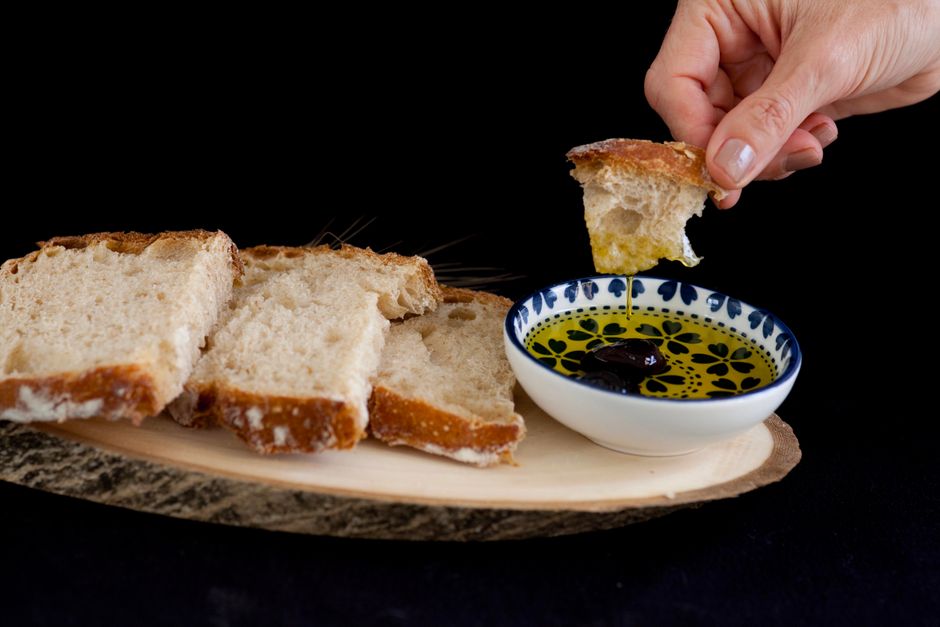
Because the olive oil here is never heated, its flavor is fully exposed, which is exactly where the difference between a mild virgin olive oil and a peppery, fruity extra virgin one actually shows up. Warming the garlic and herbs briefly in a bowl (not a pan) mellows the raw garlic bite without cooking off the oil's aroma.
- Prep
- 10 min
- Cook
- 5 min
- Total
- 15 min
- Servings
- 6
Ingredients
- 1/2 cup extra virgin olive oil
- 3 cloves garlic cloves, minced
- 2 tbsp balsamic vinegar
- 2 tbsp fresh basil, chopped
- 1 tsp dried oregano
- 1/4 tsp red pepper flakes
- 1/4 cup parmesan cheese, finely grated
- 1/2 tsp kosher salt
- 1/4 tsp black pepper, freshly ground
- 1 loaf (about 12 oz) baguette, sliced
Nutrition per serving
- Calories
- 348
- Protein
- 7g
- Carbs
- 33g
- Fat
- 20g
Based on the recipe as written, one serving. Recalculates if you swap an ingredient above. An estimate only, exact values depend on the specific ingredients used.
Need different units or a different yield? Try our Conversion Calculator →
Instructions
- 1Preheat the broiler. Slice the baguette into 1/2-inch rounds and arrange them in a single layer on a baking sheet.
- 2Broil the bread for 1-2 minutes per side, until lightly golden and crisp at the edges. Watch closely since broilers vary and bread can go from golden to burnt in under a minute.
- 3While the bread toasts, mince the garlic finely, or grate it on a microplane for a smoother, almost paste-like texture.
- 4Pour the extra virgin olive oil into a shallow bowl or plate. Whisk in the minced garlic, chopped basil, dried oregano, red pepper flakes, salt, and pepper.
- 5Drizzle the balsamic vinegar over the top in a thin spiral. Do not stir it in; it should sit in visible streaks against the oil.
- 6Sprinkle the grated parmesan evenly over the surface.
- 7Serve immediately alongside the warm toasted bread, swirling the oil with each dip so every piece picks up garlic, herbs, and vinegar.
Tips & variations
- Virgin and extra virgin olive oil are both cold-pressed with no chemical processing, but extra virgin has a lower free acidity (0.8% or less) and must pass a taste panel for defects; virgin olive oil has a higher acidity ceiling (up to 2%) and a milder, sometimes flatter flavor. For a raw dip like this, extra virgin is worth the extra cost since its flavor is the whole point.
- Save the plain virgin (or a refined 'light' or 'pure') olive oil for actual cooking, roasting, or high-heat searing, where its more neutral flavor and lack of raw-oil peppery bite won't be noticed anyway.
- Swap the dried oregano for 1 tablespoon of fresh, finely chopped oregano if available; fresh herbs taste greener and less dusty in a raw application like this.
- For a sweeter version, use a thick, aged balsamic vinegar or a balsamic reduction instead of standard balsamic vinegar.
- Stir in a teaspoon of lemon zest or a few chopped sun-dried tomatoes for extra brightness.
Storage & reheating
This dip is meant to be eaten fresh; raw garlic and basil oxidize and turn bitter within a few hours, so make it just before serving. Leftover oil can be strained of solids and refrigerated for up to 3 days, but the olive oil will solidify and cloud in the fridge; let it come back to room temperature before serving again.
Tips from the Tulo kitchen
- Look for a harvest date, not just a 'best by' date, on the bottle; olive oil is a fresh product and starts losing its fruity aroma within a year or two of pressing, regardless of the sell-by date.
- Mincing the garlic finer than you think you need, almost to a paste, keeps its bite from overpowering the oil once it sits for a few minutes.
FAQ
What's the actual difference between virgin and extra virgin olive oil?
Both are mechanically pressed without chemical solvents, but extra virgin must have free acidity of 0.8% or lower and pass a sensory panel with no detectable defects, while virgin olive oil allows acidity up to 2% and a less strict flavor standard, which usually makes it milder and less complex.
Can you cook with extra virgin olive oil, or does heat ruin it?
You can cook with it; its smoke point (around 375-405°F depending on quality) is high enough for most sauteing and roasting. Heat does mute its more delicate fruity and peppery notes, though, which is why many cooks save their best extra virgin oil for raw uses like this dip and use a cheaper virgin or refined oil for high-heat cooking.
How can you tell if olive oil is fresh or good quality?
Fresh extra virgin olive oil should taste slightly bitter and peppery, often causing a light cough or throat catch, and smell grassy or fruity rather than flat or crayon-like. A stale or rancid oil smells like old nuts or crayons and tastes greasy without any bite.
Why did the balsamic vinegar sink instead of mixing into the oil?
Vinegar is water-based and denser than oil, so it naturally settles rather than blending; that's expected here and is part of why it's drizzled on top rather than whisked in.