Swiss Chard and White Bean Skillet Recipe
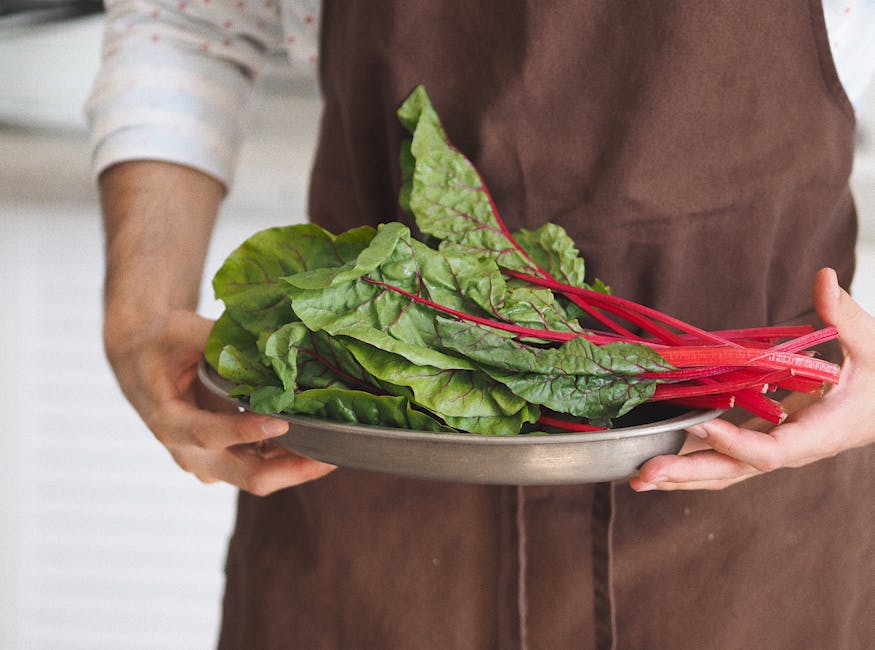
Cooking the chard stems separately from the leaves first means the tougher, fibrous part actually softens instead of staying crunchy while the delicate leaves overcook, and a hit of lemon juice at the end cuts the slight earthy bitterness that raw chard can have.
- Prep
- 10 min
- Cook
- 15 min
- Total
- 25 min
- Servings
- 4
Ingredients
- 1 large bunch Swiss chard, stems and leaves separated and chopped
- 3 tbsp olive oil
- 4 cloves garlic, thinly sliced
- 1/4 tsp red pepper flakes
- 15 oz can cannellini beans, drained and rinsed
- 1 whole lemon, zested and juiced
- 1/4 cup parmesan, finely grated
- 3/4 tsp kosher salt
- 1/4 tsp black pepper
Nutrition per serving
- Calories
- 1257
- Protein
- 73g
- Carbs
- 210g
- Fat
- 15g
Based on the recipe as written, one serving. Recalculates if you swap an ingredient above. An estimate only, exact values depend on the specific ingredients used.
Need different units or a different yield? Try our Conversion Calculator →
Instructions
- 1Wash the chard well, since the crinkled leaves trap grit. Cut the stems away from the leaves, then chop the stems into 1/4-inch pieces and roughly chop the leaves; keep them in separate piles.
- 2Heat the olive oil in a large skillet over medium heat. Add the chopped stems and cook, stirring occasionally, for 4-5 minutes, until they soften and start to turn translucent at the edges.
- 3Add the sliced garlic and red pepper flakes and cook for 30 seconds, stirring constantly, until fragrant but not browned.
- 4Add the chopped chard leaves in two batches, letting the first batch wilt down for about a minute before adding the second, since they won't all fit in the pan at once.
- 5Stir in the cannellini beans and cook for 2-3 minutes, until the beans are warmed through and the leaves are fully wilted and tender.
- 6Remove from heat and stir in the lemon juice and half the lemon zest. Season with salt and pepper.
- 7Transfer to a serving dish, top with grated parmesan and the remaining lemon zest, and serve warm.
Tips & variations
- Rainbow chard works exactly the same as green Swiss chard here; the colorful stems just take a minute or two longer to soften than plain white ribs.
- For a heartier, non-vegetarian version, render a few ounces of chopped pancetta or Italian sausage in the pan before adding the stems, then cook the vegetables in the rendered fat.
- Stir in a spoonful of toasted pine nuts or golden raisins at the end for a Sicilian-style sweet-savory twist.
- No cannellini beans on hand? Great Northern or chickpeas both work as a 1:1 swap.
- Spoon the finished mixture over soft polenta or garlicky toast to turn it into a full meal.
Storage & reheating
Store cooled leftovers in an airtight container in the refrigerator for up to 4 days. Reheat in a skillet over medium-low heat with a splash of water or broth to loosen it back up; microwaving works too but can make the beans slightly mushy.
Tips from the Tulo kitchen
- If the chard leaves seem tightly packed in the pan, use tongs to fold them from the bottom up rather than stirring flat, which wilts them more evenly.
- A vegetable peeler run down the wide stems before chopping removes any stringy outer fibers, similar to peeling celery.
FAQ
Do I need to remove the chard stems?
No, but they need to cook longer than the leaves. Chop them separately and give them a few extra minutes in the pan before adding the leaves, or the dish will have crunchy, undercooked ribs mixed in with tender leaves.
Is Swiss chard bitter?
Raw chard has a mild mineral bitterness similar to beet greens, which fades significantly once it's wilted and is further balanced here by the lemon juice and salty parmesan.
Can I substitute spinach or kale for the chard?
Spinach works but cooks down much faster, so add it only in the last 1-2 minutes. Kale is sturdier than chard and needs an extra few minutes of cooking to become tender.
Can this dish be made ahead?
It's best fresh since the chard loses some texture on reheating, but it will still taste good made up to a day ahead and gently reheated in a skillet.
Can I freeze Swiss chard and white beans?
Freezing is not recommended; the wilted leaves and beans both turn watery and mushy once thawed.