
Cannellini Beans
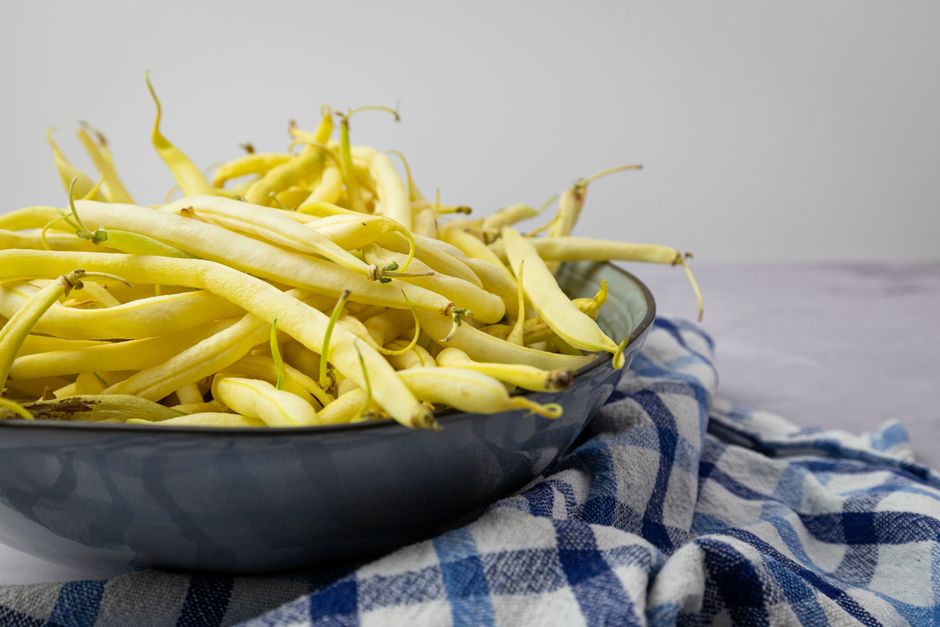
Cannellini beans are a large, kidney-shaped white bean common in Italian cooking, related to the same species as pinto and kidney beans (Phaseolus vulgaris) but bred for their pale color and mild, slightly nutty flavor. They hold their shape when cooked but turn creamy on the inside, which makes them useful in both soups and mashes.
Varieties
Cannellini beans are sometimes labeled "white kidney beans" in the United States, the same bean under a different name. They differ from smaller white beans like navy or Great Northern beans mainly in size and starch content, not species.
Buying tips
Dried beans should look uniform in size and color with no shriveling or visible cracks; older dried beans take noticeably longer to soften. For canned, choose low-sodium versions when possible and rinse before use to remove excess starch and salt from the liquid.
Substitutes
Great Northern beans — 1:1
Smaller and slightly firmer, but the closest flavor and color match; work well in soups and salads.
Navy beans — 1:1
Smaller and creamier when cooked; good in mashes and dips where texture matters less than in a bean salad.
Butter beans (lima beans) — 1:1
Larger and starchier with a more distinct flavor; best in braises and stews rather than delicate salads.
Chickpeas — 1:1
Firmer texture and nuttier flavor that won't break down the same way; a reasonable stand-in in salads and grain bowls but not in a pureed white bean dip.
Storage
Dried cannellini beans keep in a sealed container in a cool, dry pantry for up to a year. Cooked or canned beans, once opened, keep in the refrigerator in their liquid for 3 to 4 days, or drained and frozen for up to 6 months.
How to use
Simmer into minestrone or pasta e fagioli, mash with olive oil and garlic for a bean dip or spread, toss cold into salads with tuna, tomato, and red onion, or blend into a smooth soup base. Cannellini beans also work as a lower-starch alternative to potatoes when mashed alongside roasted garlic.
What it pairs with
Pairs well with rosemary, sage, garlic, olive oil, and Parmesan, and with acidic ingredients like lemon or tomato that cut through their creaminess. Works alongside pork, Italian sausage, and leafy greens like kale or escarole.
Nutrition
A half-cup serving provides roughly 8 grams of protein and 6 grams of fiber, with very little fat, making them a common plant-protein base in Italian cooking.
FAQ
Do dried cannellini beans need to be soaked before cooking?
Soaking overnight in water isn't strictly required but cuts simmering time roughly in half and produces more evenly cooked beans; unsoaked dried beans typically need 60 to 90 minutes of simmering versus 30 to 45 minutes soaked.
Are cannellini beans and white kidney beans the same thing?
Yes, they're the same bean; "cannellini" is the Italian name and "white kidney bean" is the common English label used on many U.S. cans.
Can canned cannellini beans replace dried in a recipe?
Yes, one 15-ounce can (drained) is roughly equivalent to 1.5 cups of cooked dried beans, which come from about half a cup of dried beans before cooking.
Why do my cannellini beans fall apart in soup?
Overcooking or adding acidic ingredients like tomatoes too early can break down the skins; add tomatoes or wine after the beans are nearly tender to help them hold their shape.
Have cannellini beans on hand? Find recipes with our Recipe Generator →