Parmesan Rind
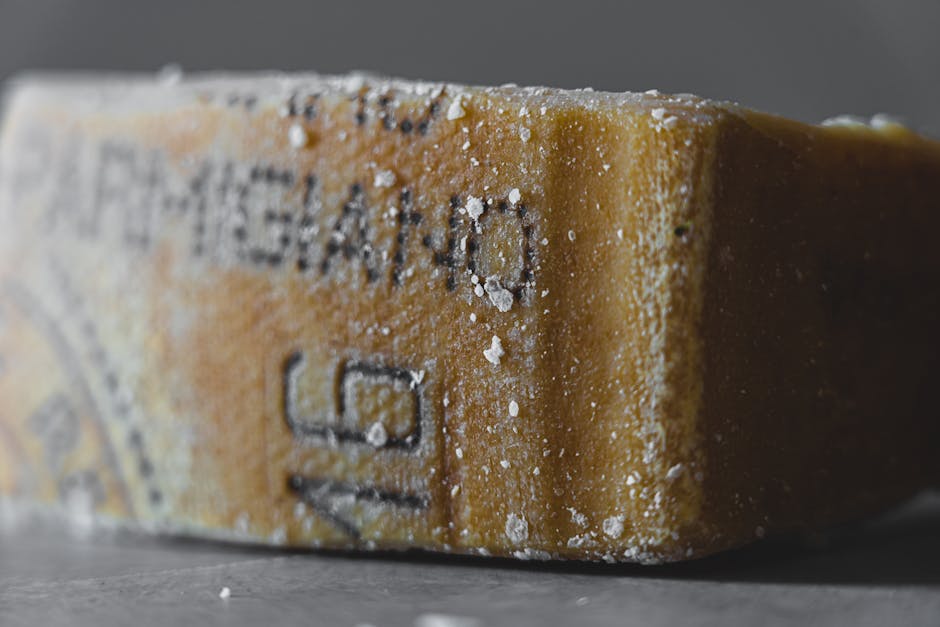
Parmesan rind is the hard, dry outer edge of a wheel of Parmigiano-Reggiano or domestic parmesan, the part left over once the interior paste has been grated away for eating. It's too dense and waxy to grate or eat straight, but it's packed with concentrated salt and glutamates, so simmering it in liquid slowly releases umami and body without adding much fat. Cooks save rinds specifically to drop into soups, stocks, and sauces rather than throw them out.
Varieties
Genuine Parmigiano-Reggiano rind carries the stenciled dot pattern of the name across its surface; Grana Padano and Pecorino Romano rinds behave similarly when simmered, though Pecorino, made from sheep's milk, is saltier and sharper.
Buying tips
Save the rind from any wedge purchased for grating rather than buying rinds separately. Some specialty cheese counters and delis sell bags of trimmed rinds cheaply since they'd otherwise discard them. For genuine Parmigiano-Reggiano, look for the dotted stencil pattern stamped into the rind confirming it's the real DOP product rather than a domestic imitation.
Substitutes
Grana Padano rind — 1:1
A close cousin to Parmigiano-Reggiano with a slightly milder, less fruity flavor; works the same way simmered whole in liquid.
Pecorino Romano rind — 1:1
Made from sheep's milk and noticeably saltier and sharper, so use it in dishes that can handle extra salt, or cut back on added salt elsewhere.
Dried shiitake mushroom (2-3 pieces) — not a direct swap
Adds a different but comparably deep umami note to broths and soups; rehydrate and simmer, then remove or slice into the dish.
Kombu strip — not a direct swap
A 3-4 inch strip simmered in broth adds savory depth without dairy, useful for vegan versions of the same soups that call for parmesan rind.
Storage
Keep rind scraps in a zip-top bag or airtight container in the refrigerator for several weeks, or freeze them indefinitely. Frozen rinds go straight into a simmering pot with no need to thaw first.
How to use
Simmer a rind whole in minestrone, bean soups, tomato sauce, or risotto for 20 to 40 minutes to let the salt and umami dissolve into the liquid, then fish it out before serving since it stays chewy and waxy rather than melting down. Softened bits can also be diced and eaten if the rind was thin enough. A rind can also be roasted at 400°F for 8 to 10 minutes until it melts and crisps into a savory, brittle snack.
What it pairs with
Works best in tomato-based soups, bean and lentil stews, risotto, vegetable broths, and braised greens like kale, escarole, or collards, where its saltiness and savory depth can spread through a large volume of liquid.
Nutrition
Because the rind is simmered and removed rather than eaten in quantity, it contributes far less protein and fat to a dish than an equivalent weight of grated parmesan, mostly just sodium and dissolved glutamates for flavor.
FAQ
Can you actually eat parmesan rind?
Not raw, it's too hard and waxy, but after 20 minutes or more of simmering the softened parts turn chewy and edible, and some cooks dice and eat those bits rather than discarding the whole rind.
How long can I save rinds before using them?
Frozen rinds keep indefinitely with no real flavor loss, so it's common to collect several from different wedges over months before using them.
Does parmesan rind actually change the flavor of a soup?
Yes, it releases glutamates and salt as it simmers, giving broths and sauces a fuller, savory background flavor similar to what a splash of soy sauce or fish sauce would add.
Should I leave the rind in the pot when serving?
No, remove it before serving. It never fully breaks down and stays tough and waxy even after a long simmer.
Have parmesan rind on hand? Find recipes with our Recipe Generator →