Dirty Spaghetti Recipe
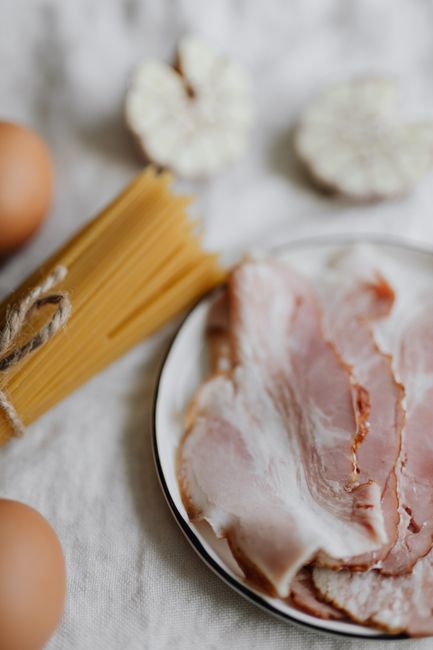
Browning the garlic in bacon fat until it's deep golden and slightly speckled (the 'dirty' part) builds a nutty, almost toasted flavor that plain aglio e olio doesn't have, and mashed anchovies dissolve into the oil to add savory depth without tasting fishy.
- Prep
- 15 min
- Cook
- 25 min
- Total
- 40 min
- Servings
- 4
Ingredients
- 1 lb spaghetti
- 1/2 cup olive oil
- 12 cloves garlic, minced
- 6 oz bacon, chopped
- 6 fillets anchovy fillets
- 1 tsp red chili flakes
- 1 cup parmesan cheese, grated
- 1/4 cup fresh parsley, chopped
- 1 tsp kosher salt
- 1/2 tsp black pepper
Nutrition per serving
- Calories
- 1001
- Protein
- 41g
- Carbs
- 90g
- Fat
- 53g
Based on the recipe as written, one serving. Recalculates if you swap an ingredient above. An estimate only, exact values depend on the specific ingredients used.
Need different units or a different yield? Try our Conversion Calculator →
Instructions
- 1Bring a large pot of well-salted water to a boil. Cook the spaghetti until al dente according to package directions, then reserve 1.5 cups of the pasta water before draining.
- 2While the pasta cooks, cook the chopped bacon in a large skillet over medium heat, stirring occasionally, until crisp and the fat has rendered, 6 to 8 minutes. Remove the bacon with a slotted spoon and set aside, leaving the fat in the pan.
- 3Add the olive oil to the bacon fat in the skillet. Add the minced garlic and cook over medium-low heat, stirring constantly, until it turns deep golden brown and fragrant, 4 to 6 minutes. This browning is what gives dirty spaghetti its name and dark, speckled look.
- 4Add the anchovy fillets to the skillet and mash them into the oil with the back of a spoon until they dissolve, about 1 minute.
- 5Stir in the chili flakes and cook for 30 seconds, just until fragrant.
- 6Add the drained spaghetti to the skillet along with 1/2 cup of the reserved pasta water. Toss vigorously over medium heat until the sauce clings to the noodles, adding more pasta water a splash at a time if it looks dry.
- 7Remove the skillet from heat and stir in the crispy bacon, parmesan, and parsley. Season with salt and black pepper to taste.
- 8Serve immediately, topped with extra parmesan and a pinch more chili flakes if you like it spicy.
Tips & variations
- For the traditional squid-ink version of dirty pasta, stir 1 to 2 packets of squid ink into the sauce along with the anchovies for a fully black dish with a briny edge.
- Swap the bacon for diced pancetta or Spanish chorizo for a different but equally 'dirty' flavor base.
- No anchovies on hand? Use 1 tablespoon of anchovy paste instead, or leave them out and add an extra pinch of salt.
- Toast a handful of panko in the empty skillet after cooking and sprinkle it over the finished plate for crunch.
Storage & reheating
Refrigerate leftovers in an airtight container for up to 3 days. Reheat in a skillet over medium-low heat with a splash of water or olive oil, tossing until warmed through; microwaving tends to dry out the garlic oil.
Tips from the Tulo kitchen
- Mince the garlic by hand rather than using a press; a press releases more juice and moisture, which makes it harder to get an even, deep brown color.
- Salt the pasta water more than feels natural, it's the main seasoning for the noodles themselves since the sauce is mostly oil and garlic.
FAQ
Why is it called dirty spaghetti?
The name comes from the deeply browned garlic bits and dark flecks of bacon and pepper that speckle the noodles, giving the dish a rustic, slightly dark or 'dirty' appearance compared to a plain aglio e olio.
Can I make dirty spaghetti vegetarian?
Yes. Skip the bacon and anchovies, sauté the garlic in olive oil with a pinch of extra salt to make up for the lost savoriness, and finish with parmesan and a drizzle of good olive oil.
What's the difference between dirty spaghetti and spaghetti aglio e olio?
Aglio e olio uses lightly golden garlic and stays fairly light in color, while dirty spaghetti browns the garlic further and typically adds bacon or another cured pork for a heavier, darker-flecked dish.
Can I use squid ink to make it authentically black?
Yes, stirring squid ink into the sauce is the traditional way to make a fully black version of this dish; it's sold in small packets at most well-stocked grocery or specialty stores.