
Low-Potassium Vegetable Soup Recipe
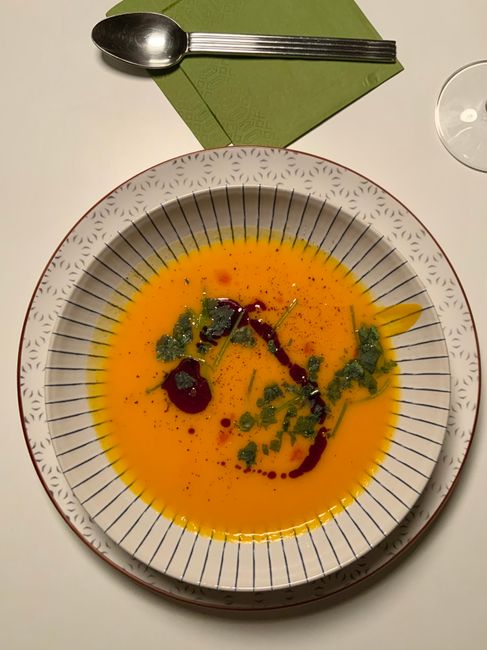
This soup leans on vegetables that are naturally low in potassium (cabbage, cauliflower, green beans, celery) and puts carrots through a leaching soak first, since raw carrots carry more potassium than this diet style allows. Skipping potatoes, tomatoes, winter squash, and beans, the vegetables most often flagged on a low-potassium or renal diet, keeps the whole pot in a safer range without leaving it bland, because onion, garlic, and thyme still carry real flavor.
- Prep
- 90 min
- Cook
- 40 min
- Total
- 130 min
- Servings
- 6
Ingredients
- 4 cups green cabbage, chopped
- 2 cups carrots, peeled and thinly sliced (for leaching)
- 3 cups cauliflower florets
- 1 1/2 cups green beans, trimmed and cut into 1-inch pieces
- 1 cup celery, diced
- 1 cup yellow onion, diced
- 3 cloves garlic, minced
- 2 tablespoons olive oil
- 6 cups low-sodium chicken broth
- 1 teaspoon dried thyme
- 1/2 teaspoon black pepper
- 1/2 cup white rice, uncooked
Nutrition per serving
- Calories
- 181
- Protein
- 6g
- Carbs
- 29g
- Fat
- 5g
Based on the recipe as written, one serving. Recalculates if you swap an ingredient above. An estimate only, exact values depend on the specific ingredients used.
Need different units or a different yield? Try our Conversion Calculator →
Instructions
- 1Peel and thinly slice the carrots, then place them in a large bowl of cold water. Let them soak for at least 1 hour (or up to overnight in the fridge), changing the water once partway through. This leaching step pulls a meaningful amount of potassium out of the carrots before they hit the pot.
- 2Drain the leached carrots and rinse them well under cold running water.
- 3Heat the olive oil in a large pot over medium heat. Add the onion and celery, and cook for 5 minutes, stirring occasionally, until softened.
- 4Add the garlic and cook for 30 seconds, just until fragrant.
- 5Add the cabbage, cauliflower, green beans, and drained carrots. Stir to coat everything in the oil.
- 6Pour in the low-sodium chicken broth and add the thyme and pepper. Bring to a boil over high heat.
- 7Reduce the heat to a simmer, stir in the rice, cover, and cook for 25-30 minutes, until the vegetables are tender and the rice is fully cooked.
- 8Taste and adjust the seasoning with more pepper or herbs as needed, but skip salt substitutes labeled as potassium chloride, since those add back exactly what this soup is built to avoid.
- 9Ladle into bowls and serve hot.
Tips & variations
- Common high-potassium foods worth leaving out of a soup like this include potatoes and sweet potatoes, tomatoes and tomato sauce, winter squash, beans and lentils, and leafy greens like spinach or Swiss chard.
- Swap the rice for pasta if a lower-potassium starch is easier to source, both cook up close to potassium-neutral compared to potatoes.
- If leaching a full hour isn't practical, even a 30-minute soak with one water change reduces potassium somewhat, just expect a smaller effect than the full soak.
- Fresh herbs like parsley or a squeeze of lemon at the end can replace some of the flavor punch that's normally carried by tomatoes in a vegetable soup.
Storage & reheating
Cool the soup completely, then refrigerate in an airtight container for up to 4 days. The rice will continue to absorb broth as it sits, so add a splash of extra low-sodium broth or water when reheating on the stovetop over medium-low heat. Freeze without the rice for up to 3 months, then stir in freshly cooked rice after thawing and reheating, since frozen and reheated rice turns gummy.
Tips from the Tulo kitchen
- Cutting the carrots thin before soaking gives them more surface area, which speeds up how much potassium the water can pull out during the leaching soak.
- Low-sodium broth matters here almost as much as the potassium choices; a regular full-sodium broth undercuts the point of building a kidney-friendly pot of soup.
FAQ
What are the highest potassium foods to avoid on a low-potassium diet?
The foods most often flagged are bananas, oranges and orange juice, potatoes and sweet potatoes, tomatoes and tomato-based sauces, avocados, spinach and other dark leafy greens, dried fruit, beans and lentils, and dairy in large amounts. Salt substitutes made with potassium chloride are another common hidden source.
Does soaking or leaching vegetables actually lower their potassium?
Yes, for vegetables like potatoes and carrots, peeling, slicing thin, and soaking in water (with at least one water change) draws out a portion of the potassium before cooking. It reduces potassium meaningfully but doesn't eliminate it entirely, so portion size still matters.
Is this soup safe for someone on dialysis?
This recipe is built with lower-potassium ingredients and no added salt substitutes, but potassium needs vary by individual, lab results, and treatment schedule. Anyone on dialysis or with kidney disease should confirm portion sizes and ingredient swaps with their renal dietitian before adding a new recipe into rotation.
Can I add beans or potatoes to bulk this soup up?
Both are high in potassium even after cooking, so they work against the point of this recipe. Cauliflower or extra cabbage add bulk and body without the same potassium load.

