Gluten-Free Cheese Sauce Recipe

Cornstarch thickens the milk before the cheese goes in, so there's no need for a wheat-flour roux at all, and natural cheddar is already gluten-free on its own. Adding the cheese gradually over low heat, rather than dumping it all in at once, keeps the sauce smooth instead of grainy or split.
- Prep
- 5 min
- Cook
- 10 min
- Total
- 15 min
- Servings
- 6
Ingredients
- 2 tablespoons unsalted butter
- 2 tablespoons cornstarch
- 1 1/2 cups whole milk
- 8 oz sharp cheddar cheese, shredded
- 1/2 teaspoon dry mustard powder
- 1/4 teaspoon cayenne pepper
- 1/4 teaspoon salt
Nutrition per serving
- Calories
- 233
- Protein
- 11g
- Carbs
- 6g
- Fat
- 18g
Based on the recipe as written, one serving. Recalculates if you swap an ingredient above. An estimate only, exact values depend on the specific ingredients used.
Need different units or a different yield? Try our Conversion Calculator →
Instructions
- 1In a small bowl, whisk the cornstarch with 2 tablespoons of the milk until completely smooth; set the slurry aside.
- 2In a medium saucepan over medium heat, combine the remaining milk and the butter. Heat, stirring occasionally, until the butter melts and the milk is warm but not boiling.
- 3Whisk the cornstarch slurry into the warm milk. Cook, whisking constantly, for 2 to 3 minutes, until the mixture thickens enough to coat the back of a spoon.
- 4Reduce the heat to low. Add the shredded cheddar a handful at a time, whisking after each addition until fully melted before adding more.
- 5Once all the cheese is melted and the sauce is smooth, whisk in the mustard powder, cayenne, and salt.
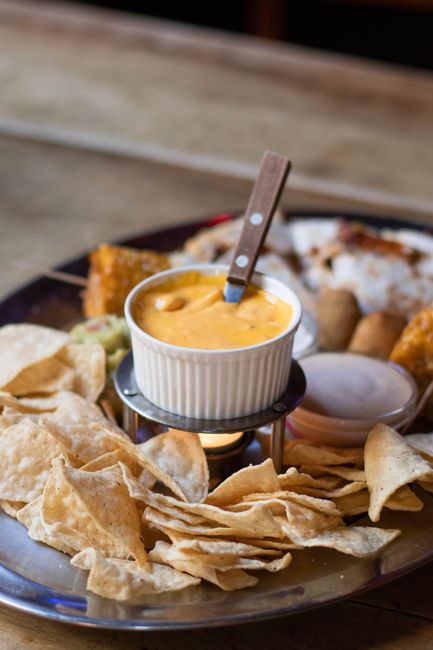
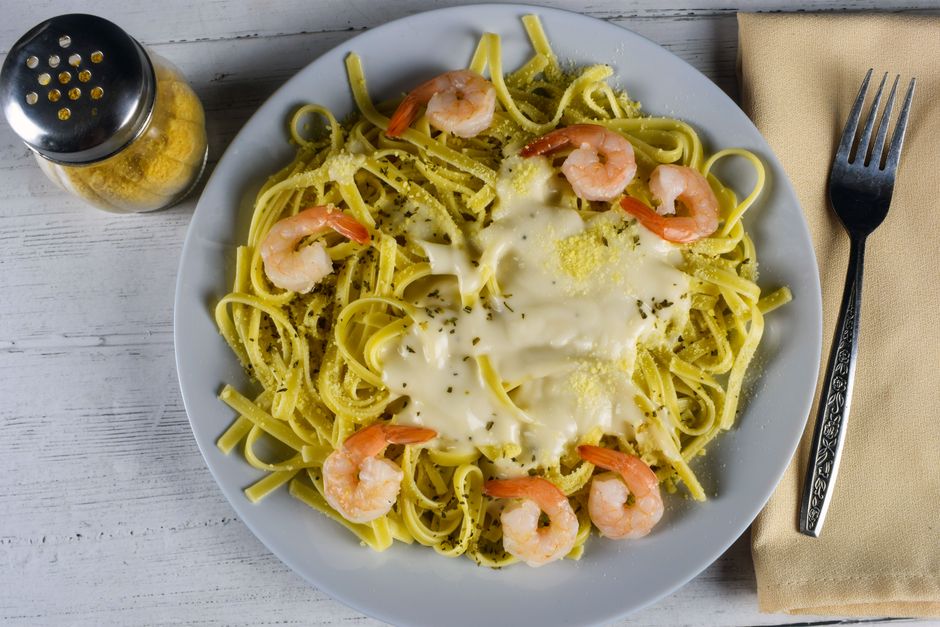
- 6Remove from the heat and serve immediately with tortilla chips, fries, steamed vegetables, or tossed with cooked pasta.
Tips & variations
- Shred the cheese from a block rather than buying pre-shredded bags; block cheese melts smoother and skips the anti-caking starches some bagged shreds are coated in.
- Stir in a can of drained diced green chiles after the cheese melts for a queso-style dip.
- Swap half the cheddar for smoked gouda or pepper jack for a different flavor without changing the method.
- If the sauce ever looks broken or grainy, whisk in a splash of warm milk off the heat to bring it back together.
Storage & reheating
Refrigerate in an airtight container for up to 4 days. Reheat gently over low heat on the stovetop, whisking in a splash of milk to loosen it; microwaving on high can cause the sauce to separate, so use short bursts at 50% power if that's the only option.
Tips from the Tulo kitchen
- Freshly grated cheese from a block melts noticeably smoother than pre-shredded cheese, which often has starch or cellulose coating the strands to keep them from clumping in the bag.
- Keep the heat on low once the cheese goes in; a hard simmer at this stage is the most common reason cheese sauce turns oily or stringy.
FAQ
Is cheese naturally gluten-free?
Yes. Plain natural cheeses like cheddar, mozzarella, Swiss, and Parmesan are made from milk, salt, cultures, and rennet, none of which contain gluten, so they're gluten-free as sold in block or wheel form.
Can pre-shredded or pre-sliced cheese contain gluten?
Usually not, but pre-shredded bags are often dusted with an anti-caking agent, most commonly potato starch or cornstarch rather than wheat, so it's rarely an issue. Check the label if you're strictly avoiding gluten, since formulations vary by brand.
Is blue cheese gluten-free?
The mold used to make blue cheese, Penicillium roqueforti, is sometimes grown on breadcrumbs during production, but the finished cheese itself contains no measurable gluten and is considered safe by most celiac organizations. People with severe sensitivity sometimes still choose to verify with the specific brand.
Is cheese sauce always gluten-free?
No. Many cheese sauces, including boxed mac and cheese powders and restaurant queso, are thickened with a wheat-flour roux. This recipe uses cornstarch instead specifically to avoid that, so check the thickener before assuming any cheese sauce is safe.
Are flavored or processed cheese products gluten-free?
Not always. Cheese spreads, cheese powders, and some flavored cheeses can include malt vinegar, beer, or wheat-based fillers as flavoring or bulking agents, so those need a label check even though plain natural cheese does not.