
How to Thicken Sauce
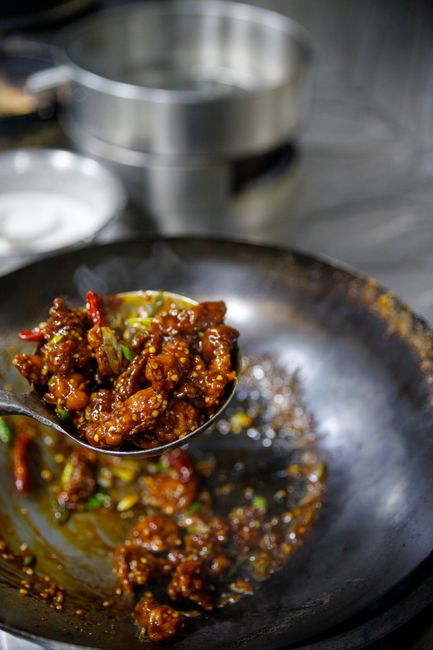
Sauce thickens through one of four basic mechanisms: evaporating water out through reduction, adding starch that swells when heated, adding fat and flour cooked together, or emulsifying fat into liquid. Picking the wrong method for the situation is why sauces end up thin, lumpy, or gluey instead of smooth.
Steps
- 1Identify how much time is left before serving: reduction needs 10-20 minutes of simmering, while a slurry or beurre manié thickens in under 2 minutes.
- 2For a cornstarch slurry, whisk 1 tablespoon cornstarch with 1 tablespoon cold water per cup of sauce until smooth, then whisk it into the simmering (not boiling) sauce.
- 3For a flour slurry, use 2 tablespoons flour whisked with 2 tablespoons cold water per cup of sauce, since flour thickens less powerfully than cornstarch.
- 4For beurre manié, mash 1 tablespoon softened butter with 1 tablespoon flour into a paste, then whisk small pieces into the simmering sauce one at a time.
- 5For a roux-based sauce, cook equal parts butter and flour by weight over medium heat for 2-3 minutes until it smells toasted and no longer raw, then whisk in liquid gradually.
- 6Simmer any starch-thickened sauce for at least 1-2 minutes after adding the thickener so the raw starch flavor cooks off and the sauce reaches full thickness.
- 7For reduction, simmer the sauce uncovered over medium heat, stirring occasionally, until the volume drops by a third to a half and it coats the back of a spoon.
- 8If the sauce is still thin after these steps, add another small batch of slurry rather than a large one, since starch thickening happens fast and overshoots easily.
Common mistakes
- Adding cornstarch or flour directly to hot liquid without mixing it into cold water first: it clumps instantly and never fully smooths out.
- Boiling a cornstarch-thickened sauce hard for too long: prolonged boiling breaks down the starch and thins the sauce back out.
- Skipping the raw-flour cook time in a roux: an undercooked roux leaves a pasty, floury taste no matter how thick the sauce gets.
- Trying to reduce a sauce that's already seasoned to taste: reduction concentrates salt along with everything else, so season after reducing, not before.
- Using a slurry in a sauce that will be reheated repeatedly: starch-thickened sauces break down with repeated reheating and need a fresh addition of slurry each time.
Equipment
- Whisk
- Small bowl for mixing slurry
- Saucepan or skillet
- Wooden spoon
FAQ
What's the difference between a slurry and a roux?
A slurry is raw starch mixed with cold liquid and added at the end of cooking; a roux is flour cooked in fat first, then liquid added to it, which gives a deeper flavor and holds up better to reheating.
Can I thicken a sauce without flour or cornstarch?
Yes, purée a portion of the sauce's own solids (like cooked vegetables or beans) and stir it back in, or simmer the sauce down through reduction to thicken it with no added starch.
Why is my sauce thin even after adding cornstarch?
The sauce likely never reached a simmer after the slurry went in. Cornstarch needs heat close to 200°F (93°C) to fully activate and thicken; below that it stays diluted.
How do I thicken a broken or split sauce?
Remove it from heat, whisk in one tablespoon of cold water or cream off-heat to bring the temperature down, then rewarm gently while whisking to re-form the emulsion.
Is cornstarch or flour better for thickening?
Cornstarch thickens more per tablespoon and produces a glossier, more translucent sauce, which suits fruit sauces and glazes; flour gives a matte, opaque finish better suited to gravies and creamy sauces.
Need exact temperatures or timing? Check our Time & Temperature Guide →