
Irish Whiskey
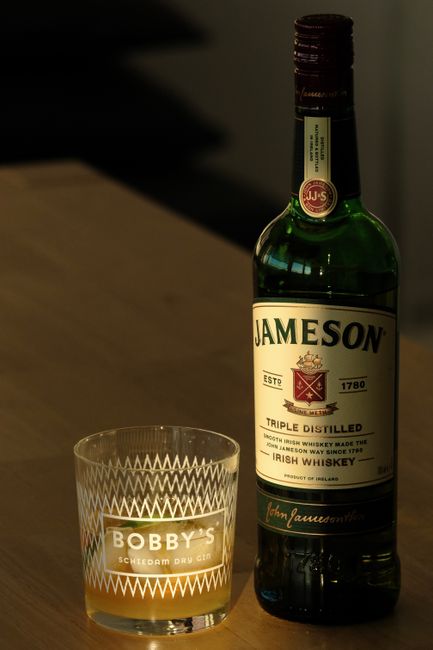
Irish whiskey is whiskey distilled in Ireland from a mash that typically includes both malted and unmalted barley, then aged in wooden casks for at least three years. Most brands are triple distilled, which strips out heavier oils and produces a lighter, smoother spirit than single-distilled Scotch. It's rarely smoked over peat, so the flavor leans toward honey, vanilla, light caramel, and a soft grainy sweetness rather than the smoky or briny notes common in Scotch.
Varieties
Blended Irish whiskey mixes pot still, malt, and grain whiskeys and is the standard cooking choice. Single malt is made entirely from malted barley at one distillery, with a fuller flavor. Single pot still, a style largely unique to Ireland, uses a mix of malted and unmalted barley for a spicier, oilier texture. Single grain is made mostly from corn or wheat and tends to be lighter and sweeter.
Buying tips
Check the label reads "Irish Whiskey"; by law it must be distilled and aged at least three years in Ireland. Blended Irish whiskey (a mix of pot still, malt, and grain whiskeys) is the most common style and the most affordable for cooking, while single malt and single pot still bottlings cost more and are better saved for drinking straight.
Substitutes
Bourbon — 1:1
Sweeter and heavier on vanilla and caramel from the charred new oak barrels; works well in baking and glazes where sweetness is welcome.
Blended Scotch whisky — 1:1
Use only if a hint of smoke is acceptable in the dish; single malt Scotch can bring noticeable peat flavor that Irish whiskey doesn't have.
Rye whiskey — 1:1
Spicier and less sweet, with a peppery edge; good in savory sauces and marinades but changes the flavor profile of desserts.
Whiskey flavor extract — 1/4 teaspoon per 2 tablespoons whiskey called for
Non-alcoholic option for baking; delivers flavor without the liquid volume or alcohol, so add a little extra milk or water to match moisture.
Apple cider with a few drops of vanilla extract — 1:1 for the liquid volume
Rough non-alcoholic stand-in for glazes and sauces; adds sweetness and moisture but no real whiskey character.
Storage
An unopened bottle keeps almost indefinitely at room temperature away from direct sunlight, since whiskey doesn't age further once bottled. Once opened, reseal tightly and store upright or on its side in a cool, dark spot; flavor stays essentially stable for a couple of years, though very slow oxidation can dull aromatics in a bottle that's mostly empty and sitting for a long time.
How to use
Used in Irish coffee, whiskey cream sauces for steak or salmon, glazes for ham and bacon, marinades, whiskey cake and bread pudding, and classic cocktails like the whiskey sour or hot toddy. In cooked sauces and glazes, simmer it for a minute or two to soften the raw alcohol bite before adding cream or sugar.
What it pairs with
Pairs naturally with coffee, brown sugar, butter, cream, dark chocolate, and dried fruit like raisins or figs. In savory cooking it works well with pork, bacon, glazed carrots, and mustard-based sauces.
Nutrition
A 1.5 ounce shot has around 100 calories, all from alcohol, with no fat, carbohydrate, or sugar unless it's a flavored variety. Cooking with it in sauces or baked goods burns off some but not all of the alcohol, depending on cook time and temperature.
FAQ
Can I substitute Scotch for Irish whiskey in a recipe?
Yes in equal amounts, but blended Scotch works better than single malt since single malt Scotch often carries smoky peat flavor that Irish whiskey lacks.
Is Irish whiskey the same as bourbon?
No. Bourbon is American, made from a mash that's at least 51% corn and aged in new charred oak barrels, giving it a sweeter, heavier profile than the lighter, barley-based Irish whiskey.
Does cooking with Irish whiskey remove all the alcohol?
No. Flambéing or a quick simmer removes only a portion of the alcohol; dishes baked or simmered for 20 minutes or longer retain noticeably less, but there's no cooking method that removes it completely.
What's a good non-alcoholic substitute for Irish whiskey in a cake?
Combine strong brewed coffee or apple cider with a few drops of vanilla extract; it won't replicate the flavor exactly but adds moisture and a similar warm, sweet backdrop.
Have irish whiskey on hand? Find recipes with our Recipe Generator →