
Anaheim Peppers
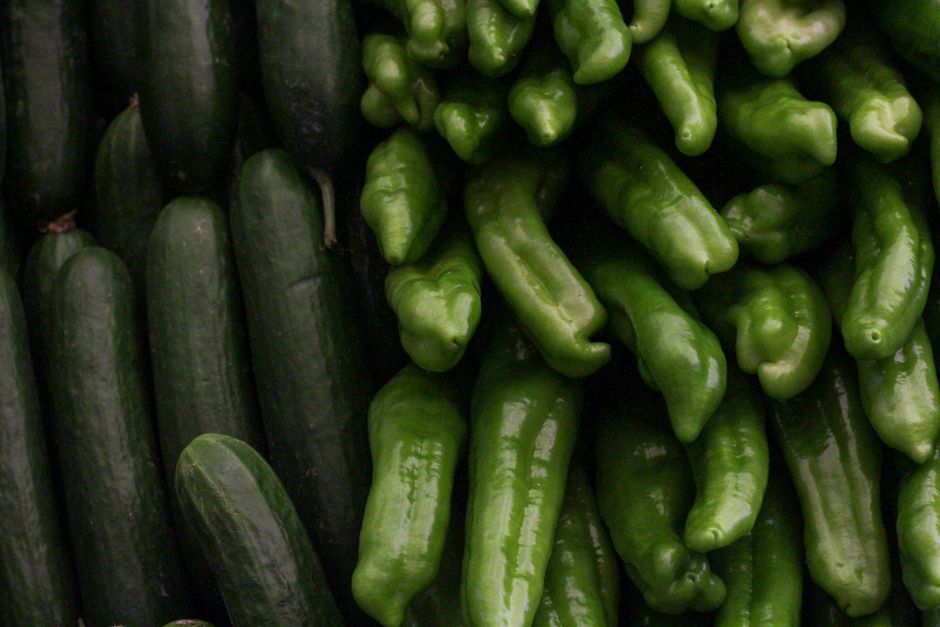
Anaheim peppers are long, tapered green chiles (turning red when fully ripe) named for the California city where they were first cultivated from New Mexico chile seed in the early 1900s. They run mild to medium on the heat scale, with thin walls, a slightly sweet, grassy flavor, and enough size to make them good for roasting and stuffing.
Varieties
Anaheim peppers are essentially the California-grown version of the New Mexico chile; the two are closely related but New Mexico chiles (including Hatch) tend to run hotter and are the standard choice for green chile stew, while Anaheim skews milder and is more common in West Coast cooking.
Buying tips
Choose peppers that are firm and glossy with no soft spots or wrinkling near the stem. Heat level varies significantly plant to plant, so a quick way to gauge it before buying a large batch is to smell the stem end; a sharper, more pungent smell usually signals more heat.
Substitutes
Poblano pepper — 1:1 by weight
Slightly more heat and a deeper, earthier flavor, with thicker walls that hold up better for stuffing.
New Mexico green chile (Hatch chile) — 1:1 by weight
Nearly the same plant lineage; heat varies more by batch, sometimes noticeably spicier than Anaheim.
Cubanelle pepper — 1:1 by weight
Sweeter and essentially no heat; a good stand-in for texture and cooking method but won't match the chile flavor.
Green bell pepper plus a pinch of cayenne — 1 bell pepper + 1/8 tsp cayenne per Anaheim called for
Adds bulk and back-of-throat heat but lacks the roasted chile flavor Anaheim brings.
Canned whole green chiles — 1 canned chile per 1 fresh Anaheim
Already roasted and peeled, softer texture, useful when fresh peppers aren't available for sauces or casseroles.
Storage
Store unwashed fresh Anaheim peppers in a paper bag or loosely wrapped in a perforated plastic bag in the refrigerator crisper, where they keep for 1 to 2 weeks. Roasted and peeled peppers freeze well for up to 6 months; lay them flat in freezer bags with as much air removed as possible.
How to use
Roast whole over a flame or under a broiler until the skin blisters and blackens, then steam in a covered bowl for 10 minutes before peeling for chiles rellenos, salsas, and green chile stew. They're also good sliced into rings for stir-fries, diced raw into salsa verde, or halved and stuffed with cheese or rice since their walls are sturdy enough to hold a filling but thin enough to cook through quickly.
What it pairs with
Pairs well with melted cheeses like Monterey Jack and queso fresco, roasted corn, cumin, lime, and grilled meats such as carne asada or chicken. Their mild heat also works well folded into egg dishes and cream-based soups.
Nutrition
One medium Anaheim pepper has about 20 calories and is a strong source of vitamin C, with a good amount of vitamin A from its green color and modest fiber.
FAQ
How hot are Anaheim peppers?
They typically range from 500 to 2,500 Scoville units, similar to a mild jalapeño or milder, though heat can vary a lot between individual peppers even from the same plant.
Do I need to peel Anaheim peppers?
Only if roasting them; the charred skin is tough and bitter once blackened, so peel it off after steaming. If using raw or lightly sautéed, the skin is thin enough to leave on.
Can I eat Anaheim peppers raw?
Yes, they're safe and mild enough to eat raw, though the flavor is grassier and less sweet than when roasted, so most recipes cook them first.
What's the difference between a green and red Anaheim pepper?
They're the same pepper at different ripeness stages; red Anaheims have ripened longer on the vine and are noticeably sweeter with slightly more heat than the green version.
Have anaheim peppers on hand? Find recipes with our Recipe Generator →