
Antipasto Salad
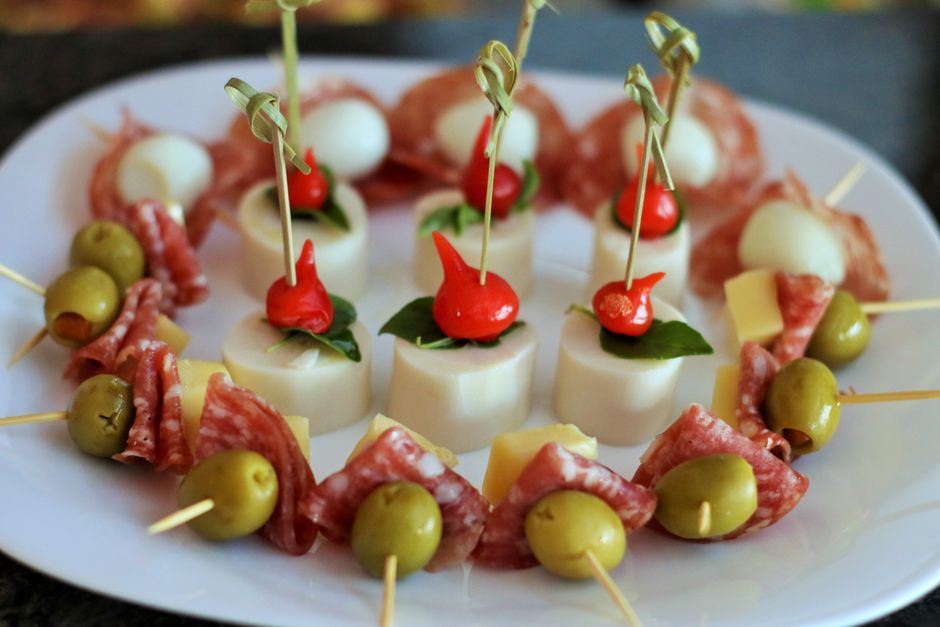
Antipasto salad is an Italian-American composed salad built from the same cured meats, cheeses, and marinated vegetables you'd find on a traditional antipasto platter, tossed with lettuce and a vinaigrette instead of served as separate plates. A typical version includes salami or pepperoni, provolone or mozzarella, olives, roasted red peppers, artichoke hearts, and cherry tomatoes over romaine or a mixed green base, finished with Italian dressing. It works as a main-dish salad, a potluck platter, or a side for pasta night.
Varieties
Some versions use pasta (often called antipasto pasta salad) with rotini or bowtie noodles bulking out the meat and cheese, which turns it into more of a starch-based side dish rather than a green salad. Regional versions in the American Midwest sometimes add pepperoncini or banana peppers for extra heat.
Buying tips
Buy meats and cheese from the deli counter rather than pre-packaged when possible, since counter-sliced salami and provolone are fresher and can be cut to the thickness you want. For olives and roasted peppers, jarred versions from the international aisle are usually cheaper and better seasoned than the ones in the salad bar section.
Substitutes
Salami swapped for capicola or soppressata — 1:1 by weight
Any dry-cured Italian meat works; capicola is milder and slightly less fatty, soppressata is spicier and coarser-cut.
Provolone swapped for fresh mozzarella — 1:1 by weight
Fresh mozzarella is milder and softer; drain and pat it dry first so it doesn't water down the dressing.
Chopped kale or spinach instead of romaine — 1:1 by volume
Massage kale with a little olive oil first to soften it, since raw kale is tougher than romaine.
Store-bought antipasto platter deli mix — use the full container in place of the meat and cheese components
Convenient shortcut; check the salt content since deli antipasto mixes are often pre-marinated and salted.
Giardiniera in place of individually marinated vegetables — 1 cup giardiniera per 3-4 cups salad
Adds vinegary heat and replaces artichokes, peppers, and olives in one step; drain well before adding.
Storage
Keep the dressing separate from the greens until just before serving. Store cut meats, cheese, and marinated vegetables together in an airtight container in the refrigerator for up to 4 days; store washed, dried lettuce separately wrapped in a paper towel. Combine and dress only what will be eaten within an hour, since dressed lettuce turns limp and watery within a few hours.
How to use
Serve as a main-course salad with crusty bread, as a side alongside baked ziti or lasagna, or build it as a platter for parties with the components arranged separately so guests can assemble their own bowls. Leftover antipasto components (without the lettuce) also work well folded into pasta salad or piled onto a sandwich.
What it pairs with
Pairs well with a simple red wine vinaigrette, garlic bread, and a light-bodied red wine like Chianti. It also holds up well next to grilled chicken or shrimp if more protein is wanted at the table.
Nutrition
Antipasto salad is high in sodium and saturated fat from the cured meats and cheese, but also delivers protein and, thanks to the vegetables, some fiber and vitamin C. Cutting the meat and cheese portions and adding extra greens, tomatoes, and artichokes brings the balance closer to a standard vegetable-forward salad.
FAQ
Can antipasto salad be made ahead for a party?
Yes, but assemble it in layers or components and only toss with dressing right before serving. Cut meats, cheese, and marinated vegetables can be prepped up to 2 days ahead and stored together in the fridge.
Is antipasto salad served warm or cold?
Cold. All components, including the meats and cheese, are served chilled or at room temperature, never heated.
What's the difference between an antipasto platter and antipasto salad?
An antipasto platter keeps the meats, cheeses, and vegetables in separate arranged portions with no lettuce or dressing; antipasto salad combines the same ingredients tossed together over greens with a vinaigrette.
Can antipasto salad be made vegetarian?
Yes, by dropping the cured meats and increasing the cheese, olives, artichokes, roasted peppers, and marinated mushrooms to keep the same balance of salty, briny flavors.
Have antipasto salad on hand? Find recipes with our Recipe Generator →