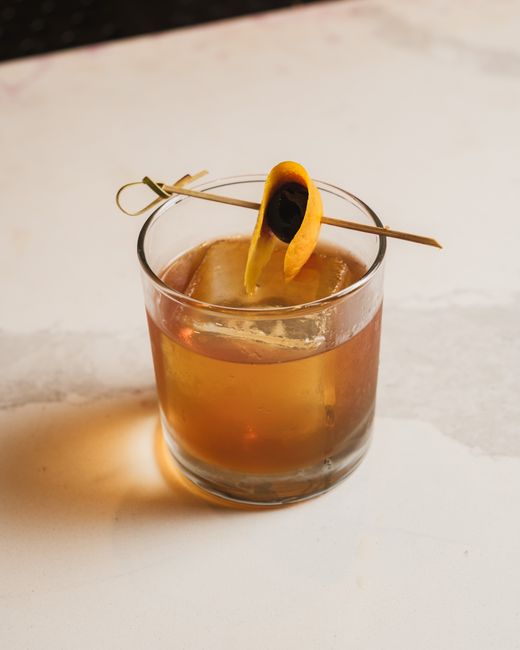
Bourbon
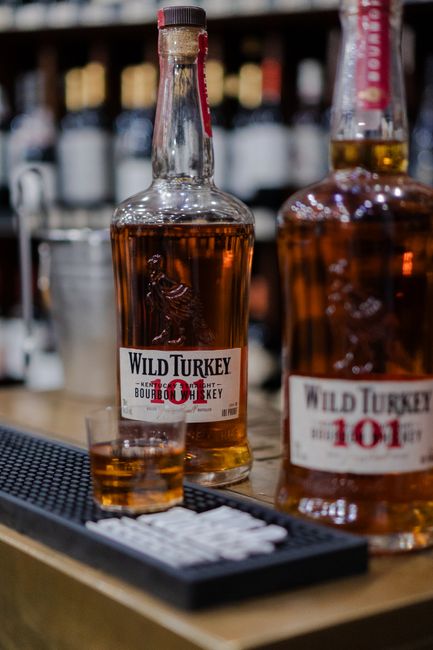
Bourbon is an American whiskey distilled from a mash that's at least 51% corn, then aged in new, charred oak barrels. The charred wood is what gives bourbon its signature notes of vanilla, caramel, and toasted oak, along with its amber color, since nothing can legally be added for color or flavor. To be labeled bourbon, it must also be made in the United States, distilled to no more than 160 proof, and entered into the barrel at no more than 125 proof.
Varieties
Tennessee whiskey, such as Jack Daniel's, is made almost identically to bourbon but goes through an extra charcoal-filtering step called the Lincoln County Process before barreling, giving it a slightly smoother, sootier edge. Rye whiskey swaps corn for a rye-majority mash bill, producing a spicier, drier spirit. Scotch is a different category entirely, made from malted barley in Scotland and typically aged in used barrels, which gives it a smokier, less sweet profile than bourbon.
Buying tips
Look for 'straight bourbon' on the label, which guarantees at least two years of barrel aging with no added coloring or flavoring. For cooking and mixing, a mid-range bottle in the 80-90 proof range works fine; save older, higher-proof, or single-barrel bottles for sipping neat, since their subtler notes get lost in a sauce or a sweet drink.
Substitutes
Rye whiskey — 1:1
Spicier and less sweet than bourbon, but works in almost any cooked application, from glazes to bread pudding.
Dark rum — 1:1
Adds a similar caramel-molasses sweetness; a good match in baked goods and barbecue sauces.
Brandy or Cognac — 1:1
Fruitier and less oaky than bourbon, but a reasonable stand-in for glazes and flambeed dishes.
Apple juice or apple cider — 1:1, plus a few drops of vanilla extract
Non-alcoholic option; won't replicate the oak or heat, but adds sweetness and warmth to sauces and marinades.
Scotch whisky — 1:1
Usable in a pinch, but its smoky, malty profile is noticeably different from bourbon's sweeter corn-and-oak flavor.
Storage
Keep bottles upright, away from direct light and heat, at room temperature. Unlike wine, whiskey doesn't age or improve once bottled, so there's no benefit to cellaring it. Once opened, an unfinished bottle with the cap sealed tightly holds its flavor well for one to two years; after that, slow oxidation can flatten the aroma even though it remains safe to drink.
How to use
Bourbon shows up in both sweet and savory cooking: deglazing a pan for a pan sauce, building barbecue glazes and marinades, spiking pecan pie or bread pudding, and macerating fruit for desserts. In classic cocktails like the Old Fashioned, Manhattan, and Whiskey Sour, it's the base spirit. When cooking with it, add it off the heat or early enough to simmer for a minute or two so the raw alcohol burns off, leaving just the flavor.
What it pairs with
Bourbon's vanilla and caramel notes pair naturally with brown sugar, pecans, orange zest, dark chocolate, and smoked or grilled meats like ribs and brisket.
Nutrition
A standard 1.5-ounce shot of 80-proof bourbon has about 97 calories, all from alcohol, with no fat, carbohydrate, sugar, or protein.
FAQ
Does the alcohol in bourbon fully cook off in a recipe?
Not entirely. Even after an hour of simmering, roughly 25% of the alcohol can remain; flambeing or a quick 1-2 minute simmer burns off less, so recipes for children or anyone avoiding alcohol should use a substitute instead.
Do you need an expensive bourbon for cooking?
No. Once bourbon is reduced in a sauce or baked into a dessert, the subtle differences that justify a premium price largely disappear; a standard 80-90 proof bottle performs the same job as a $60 one in a cooked dish.
What's the actual difference between bourbon and whiskey?
Whiskey is the broad category of spirits distilled from fermented grain mash; bourbon is a specific type of American whiskey that must be at least 51% corn and aged in new charred oak barrels, so all bourbon is whiskey but not all whiskey is bourbon.
How long does an opened bottle of bourbon actually last?
An opened bottle stored with the cap on tight stays close to its original flavor for about one to two years; a bottle that's only a quarter full loses flavor faster due to more air contact in the bottle.
Have bourbon on hand? Find recipes with our Recipe Generator →