
Branston Pickle
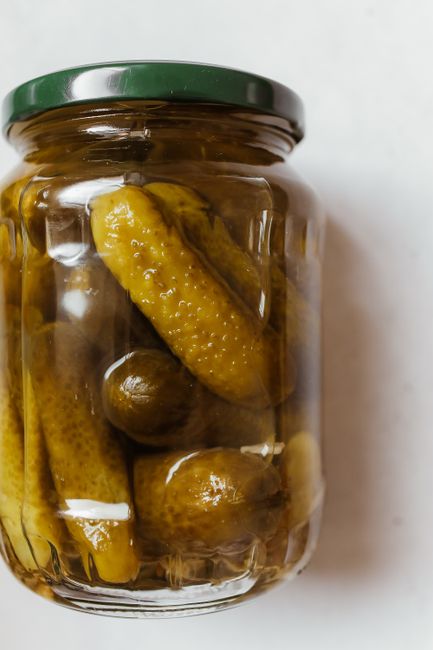
Branston Pickle is a brand-name British condiment: a thick, dark brown relish made from diced swede (rutabaga), carrot, onion, and cauliflower cooked down in a sweet, vinegar-based sauce with dates, apple, and spices. It's chunky rather than smooth, sweeter and less sharp than American sweet pickle relish, and closer in texture to a savory chutney than a jarred relish.
Varieties
Branston sells several real variants beyond the Original: Smooth (no chunks, spreads like a paste), Small Chunk (finer dice for sandwiches), and a lower-sugar 'Favourites' line. Piccalilli, sold alongside it, is a different product entirely, built on mustard and turmeric rather than a sweet vinegar base.
Buying tips
The standard jar is labeled 'Original' and is chunky; 'Smooth' has no visible vegetable pieces and blends more easily into sauces; 'Small Chunk' sits in between. Outside the UK, look in the international or British foods aisle, or order online since it doesn't have a widely available domestic equivalent.
Substitutes
Piccalilli — 1:1
Mustard-forward and tangier with less sweetness, but similar chunky vegetable texture. Good in a cheese sandwich, less good stirred into cooked dishes that rely on Branston's sweetness.
Major Grey's mango chutney mixed with finely diced sweet pickle relish (2:1) — 3 tbsp mixture per 4 tbsp Branston called for
Combine 2 parts mango chutney with 1 part sweet pickle relish to approximate the sweetness and chunk without the swede.
HP Fruity Sauce plus a spoonful of finely chopped gherkins — 1:1
Gets the malty-sweet vinegar tang close to Branston but is smoother; stir in the gherkins for texture.
Homemade vegetable chutney (carrot, onion, apple, malt vinegar, brown sugar) — 1:1
Closest match in flavor and texture if made ahead, but needs at least a week to mellow before it tastes right.
Bread and butter pickles, finely chopped, stirred into brown sauce — 1:1
American-pantry stand-in; sweeter and crunchier than Branston, with less depth from the swede and dates.
Storage
Unopened jars keep in the pantry for well over a year (check the printed date). Once opened, refrigerate and use within about three months; the vegetables stay firm but the flavor fades and the color darkens further the longer it sits.
How to use
Most often spread on buttered bread with strong cheddar for a ploughman's-style sandwich, or added to a cheese toastie before grilling. Also stirred into deviled eggs, mixed into mayonnaise as a burger sauce, layered into a pork pie or sausage roll dip, or spooned into cottage pie and meatloaf mixtures for a sweet-vinegar backbone.
What it pairs with
Pairs best with sharp cheddar, cold pork pie, ham, baked beans on toast, and cold roast meats. Also works well cutting through rich, fatty foods like sausage rolls or a full English breakfast.
Nutrition
Mostly vegetables suspended in a vinegar-sugar syrup, so it's low in fat but not low in sugar: a single tablespoon typically carries around 5-6 grams of sugar and meaningful sodium, so it's a condiment to spoon rather than pour.
FAQ
What vegetables are actually in Branston Pickle?
Primarily swede (rutabaga), carrot, onion, and cauliflower, diced and cooked in a vinegar, sugar, and date-based sauce with tomato and spices.
Is Branston Pickle the same thing as pickle relish?
No. American sweet pickle relish is made mainly from chopped cucumber and is sharper and brighter; Branston is darker, chunkier, and built around root vegetables rather than cucumber.
Is Branston Pickle vegan?
The standard Original recipe is vegan, but always check the label since some limited variants have included honey or other animal-derived ingredients.
Can Branston Pickle be cooked, or is it only a condiment?
It holds up well to cooking and is a common addition to cottage pie, meatloaf, and cheese sauces, where it adds sweetness and acidity without needing to be reduced first.
Have branston pickle on hand? Find recipes with our Recipe Generator →