
Broken Rice
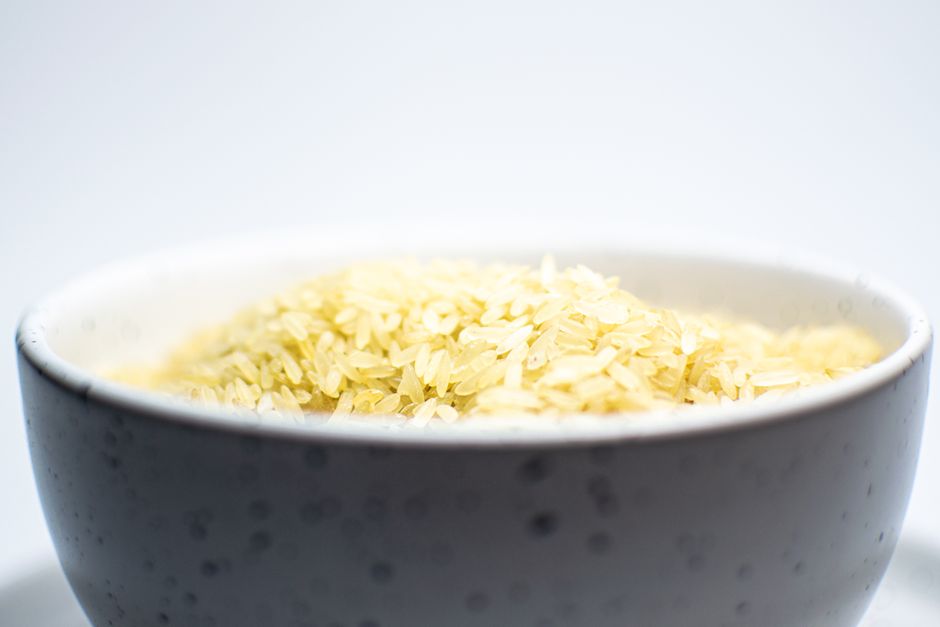
Broken rice is made up of rice grains that fractured during milling and polishing, either from the natural brittleness of the grain or from the mechanical stress of hulling. It's not a separate rice variety; any type of rice, jasmine, basmati, or plain long-grain, can end up as broken rice once the kernels crack into smaller pieces. Historically sold at a discount because whole grains were considered more desirable, broken rice is now prized on its own in several cuisines for the way it cooks: faster, softer, and with more starch released into the pot, giving dishes like Vietnamese cơm tấm and West African rice porridges their characteristic texture.
Varieties
Any rice variety can become broken rice, so flavor and stickiness vary depending on the source grain: jasmine-based broken rice is aromatic and slightly sticky, while basmati-based broken rice stays comparatively drier and more separate when cooked. This is different from rice grits or rice flour, which are intentionally ground much finer rather than naturally fractured.
Buying tips
Sold at a lower price than whole-grain rice of the same variety, often labeled 'broken rice' or specifically as 'cơm tấm rice' in Vietnamese markets. Check the bag for excessive fine powder or dust settled at the bottom, which signals over-processing; the pieces should still look like distinct grain fragments, not flour.
Substitutes
Jasmine rice, whole grain — 1:1 by volume
Slightly firmer texture since the grains are intact; reduce cooking liquid slightly since less starch is exposed.
Long-grain white rice, pulsed briefly in a food processor — 1:1 by volume
Pulse 4-5 times to break grains into 2-3 pieces each; closest texture match to store-bought broken rice.
Basmati rice, broken — 1:1 by volume
Less starchy than jasmine when broken; good for pilaf-style dishes rather than porridge-style ones.
Sushi (short-grain) rice, pulsed into pieces — 1:1 by volume
Produces a much stickier result; only use this for congee-style or rice pudding applications, not for dry fried rice.
Rice grits or cream of rice (finely ground rice) — Use about half the amount and increase liquid
Much finer than broken rice, so it cooks into a smoother porridge rather than holding distinct grain pieces; not a clean swap for dishes that need visible grains.
Storage
Keep in an airtight container in a cool, dry pantry away from direct light. Because the broken surfaces expose more of the starchy interior, it can pick up moisture and off odors slightly faster than whole-grain rice, so use within 6 to 9 months for best texture, though it remains safe to eat well beyond that if kept dry and sealed.
How to use
Cooked as a base for Vietnamese cơm tấm (traditionally served with grilled pork and a fried egg), simmered into rice porridges and congee across Asia and West Africa, boiled down for rice pudding, and used in Caribbean and Senegalese rice dishes like thiebou yapp where a softer, stickier grain is wanted. It also cooks noticeably faster than whole rice, often shaving several minutes off the simmer time.
What it pairs with
Works well with grilled or shredded pork, fish sauce-based dips, fried eggs, and pickled vegetables in Vietnamese-style meals, or with coconut milk and sugar for rice pudding. In porridge form it pairs with ginger, scallions, and soft-cooked eggs.
Nutrition
Nutritionally close to whole-grain rice of the same variety since it's the same grain, just fractured. The broken structure gelatinizes faster and releases more starch during cooking, which can raise its glycemic impact slightly compared to intact grains of the same rice.
FAQ
Is broken rice lower quality than whole rice?
Not in terms of nutrition or safety, it's the same grain. It's simply graded lower for retail because whole, unbroken grains are considered more visually appealing, which is why broken rice is usually cheaper.
Why does broken rice cook faster than regular rice?
The fractured surfaces let water penetrate the starchy interior more quickly, so broken rice typically cooks in 10 to 15 minutes compared to 15 to 20 minutes for whole long-grain rice.
Can broken rice be used for fried rice?
Yes, and it's actually preferred in some Vietnamese and Southeast Asian kitchens because the slightly softer, stickier grains hold seasoning well without the dish turning mushy, provided the rice is cooked and cooled before frying.
Have broken rice on hand? Find recipes with our Recipe Generator →