
Butterscotch
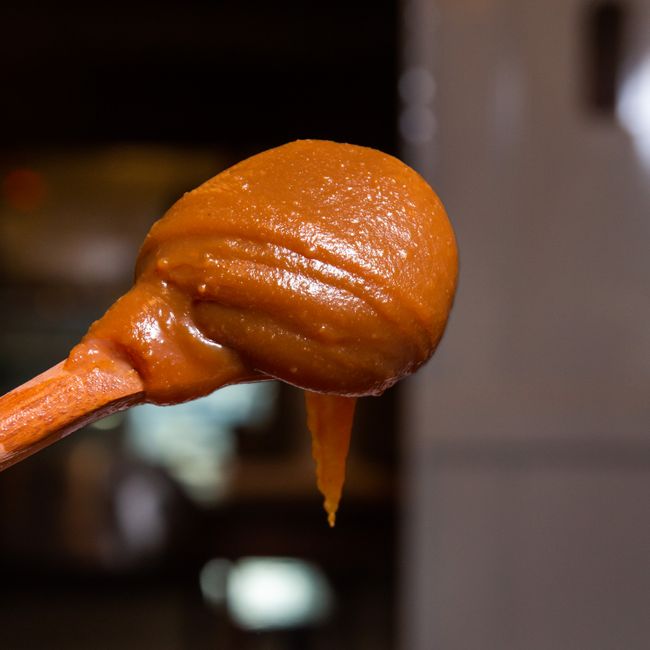
Butterscotch is a sauce and flavor made by melting brown sugar (usually the darker, more molasses-heavy kind) with butter and cream, then finishing with vanilla and a pinch of salt. Unlike caramel, which starts with plain white sugar cooked until it browns, butterscotch gets its color and deep, slightly smoky sweetness from the molasses already present in brown sugar, so it's cooked at a lower temperature and never needs to reach a true caramelized-sugar stage. The result is a softer-set, more buttery flavor that shows up in sauces, hard candies, pudding, and baked goods like blondies.
Varieties
Butterscotch and caramel are frequently confused but are made differently: caramel starts from cooked white sugar, while butterscotch starts from brown sugar that already contains molasses, giving it a deeper, less bitter-edged sweetness even at lower cooking temperatures.
Buying tips
Jarred butterscotch sauce varies widely in quality; check that brown sugar or molasses appears near the top of the ingredient list rather than corn syrup and artificial flavoring, which taste flat and one-note by comparison.
Substitutes
Caramel sauce — 1:1
Close in texture and use, but tastes cleaner and less molasses-forward; stir in a pinch of extra brown sugar or a drop of dark rum for closer flavor.
Dulce de leche — 1:1
Thicker and milkier with a cooked-milk sweetness; thin with a tablespoon of cream per half cup to match butterscotch's pourable consistency.
Homemade brown sugar-butter sauce — 1:1
Melt 1 cup packed brown sugar with 6 tablespoons butter and 1/2 cup heavy cream until smooth; this is essentially butterscotch made from scratch and matches exactly.
Toffee bits melted with cream — 3/4 cup toffee bits plus 2 tablespoons cream per 1 cup butterscotch
Toffee is cooked further and has a harder, more brittle base flavor; melting it with cream softens it back toward butterscotch's texture.
Butterscotch schnapps (for flavoring only, not sauce) — 1 to 2 teaspoons per cup of batter or filling
Adds authentic butterscotch flavor to baked goods without changing moisture content much, but does not work as a sauce substitute.
Storage
Homemade or opened jarred butterscotch sauce keeps in an airtight container in the refrigerator for up to 3 weeks. It thickens and stiffens when cold, so warm gently in the microwave in 10-second bursts or in a saucepan over low heat, stirring, before using.
How to use
Use warm as a sauce over ice cream, pancakes, or bread pudding; fold into cheesecake or cake batters for flavor; swirl into pudding or pots de creme; or use as the wet sweetener base in blondies and butterscotch cookies. It also works whisked into coffee or hot milk for a quick dessert drink.
What it pairs with
Pairs well with vanilla ice cream, bananas, apples, pecans, and dark rum, and balances rich, buttery baked goods like blondies or shortbread.
Nutrition
Butterscotch is essentially sugar, butter, and cream, so it's dense in calories and saturated fat with very little nutritional value; a typical tablespoon runs 60 to 80 calories depending on the recipe.
FAQ
What's the actual difference between butterscotch and caramel?
Caramel is made by cooking white granulated sugar until it browns and develops a slightly bitter edge, then adding butter and cream. Butterscotch skips that step and starts with brown sugar already melted with butter, so it never needs high heat and tastes rounder and less bitter.
Why did my butterscotch sauce turn grainy?
Grainy butterscotch usually means the sugar wasn't fully dissolved before the cream was added, or the mixture was stirred too vigorously while hot, which encourages sugar crystals to form. Cook over low heat and stir gently until the sugar is completely smooth before adding cream.
Can I make butterscotch without cream?
Yes, using evaporated milk or coconut cream in place of heavy cream works, though the sauce will be slightly thinner and less rich; add an extra tablespoon of butter to compensate.
Is butterscotch chips the same as butterscotch sauce?
No. Butterscotch chips are a solid baking product made mostly from sugar, palm kernel oil, and artificial butterscotch flavoring, meant to hold their shape in cookies; they don't melt into a smooth sauce the way real butterscotch does.
Have butterscotch on hand? Find recipes with our Recipe Generator →