
Cacao
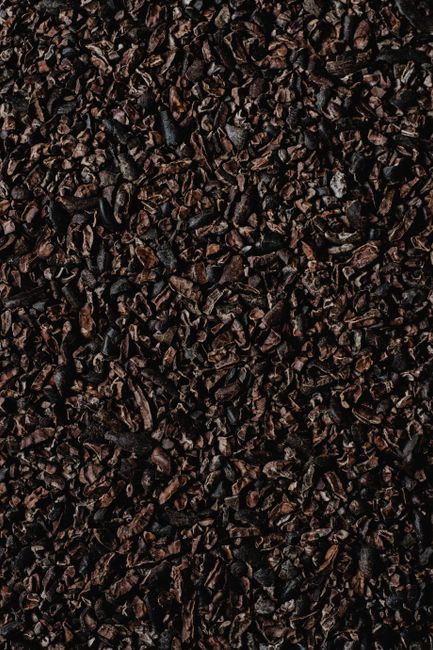
Cacao refers to products made from the Theobroma cacao bean with minimal processing: raw or lightly roasted nibs, cacao powder pressed from unroasted beans, and cacao paste (also called liquor). It's more bitter and acidic than standard cocoa powder, with a more complex, fruity edge because it hasn't been through the high-heat Dutch or roasting processes used for most supermarket cocoa. Cacao nibs are crushed bean pieces used more like a crunchy, bitter chocolate chip than a powder.
Varieties
Cacao and cocoa are often used interchangeably but technically differ: cacao is minimally processed and unroasted or lightly roasted, while cocoa powder has been roasted at high temperatures and sometimes alkalized (Dutch-processed), which mellows both flavor and acidity. Cacao nibs, powder, and paste also behave differently: nibs stay crunchy, powder dissolves, and paste melts, so they aren't interchangeable with each other without adjusting technique.
Buying tips
Look for cacao powder or nibs labeled 'raw' or 'minimally processed' if the fruitier, more acidic flavor is the goal; anything simply labeled 'cocoa' has usually been roasted at higher heat and will taste milder. Check nibs for a dry, matte look; oily or clumped nibs have likely gone rancid.
Substitutes
Unsweetened cocoa powder — 1:1
Milder and less acidic since it's roasted at higher heat; the most common swap in baking and hot chocolate.
Dutch-process cocoa powder — 1:1
Smoother and darker with almost no bitterness; if a recipe uses baking soda for lift, switch to baking powder since Dutch cocoa is alkalized and less acidic.
Carob powder — 1:1
No caffeine and naturally sweeter with a nutty, less chocolatey flavor; cut added sugar in the recipe slightly.
Unsweetened baking chocolate, melted — 3 tablespoons chocolate plus 1 tablespoon fat per 3 tablespoons cacao powder
Use for recipes where cacao powder is dissolved into a wet mixture; reduce other added fat in the recipe to compensate.
Cacao nibs, finely ground — 1:1 by weight
Works for baking where cacao powder gets blended into batter, but grind in a spice grinder first since whole nibs won't dissolve.
Storage
Store cacao powder and nibs in an airtight container in a cool, dark pantry for up to a year. Cacao paste keeps well wrapped tightly and refrigerated for several months, though it will need to soften at room temperature before using. Keep all forms away from moisture, which causes clumping and can encourage mold in nibs.
How to use
Cacao powder works in baking, hot chocolate, mole sauces, and smoothies, though it needs added sugar to balance its natural bitterness. Cacao nibs are added to granola, trail mix, and baked goods for crunch, or steeped in warm milk or cream for a subtle chocolate infusion. Cacao paste is melted down as the base for homemade dark chocolate or added to sauces for deep, unsweetened chocolate flavor.
What it pairs with
Pairs well with warm spices like cinnamon and chile, with orange and other citrus, with sea salt, and with nut butters. In baking, it balances well against brown sugar and espresso, both of which round out its natural bitterness.
Nutrition
Cacao is higher in flavanol antioxidants and iron than most heavily processed cocoa powders because it skips high-heat roasting. It's also naturally caffeinated and contains theobromine, a milder stimulant, so cacao-heavy foods carry more of a stimulant effect than standard cocoa.
FAQ
Is cacao powder healthier than cocoa powder?
Cacao powder retains more flavanol antioxidants because it isn't roasted at high heat, but the difference is modest and both are used in small quantities, so it won't meaningfully change a recipe's overall nutrition.
Can cacao nibs replace chocolate chips in cookies?
Yes, but expect a much more bitter, crunchy result since nibs have no added sugar or cocoa butter; many bakers mix nibs with regular chocolate chips rather than using nibs alone.
Why does my hot chocolate taste bitter when I use cacao powder instead of cocoa?
Cacao powder is naturally more acidic and less sweet than roasted cocoa powder, so recipes need extra sugar or a pinch of salt to balance it when swapping in.
Does cacao contain caffeine?
Yes, cacao contains more caffeine than most cocoa powder because less is lost during roasting, though the amount per serving is still far lower than coffee.
Have cacao on hand? Find recipes with our Recipe Generator →