
Canned Sardines
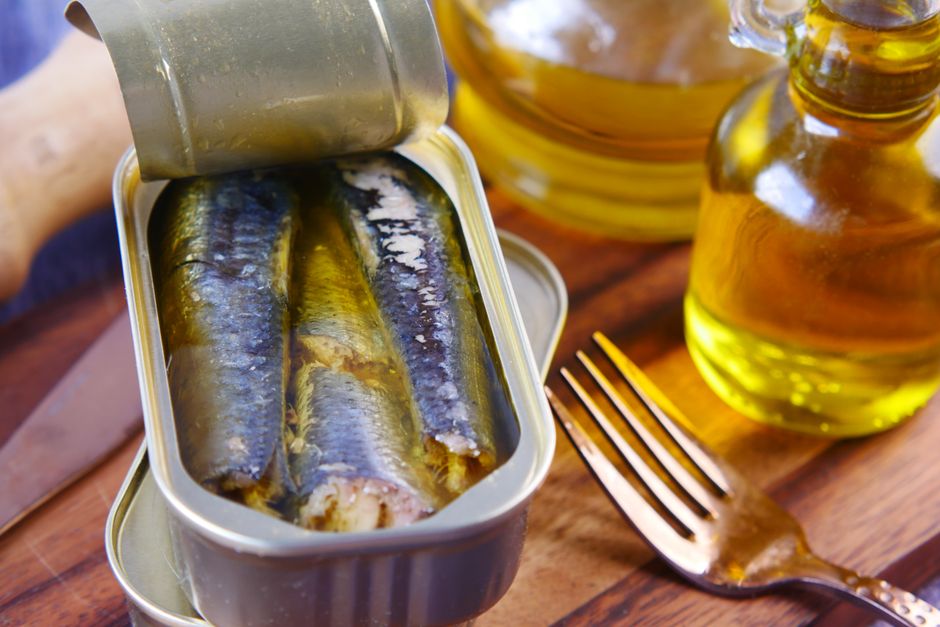
Canned sardines are small, oily fish (usually young pilchards or true sardines) that are cooked, then packed into tins with oil, water, tomato sauce, or mustard. The canning process softens the bones enough to eat, so the whole fish, skin, bones, and all, can go straight into a dish. They carry a strong, briny, fishy flavor that's less delicate than fresh sardines but far more convenient and shelf-stable.
Varieties
Packing style changes both flavor and use: oil-packed sardines are richer and better for cooking or eating plain, water-packed are milder and lower in fat, and tomato- or mustard-sauce versions come pre-seasoned and are best eaten straight from the tin rather than cooked further.
Buying tips
Check the packing medium: olive oil sardines taste richer and hold up better in cooking, while water-packed are leaner but drier. Look for tins labeled 'wild-caught' and check that the fish are whole and intact rather than broken into pieces, which usually signals a lower grade.
Substitutes
Canned mackerel — 1:1
Similar oiliness and a comparably strong flavor; slightly larger, meatier flakes than sardines.
Canned anchovies — 1:2 by weight
Anchovies are far saltier and more concentrated in flavor, so use about half as much as the sardines called for.
Canned kippers or herring — 1:1
Herring has a similar oily, briny profile; kippers are smoked, which adds a flavor sardines don't have.
Canned salmon — 1:1
Much milder and less fishy; works for texture and protein but won't replicate the intensity sardines bring to a dish.
Storage
Unopened tins keep well in a cool, dry pantry for 3 to 5 years past the pack date. Once opened, transfer any unused sardines and their packing liquid to a sealed non-metal container and refrigerate for up to 3 days; the tin itself can react with the fish once air gets in.
How to use
Eat straight from the tin on crackers or toast, mash into a sandwich filling with mustard and lemon, toss whole or broken into pasta with garlic and chili flakes, or lay over a green salad. Because they're already cooked, they only need to be warmed through if added to a hot dish.
What it pairs with
Pairs well with acidic and sharp flavors that cut the oiliness: lemon, capers, mustard, vinegar-dressed greens, and crusty bread. Also works with tomato-based sauces and strong cheeses like pecorino.
Nutrition
Sardines are one of the richest common sources of omega-3 fatty acids and also supply calcium, since the canned bones are soft enough to eat. They're high in sodium, so check labels if that's a concern.
FAQ
Can you eat the bones and skin in canned sardines?
Yes. The canning process, which involves pressure-cooking the fish in the tin, softens the small bones and skin completely, making them both edible and a good source of calcium.
Do canned sardines need to be cooked?
No, they're fully cooked during canning. Adding them to a hot pasta or sauce is only to warm them through and let the oil incorporate, not to cook the fish.
Why do canned sardines taste so much stronger than fresh sardines?
The canning liquid and prolonged contact with the fish's own oils concentrate the flavor over time, and the fish continue to break down slightly in the tin, which intensifies the briny, fishy taste compared to fresh fillets cooked immediately.
Is it safe to eat canned sardines every day?
Most nutrition guidance treats a few servings a week as reasonable; daily eating is generally fine for the omega-3 content but can push sodium intake high depending on the brand, so watch total salt intake elsewhere in the diet.
Have canned sardines on hand? Find recipes with our Recipe Generator →